Posted on Leave a comment

Watch any or all of the Xbox E3 2018 briefing videos

Yesterday’s Xbox E3 2018 Briefing featured a ton of big news, from our announcements of new studios joining the Microsoft Studios family to the reveal of the next chapter in the Halo saga. There was something for everyone in the briefing too, including first looks at hardcore shooters like Metro: Exodus and Battlefield V, family-friendly titles like Ori and the Will of the Wisps and Kingdom Hearts 3, and indie gems like Session and Tunic. Did you miss out on the action? If so, we’ve got you covered with trailers and demos galore. Take a look below or watch the entire briefing above!

Halo Infinite

Video forAll of the Xbox E3 2018 Briefing VideosVideo forAll of the Xbox E3 2018 Briefing Videos

Ori and the Will of the Wisps

Video forAll of the Xbox E3 2018 Briefing VideosVideo forAll of the Xbox E3 2018 Briefing Videos

Crackdown 3

Video forAll of the Xbox E3 2018 Briefing VideosVideo forAll of the Xbox E3 2018 Briefing Videos

Sea of Thieves – Cursed Sails and Forsaken Shores

Video forAll of the Xbox E3 2018 Briefing VideosVideo forAll of the Xbox E3 2018 Briefing Videos

Forza Horizon 4

Video forAll of the Xbox E3 2018 Briefing VideosVideo forAll of the Xbox E3 2018 Briefing Videos

Cyberpunk 2077 Trailer

Video forAll of the Xbox E3 2018 Briefing VideosVideo forAll of the Xbox E3 2018 Briefing Videos

PlayerUnknown’s Battlegrounds

Video forAll of the Xbox E3 2018 Briefing VideosVideo forAll of the Xbox E3 2018 Briefing Videos

Gears 5 – Cinematic Announce Trailer

Video forAll of the Xbox E3 2018 Briefing VideosVideo forAll of the Xbox E3 2018 Briefing Videos

Gears 5 – Announce Trailer

Video forAll of the Xbox E3 2018 Briefing VideosVideo forAll of the Xbox E3 2018 Briefing Videos

Fallout 76

Video forAll of the Xbox E3 2018 Briefing VideosVideo forAll of the Xbox E3 2018 Briefing Videos

Tunic

Video forAll of the Xbox E3 2018 Briefing VideosVideo forAll of the Xbox E3 2018 Briefing Videos

Devil May Cry 5

Video forAll of the Xbox E3 2018 Briefing VideosVideo forAll of the Xbox E3 2018 Briefing Videos

Session

Video forAll of the Xbox E3 2018 Briefing VideosVideo forAll of the Xbox E3 2018 Briefing Videos

Gears POP!

Video forAll of the Xbox E3 2018 Briefing VideosVideo forAll of the Xbox E3 2018 Briefing Videos

Xbox Game Pass Catalog Preview

Video forAll of the Xbox E3 2018 Briefing VideosVideo forAll of the Xbox E3 2018 Briefing Videos

ID@Xbox Games Montage

Video forAll of the Xbox E3 2018 Briefing VideosVideo forAll of the Xbox E3 2018 Briefing Videos

Battletoads Announce Trailer

Video forAll of the Xbox E3 2018 Briefing VideosVideo forAll of the Xbox E3 2018 Briefing Videos

Hyper Universe

Video forAll of the Xbox E3 2018 Briefing VideosVideo forAll of the Xbox E3 2018 Briefing Videos

Xbox One X Enhanced Games

Video forAll of the Xbox E3 2018 Briefing VideosVideo forAll of the Xbox E3 2018 Briefing Videos

Xbox One E3 2018 Montage

Video forAll of the Xbox E3 2018 Briefing VideosVideo forAll of the Xbox E3 2018 Briefing Videos

Cuphead DLC Announce

Video forAll of the Xbox E3 2018 Briefing VideosVideo forAll of the Xbox E3 2018 Briefing Videos

Captain Spirit Announce

Video forAll of the Xbox E3 2018 Briefing VideosVideo forAll of the Xbox E3 2018 Briefing Videos

Jump Force Announce

Video forAll of the Xbox E3 2018 Briefing VideosVideo forAll of the Xbox E3 2018 Briefing Videos

Just Cause 4 Announce

Video forAll of the Xbox E3 2018 Briefing VideosVideo forAll of the Xbox E3 2018 Briefing Videos

Shadow of the Tomb Raider

Video forAll of the Xbox E3 2018 Briefing VideosVideo forAll of the Xbox E3 2018 Briefing Videos

Tales of Vesperia: Remastered

Video forAll of the Xbox E3 2018 Briefing VideosVideo forAll of the Xbox E3 2018 Briefing Videos

We Happy Few Story Trailer

Video forAll of the Xbox E3 2018 Briefing VideosVideo forAll of the Xbox E3 2018 Briefing Videos

NieR: Automata Become As Gods Edition

Video forAll of the Xbox E3 2018 Briefing VideosVideo forAll of the Xbox E3 2018 Briefing Videos

Metro Exodus Gameplay Trailer

Video forAll of the Xbox E3 2018 Briefing VideosVideo forAll of the Xbox E3 2018 Briefing Videos

Kingdom Heart III Frozen Trailer

Video forAll of the Xbox E3 2018 Briefing VideosVideo forAll of the Xbox E3 2018 Briefing Videos

The Division 2 Gameplay Demo

Video forAll of the Xbox E3 2018 Briefing VideosVideo forAll of the Xbox E3 2018 Briefing Videos

Dying Light 2 Gameplay Demo

Video forAll of the Xbox E3 2018 Briefing VideosVideo forAll of the Xbox E3 2018 Briefing Videos

Dying Light 2 Announce Trailer

Video forAll of the Xbox E3 2018 Briefing VideosVideo forAll of the Xbox E3 2018 Briefing Videos

Battlefield 5 Single Player Teaser

Video forAll of the Xbox E3 2018 Briefing VideosVideo forAll of the Xbox E3 2018 Briefing Videos

Posted on Leave a comment

Katie Stone Perez and Major Nelson discuss the gaming industry and how to support indie devs

Last year, the gaming industry made roughly $90 billion in sales worldwide. That’s more than double what movies made at the box office last year.

And here’s why that comparison to Hollywood is relevant. Because, like with films, the most popular video games are HUGE. They have great graphics, popular characters, and the franchises keep getting repeated over and over again. Unfortunately, blockbuster games and movies can be as thin on diversity as they are on plot.  

In this episode, we’re talking about the Moonlights and Napoleon Dynamites the indie games that are breaking out, changing paradigms, and making a case for independence in gaming.


This episode features:

Navid Khonsari — Co-Founder of iNK Stories

Larry Hyrb —  Xbox’s Major Nelson

Rik Eberhardt — Studio Manager at MIT Game Lab

Mia Consalvo —  The Canada Research Chair in Game Studies and Design at Concordia University

Sherida Halatoe —  Found of Tiger & Squid Game Studio

Karla Zimonja —  Co-Founder of The Fullbright Company

Katie Stone Perez —  Developer Experience Lead at Xbox

Transcript: 

CRISTINA QUINN: Navid Khonsari says most people think Iran looks like this.

NAVID KHONSARI: The deserts, and women covered up in veils and men covered up and looking like clerics.

CRISTINA QUINN: Navid knows that if most people think about Iran at all, the images that come to mind are probably from the hostage crisis in 1979 or the violence of the iranian revolution that led up to it.

During the revolution, Navid was ten years old and living in Tehran. He remembers the hostages, and the violence, but he also remembers how it all began…

NAVID KHONSARI: My grandfather took me out to the streets and as we walked the streets I saw that sense of joy. I saw that sense of possibility that sense of hope that this country could change — change for the for for good, for the better, for people who were on the streets.

CRISTINA QUINN The Iranian Revolution started as a popular uprising — people from all walks of life coming together to overthrow a corrupt, western-backed king.

But then it changed, it turned violent.

NAVID KHONSARI: That hope kind of became a little bit darker. And and violence was out on the streets in the fighting took place and my father who was a doctor would spend the night in the emergency ward tending to wounded civilians and soldiers.

CRISTINA QUINN: Eventually, Navid’s family left Iran, for Canada. But throughout his life, whenever he tried to explain what it was like living in Iran during the revolution, to offer a more nuanced understanding of the country, he felt like he wasn’t getting through.

He wanted to humanize this monumental moment. And he came up with a kind of counter-intuitive solution. A video game.

THEME ENTERS

CRISTINA QUINN: I’m Cristina Quinn and this is dot-future, a branded podcast from Microsoft and Gimlet Creative, about making the future happen.

Because the future doesn’t just HAPPEN. It’s the result of a series of choices that we’re making right now. You can wait for the future to come to you … or you can engage with it, and get ahead of the curve.  

Welcome to dot-future.

THEME OUT

CRISTINA QUINN: Today we’re talking about gaming. Four out of five American households have gaming devices — like a tablet, XBOX or a Playstation — and over half of adults in the US play games. Half!

Production-wise, we have come a long way since:

GAME SOUND – PAC MAN

CRISTINA QUINN: The top-selling games today are hyperrealistic. They immerse players in war zones, put them on the run from zombies, and take them to the thirty yard line with 12 seconds left in the game. Last year, the gaming industry made roughly $90 billion in sales worldwide.

That’s more than double what movies made at the box-office last year. And here’s why that comparison to Hollywood is relevant. Because, like with films, the most popular video games are huge. They have great graphics, popular characters, and the franchises keep getting repeated over and over again.

I mean, you know how it’s kind of crazy that we have, like, how many Fast and Furious movies are there? What are we up to, like eight? Well, guess what? There are eleven games in the Halo family. Eleven. Blockbuster games even follow a Hollywood style RELEASE calendar, according to Larry Hyrb. He’s kind of the public face of Xbox Live. If you’re a gamer, you know him as “Major Nelson.”

LARRY HYRB: Maybe we’ve got a summer blockbuster, but we always have these huge releases, you know in the holiday season at the end of the year, and it’s noisy because the new Call of Duty is going to compete with the new Star Wars movie.

CRISTINA QUINN: Games like Call of Duty are what you call AAA games.

SCORING IN

CRISTINA QUINN: AAA is an unofficial industry rating. But it doesn’t actually stand for anything. The running joke is it means the game took:

  • A lot of time.
  • A lot of resources…and…
  • A lot of money.

CRISTINA: Even if you’re not a gamer you probably recognize the names of AAA gaming companies and their games — Nintendo with Super Mario, Microsoft with Halo, and Activision with Call of Duty.

And just like blockbuster film, blockbuster games are plagued by some of the same problems. The storylines can be kind of stale and repetitive. There’s a hero. Some stuff blows up. You have to fight something, or survive some catastrophe.  

And what that hero looks like is also repetitive — AAA games are as thin on diversity as they are on plot. There’s a really popular gaming writer name Leigh Alexander. Last year she wrote all about this in a notorious blog post called “Gamers Are Over.”

She wrote about how the AAA gaming culture can be summed up like this, quote: “Have Money. Have women. Get a gun and then a bigger gun.”

She was done with it — and she argued that even DEVELOPERS want games to be made for and by a more diverse group of people — to reflect real stories and real human struggle.

And that’s what today’s episode is about: the part of the gaming industry that’s providing an alternative to AAA games. We’re talking about The Moonlights and Napoleon Dynamites — the indie games that are breaking out, changing paradigms, and making a case for independence in gaming.

And, in the process, changing that 90-billion dollar gaming industry from the INSIDE.

SCORING OUT

CRISTINA QUINN: So, back to the video game we mentioned at the beginning. Navid Khonsari wanted to create a game…to provide a more nuanced perspective…

NAVID KHONSARI: You know you take a look at a lot of the call of duties and a lot of the war games that are out there it’s always like while you’re on the beaches of Normandy but you’re playing a member of the you know the U.S. Army and you’re shooting at Germans. But that’s really where the history stops.  

Navid made 1979: Revolution Black Friday. It’s the story of the Iranian revolution, told with the nuance that he didn’t see portrayed elsewhere.  

GAME SOUND – 1979 REVOLUTION: BLACK FRIDAY

CRISTINA QUINN: And it’s an INDIE game. It’s heavy on story. 1979 puts you, the player, in the middle of Tehran during the Iranian Revolution and presents you with a series of options at every turn. Shots are fired. Where do you go? Who do you save?

POST SOUND

CRISTINA QUINN: Critics loved the game. It’s an unmistakeable indie darling. It racked up a bunch of awards, like Best PC and/or Console Game at the ‘16 Bit Awards.

This is a huge success for an indie game developer, but that’s not what Navid was, for much of his career. He started out as the cinematic director at Rockstar games, which makes Grand Theft Auto and Max Payne. He worked on some of the most profitable games in history.

But eventually all of the drug deals and shootouts and car crashes got old. He wanted to make something more real. To do that, Navid quit his job at Rockstar Games and set out on his own to make a game about his real life experience.

He and his wife, who’s a documentary filmmaker and anthropologist, founded a studio together. They called it iNK Stories. It’s based in Brooklyn. Their work is inspired by cinema verite — a raw, intimate style of documentary filmmaking.  So Navid calls what iNK Stories makes, “verite games.” 1979 blends real history and the game’s action, with real life photographs and archival footage.

NAVID KHONSARI: The game has got me splattered all over it. When you’re in the home looking at the home movies that’s actually super 8 footage that my grandfather shot from 1950 to 1979 and it includes my mother’s swimming at the Caspian Sea. My grandfather great grandfather and family had a big feast and myself attending my first day school.

CRISTINA QUINN: But Navid wanted to make sure that the game was not just just a glimpse into his own past. He wanted it to be accurate, more accurate, than the books he’d read or the films he’d seen about Iran’s revolution. So he and a small team conducted more than 40 interviews with people who were living in Iran during the revolution.

He also hired academics, and religious advisors, to ensure that the game was authentic.

The end result is a subtle portrayal of a critical moment in history.

GAME SOUND – 1979 REVOLUTION: BLACK FRIDAY

CRISTINA QUINN: Do you think there are some stories better told through the immersive, video game experience than through other mediums?

NAVID KHONSARI: Yeah. These are incredible tools to put you right in that space to put you in the head space or in that environment or in that particular instance where something is taking place. These are probably the most powerful way of creating empathy. So in a weird way if we want to actually understand a little bit more about humanity and really feel what it’s like we actually have to engage with some kind of technology that allows us to go there.

CRISTINA QUINN: Navid is part of a new class of game developers who are intent on making games that are both personal AND fun. It’s a mission that, in the hands of triple A gaming companies, often fails.

RIK EBERHARDT: You can see a game that’s made by, you know, people who look like me so middle aged white guys and those those games often don’t have anything to say

CRISTINA QUINN: Rik Eberhardt works at MIT’s Game Lab — which experiments with new game technology.

RIK EBERHARDT: And when they do try to say something they’re not they’re they’re trying to adopt somebody else’s language, and it feels wrong.

He says indie games are coming from a genuine place…and that comes across in the experience of playing the game…

RIK EBERHARDT: And with an indie game, yeah, you can absolutely see the person who made it where what where they came from what they brought to the game what culture they’re from.

CRISTINA QUINN: Culture and story haven’t necessarily been a major focal point of video games. From the very beginning of gaming, the focus has been on graphics and speed.

SCORING IN

CRISTINA QUINN: In 1977, Atari released what would become known as the Atari 2600. By 1980, millions of homes were introduced to the idea of playing games not at an arcade, but in your living room.

GAME SOUND – ATARI

CRISTINA QUINN: But Atari didn’t stay on top for long. In 1985, Nintendo released its “Entertainment System.”  The package came with a controller, and a gun for playing Duck Hunt.  

DUCK SOUND

CRISTINA QUINN: Then in 1989 Nintendo leveled up gaming, when it released a HANDHELD console, the Game Boy.  

For millions of people, being able to take your games with you was totally novel — and it changed the gaming industry — and family road trips — forever.

SCORING OUT

CRISTINA QUINN: In 2002, Microsoft introduced Xbox Live, allowing console players to play with other gamers throughout the world, something they still do today, of course.

LARRY HYRB: If I wake up at 3:00 in the morning because I can’t sleep. I can pop on my console and all of a sudden I’m playing with friends that may or may not be online or I’m going to discover new friends.

CRISTINA QUINN: This is Larry Hyrb — or Major Nelson — from Xbox again.  He’s been at the company for 14 years, and for a million Twitter followers he’s the go-to-guy for all-things Xbox.

Here’s the thing about Xbox Live, a player in Philadelphia can connect with a player in the Philippines. There’s always someone to play with.

LARRY HYRB: So if you have a young one, or maybe the baby is taking a nap, you can still go online and within 30 seconds to be connected with friends around the world… you’re playing an interactive game.

CRISTINA QUINN: Games are just everywhere. They’re on your phone, they’re in the back of your airplane seat — you can get virtual reality gear at Gamestop!

And everything looks and sounds flawless.

MIA CONSALVO: They’re stunning, right? They’re amazing to look at.

Mia Consalvo is the Canada Research Chair in game studies and design at Concordia University.

MIA CONSALVO: I think that expectations are being ratcheted up just kind of across the board. Even, for example let’s say with sports games like Madden or you know like a baseball game where you would think that the game is just about playing football but really in those games now. I mean they need photorealism. You know they need the actual images of the players the real players. They have role-playing system where you can create your own character, you can create you and be recruited and work your way up from the minors to the majors.

CRISTINA QUINN: That’s because games are in a fierce competition for our attention, according to Larry Hyrb.

LARRY HYRB: Our hours in the day that you and I and the listeners have for entertainment — how are you going to spend them? There’s just so much product out there right now, that people have trouble bursting through.

CRISTINA QUINN: And to compete at the blockbuster level, it takes a lot of money to stand out. Money that indie developers and publishers often don’t have. But what they do have — according to Mia — is nerve, and creativity.

In a way, the stakes for indie game developers are actually lower, because they don’t have to play ball with the big guys. They can take risks and experiment with visual style or even get… emotional with their games. That’s what Sherida Halatoe set out to do when, as a college student, she began working on the game Beyond Eyes.

GAME SOUND

CRISTINA QUINN: The game’s protagonist is a little girl, named Rae. Rae is blind, and at the beginning of the game, she loses her cat, Nani. Beyond Eyes is a quest, to help Rae find her missing pet. Sherida isn’t blind – but she wanted to make Beyond Eyes to help people understand what it’s like to feel adrift …

SHERIDA HALATOE: When I was 10 years old. My father died and it was a very horrible experience of course but it taught me a lot about life

CRISTINA QUINN: She wanted to help people who’ve felt lost see themselves in a videogame

CRISTINA QUINN: So, why..why is the character blind?

SHERIDA HALATOE: So for me it’s kind of a metaphor because my dad was the most important thing for me in my life like my whole world you know revolved around that…. so that being taken away was a huge loss. And that kind of kind of made it a visual translation there

CRISTINA QUINN: As Rae wanders through the game, the edges of the screen are white, but slowly, the path forward spreads out before her, like water colors rushing to the edge of a page.  Strokes of color swirl around the edges.

SHERIDA HALATOE: I really like watercolors and I like the idea of how things become..like when you, you know, put watercolor on paper it just kind of drifts out, you know, flows out. I like the idea of not being able to see and then touching something and everything flowing out like water.

CRISTINA QUINN: It’s so gentle, and so beautiful. The premise feels so different than other games. You’re just helping a little kid find her cat.

SHERIDA HALTOE: In essence this story of Beyond Eyes is about loss but also about overcoming

CRISTINA QUINN: Sherida’s definitely an outlier in the gaming industry. She didn’t grow up wanting to make games. In college, she took a game development course and realized that games gave her the ability tell stories in a new way. Even her way of measuring the impact of the game isn’t very gamer-y.

She keeps a glass bottle on her desk, in her office. And every time she gets an email from someone who says that the game moved them to tears, she pours a few drops of water into the bottle…

SHERIDA HALATOE:  In the first six months, the thing was half full or something. In the end, I think I got a half cup or something?

CRISTINA QUINN: Sherida’s not typical but she is successful. Beyond Eyes was featured at the E3 conference in 2015 — the world’s top gaming conference. She’s now working on a new series of short games called “Trails of Life.”

MUSIC

CRISTINA QUINN: It’s extremely rare for an indie developer to gain success on their first game. Usually, it takes years of releasing games and slowly building an audience. And lots of those developers cut their teeth at AAA studios before launching a game of their own.

MUSIC OUT

CRISTINA QUINN: Karla Zimonja knows that from personal experience. She spent 7 years working as an animator on lots of games, like the Bio-Shock series, and Zoo-Tycoon:

KARLA: I ended up working on a zoo game There were a lot of very repetitive tasks that I would have to do, like animate a sitting position to standing position for every single animal in the game. And a lot of like, you know, turns 30 degrees right turns 90 degrees or right turns you know turns 90 degrees right from standing turns or you know and from walking and from running and it very much turned it into a kind of feeling like a spreadsheet.

CRISTINA QUINN: Karla felt like a cog in the machine and decided to leave the triple A system. She and a friend got together to strike out on their own. They started a gaming studio called Fullbright.

They decided to make their debut game feel just like a first person shooter game. You know — the games where you see through the eyes of a character as they move through the world — but with one important distinction: no shooting. They called the game “Gone Home.”

GAME SOUND – GONE HOME

CRISTINA QUINN: Gone Home is set in a spooky Victorian house in the year 1995. It’s raining…the phones are down…and there aren’t any cell phones to call for help.

KARLA ZIMONJA: Gone Home is the story of a college student arriving home after being abroad to find that her family has moved into the new house and nobody is there when she gets there. And she explores the house and find out all about what her family has been doing in her absence.

CRISTINA QUINN: Although it seems like a ghost could pop out at any moment, the game isn’t scary. As a player, you search for clues — notes, and audio diaries — to help piece together what happened to this family.

KARLA ZIMONJA: An enormous part of the game is putting other pieces for yourself and learning about the characters in your own time and way.

CRISTINA QUINN: Characters that don’t appear on screen — but whose personalities, dreams, and entire lives are slowly revealed as you play the game. And perhaps the most remarkable reveal is what the New York Times called “the greatest video game love story ever told.”

GAME SOUND – GONE HOME

CRISTINA QUINN: It’s a love story about two young women. Although Fullbright didn’t set-out to be a voice for LGBTQ people in the game world, Gone Home wound up getting a lot of attention.

Because there aren’t that many queer characters in big video games. AAA publishers tend to be pretty risk averse when it comes to storytelling. Karla says when AAAs see a pitch that deviates from the norm…they’re not likely to go for it.

KARLA ZIMONJA: You know, the marketing guys at whatever publishing company would have been like “teen lesbians? No one’s going to buy that…are you on crack?”

By funding Gone Home themselves, Fullbright was able to make the game a reality, and a smashing success. The gaming website Polygon named it their Game of the Year, and it won the British Academy Games Award for best debut.

But more importantly to Karla, is the opportunity for her game to influence other, bigger gaming companies.

KARLA ZIMONJA: Indie games are often the source of new paths and new, like, approaches to things. We have, like, the low overhead where it’s like the really big companies don’t…they come in there like those big ocean liners they can’t turn.

Karla’s company sunk their savings and 18 months of work into Gone Home.

KARLA ZIMONJA: It’s nice to have people think your ideas are worth something. It’s essentially like the big guys being like, ‘oh yeah that little guy had a great idea.’

It kind of means they’ve arrived. But even more powerfully — it means that the stories — like the one in Gone Home — are worth telling.

Here’s Katie Stone Perez, who works for Xbox at Microsoft.

KATIE STONE-PEREZ: By giving all of these different people an opportunity to tell their story and to bring their voice to the table it really ends up creating those moments where people do feel like it is representative of their story and their lives and their passions.

Katie says it’s the responsibility of the gaming industry to make sure that the community feels seen and heard by having more diversity within games. That’s why Katie joined Microsoft’s ID@XBOX team and helped it grow.

ID@XBOX gives indie game developers the tools they need to bring their games to life on the Xbox platform, and they promote their favorites at major industry events.

KATIE STONE-PEREZ: Traditionally the industry has been more, ‘oh you know the right person to talk to..and you know you know do you know the right person to go get funding from and you know the right person to do this?’ And so we’ve really been about, you know, democratizing that process for everyone.

One of the developers who’s benefited from that democratization: Navid Khonsari, with his depiction of Iran in 1979 Revolution Black Friday.

The game’s success has helped rewrite how people see Iranians — and how Iranians see themselves.

NAVID KHONSARI: For the first time they see themselves portrayed as protagonists in a positive light, rather than terrorist number one two and three.

Navid says his game is helping people see one another. Like, really understand each other.

NAVID KHONSARI: This is powerful. For us that’s been really really really enriching and we’ve made look we made a lot of mistakes and it was our first game that we’ve made, but at least we know that we overcame the most difficult part which was connecting.

CRISTINA QUINN: And all it took to connect — to make a moment in history more human — was a video game.

CREDITS

THEME

CRISTINA QUINN: .future is a co-production of Microsoft Story Labs and Gimlet Creative.

We were produced this week by Katelyn Bogucki, with help from Victoria Barner, Garrett Crowe, Frances Harlow, Jorge Estrada, Nicole Wong, Abbie Ruzicka and Julia Botero. Creative direction from Nazanin Rafsanjani. Production assistance from Thom Cote.

We were edited by Rachel Ward and mixed by Zac Schmidt. Our theme song was composed by The Album Leaf. Additional music from Waltho, Eliot Lipp and Marmoset.

Special thanks to: Derek Johnson, Aleah Kiley and Lena Robinson.

PROMO

CRISTINA QUINN: Coming up next time on dot-future … stories of how people on 4 continents are using one of the most popular games in history to heal, grieve, rebuild, and reinvent.

LYDIA WINTERS: I can’t even really begin to describe how Minecraft has changed my trajectory, and where I was going. It’s hard to even see back to where I was going because I’m so far from my starting point.

CRISTINA QUINN: That’s next time on dot-future.

If you like dot-future, subscribe on Apple Podcasts, or wherever you get your podcasts!  Make sure to type period future to find us, like period as in a dot. Dot future.. And while you’re at it, leave us a review so we know how you feel about the show! Don’t get left in the past. Join us in the dot Future …   at dot future dot net. That’s D O T future dot net.

I’m Cristina Quinn. Thanks so much for dot listening!

THEME OUT

Posted on Leave a comment

Everything we announced at the Xbox E3 2018 Briefing

Sunday’s Xbox E3 Briefing was the largest in Microsoft’s history with more than 6,000 people, including more than 1,000 fans, invited to attend in the Microsoft Theater. Microsoft announced it is doubling its game development studios and showcased a record 52 games on stage including 18 console launch exclusives and 15 world premieres. The diverse lineup included games for every type of player, from exclusives like Forza Horizon 4, Halo Infinite and Gears 5, and independent titles like Session, Below, Ashen and Tunic to some of the biggest blockbuster games coming in the next year like Fallout 76, Tom Clancy’s The Division 2, Kingdom Hearts 3, Devil May Cry 5, Battlefield V, Metro Exodus and Shadow of the Tomb Raider, many enhanced to take advantage of the power of Xbox One X.

“There has never been a more exciting time to be part of the gaming industry, with creators large and small showcasing incredible new games for the more than two billion players around the world,” said Phil Spencer, head of Gaming at Microsoft. “At Microsoft, we are committed to empowering gamers to play the games they want, with the people they want, where they want.”

Investing in Development of Original Content

Microsoft announced it is doubling its game development studios by adding five new creative teams to the Microsoft Studios family. New investments include the formation of a brand-new studio, The Initiative, the acquisition of Playground Games, and letters of intent to acquire Ninja Theory, Undead Labs and Compulsion Games.

  • The Initiative. Based in Santa Monica, Calif., The Initiative is a brand-new Microsoft game development studio headed by industry veteran Darrell Gallagher that is working to create groundbreaking new worlds, characters and game experiences.
  • Playground Games. Microsoft has acquired U.K.-based Playground Games, a development partner since 2010 that has helped grow the Forza franchise to new heights. In addition to its work on this year’s Forza Horizon 4, Playground Games will have a team dedicated to bringing their open-world expertise to an entirely new project.
  • Ninja Theory. The relationship between Ninja Theory and Microsoft started in 2000 when Kung Fu Chaos was in development for the original Xbox and culminated in the release of Hellblade on Xbox One earlier this year. Microsoft’s intent to acquire Ninja Theory will help ensure the creative team has the resources and freedom to bring more ambitious games like Hellblade: Senua’s Sacrifice to fans.
  • Undead Labs. Seattle-based Undead Labs is the creator of the popular State of Decay franchise, enjoyed by millions of fans worldwide. In the first two weeks since State of Decay 2 launched, more than two million fans joined the fight to survive and took down more than two billion zombies. By entering into a letter of intent to acquire Undead Labs, Microsoft is signaling its commitment to growing the franchise and taking the zombie survival-fantasy genre to new
  • Compulsion Games. As We Happy Few nears its full, multiplatform release on Aug. 10, Microsoft has entered into a letter of intent to acquire Montreal-based Compulsion Games. By joining the team at Microsoft Studios, Compulsion will have the resources, platform and freedom to take even bigger creative risks and create even more ambitious worlds with its future projects.

“The original games we create at Microsoft Studios are some of our biggest assets,” said Matt Booty, corporate vice president of Microsoft Studios. “Our growth strategy is to continue to expand the worlds that players love, while developing all-new exclusive games that deepen their engagement with our platform. We are thrilled to welcome five new studios into the Microsoft family. We believe these teams have the collective creative power and operational excellence to deliver the next industry game changers.”

The addition of these creative teams reinforces Microsoft’s vision for gaming, which starts with a deep commitment to original content. The company is developing a portfolio of games on every device, including newly announced Microsoft Studios games. Revealed on stage today were three new Gears of War titles — Gears 5, Gears Tactics, Gears Pop! — along with Battletoads, Forza Horizon 4 and Halo Infinite, a Master Chief story and the next major release in the franchise built from the ground up on the new Slipspace engine.

Access to your Favorite Games Faster and Better than Ever

Microsoft announced several new titles joining the Xbox Game Pass catalog this year including Forza Horizon 4, Fallout 4, Tom Clancy’s The Division and The Elder Scrolls Online: Tamriel Unlimited, as well as several new ID@Xbox games being added on their release date. Microsoft also introduced new innovations to push digital gaming forward, including FastStart, an innovation from Microsoft’s Machine Learning Team, and plans from Microsoft’s Gaming Cloud Team to develop a game streaming service to unlock console-quality gaming on any device.

“We’ve been thrilled to see the positive impact Xbox Game Pass is having on the gaming ecosystem, including increasing the number of titles gamers play nearly 40 percent and increasing gameplay hours by almost 20 percent,” said Mike Nichols, chief marketing officer for Gaming at Microsoft. “With the ultimate freedom to explore and play over 100 great games, Xbox Game Pass delivers our members an incredible value in gaming.”

  • Xbox Game Pass. The Xbox Game Pass catalog continues to expand, with exciting new blockbuster titles available to members starting today, including Fallout 4, The Elder Scrolls Online: Tamriel Unlimited and Tom Clancy’s The Division. Microsoft also announced several notable titles launching through the ID@Xbox program that will be coming to Xbox Game Pass this year to coincide with their debut on Xbox One. These include Warhammer: Vermintide 2, Ashen, Afterparty and Phoenix Point, as well as blockbusters from some of our biggest first-party franchises such as Forza Horizon 4, Crackdown 3, Gears 5 and Halo: The Master Chief Collection, which will release later in 2018 and beyond.
  • FastStart (Xbox One). With FastStart, you can now jump into your game[i] twice as fast and play after downloading just a fraction of your title. FastStart identifies which files are needed to begin playing and prioritizes the download of those files first, enabling you to quickly jump into full-fidelity gameplay while the remainder of your title downloads in the background. Simply find the FastStart-enabled title you want to play, hit Download and your console will take care of the rest. It’s that simple.
  • Xbox Adaptive Controller (Xbox One, Windows 10). Beginning at 9 a.m. PT on June 11, preorders will begin in select markets for the first-of-its-kind Xbox Adaptive Controller, designed for gamers with limited mobility. Available exclusively through Microsoft Store for $99.99 USD, the newest addition to the Xbox family of controllers and devices is designed to be as adaptable as possible, so gamers can create a setup that works for them in a way that is plug-and-play, extensible and affordable.
  • Mixer, Microsoft’s live streaming service, is seeing continued growth with viewership doubling in just six months to more than 20 million. The majority of this is growth from viewers on mobile

 Best Place to Play Original, Blockbuster, and Independent Games

 Xbox One continues to be the best place to play the biggest blockbuster games with over 220 titles enhanced for Xbox One X, the world’s most powerful console, with new games leveraging the power of the platform from some of the world’s most talented creators like Fallout 76 from Bethesda Game Studios, Cyberpunk 2077 from CD Projekt RED, Tom Clancy’s The Division 2 from Ubisoft Massive and dozens more. Independent game creators also continue to innovate on Xbox One with games like Session, Below, Ashen and Tunic coming to Xbox One as console launch exclusives.

  • Battlefield V (Electronic Arts). Available worldwide Oct. 19, 2018, enter mankind’s greatest conflict with Battlefield V as the series goes back to its roots in a never-before-seen portrayal of World War II. Take on all-out multiplayer across the world or witness human drama set against global combat in single player War Stories, including Nordlys — a first look shown in the Xbox E3 briefing — the story of a young Norwegian resistance fighter during the German occupation, you must pay an unthinkable price to save not only yourself, but also your family.
  • Black Desert (Pearl Abyss). Black Desert is a revolutionary MMORPG that delivers intense, fast-paced combat, profitable life skills and an expansive open world. Slay monsters, abominations and gods, or engage in relaxing life skills like crafting, fishing and cooking. Become your true self in this truly open world MMORPG
  • Crackdown 3 (Xbox One Exclusive). Crackdown 3 brings the boom next February, where players will stop crime as a super-powered Agent in a sandbox of mayhem and destruction. Developed by Microsoft Studios in collaboration with Sumo Digital and Elbow Rocket, Crackdown 3 delivers cooperative mayhem, signature antics, explosive gameplay and an all-new multiplayer mode, Wrecking Zone, where destruction is your ultimate weapon powered by Microsoft Cloud. Available worldwide in February 2019.
  • Cuphead: The Delicious Last Course (Studio MDHR). In Cuphead: The Delicious Last Course, Cuphead and Mugman are joined by Ms. Chalice for a DLC add-on adventure on a brand-new island! With new weapons, new charms and Ms. Chalice’s brand new abilities, take on a new cast of multifaceted, screen-filling bosses to assist Chef Saltbaker in Cuphead’s final challenging quest.
  • Cyberpunk 2077 (CD Projekt RED). Cyberpunk 2077 is a narrative-driven, open world RPG set in the most vibrant and dangerous metropolis of the future — Night City. You play as V, a hired gun on the rise, who just got their first serious contract. In a world of cyber-enhanced street warriors, tech-savvy netrunners and corporate lifehackers, today is your first step to becoming an urban legend.
  • Devil May Cry 5 (Capcom). A brand-new entry in the legendary over-the-top action series comes to Xbox One in spring 2019, complete with its signature blend of high-octane stylized action and otherworldly and original characters the series is known for. Years have passed since the legions of hell have set foot in this world, but now a new demonic invasion has begun, and humanity’s last hope will rest in the hands of three lone demon hunters, each offering a radically different play style. United by fate and a thirst for vengeance, these demon hunters will have to face their demons if they hope to survive. The devil you know returns in the most over the top, technically advanced, utterly insane action experience of this generation.
  • Dying Light 2 (Techland). The bold sequel to the open-world phenomenon, Dying Light 2 brings to life a unique post-apocalyptic vision of the Modern Dark Ages, where your parkour abilities and brutal combat skills are the only things that let you dive into darkness and emerge alive. Make morally grey decisions, shape the transformation of the City and ultimately decide its fate.
  • Fallout 76 (Bethesda Game Studios). The award-winning creators of Skyrim and Fallout 4 welcome you to Fallout 76 — a stunning prequel and the largest world ever created in the legendary Fallout universe. Set in the hills of West Virginia, you are one of the first to emerge, into a new and untamed wasteland.
  • Forza Horizon 4 (Xbox One And Windows 10 Exclusive – World Premiere). In Forza Horizon 4, seasons change everything. This highly anticipated follow-up to 2016’s breakout hit Forza Horizon 3 brings players dynamic seasons in a shared open world that change every week. Experience beautiful, historic Britain in spectacular native 4K and HDR, collect over 450 cars, and become a Horizon Superstar. Forza Horizon 4 will launch worldwide on Xbox One, Windows 10 and Xbox Game Pass on Oct. 2, 2018, as an Xbox Play Anywhere title.
  • Gears 5 (Xbox One And Windows 10 Exclusive – World Premiere). As Kait, journey across the biggest, most beautiful Gears world ever created. Play solo or with a friend in local split-screen co-op, or online co-op and experience every mode in 4K Ultra HD resolution with stunning HDR at a smooth 60 frames per second. “Gears 5” will be released in 2019 on Xbox One and Windows 10 and will come to Xbox Game Pass on the same date as its global release.
  • Gears POP! (iOS and Android Exclusive – World Premiere). Gears Pop! brings together iconic Gears characters in a cute Funko Pop! style. The game is being developed in partnership with Funko (Nasdaq “FNKO”) and inspired by the Gears of War vinyl collectible figures. It’s the perfect slice of mobile mayhem, available on iOS and Android in 2019.
  • Gears Tactics (Windows 10 Exclusive – World Premiere). Gears Tactics evolves turn-based tactics games combining signature fast-paced brutal action and character-driven storytelling with customizable squads, upgradable weapons, and, of course, massive boss battles. Gears Tactics is also the first Gears game to be specifically designed for PC gamers.
  • Halo Infinite (Xbox One And Windows 10 Exclusive – World Premiere). The Master Chief returns in the next chapter of the legendary franchise in Halo Infinite. Developed by 343 Industries and created with the studio’s new Slipspace Engine, Halo Infinite debuted at the Xbox E3 2018 Briefing with a thrilling engine demo that provides a glimpse into the future of Halo, leading the franchise into new and unexpected directions.
  • Jump Force (Bandai Namco Entertainment America Inc). The greatest heroes and villains from the 50-year history of Shueisha’s influential Japanese Weekly Jump manga will battle against each other across iconic locations across Earth in this anime fan’s dream come true! Featuring the world’s most popular and classic manga and anime franchises including Dragon Ball Z, One Piece, Naruto, and many others, players will be able to compete in hyper-stylish arena brawls set against familiar backdrops of famous landmarks around the world, including New York City’s Times Square and the Matterhorn.
  • Just Cause 4 (Square Enix). Rogue agent Rico Rodriguez journeys to Solis, a huge South American world home of conflict, oppression and extreme weather conditions. Strap into your wingsuit, equip your fully customizable grappling hook, and get ready to bring the thunder!
  • Kingdom Hearts III (Square Enix). Kingdom Hearts III tells the story of the power of friendship as Sora and his friends embark on a perilous adventure and support each other through difficult times. Set in a vast array of Disney worlds, Kingdom Hearts follows the journey of Sora, a young boy and unknowing heir to a spectacular power. Sora is joined by Donald and Goofy to stop an evil force known as the Heartless from invading and overtaking the universe. Through the power of positivity and friendship, Sora, Donald and Goofy unite with iconic Disney-Pixar characters old and new to overcome tremendous challenges and persevere against the darkness threatening their worlds.
  • Metro Exodus (Deep Silver). Metro Exodus is an epic, story-driven first-person shooter from 4A Games that blends deadly combat and stealth with exploration and survival horror in one of the most immersive game worlds ever created. Explore the Russian wilderness across vast, nonlinear levels and follow a thrilling storyline that spans an entire year through spring, summer and autumn to the depths of nuclear winter. Inspired by the novels of Dmitry Glukhovsky, Metro Exodus continues Artyom’s story in the greatest Metro adventure yet.
  • Nier: Automata Become As Gods Edition (Square Enix). NieR: Automata is a revolutionary action RPG set in a post-apocalyptic world overrun by machine lifeforms and abandoned by mankind. As part of an android army created by humans to reclaim the planet, players will fight their way through the mechanical horde using a collective of close-combat weapons and ranged attacks.
  • Ori and The Will Of The Wisps (Xbox One And Windows 10 Exclusive). The highly anticipated sequel Ori and the Will of the Wisps made its worldwide gameplay debut, showcasing Ori’s immersive world, dynamic combat mechanics, gripping enemy encounters and challenging puzzles in this story-driven adventure. Ori and the Will of the Wisps releases on Xbox One and Windows 10 in 2019.
  • PlayerUnknown’s Battlegrounds (Console Launch Exclusive). PlayerUnknown’s Battlegrounds (PUBG), the tactical, high-octane battle royale phenomenon, debuted footage from two new maps: Sanhok, a smaller-scale, action-packed map inspired by the islands that dot the Southeast Pacific Ocean, and a snow-covered map currently in development. New footage also debuted of War Mode, a deathmatch-style battle royale gaming experience and the world premiere debut of the Ballistic Shield, a new tool for setting up quick cover for explosive and close-distance attacks. Sanhok and War Mode will debut on Xbox in late summer 2018.
  • Sea Of Thieves (Xbox One and Windows 10 Exclusive). Sea of Thieves, the shared-world multiplayer game that provides the quintessential pirate experience, returns with additional content that continues to grow and evolve the game. Releasing in July, Cursed Sails will bring a new threat to the seas in the form of terrifying skeleton ships. In September, Forsaken Shores will reveal a perilous new part of the world, filled with dangers that will test the skill and nerve of even the most hardened crews. Each update will be accompanied by a time-limited campaign that introduces content in a fun, engaging and memorable way. Sea of Thieves is now available on Xbox One, Windows 10 and Xbox Game Pass as an Xbox Play Anywhere title.
  • Sekiro: Shadows Die Twice (Activision). A fantastical, dark and twisted new gameplay experience developed by the renowned team at FromSoftware and published by Activision. Directed by Hidetaka Miyazaki, Sekiro: Shadows Die Twice is a third-person, action-adventure game with RPG elements. The single-player game puts gamers in the protagonist role of a hard-hearted warrior whose mission is to rescue his master, a young lord, and exact revenge on his arch nemesis. Sekiro: Shadows Die Twice is scheduled for release in early 2019 for the family of Xbox One devices from Microsoft, including the Xbox One X. Preorders are available now at select retailers for the suggested retail price of $59.99.
  • Session (Crea-Ture Studios). Inspired by the golden era of skateboarding, the early 90s and early 2000, Session’s primary goal is to make you experience what skateboarding really is: an incredible sport where there are no other goals other than expressing your creativity and achieving success through hard work, perseverance and bits of madness for no one else other than yourself.
  • Shadow of the Tomb Raider (Square Enix). Experience Lara Croft’s defining moment as she becomes the Tomb Raider. In Shadow of the Tomb Raider, Lara must master a deadly jungle, overcome terrifying tombs, and persevere through her darkest hour. As she races to save the world from a Maya apocalypse, Lara will ultimately be forged into the Tomb Raider she is destined to be.
  • Tales of Vesperia: Definitive Edition (Bandai Namco Entertainment America Inc). Available this winter, Tales of Vesperia: Definitive Edition celebrates the 10th anniversary of this cherished RPG with new fully playable characters, events and other additional content never released outside of Japan. Follow Yuri Lowell, a former Imperial Knight, as he befriends a colorful cast of characters throughout the world of Terca Lumireis and finds himself in the middle of a nefarious plot that threatens the destruction of the entire planet.
  • The Awesome Adventures of Captain Spirit (Square Enix). Have you ever dreamt of being a superhero? Meet Chris, a creative and imaginative 10-year-old boy who escapes reality with fantastical adventures as his alter ego, the Awesome Captain Spirit! Return to your childhood and play a touching and heart-warming one-of-a-kind narrative experience from the directors and development team behind the BAFTA award-winning game Life is Strange. The Awesome Adventures of Captain Spirit is an original story set in the Life is Strange Universe that contains links to the brand-new story an characters of Life is Strange 2.
  • Tom Clancy’s The Division 2 (Ubisoft). Developed by Ubisoft Massive and the same teams that brought you Tom Clancy’s The Division, Tom Clancy’s The Division 2 is an online open-world, action-shooter RPG experience set in a collapsing and fractured Washington, D.C. This rich new setting combines a wide variety of beautiful, iconic and realistic environments where the player will experience the series’ trademark for authenticity in world- building, rich RPG systems, and fast-paced action like never before. Play solo or co-op with a team of up to four players to complete a wide range of activities, from the main campaign and adversarial PvP matches to the Dark Zone — where anything can happen.
  • Tunic (Finji). Tunic is an isometric action adventure about a tiny fox in a big world. Embark on an adventuresome questabout set in that place just beyond the farthest you’ve ever been! Explore ancient ruins, fight monsters and uncover mysterious secrets. The world is big and scary — so be brave, little one!
  • We Happy Few (Compulsion Games, Gearbox Publishing). After debuting as an Xbox Game Preview title at the 2016 Xbox E3 Briefing, We Happy Few 1.0, which includes an all-new narrative and community-driven improvements, will launch on Xbox One and Xbox One X (with 4K and HDR support) on Aug. 10, 2018. We Happy Few is a narrative-driven action adventure game set in a drug-fueled, retrofuturistic 1960s England. Uncover the mystery of Wellington Wells as you play through the interwoven narratives of three moderately terrible citizens trying to escape from a lifetime of cheerful denial.

Biggest Xbox Sale of the Year Happening Now

Microsoft also announced its Biggest Xbox Sale of the Year where gamers can find discounts on hundreds of games, accessories, Xbox Game Pass and Live Gold subscriptions, plus $50 off ANY Xbox One. For more information, visit Xbox Wire.

Be sure to preorder now at your Microsoft Store or local retailer. With retail locations across the U.S., Canada, Puerto Rico and Australia, and through Microsoft.com, fans can begin preordering their favorite games and select accessories and hardware from this year’s Xbox E3 2018 Briefing right now. For a list of Microsoft Store locations, visit https://www.microsoft.com/en-us/store/locations/find-a-store.

Watch E3 Live Streaming on Mixer

For additional news, highlights, exclusive reveals and a behind-the-scenes look at some of your favorite games throughout the week of E3, watch Inside Xbox: Live @ E3 on Monday, June 11 at 3 p.m. PDT and tune in to live streaming on Mixer Tuesday, June 12 and Wednesday, June 13.

Posted on Leave a comment

Watch the Xbox E3 Briefing live this Sunday at 1 p.m. PT

With E3 less than two weeks away, we’ve got some new details on what Xbox has got going on for the biggest gaming event of the year!

We’ll be kicking things off with our annual Xbox E3 2018 Briefing, which you can watch live beginning on Sunday, June 10 at 1:00 p.m. PDT. During the briefing, you’ll have a chance to check out everything from in-depth looks at previously-announced games to trailers for our unannounced titles coming in 2018 and beyond. You can watch the Xbox E3 2018 Briefing live beginning at 1 p.m. PDT on June 10 on the official Xbox Channel on Mixer, or on the Mixer app for Xbox One and mobile. Viewers logged into Mixer will be eligible for a special MixPot full of digital content – stay tuned for more details.

As was the case last year, the Xbox E3 2018 Briefing on Mixer will be offered in six languages: English, German, French, Italian, Spanish (LATAM), Portuguese (LATAM), and includes support for English Closed Captions. To select an alternate language, click the “cog” button within Mixer to view the available list. We’re excited for fans all around the world to join in on the Xbox E3 2018 Briefing festivities.

You’ll also be able to catch a live stream of the briefing on the Xbox Twitch ChannelYouTube, Twitter, Facebook Live or on the big screen at your local Microsoft Store.

We’re also very happy to announce that we’re partnering with cross-platform entertainment media brands Fuse and FM to bring the Xbox E3 2018 Briefing to cable and satellite subscribers in the U.S. and Canada at 1:00 p.m. PDT (or 4:00 p.m. EDT for you east coast dwellers!). The Briefing will also livestream on Fuse.tv and an encore presentation will air on FM at 9:00 p.m. PDT (12:00 a.m. EDT).

Be sure to hit up Fuse.tv to find out where you can watch Fuse.

This year will mark the first year that Inside Xbox will be airing during E3. Inside Xbox will air Monday, June 11 at 3 p.m. PDT and will feature a livestream full of exclusive announcements, game demos, interviews, giveaways and more.

Mixer at E3 2018

Mixer is the best place to catch all of the action from this year’s E3. From Saturday, June 9 to Friday, June 15, tune in at www.mixer.com for the latest news, gameplay, exclusive interviews and more. For fans attending E3 in person this year, we’ll have a dedicated Mixer booth located in the South Hall of the LACC, where you can get hands-on with new titles, watch the live broadcast each day, and catch your favorite Mixer Partners streaming live from the show floor. We’re also happy to announce a special showing of HypeZone Live featuring a new battle royale experience. Players can compete to see if they can make it into the HypeZone and walk away with some sweet swag.

Enjoy the Xbox Experience at the Microsoft Theater

This year, we’re excited to call the Microsoft Theater our Xbox home base for the week of E3.

On Tuesday, June 12 and Wednesday, June 13, E3 Expo Badge holders will have the opportunity to experience our brand new Xbox Experience at the Microsoft Theater during expo hours. Featuring a diverse lineup of blockbuster games and experiences, including many of the titles shown in our briefing, attendees will have an opportunity to experience hands-on why Xbox is the best place to play.

Whether you love first-person shooters, action-adventure games or the latest independent darling, the Xbox Experience is the place to be this E3.

Visit the Xbox Official Gear Shop

For the first time, come and visit the Xbox Official Gear Shop by Microsoft Stores in the Xbox Experience at E3. Fly your gaming colors and show off your fandom for Xbox and award-winning franchises like Halo, Forza Motorsport, and Gears of War as well as limited edition designer collaborations. We will have more information on this exciting new initiative over the coming weeks.

Celebrate E3 at Microsoft Store

Check out your local Microsoft Store on timing and details to watch the Xbox E3 2018 briefing taking place on Sunday, June 10, and participate in Forza Motorsport 7 tournaments for a chance to win Xbox One themed prizes.

If you are in Los Angeles, we’ve also got a special event taking place at the Microsoft Store at Westfield Century City where we are celebrating E3 with USC Alum and now Tennessee Titans cornerback Adoree’ Jackson on Sunday, June 10. Visit Microsoft Store for more information and timing.

Finally, for fans planning to attend in person, we recommend you take a look at E3’s updated security protocols to ensure you have an optimal experience.

Be sure to head on over to the Xbox E3 Online Experience for more information and details on what we’ve got going on for the week.

Here’s to a great E3!

Posted on Leave a comment

Minecraft’s new Coral Crafters skin pack arrives: Proceeds help The Nature Conservancy help the oceans

We’re supporting the incredible work of The Nature Conservancy to protect and restore these coral reefs (which you can learn more about here). Both from sales of this new skin pack and with the promise to donate more money for every coral block YOU place in the game.

It’s true! As soon as players have collectively placed ten million coral blocks underwater in Minecraft, we’ll donate one hundred thousand dollars to The Nature Conservancy and their efforts. We’ve got no doubt you’ll manage it in no time!

So what are you waiting for? Build something amazing out of coral, help us help the oceans and enjoy the new skin pack!

Learn more about the Nature Conservancy by clicking this lovely line of green text.

IMPORTANT LEGAL STUFF:

Net proceeds from sales of the Coral Crafter Skin Pack excluding platform and marketplace operating fees will be donated to The Nature Conservancy, 4245 North Fairfax Drive, Suite 100, Arlington, VA, 22203-1606, USA, www.nature.org. No portion of purchase or gift is tax deductible.

Minecraft will contribute $100,000.00 to The Nature Conservancy to protect and restore coral reefs around the world once players have placed 10 million coral blocks underwater, beginning on June 8th. (Coral blocks are only counted in Minecraft versions without “Edition” in the title.) The mission of The Nature Conservancy is to conserve the land and waters on which all life depends. More information about the Conservancy is available at www.nature.org.

We’ll update on Twitter when ten million coral blocks have been placed.

Posted on Leave a comment

Not a cliché: when being ‘out and proud’ is a call to action

One of Microsoft’s directors of government affairs kept his authentic self quiet and closed off for too long. Now, he’s working to make that path easier and safer for fellow LGBTQ+ people.

By Candace Whitney-Morris

John Galligan spent half of his adult life as a closeted gay man, a time he describes as not truly living. In fact, he said he didn’t start to live his life until his early thirties.

“I was trying to be something I wasn’t,” he said. “And that slow release of power and energy, it’s exhausting and was always affecting my work. Being very good at acting like something I wasn’t . . . it’s the art that I’d perfected.”

That all changed when Galligan met his partner, now husband, 20 years ago, who helped him accept who he was, to live as a gay man proudly, and to even confront some of his own prejudices about what he assumed people could or couldn’t handle. “I thought I was protecting people by not confronting them with who I was,” he said. “I was wrong.”

The past two decades with his husband have been a journey not only of love and fun, he said, but also in helping Galligan be more accepting of his own sexuality, who he is, and who he could become.

Galligan is now out and active in his community. He’s also a senior director for Microsoft’s global government affairs team, working to protect and advance the rights of all people, including those who are LGBTQ+ and who don’t feel safe or welcome.

Across the globe, the cultural views and tolerance around being gay still vary widely. Galligan’s team focuses in part on making sure LGBTQ+ employees are safe and supported within the walls of their workplace wherever they live.

“Microsoft can be a safe place for people to bring their authentic self, even if the outside world is hostile to them, even if their friends and family might not accept them,” he said. “They can come to a place that will accept them not just for who they are but also for who they can be.”

“I thought I was protecting people by not confronting them with who I was. I was wrong.”

Because Galligan knows what it’s like to not live his truth at work, he’s determined to help Microsoft support the rights of its employees and live up to its values of empowering every person on the planet—even when the outside culture is slow to adapt and when equality for LGBTQ+ people is lacking.

Before moving to Seattle, Galligan and his partner lived in Singapore, where there are still laws criminalizing homosexuality. And while these laws are rarely enforced, he did feel the discomfort of living in ambiguity. “The middle path is in some ways the most uncomfortable because it doesn’t challenge you to actually go out and confront systemic intolerance.”

That’s why it’s important to him that he doesn’t get too comfortable—that he remembers what some LGBTQ+ people and employees face and does what he can to help. Working in a company where the culture is attuned to human rights near and far reminds him of what inclusion feels like and what to strive for in his advocacy.

“Microsoft can be a safe place for people to bring their authentic self. They can come to a place that will accept them not just for who they are but also for who they can be.”

“I’ve never felt, in any way, excluded [at Microsoft]. I think that’s a tribute to the company, but I also think that’s a tribute to the tens of thousands of people who continue to move the company increasingly toward a diverse and inclusive environment.”

Galligan reminds himself all the time that there’s still so much to fight against. But when feelings of powerlessness threaten to steal momentum, he focuses on the power of individual contribution.

“I think the most weak and ineffectual thing we can do is to not think about what can be done on an individual level. I may not be able to change laws, but I can be proud of who I am and show others to be proud of who they are.”

He hopes that being a visible, comfortable, and confident gay man will inspire others to also be themselves and to take up the fight, because “being out and proud is not a cliché,” he said. “It’s a call to action.”

“Everyone can make a contribution, even if that contribution is to be yourself and use whatever influence you have to make the world and workplace more inclusive, more diverse, and more welcoming for everyone.”

Meet more Microsoft employees who are changing hearts and minds and advancing human rights.
https://news.microsoft.com/life/topic/pride/

See how Microsoft is celebrating Pride 2018 and how you an be an ally.
https://www.microsoft.com/pride

Learn how Microsoft and its LGBTQ+ employees push for change across borders.
https://news.microsoft.com/life/pride/

Posted on Leave a comment

Simplifying IT with the latest updates from Windows Autopilot

With Windows Autopilot, our goal is to simplify deployment of new Windows 10 devices by eliminating the cost and complexity associated with creating, maintaining, and loading custom images. Windows Autopilot will revolutionize how new devices get deployed in your organization—now you can deliver new off-the-shelf Windows 10 devices directly to your users. With a few simple clicks, the device transforms itself into a fully business-ready state, dramatically reducing the time it takes for your users to get up and running with new devices.

Not only does Windows Autopilot significantly reduce the cost of deploying Windows 10 devices but also delivers an experience that’s magical for users and zero-touch for IT.

I’m excited to share that we are extending that zero-touch experience even further with several new capabilities available in preview with the Windows Insider Program today.

  • Self-Deploying mode—Currently, the Windows Autopilot experience requires the user to select basic settings like Region, Language, and Keyboard, and also enter their credentials, in the Windows 10 out-of-the-box experience. With a new Windows Autopilot capability called “Self-Deploying mode,” we’re extending the zero-touch experience from IT to the user deploying the device. Power on* is all it takes to deploy a new Windows 10 device into a fully business-ready state—managed, secured, and ready for usage—no need for any user interaction. You can configure the device to self-deploy into a locked down kiosk, a digital signage, or a shared productivity device—all it takes is power on.*
  • Windows Autopilot reset—This feature extends the zero-touch experience from deployment of new Windows 10 devices to reset scenarios where a device is being repurposed for a new user. We’re making it possible to completely reset and redeploy an Intune-managed Windows 10 device into a fully business-ready state without having to physically access the device. All you need to do is click a button in Intune!

Windows Insiders can test these features with the latest Windows 10 build and Microsoft Intune now.

I cannot wait to see the feedback from the Insider community! To see how this works, and several exciting updates to Windows Autopilot, check out this quick video:

 Source video.

You can head over to the Windows IT Pro blog right now for further details.

One final note: A big part of what we build is based on feedback from our customers. With this in mind, we also added several new Windows Autopilot capabilities into the Windows 10 April 2018 Update (version 1803) based on feedback, and these capabilities are also available today:

  • Enrollment Status page—We received tons of feedback from Windows Autopilot customers who want the ability to hold the device in the out-of-box setup experience until the configured policies and apps have been provisioned to the device. This enables IT admins to be assured the device is configured into a fully business-ready state prior to users getting to the desktop. This is made possible with a capability called “Enrollment Status” and is available today with Windows 10 April 2018 Update (version 1803) and Microsoft Intune.
  • Device vendor supply chain integration—We enabled Windows 10 OEMs and hardware vendors to integrate Windows Autopilot into their supply chain and fulfillment systems so that devices are registered in Windows Autopilot to your organization the moment your purchase is fulfilled. This makes the registration of Windows Autopilot devices completely hands-free and zero-touch for you as well as your device vendor/OEM. Contact your device reseller to find out if they are supporting Windows Autopilot.
  • Automatic Windows Autopilot profile assignment—We integrated Azure Active Directory (AD) dynamic groups with Windows Autopilot and Microsoft Intune to deliver a zero-touch experience for Windows Autopilot profile assignments on all Windows Autopilot devices.

I said this in my prior post and I’ll say it again—Windows Autopilot is an absolute game changer. I urge you to spend some time learning more about it.

To learn more about how to use Windows Autopilot and Co-Management together, check out this quick video.

*Requires network connection and TPM2.0.

Posted on Leave a comment

Find the perfect gift for dads and grads from Microsoft Store and our partners

June 7, 2018 9:00 am

Today, we’re highlighting gift ideas to help you find the perfect gift for the dad or grad in your life. From Xbox One S to Surface devices, here are 16 awesome deals for the dad or grad in your life.

A dad cooking dinner with his kids

With Father’s Day just around the corner and graduation season in full force, you won’t want to miss these steep discounts coming to Microsoft Store and other partner retailers this month! If your Dad or recent grad is a gadget geek, mark your calendar so you don’t miss out.  

Surface Book 2

1. Save up to $200 on select Surface Book 2 today through 6/16 in the US/PR.

Boy wearing headphones and holding an Xbox controller gaming on a PC.

2. Save up to $400 on select gaming PCs today through 6/24 in the US/CA.

Surface Pro sitting on a white desk.

3. Save $200 on select Surface Pro i5 beginning 6/10-6/30 in the US/PR.

Xbox One S

4. Save on select Xbox One S 1TB ($249) today through 6/23 in the US/PR.

Father and daughter sitting at table working on a PC.

5. Save up to $500 on select Windows 10 PCs today through 6/24 in the US/CA.

Samsung HMD Odyssey Windows Mixed Reality headset

6. Save $100 on the Samsung HMD Odyssey Windows Mixed Reality headset today through 6/16 in the US/PR/CA.

Belkin accessory

7. Save up to 50% on select Belkin accessories and more today through 6/24 in the US/CA.

JLab Audio Epic Sport Wireless Earbuds

8. Save $20 on the JLab Audio Epic Sport Wireless Earbuds in the US/PR, and $25 in CA today through 6/17.

Acer - Nitro 5 15.6" Laptop

9. Save $50 on the Acer – Nitro 5 15.6″ Laptop – Intel Core i5 at Best Buy today through 6/10 in the US.

ASUS ZenBook Pro UX550VE

10. Save up to $150 on the ASUS ZenBook Pro UX550VE today through 6/17 in the US at participating retailers including Amazon.

ASUS VivoBook K570

11. Save up to $50 on the ASUS VivoBook K570 today through 6/17 in the US at participating retailers including Amazon.

HP Spectre Laptop 13t

12. For a limited time in the US save up to $250 on the HP Spectre Laptop 13t and up to 25% on the HP ENVY Laptop X360 on HP.com from 6/17 to 6/23. You can check out even more great deals for dad from HP here.

Huawei MateBook X Pro

13. Get a $300 Microsoft Store gift card when you purchase the Huawei MateBook X Pro at Microsoft Store today through 6/10 in the US, China, and Western Europe.

Samsung Notebook 9 (2018) 15’’

14. Save $100 on the Samsung Notebook 9 (2018) 15’’ on Samsung.com from 6/10-6/16 and $100 off the Notebook 9 (2019) 13’’ model from 6/17-6/23 exclusively on Samsung.com.

Lenovo Thinkpad L380 Yoga from

15. Save up to 28% in the US off the Lenovo Thinkpad L380 Yoga from 6/14-6/20 on Lenovo.com.

Lenovo Thinkpad X1 Yoga 3rd Gen

16. Save 25% off all customized or Quickship Lenovo Thinkpad X1 Yoga 3rd Gen from 6/14-6/20 in the US at Lenovo.com.

Interested in even more great deals? Head over to Microsoft Store, in personoronline.

Find the perfect gift for dads and grads from Microsoft Store and our partners

Tweet This

Updated June 7, 2018 10:44 am

Posted on Leave a comment

How Microsoft uses machine learning to fight social engineering attacks

Machine learning is a key driver in the constant evolution of security technologies at Microsoft. Machine learning allows Microsoft 365 to scale next-gen protection capabilities and enhance cloud-based, real-time blocking of new and unknown threats. Just in the last few months, machine learning has helped us to protect hundreds of thousands of customers against ransomware, banking Trojan, and coin miner malware outbreaks.

But how does machine learning stack up against social engineering attacks?

Social engineering gives cybercriminals a way to get into systems and slip through defenses. Security investments, including the integration of advanced threat protection services in Windows, Office 365, and Enterprise Mobility + Security into Microsoft 365, have significantly raised the cost of attacks. The hardening of Windows 10 and Windows 10 in S mode, the advancement of browser security in Microsoft Edge, and the integrated stack of endpoint protection platform (EPP) and endpoint detection and response (EDR) capabilities in Windows Defender Advanced Threat Protection (Windows Defender ATP) further raise the bar in security. Attackers intent on overcoming these defenses to compromise devices are increasingly reliant on social engineering, banking on the susceptibility of users to open the gate to their devices.

Modern social engineering attacks use non-portable executable (PE) files like malicious scripts and macro-laced documents, typically in combination with social engineering lures. Every month, Windows Defender AV detects non-PE threats on over 10 million machines. These threats may be delivered as email attachments, through drive-by web downloads, removable drives, browser exploits, etc. The most common non-PE threat file types are JavaScript and VBScript.

Figure 1. Ten most prevalent non-PE threat file types encountered by Windows Defender AV

Non-PE threats are typically used as intermediary downloaders designed to deliver more dangerous executable malware payloads. Due to their flexibility, non-PE files are also used in various stages of the attack chain, including lateral movement and establishing fileless persistence. Machine learning allows us to scale protection against these threats in real-time, often protecting the first victim (patient zero).

Catching social engineering campaigns big and small

In mid-May, a small-scale, targeted spam campaign started distributing spear phishing emails that spoofed a landscaping business in Calgary, Canada. The attack was observed targeting less than 100 machines, mostly located in Canada. The spear phishing emails asked target victims to review an attached PDF document.

When opened, the PDF document presents itself as a “secure document” that requires action – a very common social engineering technique used in enterprise phishing attacks. To view the supposed “secure document”, the target victim is instructed to click a link within the PDF, which opens a malicious website with a sign-in screen that asks for enterprise credentials.

Phished credentials can then be used for further attacks, including CEO fraud, additional spam campaigns, or remote access to the network for data theft or ransomware. Our machine learning blocked the PDF file as malware (Trojan:Script/Cloxer.A!cl) from the get-go, helping prevent the attack from succeeding. 

Figure 2. Phishing email campaign with PDF attachment

Beyond targeted credential phishing attacks, we commonly see large-scale malware campaigns that use emails with archive attachments containing malicious VBScript or JavaScript files. These emails typically masquerade as an outstanding invoice, package delivery, or parking ticket, and instruct targets of the attack to refer to the attachment for more details. If the target opens the archive and runs the script, the malware typically downloads and runs further threats like ransomware or coin miners.

Figure 3. Typical social engineering email campaign with an archive attachment containing a malicious script

Malware campaigns like these, whether limited and targeted or large-scale and random, occur frequently. Attackers go to great lengths to avoid detection by heavily obfuscating code and modifying their attack code for each spam wave. Traditional methods of manually writing signatures identifying patterns in malware cannot effectively stop these attacks. The power of machine learning is that it is scalable and can be powerful enough to detect noisy, massive campaigns, but also specific enough to detect targeted attacks with very few signals. This flexibility means that we can stop a wide range of modern attacks automatically at the onset.

Machine learning models zero in on non-executable file types

To fight social engineering attacks, we build and train specialized machine learning models that are designed for specific file types.

Building high-quality specialized models requires good features for describing each file. For each file type, the full contents of hundreds of thousands of files are analyzed using large-scale distributed computing. Using machine learning, the best features that describe the content of each file type are selected. These features are deployed to the Windows Defender AV client to assist in describing the content of each file to machine learning models.

In addition to these ML-learned features, the models leverage expert researcher-created features and other useful file metadata to describe content. Because these ML models are trained for specific file types, they can zone in on the metadata of these file types.

Figure 4. Specialized file type-specific client ML models are paired with heavier cloud ML models to classify and protect against malicious script files in real-time

When the Windows Defender AV client encounters an unknown file, lightweight local ML models search for suspicious characteristics in the file’s features. Metadata for suspicious files are sent to the cloud protection service, where an array of bigger ML classifiers evaluate the file in real-time.

In both the client and the cloud, specialized file-type ML classifiers add to generic ML models to create multiple layers of classifiers that detect a wide range of malicious behavior. In the backend, deep-learning neural network models identify malicious scripts based on their full file content and behavior during detonation in a controlled sandbox. If a file is determined malicious, it is not allowed to run, preventing infection at the onset.

File type-specific ML classifiers are part of metadata-based ML models in the Windows Defender AV cloud protection service, which can make a verdict on suspicious files within a fraction of a second.

Figure 5. Layered machine learning models in Windows Defender ATP

File type-specific ML classifiers are also leveraged by ensemble models that learn and combine results from the whole array of cloud classifiers. This produces a comprehensive cloud-based machine learning stack that can protect against script-based attacks, including zero-day malware and highly targeted attacks. For example, the targeted phishing attack in mid-May was caught by a specialized PDF client-side machine learning model, as well as several cloud-based machine learning models, protecting customers in real-time.

Microsoft 365 threat protection powered by artificial intelligence and data sharing

Social engineering attacks that use non-portable executable (PE) threats are pervasive in today’s threat landscape; the impact of combating these threats through machine learning is far-reaching.

Windows Defender AV combines local machine learning models, behavior-based detection algorithms, generics, and heuristics with a detonation system and powerful ML models in the cloud to provide real-time protection against polymorphic malware. Expert input from researchers, advanced technologies like Antimalware Scan Interface (AMSI), and rich intelligence from the Microsoft Intelligent Security Graph continue to enhance next-generation endpoint protection platform (EPP) capabilities in Windows Defender Advanced Threat Protection.

In addition to antivirus, components of Windows Defender ATP’s interconnected security technologies defend against the multiple elements of social engineering attacks. Windows Defender SmartScreen in Microsoft Edge (also now available as a Google Chrome extension) blocks access to malicious URLs, such as those found in social engineering emails and documents. Network protection blocks malicious network communications, including those made by malicious scripts to download payloads. Attack surface reduction rules in Windows Defender Exploit Guard block Office-, script-, and email-based threats used in social engineering attacks. On the other hand, Windows Defender Application Control can block the installation of untrusted applications, including malware payloads of intermediary downloaders. These security solutions protect Windows 10 and Windows 10 in S mode from social engineering attacks.

Further, Windows Defender ATP endpoint detection and response (EDR) uses the power of machine learning and AMSI to unearth script-based attacks that “live off the land”. Windows Defender ATP allows security operations teams to detect and mitigate breaches and cyberattacks using advanced analytics and a rich detection library. With the April 2018 Update, automated investigation and advance hunting capabilities further enhance Windows Defender ATP. Sign up for a free trial.

Machine learning also powers Office 365 Advanced Threat Protection to detect non-PE attachments in social engineering spam campaigns that distribute malware or steal user credentials. This enhances the Office 365 ATP comprehensive and multi-layered solution to protect mailboxes, files, online storage, and applications against threats.

These and other technologies power Microsoft 365 threat protection to defend the modern workplace. In Windows 10 April 2018 Update, we enhanced signal sharing across advanced threat protection services in Windows, Office 365, and Enterprise Mobility + Security through the Microsoft Intelligent Security Graph. This integration enables these technologies to automatically update protection and detection and orchestrate remediation across Microsoft 365.

Gregory Ellison and Geoff McDonald
Windows Defender Research


Talk to us

Questions, concerns, or insights on this story? Join discussions at the Microsoft community and Windows Defender Security Intelligence.

Follow us on Twitter @WDSecurity and Facebook Windows Defender Security Intelligence.

Posted on Leave a comment

Podcast: Dr. Chris White talks about the democratization of data science

Dr. Chris White, Principal Researcher. Photo courtesy of Maryatt Photography

Episode 27, June 6, 2018

When we think of medals, we usually picture them over the pocket of a military hero, not over the pocket protector of a computer scientist. That may be because not many academics end up working with the Department of Defense. But Dr. Chris White, now a Principal Researcher at Microsoft Research, has, and he’s received several awards for his efforts in fighting terrorism and crime with big data, statistics and machine learning.

Today, Dr. White talks about his “problem-first” approach to research, explains the vital importance of making data understandable for everyone, and shares the story of how a one-week detour from academia turned into an extended tour in Afghanistan, a stint at DARPA, and, eventually, a career at Microsoft Research.

Related:


Transcript

Chris White: I got approached to work on this very short-term project in Washington, D.C. And I said, “No thanks.” I got asked a second time. I said, “That’s great, but no thanks.” And then the third time, as kind of a personal favor, and so I said, “Yes, of course.” Turns out I went down for one week. One week turned into two weeks. Two weeks turned into three months. And instead of going back to Harvard, I went to Afghanistan.

(music plays)

Host: You’re listening to the Microsoft Research Podcast, a show that brings you closer to the cutting-edge of technology research and the scientists behind it. I’m your host, Gretchen Huizinga.

Host: When we think of medals, we usually picture them over the pocket of a military hero, not over the pocket protector of a computer scientist. That may be because not many academics end up working with the Department of Defense. But Dr. Chris White, now a Principal Researcher at Microsoft Research, has, and he’s received several awards for his efforts in fighting terrorism and crime with big data, statistics and machine learning.

Today, Dr. White talks about his “problem-first” approach to research, explains the vital importance of making data understandable for everyone, and shares the story of how a one-week detour from academia turned into an extended tour in Afghanistan, a stint at DARPA, and, eventually, a career at Microsoft Research. That and much more on this episode of the Microsoft Research Podcast.

(music plays)

Host: Chris White, welcome to the podcast.

Chris White: Hi, Gretchen, thanks.

Host: So, you’re a principal researcher at MSR, and you work on special projects. We’ll talk about that in a second, what that means. But for now, let’s talk in general about what gets you up in the morning. What are the big problems you’re working on and the big questions that you’re asking?

Chris White: Well, there’s a bunch of questions and problems worth looking at. And from my point of view, I looked at problems that were happening in society, problems that technology companies could build technology to address, technology that could also have a business purpose. And it sort of inspires me in lots of ways. One way to think about it is, you know, what does terrorist financing, human trafficking, propaganda, ransomware – what do those have in common? Well, those are all things that appear online. They appear in the vastness of big data and the darkness of usernames. And so, if one were trying to address those problems, technology would be a helpful aid, and a company like Microsoft, who has a huge technology platform and has the responsibility to maintain trust worldwide, would be a great place to work on it.

Host: So, the term “research” covers a broad range of approaches to discovery, finding stuff out for, more colloquially. And the special projects approach you bring to the mix here, by way of the Defense Advanced Research Project Agency, or DARPA, is a little different from traditional academic research. Can you talk about that? How is this approach different? What advantages does it offer for specific kinds of research questions?
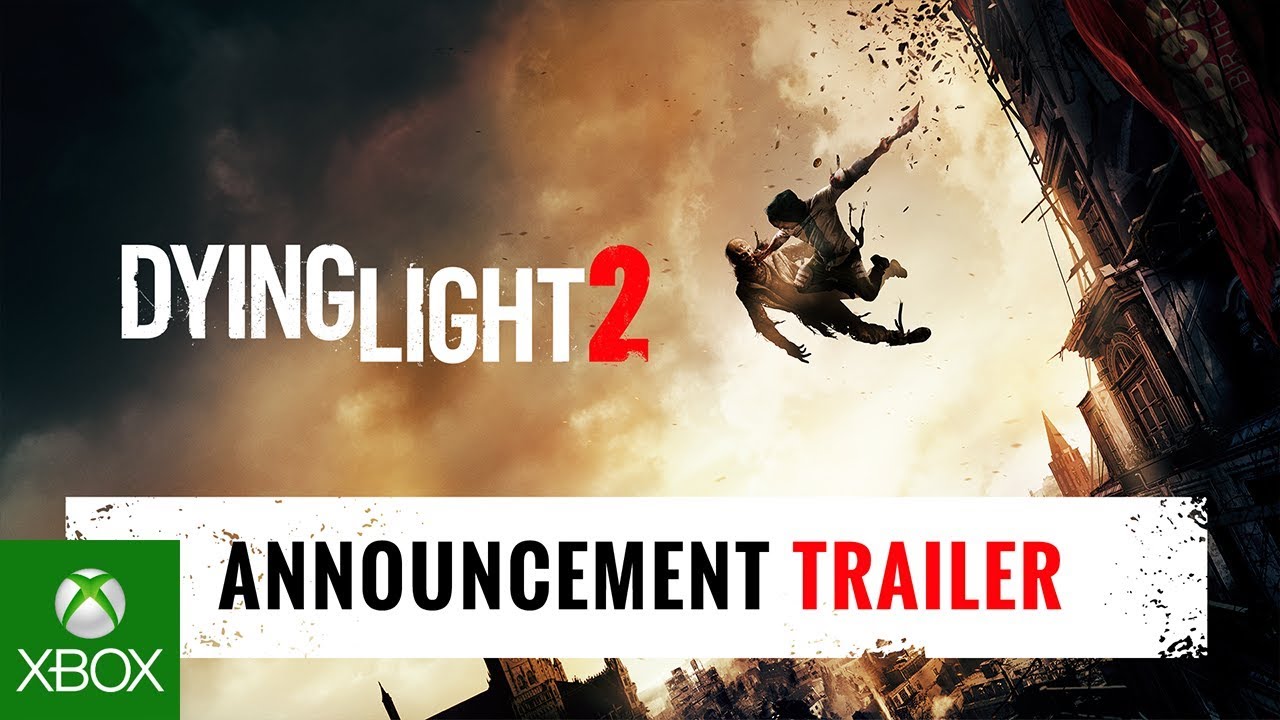
Chris White: Sure. One way to think about research is not knowing what you’re doing. That’s why it’s called research, right? And given that, there are many ways to approach solving problems that you don’t know how to solve. Sometimes the question depends on the scope of the problem. Sometimes it depends on the maturity of the approaches to solve the problem. Sometimes it depends on the state of society and its ability to adopt and use and afford solutions to problems. And so, at DARPA, the way it’s approached is by identifying the problem first. And then understanding how to organize money, technology, talent, people, organizations… to best execute against solving that problem. And that usually means that you assemble lots of different kinds of people, as opposed to a classical view of research from the academic point of view where you study a problem, you write papers that are reviewed by your peers, and you advance the field by that kind of approach. In the projects kind of approach, you bring together people with different skills, and then you organize them to approach a problem with larger scope than you could address as a single person. And the hope is that you can do something impactful.

Host: Yeah. Do you find purchase with that method, as they say in the academic world?

Chris White: Well, for sure. In my world, we work on data analytics. We work on how to enable people to interact with computers to make decisions from information. We want them to have help from AI. And we focus on how to help them organize and structure information, and how to help them interact and visualize that to make decisions. To do that, requires people with different backgrounds. It requires user interface application developers. It requires big data distributed computing developers. It requires people familiar with machine learning and artificial intelligence techniques. Any one of those people can address part of the problem, but to address it end-to-end requires organizing them together. And so, that’s the projects approach we take here.

Host: OK. Let’s talk about data science, write large, for a minute. The massive amounts and multiple sources of data that we have, today, have prompted a need for big data analytics and data visualization tools. So, what are the specific challenges of big data problems, and how are you tackling them?

Chris White: Well, “big data,” much like “artificial intelligence,” are terms that are vague. In fact, they don’t mean anything. Neither big nor data. They’re not qualified. Just like artificial intelligence. And so that’s good and bad. You know, it’s good because there’s a movement. That movement has funding and interest from policymakers. It has the need for understanding implications. But that movement is still very large and very vague. And so, I think about big data, really, in terms of publicly accessible information, as a starting point, because that’s something that people are familiar with. They’ve all gone to a search bar. They’ve all issued a bunch of queries. They’ve all had a bunch of browser tabs open and had that familiar feeling of, gah, there’s just like a lot of information out there. How do I find what I need? How do I organize it? And when that problem is a business problem, it’s even bigger. And so, I think of it like that. Sometimes there’s images, like an iceberg, where what you see from a search bar, what you see if you did a Bing search for a product or a celebrity or an event, and you get a list of links and an answer card, they think of that as data interaction. And it’s true, but behind that there’s a lot more. There are databases. There are APIs with streams like Twitter and Facebook. There are public records from FOIA results. There are all kinds of things that you have to have a different kind of skill to access. And a lot of the big data approaches are how to use technology to access that information, and how to present it to people so they can make use of it. One way I think about it, sometimes, is I go all the way back to the beginning of computers. 1830s. Charles Babbage is envisioning a computational machine of some kind. In the end, one gets built. He calls it “difference engine.” And really, that was an engine that let you compare numbers. But what is happening now is the same fundamental operation of comparison, but it’s not zeros and ones. People want to compare concept-like entities. They want to compare events. They want to understand the reaction to things, and those are the kinds of questions you can answer with big data. It’s not a fact. It’s more understanding the situation, understanding what’s happening, who’s involved, how to do the analysis. And those are the empowered abilities we want our users to have.

Host: What’s your particular focus in the machine learning space?

Chris White: Right, so. I view the process as one where people are more or less doing the same thing they’ve always been doing in the world. But what’s changed is now we have lots more partial and noisy observations about behavior. And with that, we can start to infer what was going on and what to do about it, what’s changing. And so, we view that process through the lens of data analysis. How do we take in lots of partial, noisy observations from streams of sensors like social media, like news, like webpages and documents, internal reports, measurements of various kinds, to organize them in a way that lets people understand what might have been going on and to understand what might be related, and what they might be able to do about it? And so, employ methods of graph analysis and graph statistics to posit a data-generating process that we can measure, and then to evaluate that as a good representation. And then to bridge to the user, we find that that’s not enough. So, we need ways to visualize and explain it. Those require advances and inventions in that visual space of representation and in the space of interaction. And so, we have focused in that space as well. So, I say that in a way my home is in machine learning and information theory. And I’m a tourist in the HCI space. But really now, there’s like a second home. When I went overseas, I was there to do a machine learning problem. It turned out that I needed to do visualization and HCI, because people wouldn’t use the results if they didn’t understand them. People wouldn’t take advantage and take action on information if they couldn’t interrogate it. And so, very quickly, that process of visualization, of interaction, of application development, became as important, if not more, than the machine learning algorithms to transform data into a data structure for use. And so, we continue focusing on advances in modeling that are more realistic, that are more efficient, that are more expressive, as well as advances in HCI that are more representative, that have more points of view for interaction, that allow for different kinds of users to understand things more quickly, to have less training material and tutorial. And those are the basis for our research.

(music plays)

Host: Let’s go back a little bit. You have a fascinating background. Talk about that for a minute.

Chris White: Well, I grew up in the Midwest, in Oklahoma, and focused on electrical engineering, and over time became more and more academic and got a PhD and did a postdoctoral fellowship, was planning to be faculty. That’s kind of what you get taught to do when you’re in that kind of schooling. And I got approached to work on this very short-term project in Washington, D.C. And I said, “No thanks.” I was really enjoying the summer in Cambridge. I got asked a second time, said it was good for my professional development. I said, “That’s great, but no thanks.” And then the third time as kind of a personal favor, and so I said, “Yes, of course.” Turns out I went down for one week. One week turned into two weeks. Two weeks turned into three months. And instead of going back to Harvard, I went to Afghanistan. And that began a very odd detour into fieldwork, where the reality of people using technology to understand information and make decisions really dramatically affected me and the way that I think about problem solving and the way I think about research. That led to several years of understanding and fielding technology for use in the Middle East, understanding how people adopt technology, what they need, how they prioritize their problems. And then all of those lessons got to come back with me and be part of major investments for DARPA. That included XDATA, which is a program that was part of President Obama’s Big Data initiative. It was the lead project for DARPA. And Memex, which is titled after Vannevar Bush’s famous article, As We May Think, where he anticipated Wikipedia and hyperlinks, and he describes this machine called a Memex that lets you dig into information and make sense of it. And the Open Catalog, which lets us publish and share the results from research funded by taxpayers at DARPA.

Host: Nice.

Chris White: In all of these, my view is that if we’re investing taxpayer dollars, unless there’s a compelling security reason to keep something secret, we should make it free and easy to access. And those projects – those were opportunities to invest in small companies, large companies, universities, to bring both general purpose technology, but then to bring it together to solve important problems like human trafficking and terrorism financing.

Host: Let’s talk about that for a minute. You went from doing military work in Afghanistan to digital crime fighting. Can you talk about that era of your life for a minute?

Chris White: Sure. Many of these technologies, data analysis technologies, machine learning technologies, human computer interfaces – these are very general. Again, they’re almost like utilities from my point of view. That’s why having them as open source projects makes a lot of sense to me, or having them as low-cost products makes a lot of sense to me. And the observation coming back from Afghanistan was that many parts of the government had similar problems. And there were many law enforcement and related organizations that had similar problems. And so, we decided to pick a few of those and focus on them as applications, knowing that if we could address those as well as build general purpose technology, then other people might help apply them to other problems. And coming from the government to Microsoft, there was a real opportunity. And therefore, we thought, this a great place to work on that problem. We have a digital crimes unit. We have the ability to apply those techniques we’ve learned. And we have the technology platforms that Microsoft has. So, we took a shot at it.

Host: And?

Chris White: Well, the first problem we worked on with the digital crimes unit was a cousin problem to ransomware. There’s a version of that problem called tech scams. And it works like this: you’re on your computer, and either you click on something or you get an email or somehow your computer gets into a state where there’s a popup that says, whoa, hey, you have a virus. You need to call tech support. And here’s the number. Call it. Now, first of all, none of you should ever do that, ever call tech support if you’re prompted to from a computer. It doesn’t work that way, and you’re going to get in trouble. We get tens of thousands of complaints, in writing, a month where people say, there was this thing that popped up on my computer. Popups, popups, popups, popups, wouldn’t go away, wouldn’t go away, wouldn’t go away, couldn’t delete it, couldn’t get rid of it. And then what happens? Have to buy security software, have to give credentials, have to lose control of the computer, someone using it remotely. All these kinds of things. And it’s just a difficult situation. And so, this problem, it’s pervasive. It’s something like, you know, one in twelve people that were interviewed had this problem happen to them, and of those, many of them were ensnared. And so, we took on this problem and the way we approached it was by building a web-scale crawling architecture to find where all of these scams are happening on webpages anywhere.

Host: And this is not easy?

Chris White: No, this is at the same scale as crawling the web to build a search index. It doesn’t have the same difficulties in one sense because you’re not enabling millions or billions of people to access that simultaneously, which is a very hard operational problem. You’re talking about, instead, the analysts at the digital crimes unit or the Federal Trade Commission that we cooperate with, or other internal groups. So, it’s a smaller number of users, but the size of data are still very large…

Host: More needle in the haystack kind of problem?

Chris White: Yeah, it’s… exactly. It’s more targeted. And so, with this problem, it’s a crime problem, but we need something that people can use. How can they understand the vastness of this tech scam problem? How big is the problem? Where is it occurring? How many scams? How organized are the scams? These are the kinds of analysis questions that one can answer with big data access and these kinds of tools. But we have to build them. And so, we built a web crawling, distributed, back-end infrastructure that would find where these scams were happening online. One of the challenges was to find them as they were happening and to capture that, because one detail around law enforcement and digital crime is you have to have evidence. By building the ability for people to organize this kind of content, organize it with provenance, with comparability, with the ability to query and reason, we were able to then start to build tools that analysts could use. The second half of that problem was, okay, now we maybe have found all of this content. Maybe we’ve started to use machine learning and artificial intelligence to structure it. How do we make that available to people? How do we make that artificial intelligence visible and useable? Well, we have to build a bridge. And that bridge is through user interfaces or through HCI approaches in general. And so, we had to build many of those and organize them into an application and make that available to these analysts. The outcome, though, was satisfying. The outcome was that we worked with the Federal Trade Commission on Operation Tech Trap last year. We were able to supply them with the appropriate and relevant information to contribute to indictments. And they levied several indictments and raids. One of them involved a group in Ohio that had been defrauding 25,000 people of $40 million dollars. So, the ability to go end-to-end, to identify the problem, to organize the technologies to find relevant information, to make it accessible to an analyst, and then to matriculate those results into action, that, to me, is the real challenge of the modern era of computing using data and evidence-based decision-making. And so that’s why our research focuses on both that organizational aspect, but then also, how do you present it? How do you make it navigable? How do you make it understandable and cheap?

Host: It seems like it would be satisfying as well. I mean, you’ve got all of it, this huge problem, and then the outcome is good. People were able to catch the bigger fish using those kinds of tools.

Chris White: Absolutely. With those tools, those are the kinds of questions you can ask. What is the biggest fish? What is the most recent fish? Using that to stay ahead, and work at the speed and scale of those that are doing exploitation, that’s the opportunity. And we’re in a good position to do it.

Host: So, let me ask you this, because it sounds like you’re matching wits. I mean, the people that are doing these scams, do they employ guys like you, to do the bad stuff, and then you’ve got this cat and mouse game of who’s going to stay ahead of whom in the big tech picture?

Chris White: One of the lessons I learned in Afghanistan was that people are capable of a lot. People see movies, they read books, but very few people really are exposed to what humans are capable of doing to each other and for money. And so, the problem you mentioned, this problem of keeping up with the adversary, is also one of the limitations of the work that we’ve done with the digital crimes unit, is that it still has a little bit of a whack-a-mole kind of approach for trying to fight crime and catch bad people. And that is useful, for example, it’s useful for deterrence. It’s useful for characterizing the problem. But it has limitation in terms of the long-term-ness of its impact. And so, from my point of view, the other reason we focus on the general purpose-ness of the technology is because the real impact in those problems is likely to be won through economics, through understanding how people are making money doing this stuff, and how to then use that as a way to approach a more systematic way to deal with the problem. And so, given all of that, to me, it allows us to talk about beyond the whack-a-mole approach, beyond the case-by-case approach, because if we think about how spheres of influence, like cyber and information, are being used systematically, then we can start to approach them with tactics and understanding. For example, if we now see that there are organizations that are trying to influence groups of people, we can ask questions like, how long does that take? What kind of measurement system would we need to understand that? And if we had such a system, such as big data and technology measurement system, how might we use it to protect ourselves?

Host: It sounds like new fronts and new frontiers.

Chris White: Well, I think what we’re seeing with the rise of the cloud, and with the pervasive increase in sensors collecting and storing information, is we’re seeing how people are starting to use that. And in the end, a lot of this really is about people, and the way they’re using it to make money and exploit each other is something that’s really happening. Just like people are also using it for business purposes, for normal everyday life, for just getting their work done. And so, we so have to acknowledge that and make sure that we can protect our platforms as a company built on trust. As the “designated driver” of the IT industry, as being recently reported. And then, at the same time, when we do see these things happening, how can we make sure to empower the people that are protecting us with the tools they need to make decisions using information.

(music plays)

Host: You’ve been called “The Man Who Lit the Dark Web.” Despite the sensationalism of that headline, how did you do that? How did you light the dark web? I mean, what was the context of why they said that, is a better question?

Chris White: Well, as I mentioned, with big data in general, and the rise of publicly accessible information, and the way it’s being used now for both exploitive purposes as well as constructive purposes, we were trying to understand the right place to start applying the technology we were investing in from DARPA’s point of view. And we looked around, and we found, to our surprise, that there was a tremendous use of the internet, and communication networks on the internet, as a mechanism for connecting buyers to their products, where the products were people. And that’s the way I talk about it, because in the end, it does seem to be a function of economics, that there is a demand for products, and they’re willing to pay for them. And there is a supply, and those are people who are willing to take risk from law enforcement in order to make money meeting demand, and the way that the internet is used for advertising and connecting the buyer and the product is where there’s both an opportunity, as well as a use that seems suspicious. And so, when people are going online, and they’re doing these searches, some of them are not looking for anything in particular, and then those that are trying to look for something a little bit more risky, or a little bit more dangerous, start to find places online where they are sought out. And so, our view is that these places that are before them, a place where you could operate with relative impunity, because no one could see what you were doing… If we could start to make it available for people to see what you’re doing, even without judging exactly whether what you’re doing is good or not – because that’s what our, you know, legal system is for is to help us make arbitrary distinctions – that at least then people could have the evidence to know what you were doing and then decide whether it’s worth prosecuting under our legal system or not. And that was the big opportunity, it was that this darkness of different types of networks of web pages, of usernames and large databases of FOIA documents and leaks, this darkness was something, where if we could make the information within it visible to regular people, subject matter experts, then maybe they would do something about it. And so, we took on the worst of the worst: people who were abusing children and who were abusing women and men in labor and sex situations. And they were doing it a lot. And without really much consequence. And so, that was why we picked that problem, and I think that we had a good impact, although there’s still a lot of work to do.

Host: I really like the framework of illuminating. Simply by putting a light on something, and then allowing people to discern and follow up if they can. Right?

Chris White: Oh, for sure. Well, and when things are dark and when things are vague or unknown, they can be scary because you don’t know their qualities. And once you start to make something visible, then you can operate on it. You can ask questions like, okay, we’re in, you know, New York and we have a special victims bureau, and there are 500,000 ads for sex in a year in this jurisdiction…

Host: Unreal.

Chris White: How do we prioritize who to go after? How do we complement that work with work in domestic violence? How do we understand what hospital staff are needed, what victim outreach services? These are analysis questions. Analysis questions require the granularity to answer them, and from our point of view, a lot of that was available online. And so, if we could enable people to have access to it in an understandable way, then they wouldn’t have to make those decisions by gut instinct or by precedent or by highest paid opinion. They could put it into a framework that let them evaluate it. And that way it wasn’t even forever. They could make a decision. They would then have a measurement system to see the effect of their decision. And then they could decide to keep doing it or not. That, to me, was a much more maintainable, workable situation.

Host: Yeah, and this is a distinctly digital problem. I mean, the ways that people communicated about exploiting people or themselves for money in the past were much more, you know, seeable. And so now what you’ve done is transfer that into this digital realm and you’re doing fingerprint analysis in cyberspace.

Chris White: Absolutely. If we look at parts of the world where physical security is still an issue, you’ll see tall walls and razor wire. You’ll see bars. You’ll see people with machine guns. In the information space, in the cyber space, no such protections really exist, even here. I mean, very few. There’s a large burden placed on platform companies to protect our customers and their data. And for now, if we want to proceed with business, if we want to have a market where people have value assigned to the services we offer, including the trust of our platform, then we have to protect it well. It’s often the case, especially in the research community, that people think of users in terms of “novice” and “advanced.” I just think that’s the wrong approach. There are not novice and advanced users. There’s really technical experts and domain experts. And domain experts know a lot about what they’re doing. They know the patrol. They know their patients. They know their company. They know the issues. They may not be comfortable with random variables, or different AI techniques, but they certainly have been doing something well for a while. And those are the kind of people that we have to enable, that we have to protect, we have to provide information to. And understanding that, then, also affects research, because you then design and build for those people, not just based on what the literature says is an innovation.

(music plays)

Host: Let’s talk specifically about how the background you brought, the same fundamental technological thinking but applied in different areas. And so, it’s been useful in law enforcement, useful in the military, useful in digital crime. How is it playing out now?

Chris White: Well, our approach to applied research is to take a look at organizing data on one side, creating data structures, using graph modeling, graph analytics, graph statistics, using natural language processing and computer vision… basically turning streaming access points of unstructured information into a data structure that one can work with, and at the same time, bridging the gap to the user through user interfaces, through HCI that has AI enabling it. That combination is possible partly because of our cloud, but also because of Power BI. Power BI is an Excel-like took for business intelligence, ostensibly, but it’s grown, and growing, into more of a platform for data analysis. The business intelligence community was one that had a “dashboard approach” to looking at graphs of numbers and status updates. But it also was a marketplace where people were going to be doing more complicated kinds of analytics. And so, we used that as our approach to organizing our research. And so, we decided that we could take that business intelligence market and expand what that meant, so that it didn’t just mean tables of numbers, but it meant metadata and graphs and steams of content. To do that, we took the two areas of our research, streaming graph analytics and visual analytics with user interfaces, and we built them into Power BI. We built them by enabling end-to-end processes that would transform data using AI techniques, and we built them using new visual representations for interacting with content. That was something that allowed us to bridge the gap between the abstract notion of AI, the API notion of AI, the algorithmic notion of AI, in more like a real application experience. And the outcomes were quite useful. It was a way that we found to take the abstract notion of AI and make it approachable and workable with something that you can download and see and start to work with. But one part of the impact was, to me, very important: if the thing you’re building in research can only be used by a Fortune 10, and costs millions of dollars, and requires a PhD in computer science, then there will be limited impact by definition, almost. If, instead, we want to enable a billion people, how do we get a billion people to understand how to use data? It’s got to be cheap and it doesn’t require a PhD in computer science. And so, to me, that outcome, while it seems like an economic or a business issue, is actually to me a research issue because it helps confirm that, as a priority, we can still build useful things, but have the constraint of low cost and ease of use.

Host: I’ve heard Microsoft Research described as a values-forward organization, and I hear that over and over when I talk to the researchers in this booth. It’s interesting where you can marry business interests with global good interests. How could we move toward making sure those two stay married?

Chris White: Well, my dad always tells me that our goal is to do well by doing good. And with Microsoft, there’s the opportunity, because of its position in the marketplace, because of its size, where things like trust, things like responsibility, those things are core to our business interests. They’re not just company values. But for me, you know, on the research side, I often ask researchers, you know, what’s a high-risk project for you? Like, how do you think about risk? Because to me, research is where you should take risk. Which means that you should do things that product groups can’t do, can’t afford, is not on their roadmap. If we take research, what we can do is we can take risk and then we can, if successful, make sure that the rest of the company benefits. And so, this problem of, how do we do well in the world, how do we address impacts to society, how do we approach problems that may have a non-market value at first – well, research is a great place to take that risk, because, when successful, it helps the company in many ways. And there’s room for all kinds of people. Sometimes I think about complicated research as like baseball pitching, where, with baseball, occasionally, one person can pitch nine innings and succeed, but often, you need three pitchers: a starter, a middle reliever, and a closer. And they often have to have different skills. And so, in research, the starter, these are people that have really original ideas that are groundbreaking. You know, people like Yoshua Bengio, who works with us on deep learning. They set the field for everyone else to work in. Middle relievers, they take work and then they advance it to a usable degree, maybe. And then closers, they have to have the patience to deal with the tediousness of deployment and fielding, and the reality of operations, right? All those skills are very necessary to stay innovative and so, we need those different people. And so, to me, having a large research organization, almost an institution, comprised of these different kinds of people, is the best chance we have to stay innovative, to stay on the edge of what’s relevant of society, and to make sure that Microsoft has businesses in the future.

Host: Proving once again that there’s a baseball analogy for everything. Listen, I ask all the researchers that come in this booth, what keeps you up at night? I’m not even going to ask you that question because most of the stuff you said at the beginning keeps me up at night. But I do want to ask you, as we close, I wonder if you could give some advice to aspiring researchers who might look at you and say, “What should I be thinking as I plunge into what I’m going to do after my PhD?”

Chris White: Right! My point of view is that being flexible, being relaxed, having an open mind, that those are really important characteristics. Right before I went over to Afghanistan, there was this former 3 Star General, and he told me a piece of advice. He said that when I was in charge, if I were organized, if I was on top of the situation, then I could really see an opportunity walk in the door. I could see it, I could take advantage of it, and I could execute on it. But if I was too concerned with my position, with my career, with what I thought of myself, with my identity, then I would miss them. And I really took that to heart. And it’s not that there’s one way to approach any of these things. But I do think that, given the pace of technology change in computer science, and given the role that’s changing between companies, governments, and academic institutions, that it’s very important to have that kind of flexible attitude, because the thing that you studied for a long time might be irrelevant in three years, and the locus of action might change for one kind of institution to another. And so, my point of view is to roll with that and to take advantage of those opportunities, and then to try to make it about the work. Because when I make it about the work, then it’s not about me, and we can debate about the work in ways we can measure. And then other people can contribute things, and if no one cares where that comes from, then the work can proceed. And that’s, to me, also why I left DARPA. I wanted to make sure I could leave in time for the work to survive my own point of view, because if it were good enough, then it should. And if it requires a single person’s personality or oversight, then it’s fragile. And so, I would encourage any perspective researcher to take a broad view of research and to avoid getting stuck too much on how they think of themselves and their career.

(music plays)

Host: And to say yes on that third ask.

Chris White: Yeah, “Yes and!”

Host: Yes-and. Chris White, it’s been a delight. Thank you so much for coming in and talking to us today.

Chris White: Happy to. Thanks for having me.

Host: To learn more about Dr. Chris White, and how data science, AI and the cloud are solving big data problems at scale, visit Microsoft.com/research