Red Dead Redemption 2 Contains A Nintendo Switch Controller Image
Everyone knows that the Switch isn’t quite as powerful as the Xbox One and PS4, which makes it easy to keep expectations in check when it comes to multiplatform ports. However, the arrival of games like Witcher 3, Overwatch and Wolfenstein II has emboldened Switch fans, who now know that – in the right hands – the console is capable of hosting perfectly satisfactory replications of these amazing titles.
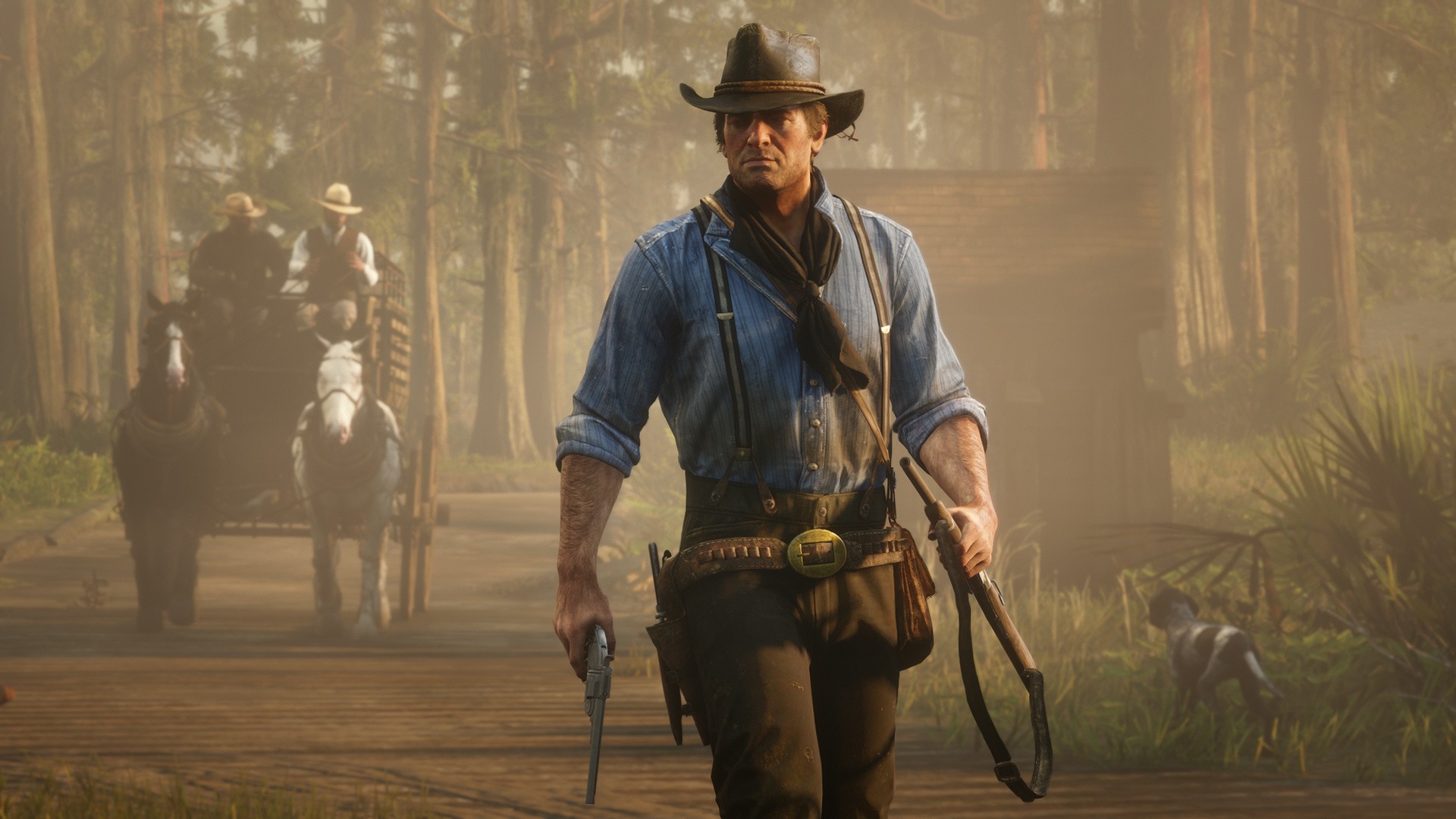
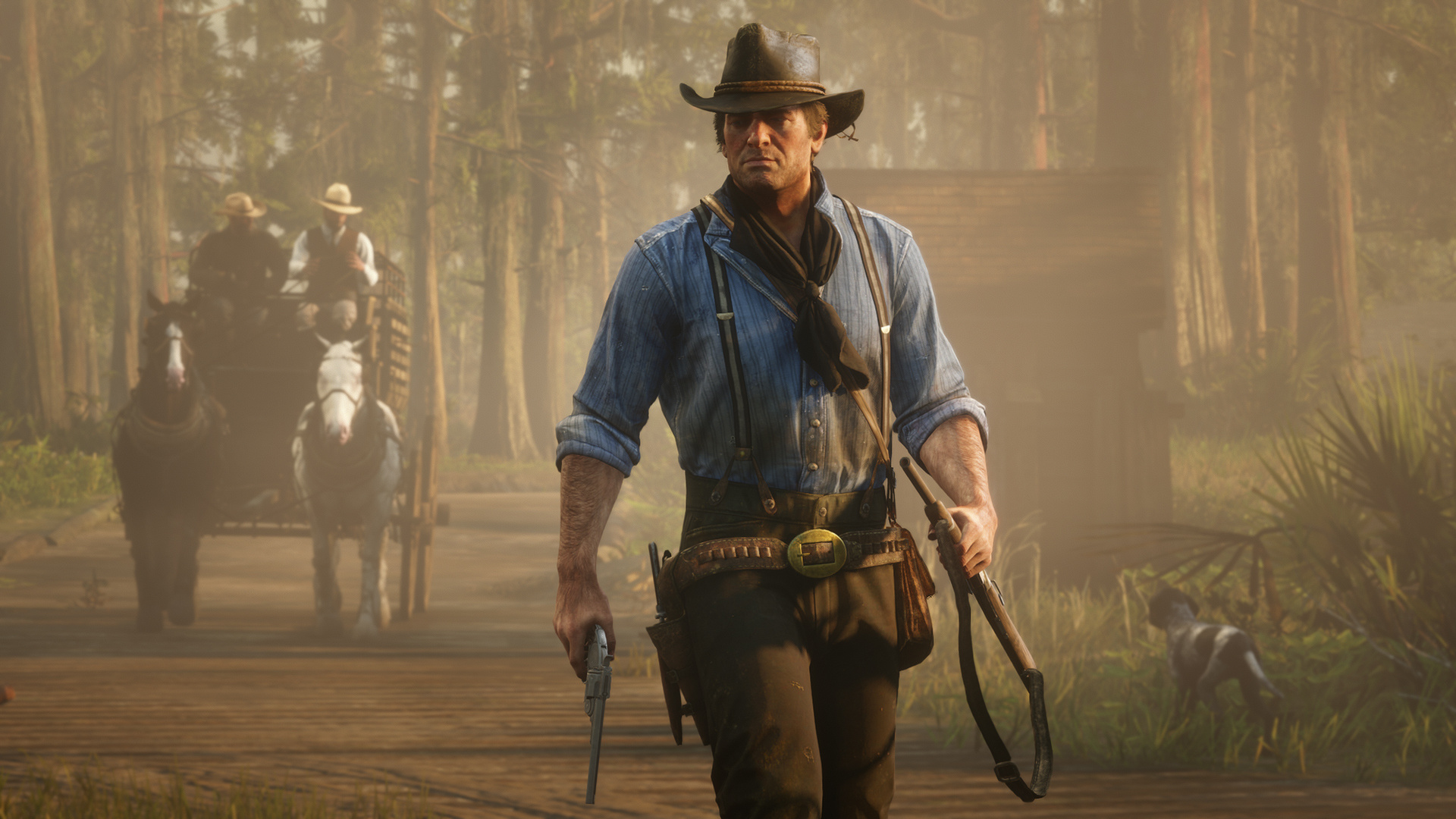
If you were to ask Switch fans what game they’d like to see ported to the system next, then Red Dead Redemption 2 is likely to be quite high on the list. Rockstar’s epic Wild West action title would be quite a challenge to cram onto Nintendo’s hybrid console, but a new find has triggered speculation that it could well be happening.
Twitter user TezFunz2 has been digging around the game’s files and has discovered an image of the Nintendo Switch Pro Controller:
Does this mean that a port is in the works? Or could it simply be that Rockstar is planning to bring Pro Controller support to the PC version in the future? Could the Switch even handle a game of Red Dead Redemption 2’s scale and visual scope? Which studio would handle such a tricky job?
Best Of 2019: In Praise Of Save States, Rewinds And Walkthroughs
Over the festive period, while we were still digesting our turkey and recovering from Christmas, Twitter user Mike Matei posted the following tweet:
As you might imagine, it blew up. Some people sided with Matei, but the vast majority seemed to feel it was being rather unfair on people who make use of save states and rewind functions. We’ve decided it’s the perfect time to republish the following feature, originally written in May 2019, as part of our ‘Best of 2019’ series. Enjoy!
The year was 1991. My dad had gone to now-defunct UK electronics retailer Dixons and purchased a Sega Mega Drive with Castle of Illusion for the princely sum of £144.99; I know this because I still have the receipt stapled in the console’s manual. Beyond a dusty Atari 2600 which resided at my grandparents’ house, the Mega Drive was our first console and Mickey Mouse’s adventure was a fine introduction to video games. With SEGA dominating the UK market at the time, there were plenty of other games I had my eye on. Sonic was an obvious choice, and Golden Axe looked amazing to my impressionable childish eyes. I laid out my proposals for our next potential purchase and one day dad came home with a brand new game tucked under his arm. Could it possibly be? Would I be cutting my way through the evil hordes with a heroic weapon, sharp and true?…
Not exactly. Unfortunately, my old man had bought Sword of Vermilion and my disappointment was impossible to hide. He’d apparently been impressed by the label on the box advertising ‘5 MEGA MEMORY with battery backup’ and ‘106 PAGE HINT BOOK INCLUDED’. Yes, the game boasted three save slots! That was impressive at the time, but hardly enough to excite a kid eager to hack and slash with a golden axe.
I played it, of course – any video game is better than no video game – but an RPG wasn’t what I was after and I was a bit too young for it. The comparative complexity of the game coupled with my apathy meant I never got far, and over the years it grew in my mind as a mountain; forever there, taunting me with its stupid save slots, primitive first-person dungeon sections and random encounters.
So, feeling I had a score to settle, a few years ago I decided to go back and conquer it. Traditionally I would have bristled at the idea of using a guide, but this one came with the game itself and that somehow legitimised it. In my head I had to beat this game ‘properly’ or not at all and for a long time I’d seen save states as a easy way to cheat your way to victory. No, I was going to summit this peak without any of those ‘cheap’ aids!
The problem was that Sword of Vermilion is filled with random enemy encounters and the reality facing me was stark: either use save states or never find the time to finish the game. Faced with that choice, I ultimately decided to use them, and I was very glad I did. While not a classic, Sword of Vermilion has some great writing, atmosphere and music which I’d have missed completely had I been too stubborn to use the mod cons retro gaming benefits from these days.
This got me thinking about my instinctual reaction that save states are somehow a form of ‘cheating’. The obvious convenience of them still rubs up against my old-school sensibilities now and then, although it’s odd that I didn’t consider the guidebook or the save slots in the game itself to be ‘cheap’.
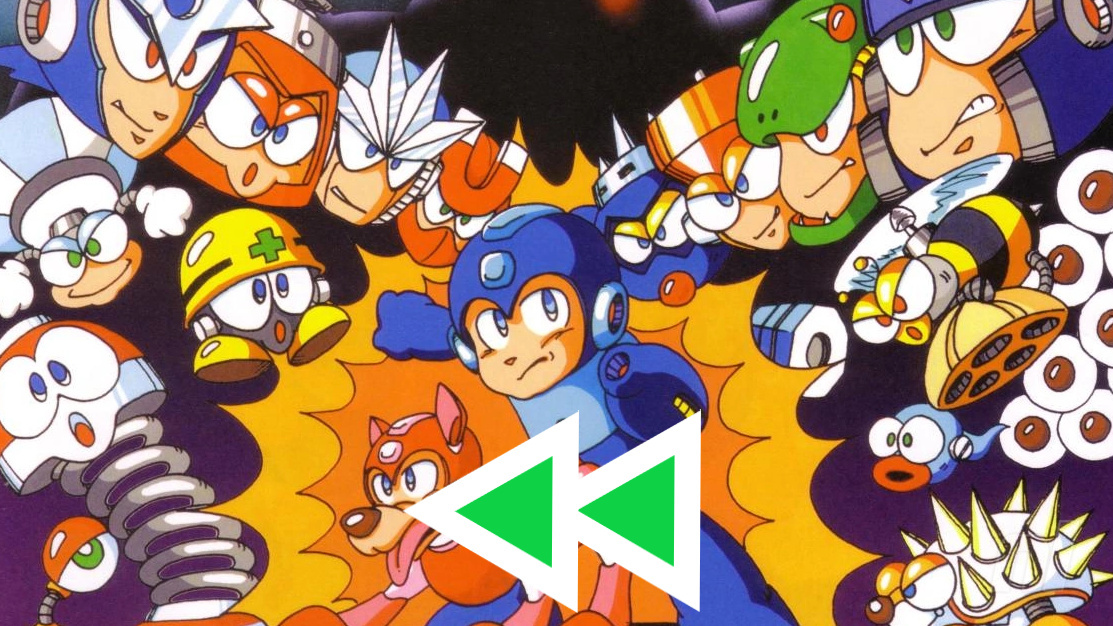
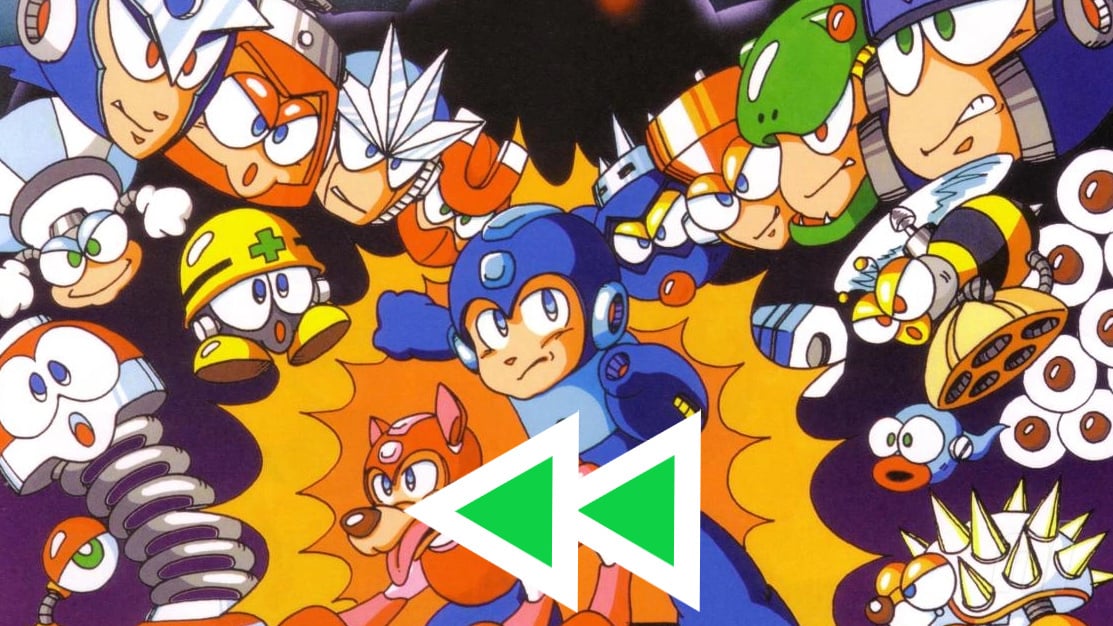
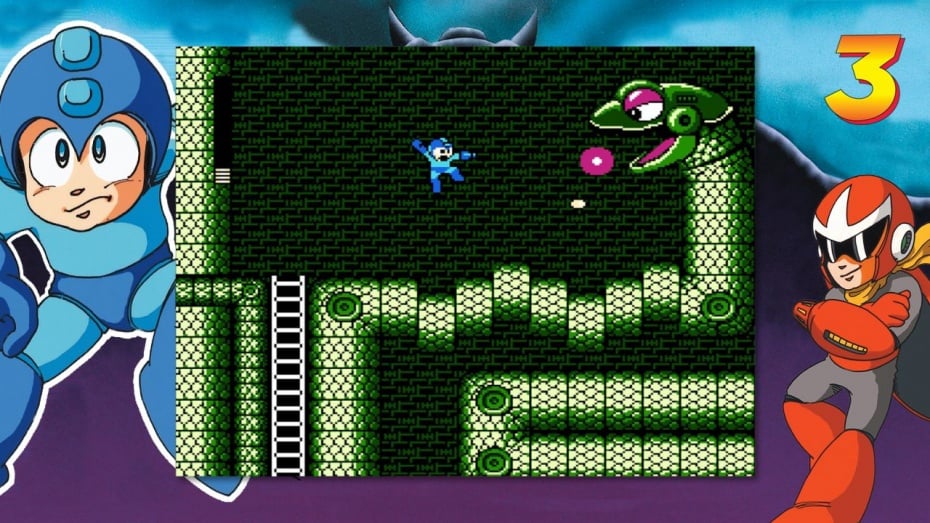
No developer would dream of re-releasing a classic title now without some concession to convenience. All the NES games included with Nintendo Switch Online or the Classic Mini consoles have up to four ‘suspend points’ to use, and so they should. We’re seeing time-saving systems coming to more and more games, both old and new. Rewind features can be found in games as diverse as Forza Horizon 4 and the Mega Man Legacy Collection, and they’re a godsend in modern times with so many games and so little time. They’re especially helpful in titles we’re playing for ‘historical’ value. You might be playing through one of those Mega Man games simply to ‘complete the set’, so to speak, even if you’d maybe prefer to be playing another one in the collection. There’s often a strange allure to certain games; significant artefacts that we feel we ‘should’ play, even if we’re not naturally drawn to them.
Ticking off the last few Zelda games I’d missed is one example that comes to mind. I’d never have had the patience to go through The Adventure of Link without save states but, again, I’m happy I did so. The Oracle games dragged a bit and I probably should have taken a breather after the first one, but carving out time to play them on original hardware is tough these days – save states on 3DS meant I could play and enjoy them in a much shorter period.
Castlevania II: Simon’s Quest was something else I felt ‘obliged’ to play. Natural curiosity aside, I often felt a certain ‘duty’ to expand my knowledge of the medium even before I wrote about games for a living. It’s the same with any artistic medium – literature, music, cinema – and I wanted to gain a more rounded sense of the Castlevania series. Like visiting a museum, there’s a wealth of information and context to help you understand modern mechanics, not to mention old games are often fun!
Simon’s Quest is notoriously obtuse, though, with some villagers providing false information and localisation errors compounding the confusion. Back in the day these liars helped make sure you got ‘value for money’ by not completing the game in one sitting, but nowadays when time can often be more valuable than money, the game’s convoluted design is a huge barrier to entry. Simply put, I reached breaking point and would never have stuck with the game without save states. They enabled me to spend enough time in the world for the game (and its incredible music) to work its magic. I now look back very fondly on Simon’s Quest – all thanks to save states.
And walkthroughs too! Another self-imposed taboo I’ve learned to overcome, the ability to save snapshots would have been little help if I didn’t know that I had to kneel in front of the cliff with a crystal to proceed. Again, it’s strange that I never considered the ‘hint book’ that came with Sword of Vermilion a ‘walkthough’, simply because it was included in the box, but it’s absolutely a comprehensive guide. No, no, that wasn’t cheating, I told myself. Totally legit. I’m a gamer, me!
Looking back, my mental gymnastics are laughable now, but I’m sure some readers will find those thoughts familiar. It’s not something we have to contend with much nowadays; walkthroughs are often entirely unnecessary with modern games. There are certainly games that buck the trend, but typical AAA releases now are paranoid about losing you to some other game or form of media. If you have to consult your phone to find out what you should be doing, there’s a risk you’ll get distracted and not return, thus newer games have become very ‘hand-holdy’. Old games had your undivided attention, often for hours, days or weeks on end. Unfortunately, I don’t have an entire summer to devote to Final Fantasy anymore. For shame!
I feel a sneaky rewind coming on. No-one will ever know…
It’s also important to remember that all these modern conveniences are optional; the original challenge is there for those who want it. They’re also unique to video games. Want to tick Tolstoy’s War and Peace off the ol’ bucket list? There are very few shortcuts for that one, I’m afraid – perhaps a different translation might shave some pages off, or you could listen to the audiobook in the car. It’s still a hefty investment, though, and the Cliffsnotes version won’t cut it. Save states, rewinds, walkthroughs – these are different. They aren’t abridgements, they simply make the game more accessible to those who need a hand, in a way only interactive media can.
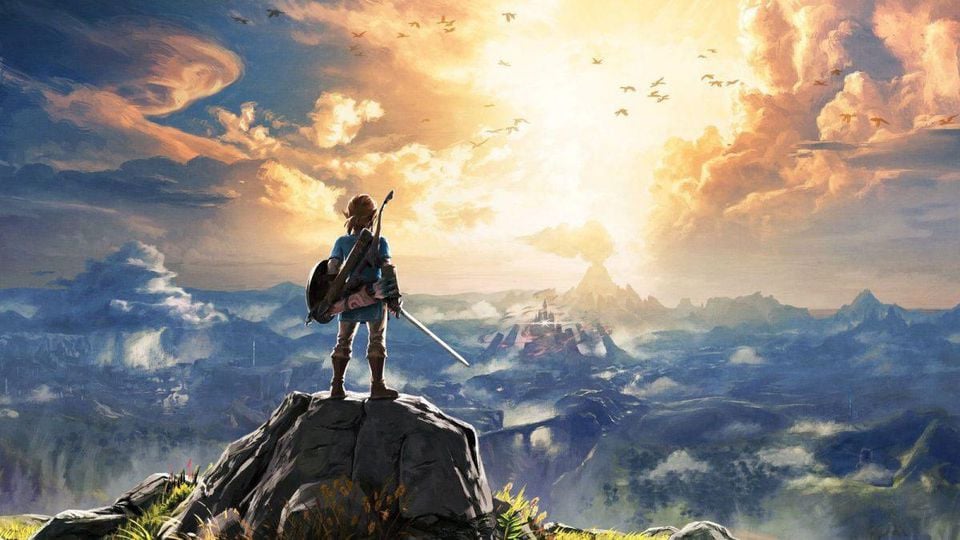
Despite ‘evolving’ to accept and appreciate these modern conveniences, there’s still a remnant of that boy in me that won’t let go of my preconceptions. I’ve found exactly 742 Korok seeds in The Legend of Zelda: Breath of the Wild, and I’d find two or three every time I played the game until recently. Discovering these meaningless trinkets on my own has been an absolute joy as I’ve explored Hyrule, but my last few sessions have been fruitless (or seedless). I’m loath to resort to a guide because I just need a nudge in the right direction, and where’s the fun in simply ticking boxes?
What I really want is for Nintendo to release the rest of the Korok suit ‘set’. Some Korok trousers and a top would combine with the mask and give me the power to identify zones on the map where Koroks are still hiding. Not the exact spot, mind – I’ve got the mask to help me there – I just want to rule out areas on the map, to be pointed in the general direction. I’d much prefer to do it in-game, not sit there comparing my map to an online guide.
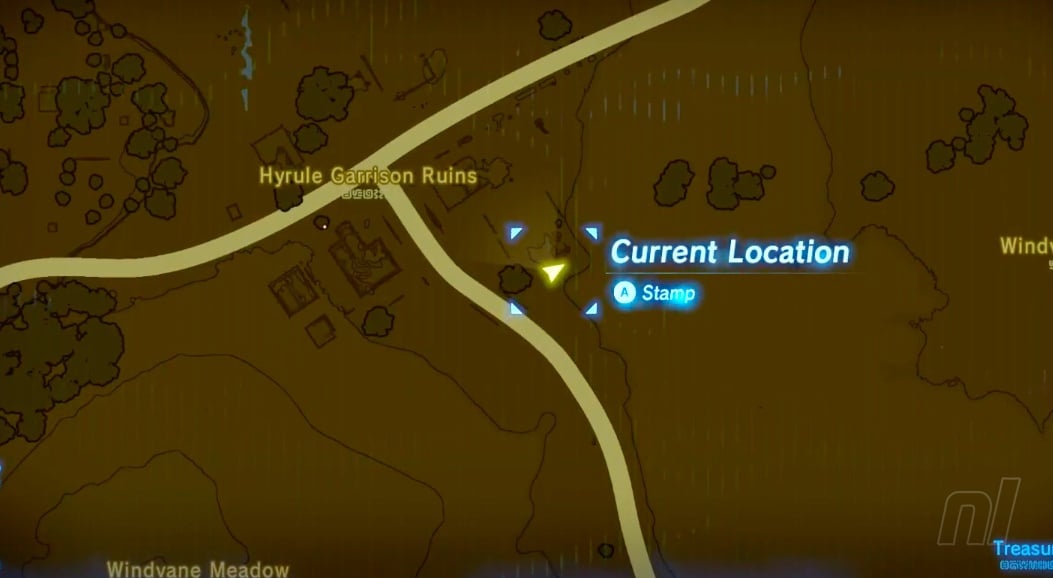
Just letting me know that there aren’t any Koroks hiding in Hyrule Garrison Ruins, for example, would be nice.
Rather than lapsing into my old way of thinking, I actually see this as simply wanting to wring every last bit of enjoyment out of the game. I knowthe reward for finding all 900 is rubbish – that’s not really the reason I’m searching for them. I just want to play the game more and the stupid gamer in me needs a tiny reason to do so. Plus, I don’t want the hassle of scrubbing through videos or navigating through umpteen pages on my phone or laptop to compare my map to theirs. Still, I’ll probably resort to an app or something if I have to.
It took me an embarrassingly long time, but I’ve ultimately come round to seeing these aids as simple tools to help climb retro peaks. They’re not conveyor belts to the top of the mountain, but rather ropes and oxygen tanks and decent gloves to help the ascent. We can look back and admire those who went before us, scaling those heights with nothing but a pair of long johns, a hip flask and a lustrous moustache, but using the modern conveniences at our disposal shouldn’t diminish our achievement or, more importantly, our enjoyment nowadays. The view from the top is the same however you get there.
Overall it’s much better to play with a walkthrough or save states than to never play a game. I’d have missed out on some brilliant stuff, otherwise. With age it’s gotten easier to extract the good bits from any media and not worry about the parts that didn’t work, so if these ‘cheats’ help me do that, fantastic. Fun is the goal, whether that involves dipping into a game for 10 minutes or methodically working through the backlog – whatever makes you happy. For me, it takes discipline and constant reminders that my mountainous backlog is a self-made Everest, just as defeating Sword of Vermilion was. With all the resources and tools at our disposal, it’s never been easier to conquer them.
Have you ever suffered from the same affliction? Are there any personal demons in your back catalogue you’ve taken on in recent times? Share your thoughts on save states, walkthroughs and rewind mechanics below…
Celebrate the Best of 2019 with It’s Quiz Time’s End of the Year Update
What an eventful year 2019 has been! We’ve had black holes, a royal baby, recording-breaking superhero movies, and even more politics than we thought we could handle. At Snap Finger Click, we’re excited to celebrate the end of the decade with a brand new update to It’s Quiz Time. And the best news of all? It’s completely free to anyone who owns the game!
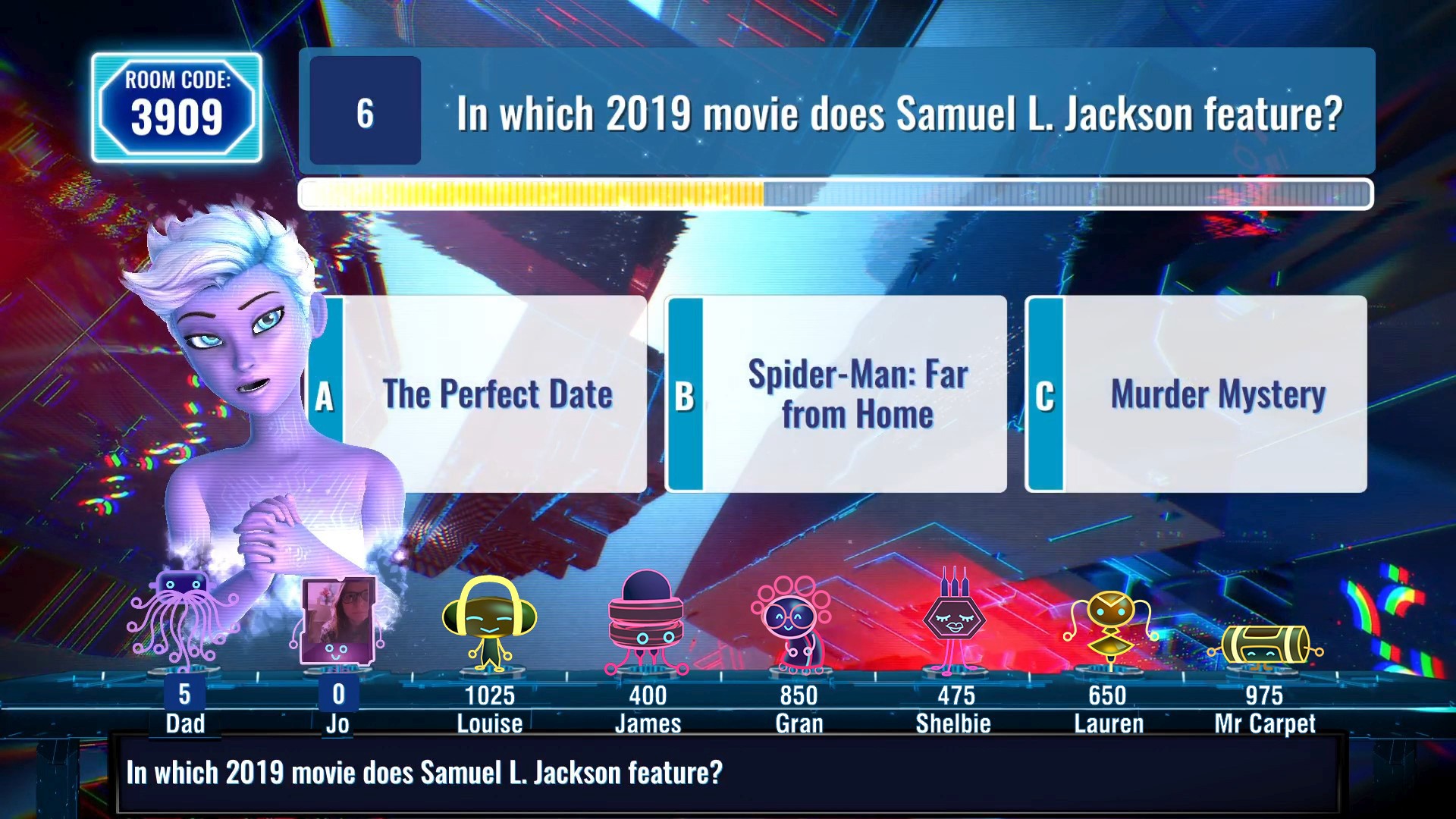
Two years ago, together with our publisher Vision Games, we released It’s Quiz Time, a trivia game you can play with your smartphone hosted by Salli the supercomputer. As a team of former Buzz! developers, we were looking to make an awesome new quiz game that brings people together. It’s Quiz Time includes 11 different rounds, five game modes, integrated streaming features, and a sassy AI host that can say any name and read out any question.
With 25,000 questions included in the game, we’re confident It’s Quiz Time is the biggest trivia game ever released on console. But we didn’t stop there. Shortly after its initial release, we made a special end of the year quiz with questions all about events of the previous 12 months. Since then, we’ve been bombarded with requests to do another end of the year quiz. We know the festive period is the perfect time to gather your friends and family to play games, so we couldn’t think of a better time to release this new update.
From today, you can play the Best of 2019 quiz in It’s Quiz Time featuring questions about some of the most memorable events of the year:
In the 2019 video game My Friend Pedro, what type of fruit is Pedro?
What was named Oxford Dictionary’s word of the year for 2019?
The remix of “Old Town Road” by Lil Nas X and Billy Ray Cyrus spent how many weeks at the top of the US singles chart?
With 800 questions covering a range of topics such as current affairs,
weird and wonderful news items, music, movies, video games, TV, and sports, we
know there’ll be something for everyone to keep you entertained throughout the
winter.
There’s a lot more to It’s Quiz Time than just simple multiple choice. In the Connections round, you can choose all the connecting answers from a big grid. In Matchmaker, you need to pair up the matching elements. When you play Guesstimation, you need to drag along the graph line to find the right number that answers the question. For the Showdown round, you team up together to take down the leader. And every game ends with The Big Finish, a quickfire finale where huge points can be won and lost. Each round is designed to make the most of your smartphone, dragging, swiping and tapping the right answers.
You can play It’s Quiz Time with up to eight players or you can play alone against the AI. As well as playing together in the living room, you can broadcast your game on streaming platforms like Mixer so that your friends can join in remotely.
It’s Quiz Time is available on Xbox One for $19.99 on the Microsoft Store and the Best of 2019 update is available from today and free to download for anyone who owns the game.
Posted by: xSicKxBot - 01-01-2020, 10:47 AM - Forum: Lounge
- No Replies
Video Game Deep Cuts: Anchors, Glitches & Unknown Pleasures
The following blog post, unless otherwise noted, was written by a member of Gamasutras community. The thoughts and opinions expressed are those of the writer and not Gamasutra or its parent company.
[Video Game Deep Cuts is a weekly newsletter from video game industry ‘watcher’ Simon Carless (GDC, Gamasutra co-runner, No More Robots advisor), rounding up the best longread & standout articles & videos about games, every weekend.
The latest highlights include a piece on knowing your game’s ‘anchor’ (as opposed to hook), the best video game glitches of the year, and a piece on the man who made the original Wolfenstein, as well as plenty more year/decade round-ups, of course. Hope you’re having a wonderful holiday so far!
The 15 Best Games You Probably Missed in 2019(Caty McCarthy / USGamer – ARTICLE) “For this list, I’d like to turn my focus not just to indie games of the year that were underrated, but other games that slipped through the cracks too. From the double-A studios to the lone developers, here are 15 games we loved from 2019 that you probably missed.”
He’s Donated $250k to Streamers and Nobody Knows Who He is(theScore eSports / YouTube – VIDEO) “He thought he’d eventually hit the goal, but that it could take some time. But this week, as he was literally saying goodbye to everyone on stream, someone by the name of Fatty Melon dropped a nearly five thousand dollar donation, essentially funding his entire trip.”
Shopify: A StarCraft Inspired Business Strategy (Mike / NonGaaP Thoughts / Substack – ARTICLE) “As a long-time observer of Shopify’s story, I’ve always felt a great way to understand Shopify’s strategy was through the lens of real-time strategy game StarCraft. This is a personal opinion, but I was reminded of “Shopify is running a StarCraft strategy” when CEO Tobi Lütke (who is a big StarCraft fan that has donated prize pool money to the StarCraft gaming scene) recently live streamed himself playing StarCraft and discussing business.”
The Decade In 5 Games(Joshua Rivera / Kotaku – ARTICLE) “This isn’t a list of highlights. It’s not here to remind you of monumental shifts, or of astonishing lows, or wonderful surprises. Instead, its aim is to tell a story. One story, occurring alongside and intersecting with many. [SIMON’S NOTE: a clever alternative view on the decade, part of Kotaku’s overall year/decade in review, which is worth checking out.]
Taking Virtual Reality For A Test Drive(Patricia Marx / The New Yorker – ARTICLE) “Reality being what it is right now, doesn’t an alternative sound tempting? That’s what I was thinking the other day, in my apartment, when I adjusted the Velcro straps on my Oculus Quest, a chunky virtual-reality headset made of black plastic, rubber, and a few billion transistors. [SIMON’S NOTE: a very well-researched 10,000ft look at where VR is nowadays.]”
The best of Unknown Pleasures 2019(Sin Vega / RockPaperShotgun – ARTICLE) “It’s quite strange suddenly being able to talk about games in real life without having to apologise, but other than that it’s nice. In that time I’ve played somewhere around 1,200 to 1,300 games (an exact count is impossible for boring reasons), almost all of them little known.”
Know your game’s anchor(Chris Zukowski / How To Market Your Game – ARTICLE) “I have been re-re-reviewing my Steam research notes on how people buy games and this time something struck me. People rarely site the hook as the reason why they bought the game or wishlisted it. They usually said “because I like the genre” or “my friend recommended it.” Again and again they almost always cited something about what makes the game familiar to them rather than unique.”
Ethics in the Videogame Industry: A Mythbusting and Scientific Approach(Celia Hodent / Gamasutra – ARTICLE) “It saddens me that videogames can have a negative impact on some people’s lives but I’m also frustrated by the fearmongering I’ve been witnessing, most of it with no solid scientific ground. This fearmongering — and sometimes even scapegoating — around videogames can distract the public and lawmakers from identifying and addressing the real potential of videogame play, and tech in general.”
Game Informer’s 10th Annual Glitchie Awards(Joe Juba / Game Informer – ARTICLE) “Most of 2019’s best gaming moments were the result of careful craftsmanship, storytelling, and design. However, some of this year’s memorable experiences had nothing to do with what players were intended to see; they were the inexplicable events and goofy glitches that occur when things don’t go according to plan.”
Radio Ga Ga: An Exploration of Video Game Radio Stations(Jack Yarwood / EGM Now – ARTICLE) “Radio finds itself particularly well represented within gaming, a relationship that likely originated out of a narrative and mechanical convenience. After all, radio can be quite a useful tool for worldbuilding, a way of squeezing a tubthumping soundtrack into a long, laborious trek across a gigantic open-world, and a way of presenting a mystery to the player for them to solve.”
The Video Game Industry Is Over 50: Who’s Keeping Track of Its History?(Patrick Shanley / Hollywood Reporter – ARTICLE) “Ask 10 people when the video game industry first began and you’re bound to get 10 different answers. Was it in 1947, with the invention of the cathode-ray tube amusement device by physicists Thomas T. Goldsmith Jr. and Estle Ray Mann? Was it with 1950’s Bertie the Brain, often cited as the first “computer game,” a virtual version of Tic-tac-toe developed by Canadian engineer Josef Kates?”
Adam Conover’s Top 10 Games of 2019(Adam Conover / GiantBomb – ARTICLE) “Sorry Bandersnatch; Sam Barlow’s Telling Lies and Her Story are the only FMV experiences I’ve ever enjoyed, not because they allow you to “choose your own” narrative–a mechanic which hasn’t been entertaining since I was eight–but because they gamify the experience of exploring an expertly-woven narrative. [SIMON’S NOTE: the personal GiantBomb charts – from so many interesting people – are my favorite ‘top game’ lists of the year. Here’s a master list (scroll down to ‘guest lists’ – there are SO MANY – or poke around here to browse.]”
Game Hihyo / Game Criticism Magazines(Hubz / Gaming Alexandria – ARTICLE) “This potential for conflict of interest eventually led to the staff of Game Criticism creating their own magazine, one that could be openly critical of video game companies, as they felt that being unable to criticize advertised games wasn’t a healthy publishing environment. Game Criticism’s mission statement — not publishing ads or taking money from game companies — was touted on both the front and the back of every issue. [SIMON’S NOTE: this is fascinating Japanese game media history that I had no idea about.]”
The 10 Best Buried Treasures Of 2019(John Walker / Buried Treasure – ARTICLE) “This is my personal favourite games you might have missed in 2019, based on what I was fortunate enough to stumble upon. I will absolutely have missed out wonderful games because I either never played them or just forgot. That’s OK. It’s OK. [SIMON’S NOTE: from John Walker’s handy new site, which has a Patreon.]
Video games are dividing South Korea(Max S. Kim / Technology Review – ARTICLE) “In 2002, another psychiatrist estimated that 20% to 40% of South Korean adolescents exhibited signs of addiction to gaming, such as aggression toward their parents or an inability to manage time; he started hospitalizing his patients. In 2005, the government in Seoul began opening internet and gaming addiction detox camps where children and teenagers were given counseling in peaceful wilderness retreats.”
Ars Technica’s best games of 2019 (Ars Staff / Ars Technica – ARTICLE) “We can’t say we’ve played through all the thousands of titles big and small that have come out this year. Of the ones we have played, though, these are the ones that we’d feel comfortable recommending to anyone.”
The man who made Wolfenstein(Colin Campbell / Polygon – ARTICLE) “Until recently, Kari Ann Owen ran a therapeutic horse ranch in Montana. Now focused on writing and political activism, she isn’t much interested in video games. But she takes her late husband’s legacy very seriously. “He was a genius,” she says of Silas Warner. “And he’s never received the credit or the rewards he was due.””
State of the Stream 2019: Platform Wars, the New King of Streaming, Most Watched Game and More!(Adam Yosilewitz / StreamElements – ARTICLE) “Mixer and Facebook Gaming both gradually increased their market share by investing in growth all year long prior to their headline-making talent grabs from Twitch, such as Mixer nabbing Ninja, shroud, Ewok, and Gothalion, while Facebook Gaming picked up DisguisedToast, ZeRo, NexxuzHD, and Lolito FDEZ. These moves might not have moved the needle in the short term, but are expected to have a bigger impact in the years to come.”
Why Do People Collect Virtual Items?(Jamie Madigan / The Psychology Of Games – ARTICLE) “And yet people collect things in video games all the time. Some of it is horse poop. So what have game designers figured out about the psychology of collecting virtual goods that make amassing them desirable despite the deck of Pokemon cards stacked against them?”
Star Trek: 25th Anniversary has so much to teach modern games(John Walker / RockPaperShotgun – ARTICLE) “This is, on some level, seven brand new episodes of Star Trek: The Original Series. Seven individual stories, that barely overlap, which tell original yet incredibly TOS-like tales of bridge-based banter and landing party derring-do. But on another, it’s a really astonishingly versatile game that allows you to play it in very different ways, with very different outcomes.”
The Defining Chinese Video Games of the 2010s(Krish Raghav / Radii China – ARTICLE) “We’ve seen the lifting of a decades-long ban on console gaming, the subtle shift in Chinese game studios from pure “outsourcing” to a more engaged presence in game development, the dominance of China in esports, the import of the “culture wars” in gaming discourse online, censorship and moral panics, and between it all — some incredible games.”
——————
[REMINDER: you can sign up to receive this newsletter every weekend at tinyletter.com/vgdeepcuts – we crosspost to Gamasutra later, but get it first via newsletter! Story tips and comments can be emailed to [email protected]. MINI-DISCLOSURE: Simon is one of the organizers of GDC and Gamasutra & an advisor to indie publisher No More Robots, so you may sometimes see links from those entities in his picks. Or not!]
Posted by: xSicKxBot - 01-01-2020, 10:47 AM - Forum: Lounge
- No Replies
Gamasutra’s Best of 2019: Chris Kerr’s Top 5 Games
Another year, another list. I’ll be honest, I can’t quite figure out whether 2019 has flown by, or been unfathomably long. It seems like a lifetime since Apex Legends burst onto the scene back in February (hint: that name will be reappearing again shortly), mainly because so much has happened over the past 12 months.
In the world of games, we’ve seen Google Stadia come (and sorta fizzle out), Microsoft officially unveil its next home console, Sony dish the dirt on the inevitable PlayStation 5, Valve break the space time continuum with the announcement of Half-Life: Alyx, House House briefly take over the world with help from a very bad goose, Apple throw its hat into the ‘Netflix of Games’ ring with Apple Arcade, and that’s really just the tip of the iceberg.
Looking back, it feels like I’ve exhausted so much energy trying to stay in the loop, I forgot to actually, y’know, play any of the amazing games you’ve all been gushing about. There are still far too many titles on my to-play list than I’d like to admit (apologies to Control, Jedi: Fallen Order, Untitled Goose Game, and Pokemon), and I’m sure some of them would’ve made this list in another life.
Alas, you’ve got to be in it to win it, and when I did find the time to dip my toes into the cool, refreshing video game waters, these five titles are the ones that stood head and shoulders above the rest. Some are immensely popular, others are absolutely barmy, and one particularly entry shares more in common with a psychedelic than it does a game. All of them, though, are bloody wonderful, so grab a warm cup of cocoa, nestle down, and have a saunter through my year in games.
You’d rightly expect a new romp from the folks behind Titanfall 2 to be a proper corker, but Apex managed to surpass those lofty expectations by delivering a free-to-play experience that was accessible enough to draw players in (an absolute must in a market dominated by Fortnite) and deep enough to keep them coming back.
Moment-to-moment gameplay is tight, tense, and tactical. Skirmishes never feel comfortable, and even when you’re decked out to the nines with shields, guns, and grenades you can still be undone by an intelligent team that works together. That focus on teamwork is made evident by Respawn’s inclusion of an intuitive ‘Ping’ system that lets players communicate quickly and effectively with the tap of a button. It’s basically the chef’s kiss of features.
The shooting is also impeccable, and (a few early hiccups aside) everything feels perfectly balanced. I can’t recall a time I’ve been killed unfairly, unless you consider being gunned down while you scoff a sandwich unjust (which I definitely do). Each weapon looks the part, feels weighty, and sounds thunderous, and there’s enough variety for folks to spice up their play-style when the mood strikes. It’s the same story with character abilities, and there isn’t a member of the Apex roster that feels surplus to requirements.
Apex feelsunashamedly deliberate. It seems apparently that each design decision Respawn made was in service of that core mantra of ‘cooperation and experimentation,’ allowing the shooter to carve out a niche in a hostile market that’s proven incredibly tough to crack.
Mini Motorways is a paradox of biblical proportions. On the surface, it’s a twee pastel puzzler about helping colorful cars chunter from A to B, but dig a little bit deeper and you’ll find a medieval torture device of a title that frustrates with devilish glee.
To be clear, Mini Motorways won’t drive you up the wall because it’s poorly designed. Quite the opposite in fact: everything about Dinosaur Polo Club’s motorway masterpiece is caked in showroom shine. From the deceptively sweet visuals that ooze minimalist roadmap realness to the intuitive touch controls, everything here works — and works wonderfully well.
No, my real issue with Mini Motorways is how it highlights my own shortcomings. No matter how hard I try, I can’t stop the city from descending into vehicular chaos. My best laid plans are constantly being usurped by congestion, questionable traffic light placement, and a distinct lack of bridges. It doesn’t matter how well proceedings start, or how long my golden era of traffic management lasts, because sooner or later I know it’s going to come crashing down.
That, though, is the beauty of Mini Motorways. Because even though I know my thoroughfare empire won’t last forever, each failed attempt teaches me a valuable lesson and entices me back for another stab. Maybe this time I’ll build something that stands the test of time for a few minutes longer, letting me help a few more automobiles reach their randomly selected destination. Maybe this time, things will be different…
The Outer Wilds is one of those special games that comes around once or twice a generation. It’s an experience that feels like it was tailor made just for you, despite the fact you know its cathartic rays have probably zapped hundreds of thousands of players over the past year.
After being jettisoned towards the stars in the guise of a space-faring archeologist, players are tasked with exploring and understanding the inner-workings of a solar system shaped puzzle box teeming with mystery and wonder. Whether you’re hightailing it around the sun in your ramshackle spaceship, soaring across an ocean world dodging tornadoes, or plunging into the depths of a decaying planet being slowly consumed by a black hole, there’s barely a moment you won’t be either completely terrified, awestruck, or (more likely) a heady mixture of both.
It’s almost impossible to talk about The Outer Wilds without giving too much away — and trust me, you’ll want to go into this one relatively blind — but for all of its narrative twists and turns, leaps into the quantum unknown, and abstract (read: genius) approach to puzzling, the game manages to stick the landing and then some. If you’re anything like me, you’ll be an emotional blob by the time the credits roll, but just remember: there’s nothing stopping you from doing it all over again.
I’ve always been a bit miffed by golf. While I respect the skill required to punt a 1.5inch ball into an equally tiny hole what probably feels like a gazillion miles away, I just don’t get it. As a competitive sport it seems dull as dishwater, and in my humble opinion could use something of a facelift.
Thankfully, the good folks over at Triband seemed to agree and took it upon themselves to spruce things up a smidge with What the Golf?. An absurd physics-based golf parody, What the Golf? elevates the tired old concept of smashing balls into holes to hilarious new heights. Littered with bite-sized levels that riff on everything from video games and extreme sports to space exploration and home improvement, the nonsensical flinger will have you hurling houses, flinging felines, dodging bullets, and leaping across moving trains — all in the name of golf.
It’s consistently funny (but also smart enough to ensure that no gag outstays its welcome), wickedly moreish, and surprisingly challenging. You might come for the laughs, but I guarantee you’ll be staying to collect all the stars and unlockables scattered throughout the zany flick-em-up.
How do you solve a problem like Manifold Garden? Well, sometimes you’ll need to manipulate gravity to turn a wall into a ceiling or a door into a drop, and other times you’ll have to step off a ledge into an infinitely repeating abyss so you can land 6,459 floors down.
Inspired by the works of M. C. Escher and specifically his lithograph print ‘Relativity,’ Manifold Garden plays like the lovechild of Portal and Inception, encouraging players to push a few simple rules to their absolute breaking point and manipulate the paradoxical world to their advantage. Often flummoxing but never unfair, the only times you’ll get stuck are when you haven’t quite dreamed big enough.
After close to an hour with the first-person puzzler I found myself looking at the 3D space in a whole new way, and it was liberating. I became a God within my own vacant universe, changing the rules of play on a whim and launching myself into the void without hesitation. When Manifold Garden clicks, it feels more like a slice of interactive art that a game — tearing you away from reality into a parallel space where challenging the impossible is the only way forward.
Posted by: xSicKxBot - 01-01-2020, 10:47 AM - Forum: Lounge
- No Replies
Marvel's Avengers - Everything We Know About The Upcoming Superhero Game
As 2019 winds down, it's time to look ahead to 2020 and a whole new year of game releases. Square Enix's Marvel's Avengers is among the many titles already scheduled to be released in the new year; below, we've outlined everything we know about the upcoming game.
If you haven't been keeping track, 2020 is looking to be one of the most jam-packed years for new game releases we've seen in a while. Nintendo, Sony, and Microsoft are all delivering brand-new IPs and long-awaited sequels to fan-favorite first-party series. Third party developers are delivering too, both triple-A and indie. And, of course, there will be new consoles on the market. Marvel's Avengers will have a lot of competition for player attention in 2020.
First announced in January 2017 with the codename The Avengers Project, Marvel's Avengers remained fairly secret for years--the only concrete information revealed was that it was being developed by Crystal Dynamics and Eidos Montreal, the same teams respectively behind the Tomb Raider reboot trilogy and Deus Ex series. It wouldn't be until 2019 that more information would be released: that the game was officially called Marvel's Avengers. The game was then officially unveiled and shown off for the first time at E3 2019.
Initial reactions for the game were mixed--we here at GameSpot weren't sure what the game even was upon seeing it behind closed doors. Based solely on the announcement trailer, Marvel's Avengers seemed to be a superhero game where you played missions as the titular characters in levels that included both button-mashing combat segments and scripted, on-the-rails platforming/flight sections. The trailer released fresh off the heels of the widely popular Avengers Endgame, and some fans weren't too thrilled with the stylistic choices taken with the Avengers' new designs. Square Enix went on record saying the designs would stay, but, ultimately, the characters did get updated designs in future trailers, gameplay reveals, and press images.
Marvel's Avengers primarily follows on the heels of a reworked variation of the Inhumanity storyline, in which countless humans around the world suddenly discover they are Inhuman and develop superpowers. Kamala is one such Inhuman, developing shapeshifting abilities that she can utilize to grow in size and strength. Discovering a plot by the villainous H.I.V.E, Kamala attempts to reunite the disbanded Avengers, who went their separate ways after failing to stop a terrorist attack.
Gameplay wise, Marvel's Avengers sees you take on missions as different superheroes--primarily Kamala, but you do play as Avengers and familiar faces from the Marvel universe as well--all of whom play differently. This opens up Marvel's Avengers to different types of gameplay, ranging from high-action flight missions as Iron Man to more Batman: Arkham Trilogy-like stealth and combat sections as Black Widow. As a result, certain missions can only be tackled by specific characters. However, some missions will allow you to replay them with different characters from the in-game roster.
Marvel's Avengers is being developed as a games-as-a-service title, with additional characters, missions, and cosmetics releasing after the game has launched. The game supports both single- and multiplayer; as well as both off- and online play.
What Characters Will Be Included In Marvel's Avengers?
A complete list has yet to be revealed, but, so far, the following characters have been confirmed to be playable in Marvel's Avengers. Note: Square Enix has teased Hawkeye as a playable character, but has asked fans to "stay tuned" for additional details.
Confirmed Playable Characters
Captain America
Iron Man
Black Widow
Hulk
Thor
Ant-Man
Ms. Marvel
The following Marvel characters have been confirmed for Marvel's Avengers as well, though no announcement has been made confirming whether or not they're playable.
Additional Characters Confirmed To At Least Appear
Death Stranding: Hideo Kojima And Yoji Shinkawa Break Down A Pivotal Scene
Audio Logs is a show all about the magic of making games. It features the people that design and develop the experiences that we love, telling the stories of how they're made. Making games is a long and difficult process where passionate people work tirelessly to overcome challenges, all so that we can be moved by unique games. We rarely see just how much care, thought, and attention goes into every element of the games we play, but Audio Logs aims to deliver some insight into that by giving creators a platform to tell their stories. This, we hope, will, in turn, let fans to gain a deeper understanding and appreciation of the games they hold dear.
In Audio Logs Season One, we delved into the creation of God of War, Dead Cells, Cuphead, Devil May Cry V, the Shadow of the Colossus remake, and Overwatch character Baptiste, as well as looking back at the career of Goichi "Suda51" Suda. Season 2 will be equally as exciting, and we're starting with a big one!
The first episode of Audio Logs Season 2 is all about Death Stranding, a unique game and one of the most interesting of 2019. Discussing it are none other than legendary game developers Hideo Kojima and Yoji Shinkawa, who break down a pivotal scene from early on in the game. The duo lay out how it was created and reveal the thinking behind its direction, as well as detail how individual elements were designed and depicted.
The scene in question was first shown at The Game Awards in 2017 and, in Kojima and Shinkawa's own words, encapsulates much of the overall Death Stranding experience. It shows Norman Reedus's character, Sam Porter Bridges, encountering a BT and having to deal with the fallout of the event. This scene is densely packed with information about the science-fiction world that Death Stranding is set in, but it's all intentionally placed to give players key information and hint at mysteries that will unfold over the course of the game.
Kojima and Shinkawa unpack the scene, pointing out the smaller details that may not be immediately apparent, explaining why they are important and relevant, and telling the stories of how they were created. For fans of Death Stranding--or Kojima Productions' previous work--there's plenty of fascinating insight into things such as why Sam is so frequently shown lying down, the reason the suits look the way they do, and different versions of the Odradek. Kojima also delves into some of the inspirations behind the game, telling stories such as how a bug led to one of the creepiest creatures in Death Stranding, and exploring the message he wants to send through the game.
This episode of Audio Logs is available to watch above, and you can also see it on YouTube, where Season 1 is available to watch. Be sure to subscribe to GameSpot on YouTube to see more episodes as they’re released every Sunday. You won’t want to miss it as the coming episodes will be focused on Control, Persona 5 Royal, Gears 5, and a few more surprises.
In GameSpot's Death Stranding review, Kallie Plagge said it is a "hard game to absorb," adding that its quirkier aspects "belie an otherwise very simple message" which becomes more apparent in its mundane moments. Moments such as "when you find a desperately-needed ladder left behind by another player or receive a letter from an NPC thanking you for your efforts are "positive without ignoring pain." She continues: "In fact, it argues in both its story and its gameplay that adversity itself is what makes things worth doing and life worth living. It's a game that requires patience, compassion, and love, and it's also one we really need right now."
Death Stranding was also highlighted as one of GameSpot's favorite games of the year. "With our present being rife with political turmoil and a general feeling of angst towards our future, there's a comfort that can be found in a routine and the positivity from others who come from different backgrounds," said Alessandro Fillari. "Sam's routine as a delivery man in a post-apocalyptic setting reveals its larger message of hope and perseverance in the face of depressing circumstances, which is a touching message that resonates deeply."
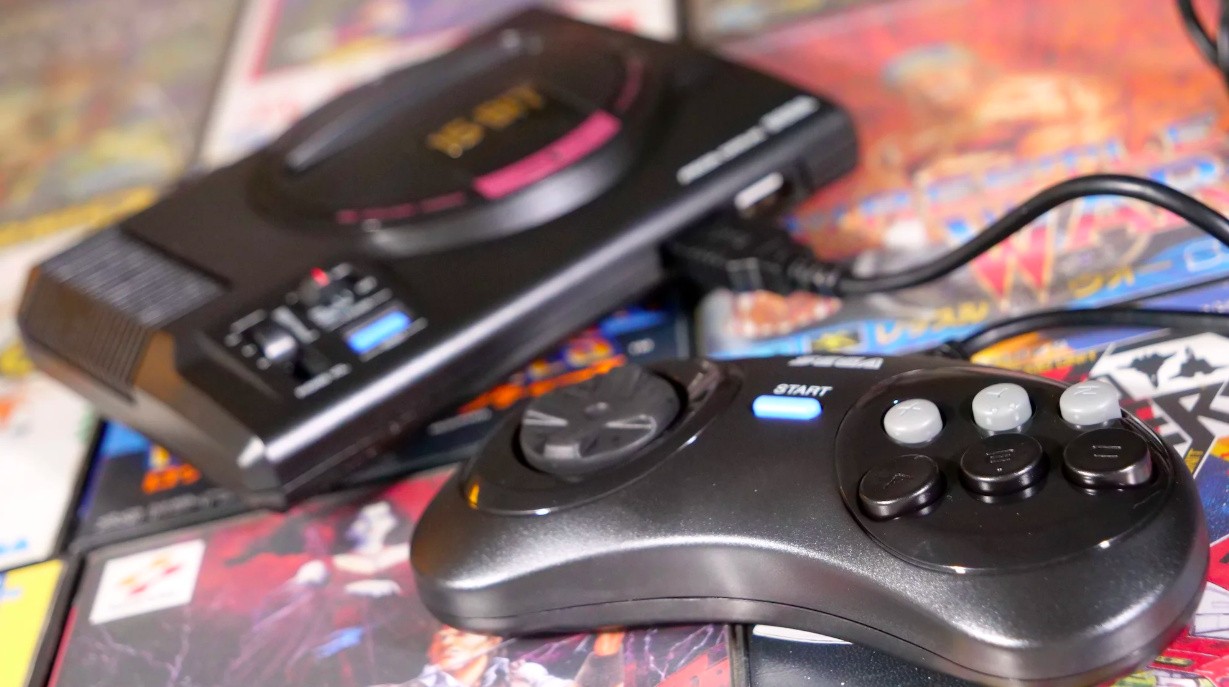
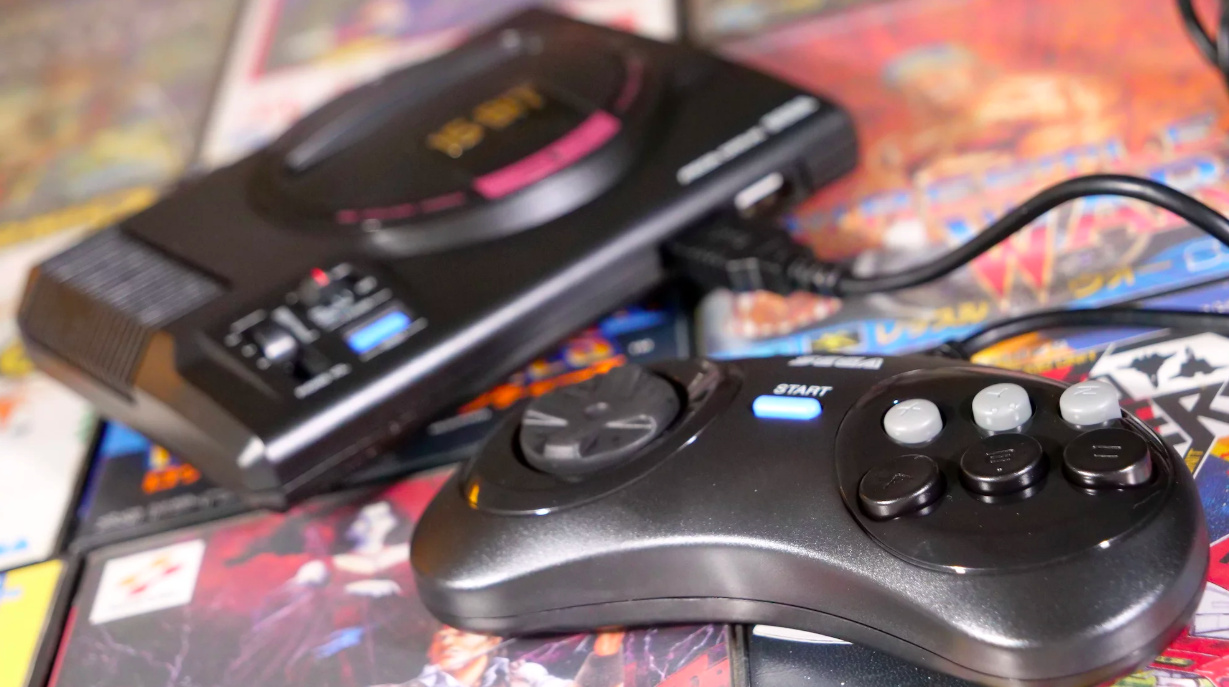
The Genesis / Mega Drive Mini Hack Is Finally Here
When the NES and SNES Classic Editions were released it didn’t take long for hackers to find a way of installing new games onto them, so it shouldn’t come as a massive shock to discover that the same thing has happened to the Genesis / Mega Drive Mini, a rival system from Sega.
As was the case with Nintendo’s micro-consoles, the hack requires a PC and some digital jiggery-pokery, but once you follow the steps outlined in the video below, you’ll be well on your way to expanding the number of games on your Mega Drive Mini.
The Project Lunar tool even allows you to select box artwork, choose player counts and set the genre so that everything looks 100% authentic on the console’s menu screen. This hack also allows you to install RetroArch and Emulation Station, which allow you to run other emulators on the Mega Drive Mini.
According to the person who made the video, you should be able to fit approximately 100 additional titles onto the system, which certainly makes the whole process worthwhile, but you can’t (at the time of writing, at least) remove the pre-installed games.
As ever, there are risks involved and it’s possible that the procedure will leave you with a totally dead console – we’ll leave it up to you to decide if it’s worth the danger.
Get 25% Off PS4, Xbox One, And Nintendo Switch Games At Target This Week
The gift-giving season is almost over, but if Santa missed anything from your list, you may be able to grab it at a significant discount. Target is offering 25% off select PS4, Xbox One, and Nintendo Switch games this week through Saturday.
The deal comes from its weekly ad and applies to select games if you use the store's online order pickup option. That means ordering through Target.com and then picking your game up through customer service once it's ready.
Notably, some of those games are actually already on sale at Target for even bigger discounts--particularly the sports games--so you'll want to factor in the additional 25% off on top of any existing discount. If you want to pick up Madden, FIFA, or NBA 2K, it's better to jump on them now instead of later.
This is similar to a deal the retailer offered over the summer, which gave the discounted chunk for online pickup. The move seems aimed at getting users to sample its online pickup option, which some stores are also supporting with dedicated parking spaces so you don't even have to get out of your car.
For Better or Worse, 2019 was the Year of Apple Arcade
By Jarrett Green30 Dec 2019
It’s impossible to talk about the mobile platform in 2019 without ending up in the realm of the Apple Arcade. There’s big mobile news that goes ignored by mainstream outlets all the time, but Apple’s video game Netflix was something that we can all agree is among the biggest news to ever hit mobile games.
It started with the lightning shock from 2018, when Apple decided to kill their App Affiliate Program. This used to provide sites that covered mobile games a percentage of app revenue for every app bought through links featured in an article on their platforms. This was a large source of revenue for a lot of mobile-centric sites, and really challenged the landscape of mobile editorial even more than it normally was. (Although we’ve managed to survive quite well without it, losing that revenue was a shame-ED).
But why do it? Back when the internet was the wild west, the value of mobile sites was undeniable. Curation by affiliates through features and reviews on sites like the one you’re reading now remains a big part of how premium games find people, and vice versa. The explosive rise of the free to play sector made it extremely difficult to make that previous arrangement consistently profitable. In-game revenue through ads and microtransactions became the new norm, and Apple moved on to find ways to make the most out of those profits instead. They have the reach and resources to recentralize curation internally, these days.
Evidenced initially by the change in the App Store, which runs its own sort of features daily, pointing users towards games that the Apple staff thinks are worth the time and money. In doing the job we used to do for them themselves, they have more direct control over how people get funnelled into certain game pages, or towards certain developers. Why would they want to do that?
Because the rumbling thunder of Apple Arcade was set to echo through the industry. The free to play market created a blessing and a curse for the App Store. Top grossing games like Clash of Clans and Fortnite make TONS of money. But the glut of games released seemingly daily that attempt to chase that dragon created a mire where it’s near impossible to find a game of quality on your own. Controlling the conversation is one step towards bring clarity back to the storefront. The next step? Curating and publishing the games yourself.
Apple Arcade launched to great fanfare, and much of it deserved. Many of the launch titles were top notch, and it brought an energy to the mobile games discourse that had not existed in a long time. Many of these new games sit well represented on my Game of the Year list.
Capy’s Grindstone is a clever take on the match-3 puzzle game. Matching is the basis of play, but you’re not limited to just three. You can chop through as many matching gems as you can connect, killing monsters and toppling obstacles on your way through various worlds. It’s clever RPG implementation, and its gradual difficulty curve helps keep you coming back.
Card of Darkness, by famed mobile game developer Zach Gage, is a compelling card game that constantly challenges your risk management and organization skills. A 4×4 grid full of different stacks of cards separates you from the exit. Each stack is a space to move into, and you must draw through every card in it before you can move on. In the stacks are monsters, weapons, items, and spells, all of which can help or hurt you. Choosing how to proceed based on your draws, and deciding when to risk what you have versus new, untapped stacks is a great blend of casino game odds busting, and adventure game exploration.
Bleak Sword is an isometric action game that invokes the patient Dark Souls, block and riposte combat to the best of its ability. Combat is quick and deadly, and progression takes the best parts of modern roguelikes and distills it to something great to pick up and play in short bursts.
It’s still too soon to really know the full ramifications of this storm on the rest of the industry. There have already been responses to the Arcade in forms like Google’s Play Pass. But bigger questions have yet to be answered. How does this effect developers and how they choose to release their product? Can they really compete on the App Store and not be part of the Apple Arcade brand? How are these folks getting compensated for their games showing up in this program? Will this really spark a drive to develop premium games again?
2019 was a year that felt like multiple years, but it still wasn’t long enough to answer any of these questions. Hopefully, 2020 will prove if this can really reinvigorate the platform.
What have you thought about Apple Arcade since it launched? Let us know in the comments!