Random: Here’s The Evolution Of The Yoshi Series Over Nearly 30 Years
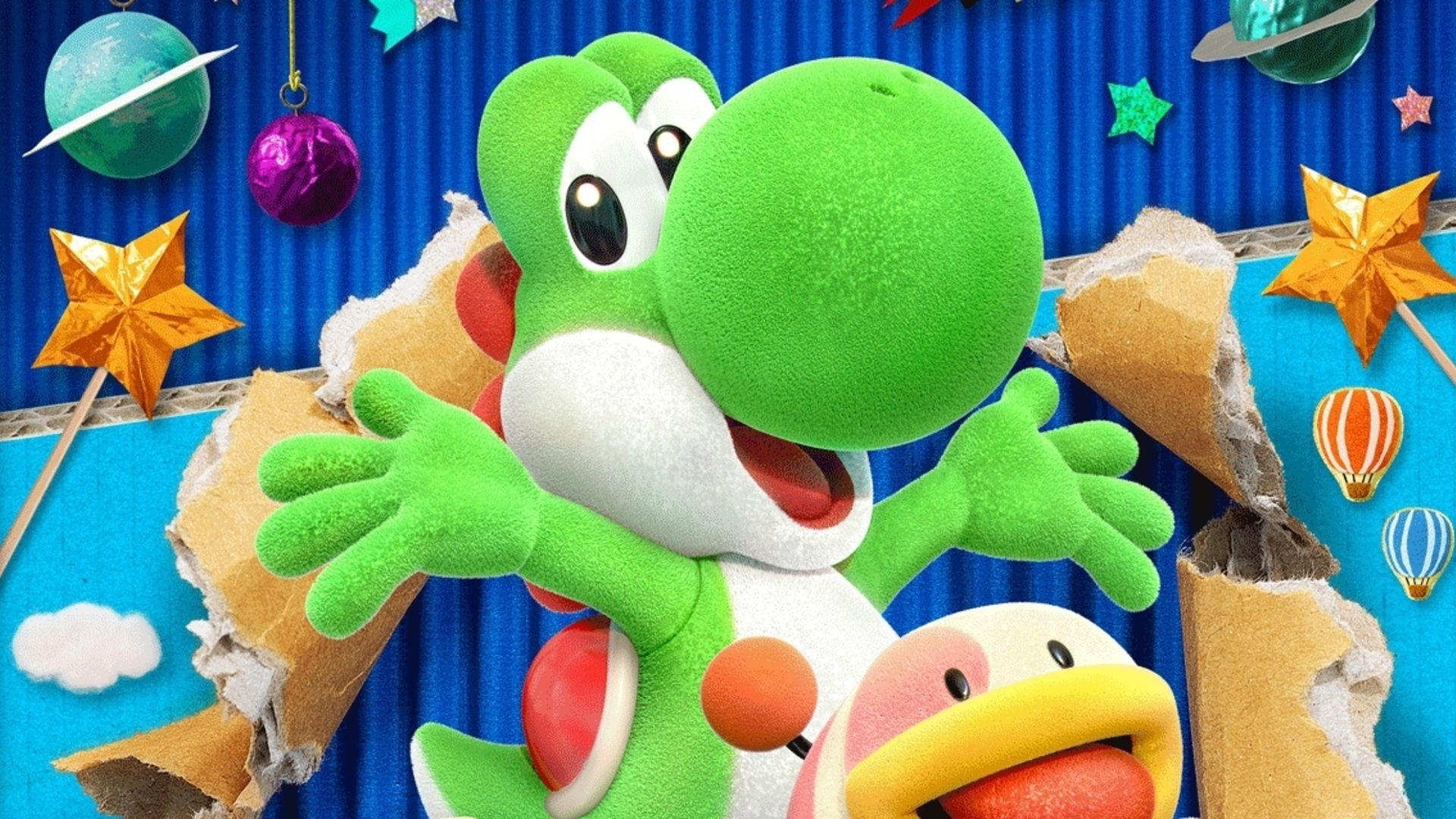
The recent release of Yoshi’s Crafted World on the Switch has encouraged Nintendo of America to take a trip down memory lane. To celebrate nearly 30 years of Mario’s green-coloured companion, a lovely timeline graphic has been uploaded to Twitter, showing off the character’s entire history. Nintendo also threw in a fun fact about the “saddle” on Yoshi’s back:
Whether you’re already throwing eggs in #YoshisCraftedWorld on #NintendoSwitch, or thinking of Flutter Jumping into the crafty fun, catch up with a refresher on Yoshi’s nearly 30 years of starring roles!
By the way…did you know that the “saddle” on Yoshi’s back is a shell?
How many Yoshi games have you played and which one is your favourite? Did you know Yoshi’s “saddle” was a shell? Tell us your own history with Yoshi in the comments below.
Video: Procedurally creating Manhattan for Marvel’s Spider-Man
Efficiently managing the scope and implementation of procedural systems is tricky business, but Insomniac Games did just that during development of its 2018 open-world hit Marvel’s Spider-Man.
At GDC 2019 earlier this year, Insomniac’s David Santiago gave attendees a behind-the-scenes look at the open world pipeline of Marvel’s Spider-Man, showcasing how each procedural system was originally designed to support iterations and dependencies.
Of course, the reality of producing a “procedurally-authored open world” that also looks like real-life Manhattan provided a larger set of tasks than the team had anticipated. Insomniac’s resulting procedural systems were used to author, modify and monitor much more content than planned, and in his talk (now available to watch for free on the official GDC YouTube channel) Santiago explained how the anticipated and unforeseen challenges became success stories and have laid a road-map for future projects.
In addition to this presentation, the GDC Vault and its accompanying YouTube channel offers numerous other free videos, audio recordings, and slides from many of the recent Game Developers Conference events, and the service offers even more members-only content for GDC Vault subscribers.
Those who purchased All Access passes to recent events like GDC or VRDC already have full access to GDC Vault, and interested parties can apply for the individual subscription via a GDC Vault subscription page. Group subscriptions are also available: game-related schools and development studios who sign up for GDC Vault Studio Subscriptions can receive access for their entire office or company by contacting staff via the GDC Vault group subscription page. Finally, current subscribers with access issues can contact GDC Vault technical support.
Take me to the hole: Loss and triumph in Astroneer
The moment I almost gave up on Astroneer was also the moment that its genius struck me. There I was, bombing around this mysterious planet with my new buggy; I felt like a badass for assembling the required components and doing enough research to learn the schematic. Now this was my buggy; there were many like it, but this one was mine. A triumph that would allow me to explore farther than ever from my landing site and not be bound by how far I could tether my oxygen line to it. Now I could tether from my buggy of badassery, anywhere on this uncharted world.
Then I fell into a hole because I wasn’t looking where I was going.
That led to a deeper hole because of gravity.
When all was said and done, I was stuck in a Byzantine warren with no hope of escape and only the barest trace of sunlight to remind me of how far I had fallen, my buggy upside down on some impossible geometric rockface.
At this point I was already staggeringly annoyed because I didn’t realize that the marker pointing out my base disappeared beneath the horizon, so I was already quite lost when the hole claimed me. This was the final straw; I quit the game in disgust and figured I’d set it aside until enough time had passed that restarting wouldn’t feel like a great loss.
But a fact nagged at me. My little astroneer has a tool in her spacesuit that allows her to terraform. Couldn’t I just patiently dig my way out while building a ramp? The next day, after work, I restarted the game and did just that. Painstakingly at first, smoothly as soon as the sky appeared, I paved my way out. I was still lost, but the buggy of badassery was, at least, on the surface. A quick check of the Wiki confirmed something I suspected: the base is always at the planet’s equator. Armed with that fact, I actually navigated my way back home by the stars; I returned in glory to my Lego set of a base.
***
Astroneerexcels at managing the critical balance between stress and triumph. As irritated and lost as I felt, there was always a solution waiting to be discovered. The game rewards patience in a way that is entirely of a piece with its serene pace. Unless you’re running of out oxygen, you’re free from urgency here. With all the neverending discourse around “challenge” in games, it’s worth dwelling on Astroneer’s unpretentious success at balancing calmness with difficulty and reward.
These sorts of sandbox adventures are, as a matter of course, self-directed. Many of them share these features, to one degree or another. But Astroneer feels special in part because of its minimalism. Comparisons to No Man’s Sky are inevitable, of course, and if I wanted to be cheeky I could say that Astroneer was a lightweight and cartoony version of Hello Games’ offering. But it manages to be a good deal more than that (though its cartoony aesthetic gives it a stronger sense of identity).
This is, fundamentally, a game about peaceful problem solving. You will occasionally chance across hostile plant life or fungus, but there are no marauding aliens; of all the things to be researched and built from your catalogue, there are no guns to be found. Even the more devilish of flora doesn’t go out of its way to hurt you. It only does so if you’re tromping around carelessly.
There’s something relaxing and reassuring about this. A gentle vibe that pervades the whole game, and thus puts the joy of exploration front and center. What lies over that next ridge or at the bottom of that canyon is the thing that powers you through this game.
As with most games of its type, Astroneer sees you fashion crude items from basic materials which then allow you to harvest better materials to build bigger and better items and so on. Your base slowly expands as you work your way up to building things like a launch pad to help you mine materials you can only get on a nearby moon. But it’s the joy that comes precisely from going higher and farther that feels like the game’s greatest reward, seeing so much more over the next horizon.
Astroneer’s focus on exploration gives it that perfect balance between those competing forces that so often tear games apart, and its minimalism aids it by reducing the number of things that can go wrong. While future patches may add new buildings and functionality, the game allows you to do a lot with a relatively small number of inputs. Mining, gathering, and terraforming are all the same function. And, while it can be irksome to manage, the oxygen tether gives you a clear sense of physical limitation that can only be overcome through more building (i.e. using soil compound to build more tether poles and extend your range). With that, you know any solution to getting lost or finding more resources must involve one of a small range of functions.
Far from limiting you, this minimalism elegantly guides you through the world.
But, as thrilling as it can be to discover the wreckage of a crashed spaceship, say, there’s something weirdly chilling about discovering another spacesuit pack like yours and looting it for spare parts. Who were those other astroneers who clearly died here? The game doesn’t really say. Like most sandbox adventure games, Astroneer’s world is one without meaning. Of course, so many games, particularly RPGs, are built on the skeleton of acquisitiveness (kill ten rats to upgrade your leather jerkin and basic shortsword; use your silver shortsword to kill ten dire rats, et cetera). But there is, at least, a gloss of narrative overlaying it all that tells you why you’re killing ten rats.
You have to make up your own story–and I certainly tried for several hours–but it’s challenging when there’s so little help from the world itself. There are suggestions of a story, chiefly in the form of titanic alien gates that loom large over the landscape. But it’d be a stretch to say there’s even a vague narrative at work here. In time you’re just confronted with the fact that you’re on that resource-gear treadmill and nothing more.
All that really waits over the next horizon is more ore. But if you can fall into a deep hole, tell yourself a good enough story about your astroneer and what they’re doing, then the sky’s the limit.
Katherine Cross is a Ph.D. student at the University of Washington who researches anti-social behavior online, and a gaming critic whose work has appeared in numerous publications.
April 11th : New Preview Alpha Ring 1905 Update (1905.190410-1904)
Starting at 2:00 p.m. PST today, members of the Xbox One Preview Alpha Ring will begin receiving the latest 1905 Xbox One system update (19H1_RELEASE_XBOX_DEV_1905\18362.3023.190410-1904). Read on for more about the new features, fixes and known issues in the latest 1904 system update.
DETAILS:
OS version released: 19H1_RELEASE_XBOX_DEV_1905\18362.3023.190410-1904
Available: 6:00PM PDT 4/12/19
Mandatory Date/Time: 3:00 AM PDT 4/13/19.
New Features:
This first update is meant to lay the groundwork for what’s to come in 1905, so while you’ll find fixes and known issues listed below, please keep an eye out for feature announcements as they’re ready to be previewed. Thanks, as always, for your passion for helping make Xbox One system updates the best they can be prior to release to GA!
Fixes:
My Games and Apps
Additional fixes for an issue in which switching from media apps such as Youtube/Hulu to a game or from a game to a media app would crash the console
Known Issues:
Audio
Some users are experiencing no audio with headsets and we are investigating
Some users are encountering no audio on their Xbox console after boot (no shell audio, no game audio, no app audio), then have CSS ask them to perform the following steps:
Cold reboot the console
OR
Go to Audio settings on console
Change their HDMI audio settings to the highest supported uncompressed channel count for their equipment
Switch back to the desired format
Audio should be restored
Profile Color
Sometimes users may encounter the incorrect Profile color when powering on the console.
Review: Warhammer Age Of Sigmar: Champions – Who Needs Hearthstone?
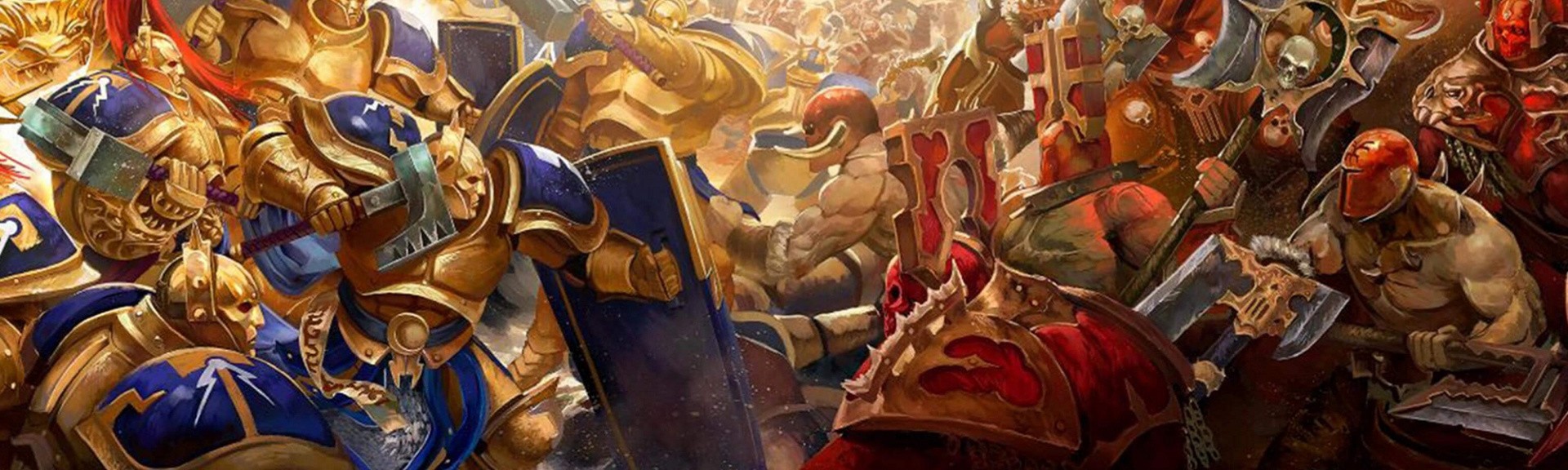
While Hearthstone and Magic: The Gathering – arguably two of the biggest names in digital CCGs (collectable card games) – continue to pass Nintendo Switch by, the genre’s growth in the mobile market has seen plenty of other alternatives see the potential of making the jump to Ninty’s hybrid hardware. British studio PlayFusion has already brought Lightseekers to the platform – complete with the functionality to scan physical cards into the game – and now it’s doing the same with its latest project, Warhammer Age of Sigmar: Champions.
With Games Workshop pumping out licensed tie-ins to its Age of Sigmar and Warhammer 40,000 universes at an alarmingly fast rate (there are two coming to Switch next month alone), the consistency in quality running through them has dipped as often as it’s peaked. However, Champions can confidently place itself among the better uses of Warhammer’s revitalised fantasy world, presenting a distinctly different CCG that attempts to set itself apart from those bigger names with some alternative ideas.
Rather than choosing a single hero and building a deck around their key qualities, Champions takes cues from the unit-focused battles of the tabletop game and splits each side of the battlefield into four channels. You assign a champion to each channel and it’s through these characters that you’ll play certain cards. For instance, only wizards can cast spells so having at least one in play is vital if you want a magical edge in effect. Each champion also has a certain lane in which they’re most effective, and you’ll find certain ones match up better or worse against others.
To add more of an RPG approach, each champion goes into battle with their own unique set of objectives. Think of these as mini-quests that need to be completed in order to make their card shift and activate the next challenge (and eventually unleash a powerful blessing). It might be activating a certain buff or playing a particular unit. With only two moves per turn (there’s no mana here, so every game has a more level playing field from the start) you’ll need to balance champions being engaged with another unit in play, planning for upcoming objectives, countering your opponent’s champion and more. As a result, games can be a little slower, but they can often be considerably more satisfying for those who’re tired of the classic rules of Magic and the like.
Warhammer: Age of Sigmar is currently one of the biggest trading card games out there today, and the versions on iOS and Android have proved just as popular with mobile and PC players. So much so that we now have this Nintendo Switch version, which features full cross-play compatibility with those smartphone editions. It’s an important feature as it means Switch adopters have a full and competitive community of players to battle, rather than relying purely on servers designed for a single platform.
Of course, the downside of moving away from smartphones and PC is the lack of consistent data coverage. If you are planning to take the battle online – and this is where Champions is at its best, including the new Arena of Echoes mode which adds in extra stipulations and greater rewards – then you will need access to a decent Wi-Fi connection. Unfortunately, you’ll need to have consistent access to Wi-Fi to access any other mode – even deck building and solo play. The addition of new modes such as the increased challenge of the Realm Trials give players plenty to enjoy, you just need a constant connection if you want to enjoy them.
This is a free-to-play the game in the age of Fortnite so there has to be something in play to make money for its developers. You can play through the solo content and unlock cards, and level up to earn even more, but with the premium Champions Pass you’ll get a ‘free’ card every day, enjoy increased XP and more. We found it easy to build a competitive deck by earning them through play, so those paying for the Pass simply have access to a little more variety at a faster pace. You can also scan physical cards into the game to access them digitally, but you’ll need to do this via the smartphone or web versions. Thankfully, all accounts across mobile, PC and Switch are unified so you’ll be able to import cards from other versions to use on your Switch.
Conclusion
In the highly competitive world of CCGs, PlayFusion has taken one of the biggest fantasy licences and seamlessly melded it with a card battling system that’s both easy to grasp and different enough to set itself apart from its contemporaries. With the addition of extra modes, including the Arena of Echoes and Realm Trials, and the option to scan in cards from your physical deck, there’s a deep and customisable experience that’s ideal for genre veterans. Joy-Con controls work well enough – enabling you to play in docked mode – but it’s at its best when played intimately in handheld mode with the touchscreen. The need for a constant internet connection will irk some, but for those that are willing to be tethered to Wi-Fi, PlayFusion has served up a fine rival to the likes of Hearthstone.
Bureaucratic Blunder Means Russian Smash Bros. Team Misses Euro Tournament
There will be a one team less at the upcoming Super Smash Bros. Ultimate European Smash Ball Team Cup — and it’s just because of a paperwork. Nintendo of Europe has announced that, due to “visa issues”, Ye Old Guard team from Russia will stay at home during the Amsterdam finals on June 8th.
The Russian branch, Nintendo RU, released an expanded statement on its web site:
Due to bureaucratic reasons Nintendo has no control over, it takes longer than usual to issue visas in the run-up to the Russian national holidays. Due to that, Russian team won’t be able to attend the event in Amsterdam. The scope of the event and logistical issues do not allow postponing the event or letting Ye Olde Guard play online with teams in Amsterdam.
The holidays in question will begin on May 1st and will leave Russia with only three work days till May 13th, so it’s only reasonable to expect the visa offices to be under a heavy load. The smart move was to prepare documents in advance, and that’s exactly what wasn’t done — reportedly, because of Nintendo RU.
In a mean-tempered post on GameMag forums, Ye Olde Guard’s David Oganesyan describes Nintendo’s local office as a “bunch of incompetent folks” and describes details of the situation:
They decided to process visas by themselves. Eventually, they decided to file an application at the very latest moment before the May holidays. Before that, we’ve been sending them all required documents and forms almost daily. As a result, it’s no longer reasonable to visit the embassy, and the closest time one can book an appointment to the visa office is April 26th.
Later, he followed by saying Nintendo RU and Ye Olde Guard have settled on compensation prizes: a Nintendo Switch for each member of a team. Talking to Nintendo Life, David said his second Switch will go to his brother, and the team is on good terms with Nintendo RU despite “the huge blunder on their part.”
It’s sad to see a contender missing the finals for a reason as mundane as documents not filed at the right time — and by the organizer of a regional event, too. We hope Nintendo RU won’t have to negotiate with disgruntled champions in the future.
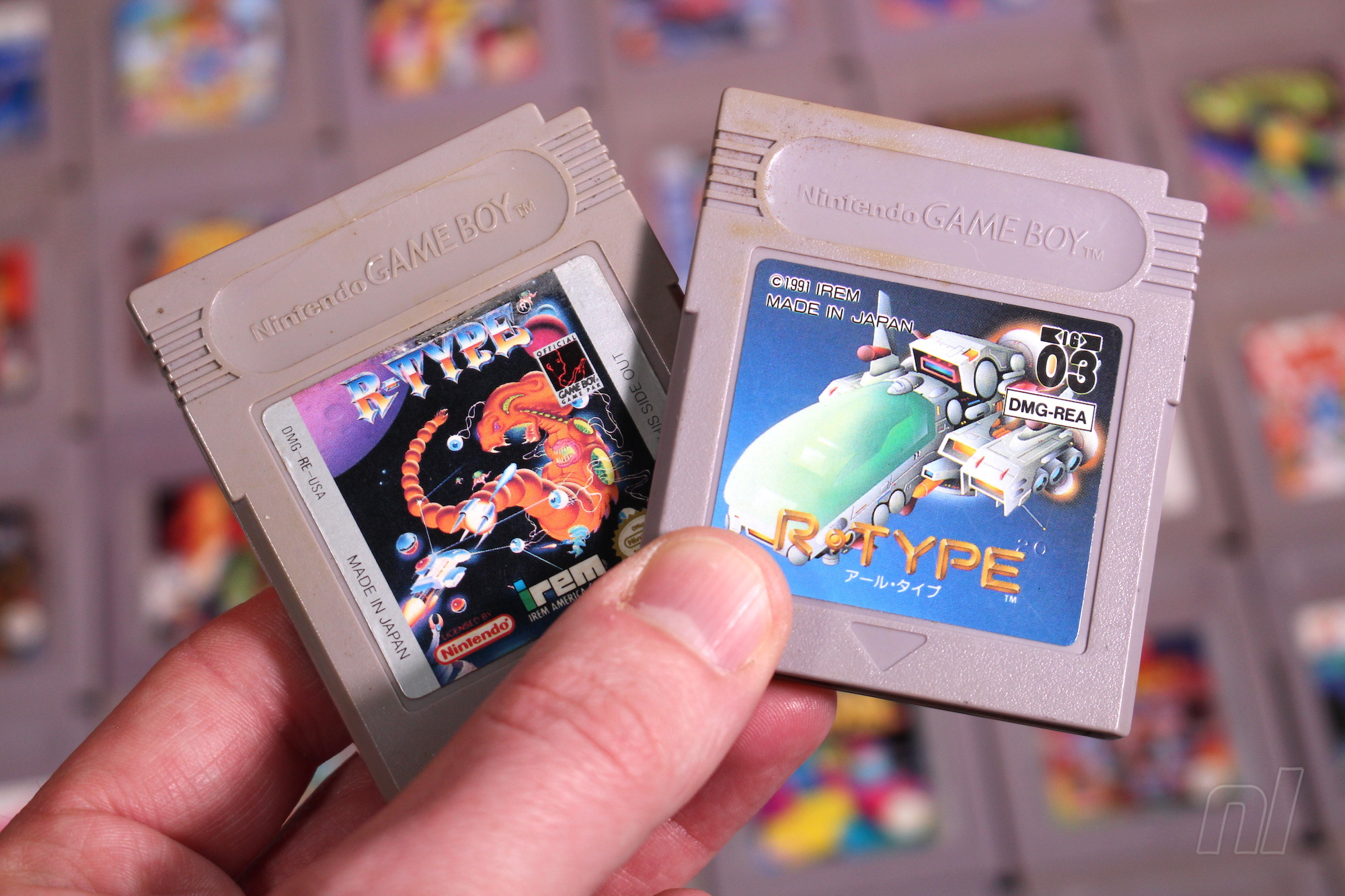
Feature: How R-Type Was De-Made For The Game Boy, Before Demakes Were A Thing
The Nintendo Game Boy turns 30 this Sunday, and to celebrate this amazing occasion we’ll be running a series of related features this week, right up to the big day.
The concept of ‘de-making’ a game is one that most modern players will be familiar with; you take a recent title, strip it down to its bare essentials and then make it ‘work’ in a retro-style, taking inspiration from classic machines such as the NES, ZX Spectrum or Mega Drive. It’s a fun approach which allows developers to flex their creative muscle and see how modern games could look if they were somehow flung back in time a few decades.
It was the first platform where I had hardware sprites and scrolling at my disposal, so this was new to me
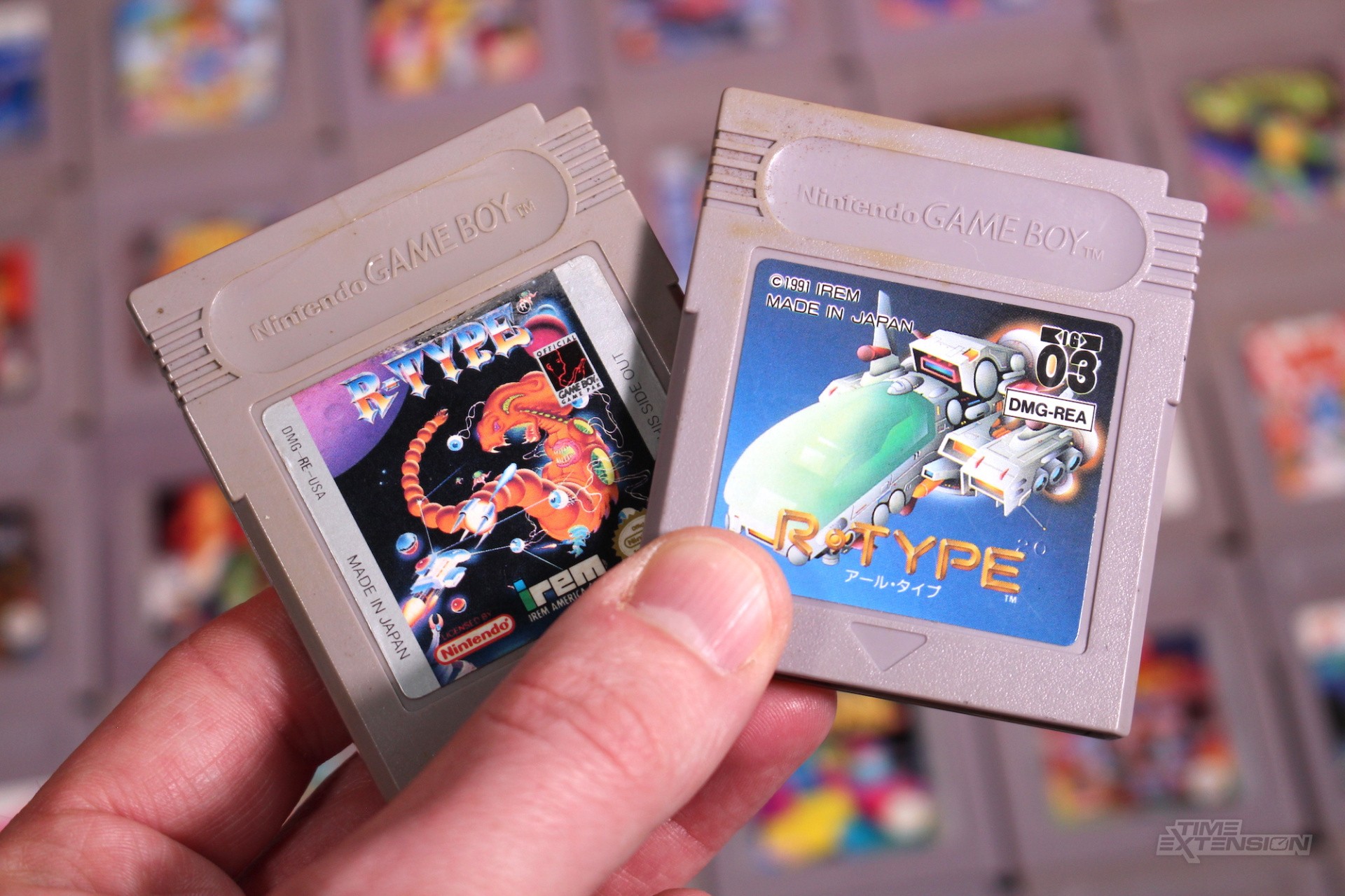
One of Austin’s most famous projects from this period was the Game Boy port of Irem’s seminal coin-op shooter, R-Type. Now, R-Type was hardly cutting-edge at the time – it originally hit arcades in 1987 – but the task of shrinking down this genre classic so it would fit on the Game Boy’s tiny screen was no mean feat. We sat down with Austin to talk about how he did it.
Nintendo Life: Can you give us a little background on how you got into games development, and how you ended up at Bits Studio?
Jas Austin: I started in game development back in the early ’80s making ZX Spectrum games. Including Pi-Balled and Pi-in’ere for Automata, Nemesis the Warlock and Rex for Martrech, and Altered Beast for Activision. Towards the end of my Spectrum career, Jacqui Lyons of Marjacq was representing me, and it was through her I got the Activision deal. She was friends and worked with Foo Katan of Bits Studio, and put me forward for the R-Type Game Boy job. I was having trouble finding work as the Spectrum stuff had dried up, and I wasn’t having much success with the Amiga and ST market, so I jumped at the chance.
How did Bits become involved with developing for the Game Boy?
When I joined the team, Bits were already developing Game Boy versions of Loopz and Castelian (Hewson’s Nebulus) so they were already involved with Nintendo. But I found out later that Foo Katan’s other company PDS, which made hardware and software development tools, managed to bypass the Game Boy hardware protection, and this got them noticed and allowed them to develop on the hardware.
What was the Game Boy like to work on, compared to the other platforms around at that time?
Even though I dabbled in a bit of coding on Amiga and Atari ST, I didn’t release anything – so I really came to the Game Boy from the ZX Spectrum. Both had Z80 processors, so the changeover was pretty straightforward. It was the first platform where I had hardware sprites and scrolling at my disposal, so this was new to me. I found the sprites to be a bit of a double-edged sword; they were very useful, but also quite limited. If I remember correctly, it was 40 in total on screen and if you had any more than 10 in a line they would start to flicker.
How did Bits become involved with Irem? Was the studio approached directly, or did you have to pitch for the job?
Sadly I wasn’t privy to that information. Bits Already had the R-Type deal when I accepted the job to work on it. But I did hear rumours later that the game was pitched around a number of developers first, including some Japanese ones, and it was turned down, as it was thought it would be impossible to convert it to the Game Boy.
What tricks did you use in order to shrink a coin-op down to work on a monochrome portable?
One sneaky trick I used was multiplexing the sprites. Because of the screen was LCD, there was a very slight latency when turning off a sprite. So I was able to re-use some sprites by switching them every other frame. Because of the latency, they just appeared duller than normal. I used this mostly on bullets and the large R9 weapons, like the ripple laser.
How big was the team that worked on the port?
The core team was myself and artist Mak Jones. David Whittaker was bought in at the end for the music and sound effects. I’d worked with Mak before on some Spectrum games, we both worked ‘out of house’. Mak created the graphics on an ST, and we used very early phone modems for him to send me graphics. This was very unreliable, so sometimes he used good old snail mail to post me discs.
The hardest was the constant fight with memory. Back then, the cartridge size had a huge impact on production cost, so we always tried to use the smallest cart size we could
What was the hardest aspect of the port?
The hardest was the constant fight with memory. Back then, the cartridge size had a huge impact on production cost, so we always tried to use the smallest cart size we could. This was why two levels were cut straight away. Video space was also a problem. With the first level, we couldn’t fit both the background graphics and the boss in V-RAM. So you’ll notice a very short pause before the boss, this is where I dump some of the now unused background characters and replace them with the boss graphics.
How long did it to take to complete the conversion?
It’s so long ago I can’t remember how long it took us. I think it was a few months in total. I do recall that with the first meeting with Foo, I walked away with a basic dev kit, and we were tasked to get a first pass on level one in two weeks or so. There were some late nights, but we managed it. Having never developed on the Game Boy, I was certainly thrown in at the deep end.
Is it true that you managed to sneak your name into the game, despite being told you couldn’t?
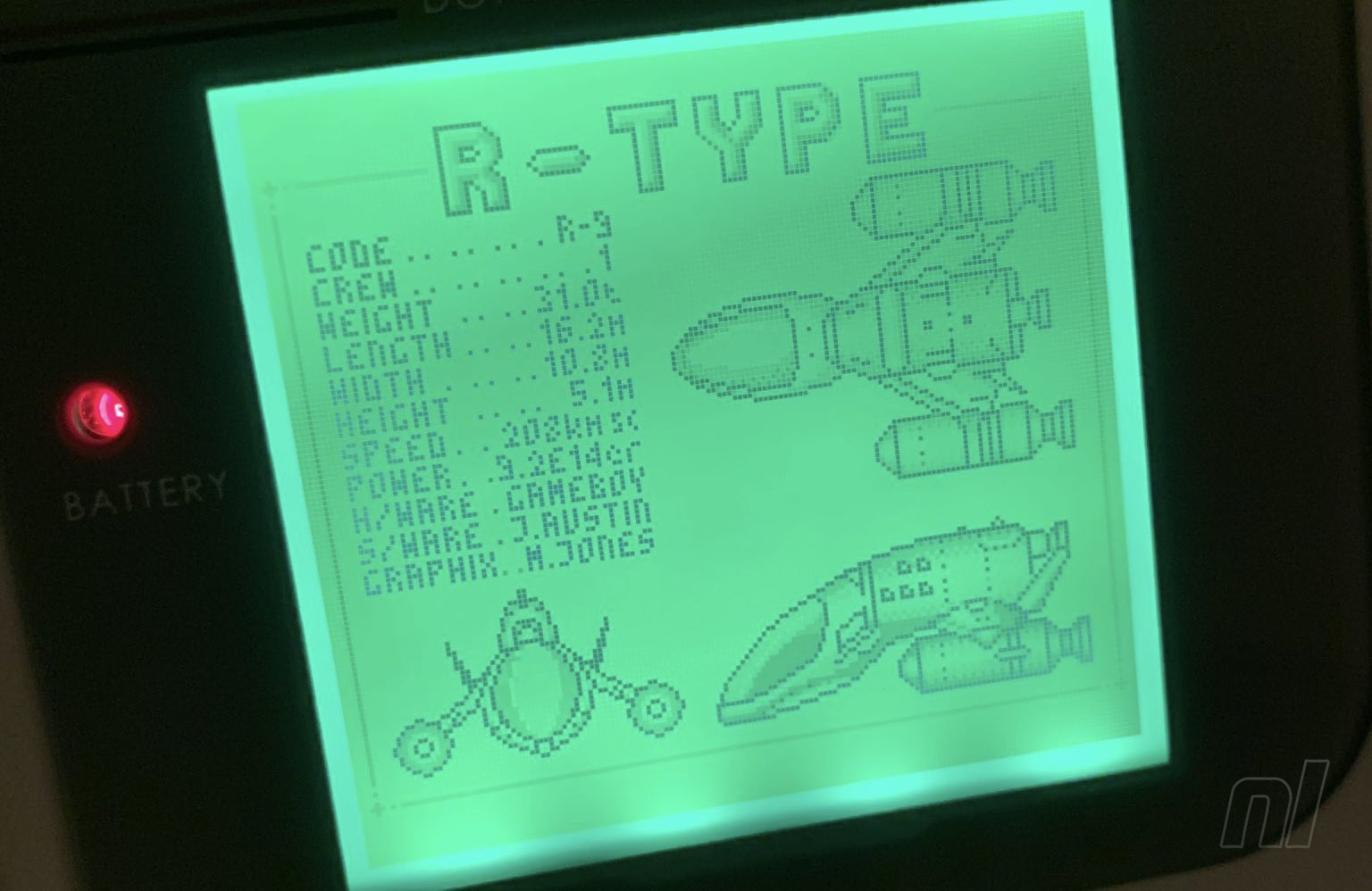
Yes, this is true. For some reason, we were told that we were not permitted to have our names in-game. So Mak and I decided to try and sneak them in, which we did in the R9 data screen that appears in the attract mode. Luckily this was never picked up in testing… they might have been distracted with one of the enemies that they made us change, because it looked a bit like a foetus! I also managed to sneak in a special symbol into the background in level 4, something I also did in a lot of my earlier Spectrum games.
R-Type was hailed at the time for its faithfulness to the arcade original; how did it feel to get such positive reviews?
It felt great; it’s always good to see positive reviews of your games. Even before I worked on it, I was a huge fan of the arcade game, so wanted to make it as faithful as I possible. It also won a Golden Joystick award, which was pretty prestigious at the time. But personally what’s wonderful for me is that people are still playing and enjoying it all theses years later.
Irem clearly felt you did a good job as Bits was commissioned to not only do the sequel on the Game Boy, but also R-Type DX on the Game Boy Color. What kind of feedback did you get from Irem on your work?
I don’t remember hearing any feedback from Irem, but clearly, they must have been pleased, as they wanted Bits to make the sequel, but I wasn’t actually involved. It was Bob Pape of Spectrum R-Type fame that programmed the Game Boy R-Type II. I did make a demo for it of the third level with the two large ships, using some clever interrupts to have more than one scrolling background on-screen. But by the time Irem gave the go ahead I was part-way through writing another game.
Back when I was making it, can’t say I thought about any form of ‘demake’; I was mostly focusing on trying the make the most faithful version of the game on the hardware
People speak today of ‘demakes’ – the process of taking modern games and turning them into retro-style experiences – which is perhaps what you were doing with titles like R-Type back in the day. Do you think developers like yourself get enough credit for these amazing feats today?
Interesting question! Back when I was making it, can’t say I thought about any form of ‘demake’; I was mostly focusing on trying the make the most faithful version of the game on the hardware. I do think us older developers don’t receive credit for some processes that have now been given names. ‘Rougelike’ is another example of this. But I do see myself and a lot of my peers receiving recognition for the technical achievements.
Can you give us a little snapshot of where your career has taken you since the Game Boy days?
After R-Type, I worked on a number of other Game Boy games including Terminator 2, Alien 3 and two Spiderman games. I stayed at Bits till the end, around 2006 working on various other consoles. Including coding and co-designing the unreleased GBC version of Jet Force Gemini. After a short stint working on online poker software for Pokerwize/Playwize, I returned to games working with Origin8 on a number of mobile / tablet games – Carmania, Future Sense, and most recently the highly-acclaimed Rollercoaster Tycoon classic. As I type this I’m working at Funfair, helping make online crypto gambling games, as well as in my spare time making a follow-up to my Speccy game Rex on the ZX Spectrum Next.
The Game Boy turns 30 this year. What are your memories of the machine?
I have nothing but hugely fond memories of it, not just from a dev perspective, but as a player. It was a truly groundbreaking handheld, and I spent many enjoyable hours playing the likes of Zelda, Mario and Tetris. I’m honoured to have been part of its legacy. Happy birthday, Game Boy!
Special thanks to Ali Alsawaf for making this interview possible.
Mortal Kombat 11 Switch Launch Trailer Shows Fights On The Go
Mortal Kombat 11 is releasing on the Nintendo Switch, marking the first MK game on a Nintendo system since the series reboot. The Switch version is a little less beautiful than its contemporaries, but what it lacks in visual fidelity it makes up for with portability. So it's no surprise that the official Switch trailer emphasizes the on-the-go aspect.
The trailer (above) shows a piece of a cutscene before pulling back and showing gameplay on a smaller Switch window playing footage of the fights. It's difficult to see due to the smaller screen size but the fights are a little low-fi compared to what you may have gotten accustomed to seeing in other gameplay trailers and Kombat Kasts.
We knew that the Switch version would lose some graphical bells and whistles, though. A recent hands-on preview showed that despite the downgrade, the game ran smoothly to keep the fighting consistent. That means that if you want a portable version, you probably won't compromise the integrity of the systems for the benefit.
Nintendo Removes Inappropriate Custom Stages From Super Smash Bros. Ultimate
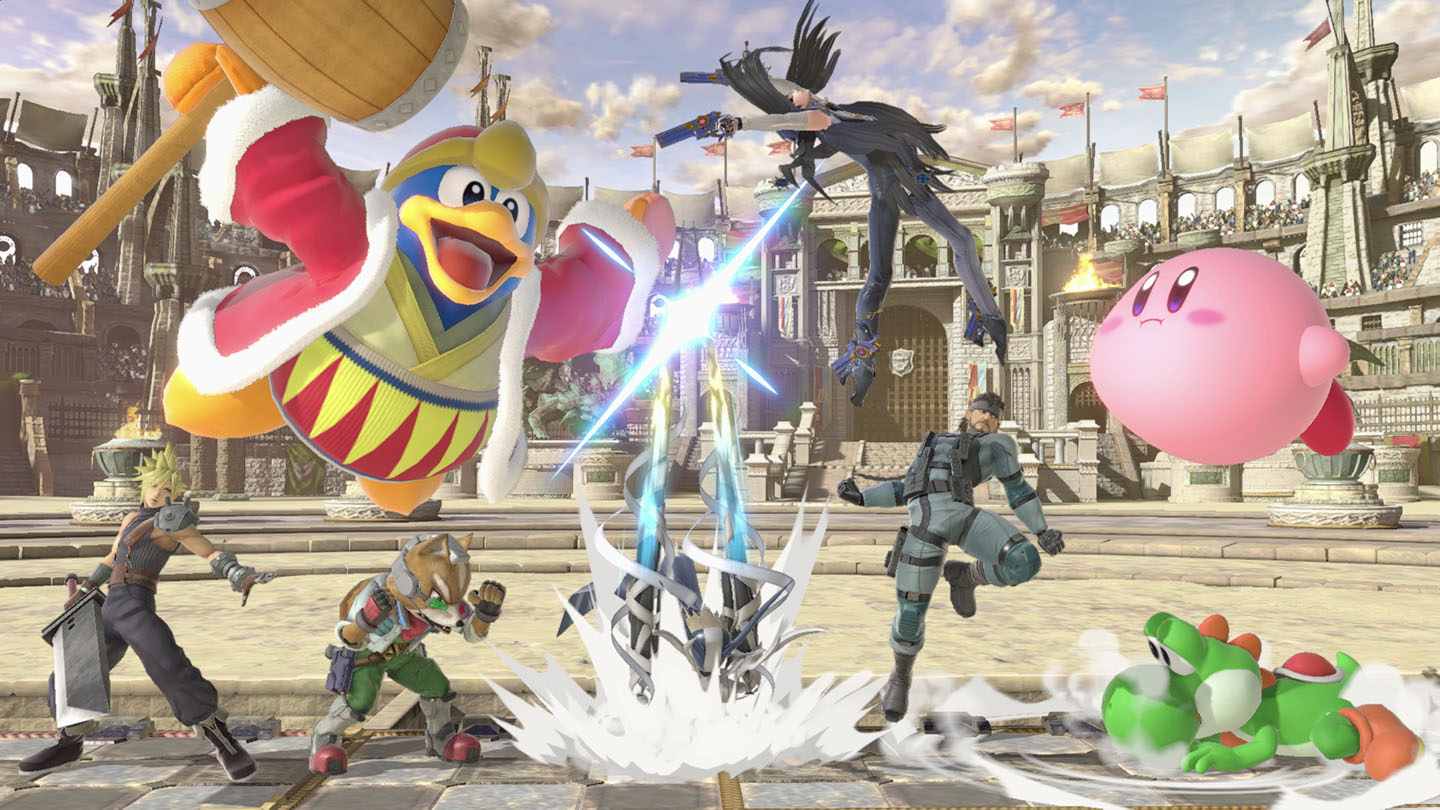
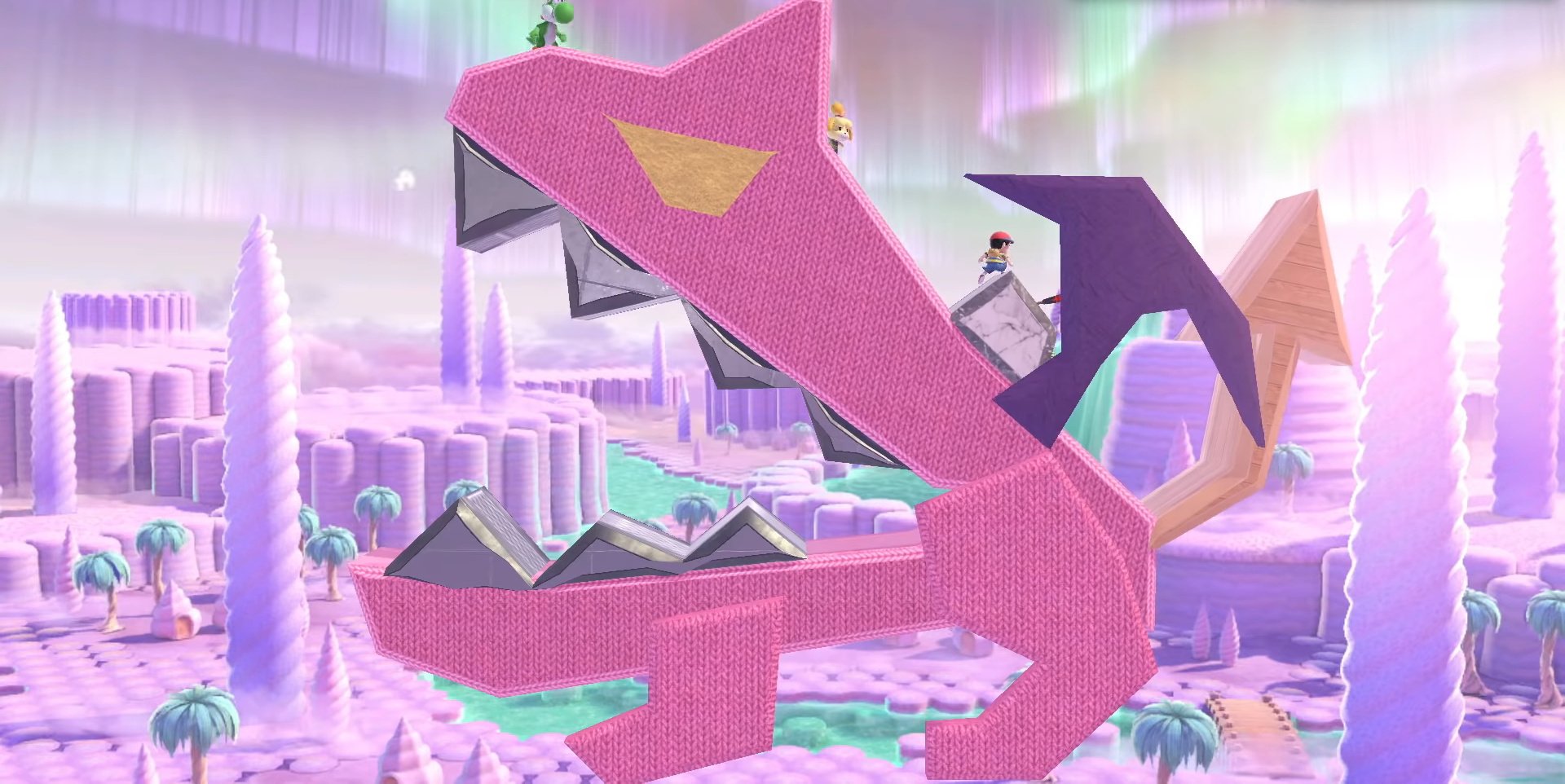
One of the best features in Version 3.0 of Super Smash Bros. Ultimate is the Stage Builder mode. It allows users to create and then share their own custom stages online. Of course, shortly after the update went live yesterday, a small minority of players began uploading a variety of lewd levels.
Nintendo has now reportedly cleaned up this area of the game – wiping out all of the inappropriate and offensive custom stages. We had a quick look around on the app ourselves and couldn’t see as much, but it’s hard to say if it’s completely gone – and there’s no guarantee it won’t reappear. From here on out, we’re guessing users who do go out of their way to create any naughty stages will get a warning of sorts, or some type of special system will be put in place to help auto-moderate each upload.
This isn’t exactly new territory for Nintendo. The company has previously had similar issues with Super Mario Maker, older iterations of the Smash Bros. stage builder and Miiverse – where memes ran wild.
Did you see any of these inappropriate levels a small portion of the community were uploading yesterday? Have you seen any since Nintendo cleaned it up? Tell us down in the comments.
Traverse a desiccated seabed littered with the remains of a decaying civilization. Keep your vessel going, overcome obstacles, and withstand hazardous weather conditions. Where will this journey take you? Are you the last of your kind?