Weekly Jobs Roundup: Heart Machine, Crystal Dynamics, and more are hiring now!
Whether you’re just starting out, looking for something new, or just seeing what’s out there, the Gamasutra Job Board is the place where game developers move ahead in their careers.
Gamasutra’s Job Board is the most diverse, most active, and most established board of its kind in the video game industry, serving companies of all sizes, from indie to triple-A.
Here are just some of the many, many positions being advertised right now. If you’re a recruiter looking for talent, you can also post jobs here.
Location: San Francisco, California
If you’re interested in taking first person shooters to the next level Impulse Gear is looking for you! Impulse Gear is seeking a Mid / Senior Animator to help push the boundaries of our Virtual Reality worlds. Daily tasks would involve the creation of unique character animation, motion capture processing, skinning, developing physics assets and more. The ideal candidate will have had previous success as a Mid/Senior level Animator, outstanding communication skills, a creative mindset, experience working with Unreal Engine 4’s animation and physics systems, a passion for Virtual Reality and a strong drive to bring new techniques and workflows into our projects.
Location: Redwood City, California
The Gameplay Camera Designer, working under the Lead Cinematic Designer and/or the Game Director, will be responsible for designing, implementing, and fine-tune the game design cameras and related gameplay in levels and cinematics to ensure a smooth and seamless player experience through a rich and epic narrative experience. A successful Camera Designer will be able to collaborate with Artists and Designers to create tools and camera solutions to create a dynamic and living world.
Location: Culver City, California
Our next project is ramping up production, using Unreal 4 in a fully 3d gameplay experience. We’re looking for talented, passionate, smart and good people to become part of our crew, to help build and shape something ambitious and completely unique from the ground up. As a critical anchor for the project you’ll be crafting code for character interactions, NPC interactions, scripted sequences, combat, environmental interactions and much more. Help us build something satisfying and fluid while overcoming new and exciting challenges in gameplay.
Location: Alpharetta, Georgia
Hi-Rez Studios is looking for a Level Designer to work at our studio in Alpharetta, Georgia on SMITE. Come join the creator of the critically acclaimed SMITE, Paladins and Realm Royale as we enhance and expand our online action games. This job tasks a developer with designing and implementing 3D levels using Unreal Engine 3 for an Online Multiplayer game and set-dressing using Environment Art assets.
Starting at 2:00 p.m. PST today, members of the Xbox One Preview Beta Ring will begin receiving a new 1902 Xbox One system update (rs5_release_xbox_dev_1902.190116-1920). Read on for more about the fixes and known issues in the latest 1902 system update.
Fixes:
System
System performance fixes to improve 4K visually when playing games.
Localization fixes.
Known Issues:
Profile Color
Sometimes users may encounter the incorrect Profile color when powering on the console.
Japanese Booklet Reveals Upcoming Super Smash Bros. Ultimate amiibo
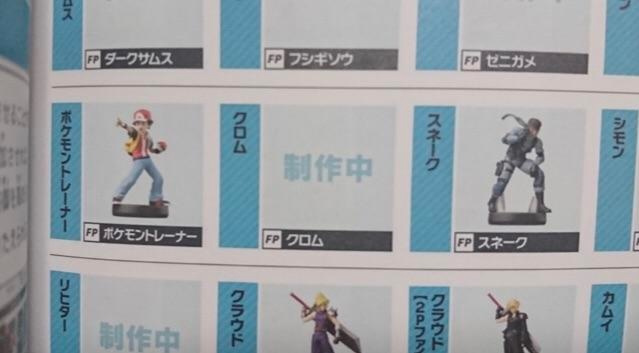
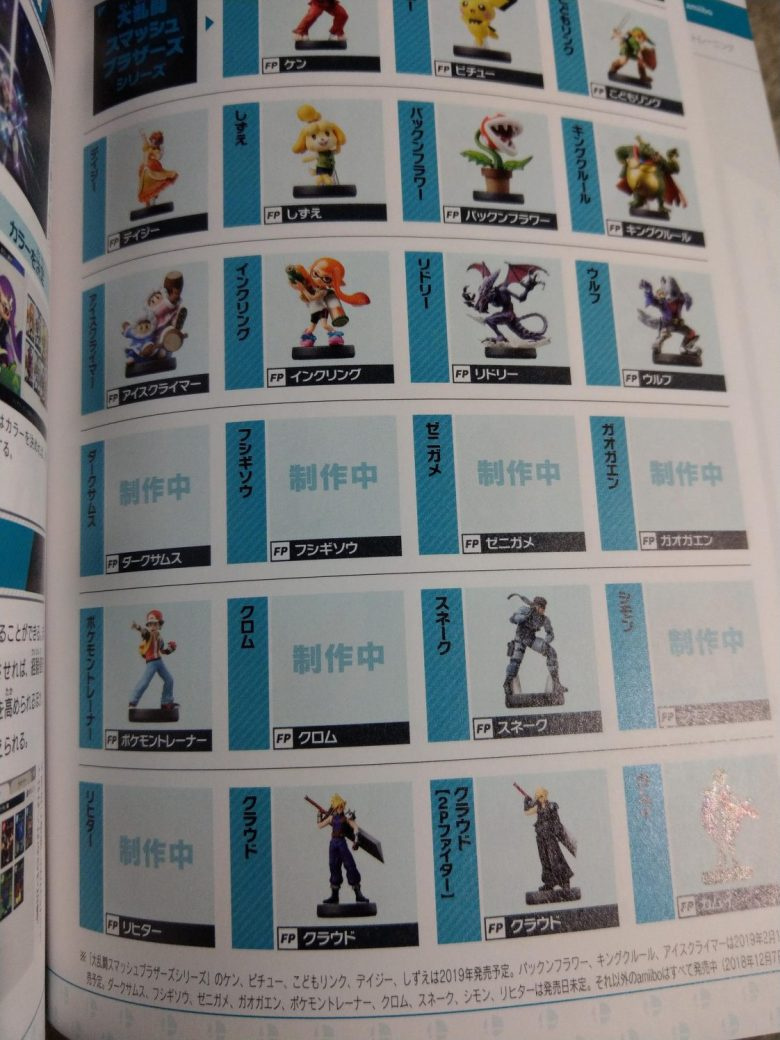
Super Smash Bros. Ultimate amiibo collectors will be pleased to hear the next wave is seemingly on the horizon, with an anonymous user sharing a photo of a Japanese booklet showcasing unannounced amiibo on a Discord Channel.
amiibo Alerts uploaded the photo on its Twitter account. As can be seen below, the page shows pictures of the Pokémon Trainer and Snake amiibo. There are also placeholder spots for Simon, Richter and Dark Samus and Chrom. It appears Ivysaur and Squirtle will receive the amiibo treatment as well.
Once again, the source of this photo is unknown, but according to My Nintendo News the page is reportedly from The Super Smash Bros. Ultimate guide which has just been released in Japan. We’re guessing an official announcement regarding the release of the next batch of amiibo shouldn’t be too far off.
Are you still collecting amiibo? Are you looking forward to any of these ones? Tell us in the comments.
Cross-play is becoming increasingly popular within video games by the day. Not only does it unite players across multiple platforms, it also has the ability to sustain smaller video game communities for prolonged periods.
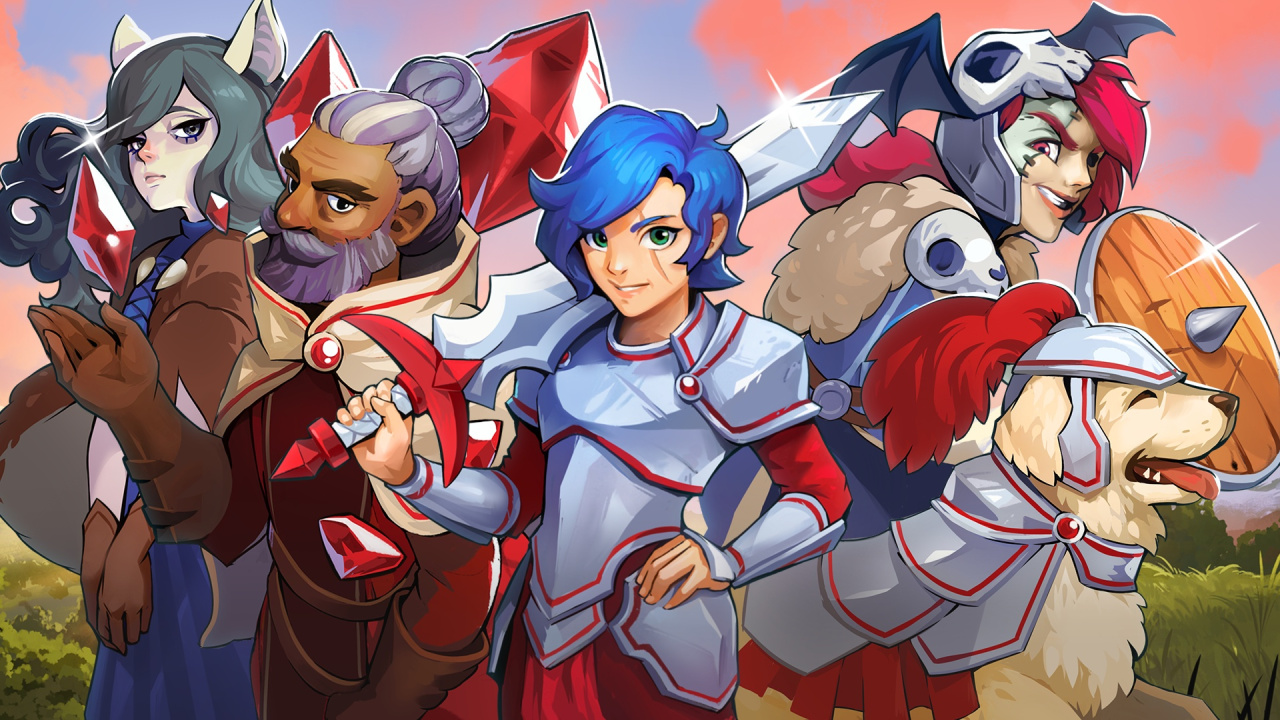
When Chucklefish’s highly-anticipated turn-based tactical game WarGroove arrives on the Switch eShop on 1st February, Nintendo players will be able to band together with users on Xbox One and PC. Right now, there’s no mention of PlayStation 4 users joining in on the fun, when the game does eventually arrive on this platform.
WarGroove’s cross-platform play function means you won’t need friends or family nearby to engage in a medieval multiplayer battles. In total, four players will be able to engage in strategic battles online. If local play is more of your thing, the game supports up to four players in this mode as well.
Are you excited for this game inspired by Advance Wars and Fire Emblem? Tell us below.
The default desktop of Fedora Workstation — GNOME Shell — is known and loved by many users for its minimal, clutter-free user interface. It is also known for the ability to add to the stock interface using extensions. In this article, we cover 3 simple, and useful extensions for GNOME Shell. These three extensions provide a simple extra behaviour to your desktop; simple tasks that you might do every day.
Installing Extensions
The quickest and easiest way to install GNOME Shell extensions is with the Software Application. Check out the previous post here on the Magazine for more details:
First up is the Removable Drive Menu extension. It is a simple tool that adds a small widget in the system tray if you have a removable drive inserted into your computer. This allows you easy access to open Files for your removable drive, or quickly and easily eject the drive for safe removal of the device.
Removable Drive Menu in the Software application
Extensions Extension.
The Extensions extension is super useful if you are always installing and trying out new extensions. It provides a list of all the installed extensions, allowing you to enable or disable them. Additionally, if an extension has settings, it allows quick access to the settings dialog for each one.
the Extensions extension in the Software application
Frippery Move Clock
Finally, there is the simplest extension in the list. Frippery Move Clock, simply moves the position of the clock from the center of the top bar to the right, next to the status area.
Project EVE Promotes Cloud-Native Approach to Edge Computing
The LF Edge umbrella organization for open source edge computing that was announced by The Linux Foundation last week includes two new projects: Samsung Home Edge and Project EVE. We don’t know much about Samsung’s project for home automation, but we found out more about Project EVE, which is based on Zededa’s edge virtualization technology. Last week, we spoke with Zededa co-founder Roman Shaposhnik about Project EVE, which provides a cloud-native based virtualization engine for developing and deploying containers for industrial edge computers (see below).
LF Edge aims to establish “an open, interoperable framework for edge computing independent of hardware, silicon, cloud, or operating system.” It is built around The Linux Foundation’s telecom-oriented Akraino Edge Stack, as well as its EdgeX Foundry, an industrial IoT middleware project..
Like the mostly proprietary cloud-to-edge platforms emerging from Google (Google Cloud IoT Edge), Amazon (AWS IoT), Microsoft (Azure Sphere), and most recently Baidu (Open Edge), among others, the LF Edge envisions a world where software running on IoT gateway and edge devices evolves top down from the cloud rather than from the ground up with traditional embedded platforms.
The Linux Foundation, which also supports numerous “ground up” embedded projects such as the Yocto Project and Iotivity, but with LF Edge it has taken a substantial step toward the cloud-centric paradigm. The touted benefits of a cloud-native approach for embedded include easier software development, especially when multiple apps are needed, and improved security via virtualized, regularly updated container apps. Cloud-native edge computing should also enable more effective deployment of cloud-based analytics on the edge while reducing expensive, high-latency cloud communications.
None of the four major cloud operators listed above are currently members of LF Edge, which poses a challenge for the organization. However, there’s already a deep roster of companies onboard, including Arm, AT&T, Dell EMC, Ericsson, HPE, Huawei, IBM, Intel, Nokia Solutions, Qualcomm, Radisys, Red Hat, Samsung, Seagate, and WindRiver (see the LF Edge announcement for the full list.)
With developers coming at the edge computing problem from both the top-down and bottom-up perspectives, often with limited knowledge of the opposite realm, the first step is agreeing on terminology. Back in June, the Linux Foundation launched an Open Glossary of Edge Computing project to address this issue. Now part of LF Edge, the Open Glossary effort “seeks to provide a concise collection of terms related to the field of edge computing.”
There’s no mention of Linux in the announcements for the LF Edge projects, all of which propose open source, OS-agnostic, approaches to edge computing. Yet, there’s no question that Linux will be the driving force here.
Project EVE aims to be the Android of edge computing
Project EVE is developing an “open, agnostic and standardized architecture unifying the approach to developing and orchestrating cloud-native applications across the enterprise edge,” says the Linux Foundation. Built around an open source EVE (Edge Virtualization Engine) version of the proprietary Edge Virtualization X (EVx) engine from Santa Clara startup Zededa, Project EVE aims to reinvent embedded using Docker containers and other open source cloud-native software such as Kubernetes. Cloud-native edge computing’s “simple, standardized orchestration” will enable developers to “extend cloud applications to edge devices safely without the need for specialized engineering tied to specific hardware platforms,” says the project.
Earlier this year, Zededa joined the EdgeX Foundry project, and its technology similarly targets the industrial realm. However, Project EVE primarily concerns the higher application level rather than middleware. The project’s cloud-native approach to edge software also connects it to another LF project: the Cloud Native Computing Foundation.
In addition to its lightweight virtualization engine, Project EVE also provides a zero-trust security framework. In conversation with Linux.com, Zededa co-founder Roman Shaposhnik proposed to consign the word “embedded” to the lower levels of simple, MCU-based IoT devices that can’t run Linux. “To learn embedded you have to go back in time, which is no longer cutting it,” said Shaposhnik We have millions of cloud-native software developers who can drive edge computing. If you are familiar with cloud-native, you should have no problem in developing edge-native applications.”
If Shaposhnik is critical of traditional, ground-up embedded development, with all its complexity and lack of security, he is also dismissive of the proprietary cloud-to-edge solutions. “It’s clear that building silo’d end-to-end integration cloud applications is not really flying,” he says, noting the dangers of vendor lock-in and lack of interoperability and privacy.
To achieve the goals of edge computing, what’s needed is a standardized, open source approach to edge virtualization that can work with any cloud, says Shaposhnik. Project EVE can accomplish this, he says, by being the edge computing equivalent of Android.
“The edge market today is where mobile was in the early 2000s,” said Shaposhnik, referring to an era when early mobile OSes such as Palm, BlackBerry, and Windows Mobile created proprietary silos. The iPhone changed the paradigm with apps and other advanced features, but it was the far more open Android that really kicked the mobile world into overdrive.
“Project EVE is doing with edge what Android has done with mobile,” said Shaposhnik. The project’s standardized edge virtualization technology is the equivalent of Android package management and Dalvik VM for Java combined, he added. “As a mobile developer you don’t think about what driver is being used. In the same way our technology protects the developer from hardware complexity.”
Project EVE is based on Zededa’s EVx edge virtualization engine, which currently runs on edge hardware from partners including Advantech, Lanner, SuperMicro, and Scalys. Zededa’s customers are mostly large industrial or energy companies that need timely analytics, which increasingly requires multiple applications.
“We have customers who want to optimize their wind turbines and need predictive maintenance and vibration analytics,” said Shaposhnik. “There are a half dozen machine learning and AI companies that could help, but the only way they can deliver their product is by giving them a new box, which adds to cost and complexity.”
A typical edge computer may need only a handful of different apps rather than the hundreds found on a typical smartphone. Yet, without an application management solution such as virtualized containers, there’s no easy way to host them. Other open source cloud-to-edge solutions that use embedded container technology to provide apps include the Balena IoT fleet management solution from Balena (formerly Resin.io) and Canonical’s container-like Ubuntu Core distribution.
Right now, the focus is on getting the open source version of EVx out the door. Project EVE plans to release a 1.0 version of the EVE in the second quarter along with an SDK for developing EVE edge containers. An app store platform will follow later in the year. More information may be found in this Zededa blog post.
New Godot 3.1 Tutorial Series! Creating a Complete 2D Game Step by Step
We just published a brand new 18 part text tutorial series over on DevGa.me, Getting Started with Godot Step by Step Tutorial Series. This tutorial walks you through the entire game creation process using Godot 3.1, from creating your initial project, to publishing your game with details step by step instructions and screen shots. Even better it’s got professional quality art assets from Game Developer Studios and is completely open source!
If you need more detailed information on any subject we cover, be sure to check our existing Godot 3 Tutorial series, that goes into much more technical detail. There will be a step by step video version available shortly. There is also a 70pg PDF version of this tutorial available for Patreons.
Posted by: xSicKxBot - 01-28-2019, 04:19 AM - Forum: Lounge
- No Replies
Possible Mad Box Console Controller Design Revealed
Earlier this month, Project Cars 2 developer Slightly Mad Studios announced its plans to create its own standalone game console called the Mad Box. While the system is still very much in the early phases of development, company CEO Ian Bell shared some of its possible designs, and now he's given us a look at its potential controller.
On Twitter, Bell shared several mock-ups of one potential design for the Mad Box gamepad. This concept bears a cursory resemblance to an Xbox controller, albeit with more angular grips and a display in the center of the pad. In a follow-up tweet, Bell shared another image that showed off rear paddles. You can see the mock-ups below.
When the Mad Box was first announced, Bell claimed it would be "the most powerful console ever built" and feature specs that "will be equivalent to a very fast PC two years from now." He also said the system will offer 4K visuals, support "most major VR headsets," and allow up to 90 frames-per-second "per eye" for virtual reality play.
Beyond that, not much else has been revealed about the Mad Box. Bell says the company is in the process of making deals with component makers, and he estimates the system is still three years away from release, assuming the project makes it that far.
To drum up excitement for the Mad Box, Bell has asked fans to come up with a slogan for the console, offering money and free games to the person who comes up with the best one. He also said the company will provide a free game engine to studios who want to develop games for the system.
Random: Get Your Retro Fix With This Lovely Super Mario Themed Screensaver Set
Classic Nintendo memorabilia is increasingly hard to come by nowadays. On the digital front, it’s much the same, with classic wallpapers and screensavers somewhat a thing of the past.
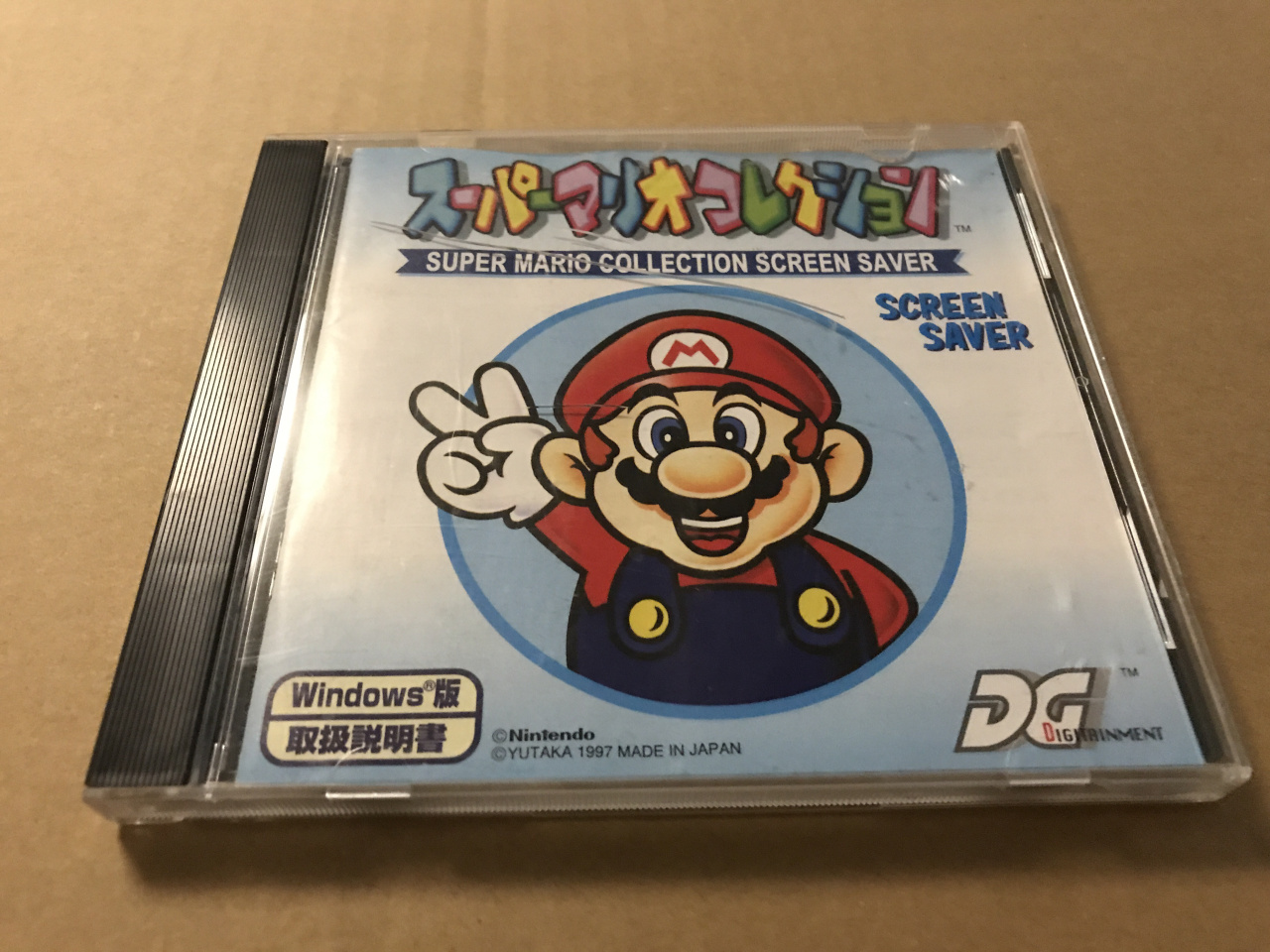
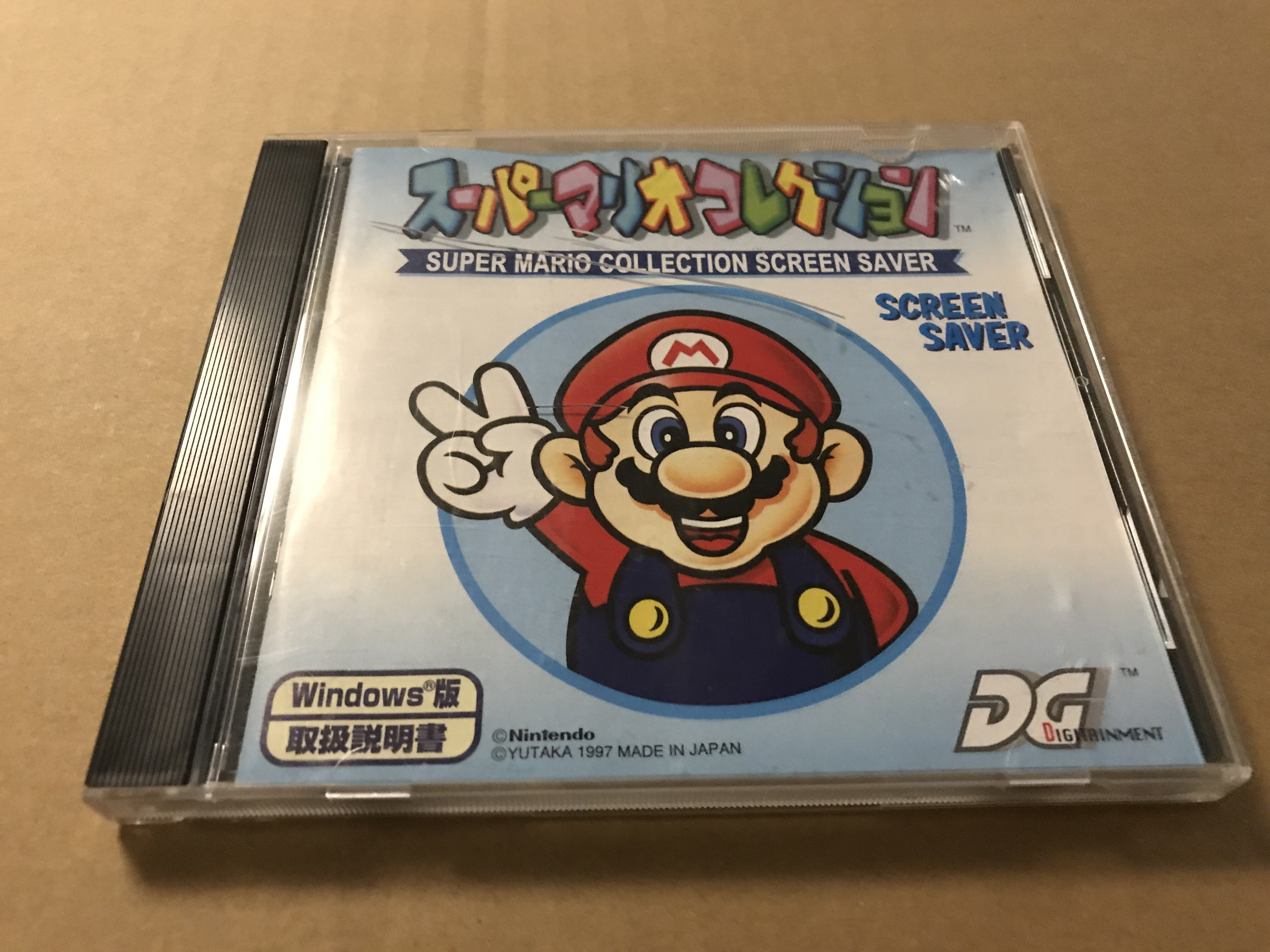
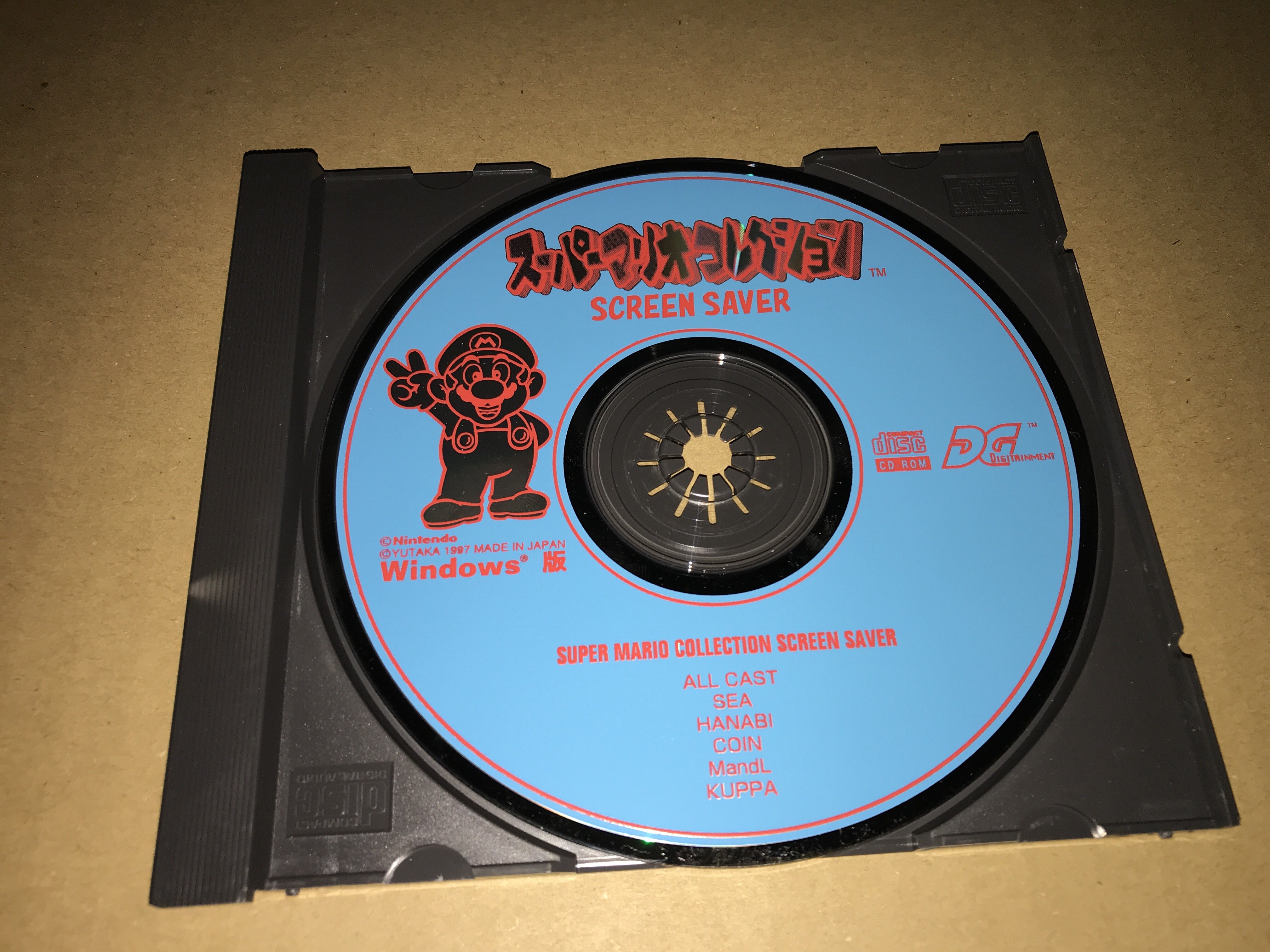
If you are in need of a digital retro fix, Nintendo preservation specialist “The Forest of Illusion” has uploaded a lovely Japanese Super Mario Collection screensaver set to the internet archive, with the help of a few others. This set was originally released by Nintendo as a CD-ROM for Microsoft Windows in 1997 and contains a total of six screensavers. Take a look at the original CD case and disc in the above and below photos.
In addition to screensavers, which you can see for yourself over on the internet archive, wallpapers and programs have also been uploaded. These include Mario themed calculators and clocks. The downside is these particular programs only work properly with a Japanese version of Windows 3.1, 95 or Windows 98. For the majority of readers that likely don’t have one of these older computers, check out the photos below:
Do you like old school digital content? Tell us below.