Learn how the Just Cause 4 physics systems were built at GDC 2020!
As you settle in for the winter and look to the year ahead, know that Game Developers Conference organizers have been working hard all year to line up some exciting, insightful content for GDC 2020 in San Francisco this March!
That includes a boatload of practical, technical talks from industry experts, including a great Programming track talk all about the intricacies of the physics systems in Avalanche Software’s hit game Just Cause 4. Titled simply “‘Just Cause 4: Physics Postmortem“, this is a key session to see if you want to see a breakdown of the basics of Avalanche’s open-world game engine (Apex) and the most important performance optimization techniques developed for the physics simulation of Just Cause 4 — including its extreme weather and destruction.
So come out to GDC and learn all about Avalanche’s production process; walk away with an understanding of the most challenging problems of the physics of an open world game like Just Cause 4 and how they were addressed during development!
Next year GDC 2020 runs from Monday, March 16th through Friday, March 20th. This will be the 34th edition of GDC, and now that registration is officially open, you’ll want to take a look at the (ever-expanding) session schedule and your GDC pass options — register early to lock in the best price!
Best Of 2019: The Most Important People In Nintendo History
From now until the end of 2019 we’ll be celebrating the coming year by looking back and republishing some of our finest features from the past twelve months, in addition to our regular output. This article first appeared on the site back in March. Enjoy!
In September 2019 (Monday 23rd, to be exact) Nintendo celebrates its 130th anniversary. Founded back in 1889, it famously started out as a manufacturer of playing cards. Eventually, the company went into the toy market with the Ultra Hand, an extendable arm developed by an employee in his spare time. Those gadgets quickly led to the development of more sophisticated electronic toys.
The Ultra Hand’s creator, Gunpei Yokoi, would go on to develop the Game & Watch handhelds (where the D-pad debuted) and the all-conquering Game Boy. For these reasons, Nintendo fans are familiar with his name, as well as that of a certain student who joined the company in the mid-’70s, working under Yokoi as Nintendo took its first tentative steps into the realm of arcade and home video games.
As the father of Mario, that student – Shigeru Miyamoto – has become synonymous with ‘Nintendo’ to an extent. However, as the celebrated figurehead behind some of the greatest video games in the medium, he is often credited for successes that he had only a cursory hand in developing. Back in the 1980s, employees at many Japanese companies were treated as mere ‘salarymen’ and credits (if the game had any) often used pseudonyms, meaning reliably identifying who did what can be difficult. Couple this with the managerial structure, games with multiple directors and cross-pollination between disciplines – and the inevitable toll time takes on the memories of those involved – and piecing together exactly who worked on some of the biggest video games of all time can be tough.
Fortunately, Nintendo’s history is more storied than many of the companies developing games in the era. Many of the company’s luminaries are still there after thirty years or more, and the Iwata Asks series of developer interviews conducted by then-President of the company Satoru Iwata provided valuable insight into that bland-looking building in Kyoto, its personnel and development processes. Gotta love those Nintendo overalls.
In this feature, as well as looking back at the well-known contributors to Nintendo’s success, we hope to acknowledge some of the lesser-known employees as well, highlighting a broad spectrum of talent that has worked to bring us the games we’ve loved. Of course, any selection of this kind is bound to omit key figures in the rich history of the company and its games; with so many departments and divisions involved in making video games, it would be impractical to list every significant person, and this selection is large enough already.
Large as it is, the almost total lack of women on this list is startling to see in 2019, perhaps reflecting the corporate culture prevalent at the time of its rise to the top, and the lack of opportunities for women in engineering back then. Happily, that appears to be slowly changing; Nintendo recently highlighted the diversity that characterises the company nowadays and, hopefully, we’ll see the fruits of that reflected as it continues to evolve.
So, while the history of Nintendo is a tapestry made up of hundreds of important contributors, it’s difficult to imagine it being in the position it is today without the following roster of people. For better or (sometimes) worse, it’s these people who have steered the good ship Nintendo into our gaming memories, so let’s take a look at some of the big hitters and a few of their notable achievements over the last 130-ish years…
Fusajiro Yamauchi
Best to start at the beginning, no? Fusajiro Yamauchi founded Nintendo to make Hanafuda playing cards which kept the company in business for a good sixty years or so. He was the man responsible for christening the company – the debate over the exact origins and meaning of ‘Nintendo’ is an article in itself. A little more vanity and who knows – we could have been playing the Yamauchi Entertainment System. YES.
Fusajiro Yamauchi’s son-in-law, Sekiryo Kaneda, would go on to succeed him as president, taking Yamauchi’s name when he took over the role in 1929, and the founder’s great-grandson would become Nintendo’s third – and longest sitting – president…
Hiroshi Yamauchi
A severe-looking individual with a reputedly fiery temper, Hiroshi Yamauchi is the man responsible for moving Nintendo away from playing cards and moulding the company into its modern guise. After brief dalliances in a wide variety of areas in the early 1960s (including taxis and ‘love’ hotels), Yamauchi redirected the company into the toy market and consequently into video games.
Famously more interested in playing Go than any of that video game nonsense, Yamauchi’s gifts included recognising talent when he saw it, filling Nintendo’s ranks with the best people and having an uncanny ability to divine what was needed in any given situation – the addition of a second screen to Nintendo DS came at his insistence despite having retired and relinquished his presidential post to Satoru Iwata. It seems he had some ’eccentric’ policies, but his iron fist approach to business held him and his company in very good stead for 53 years.
Shigeru Miyamoto
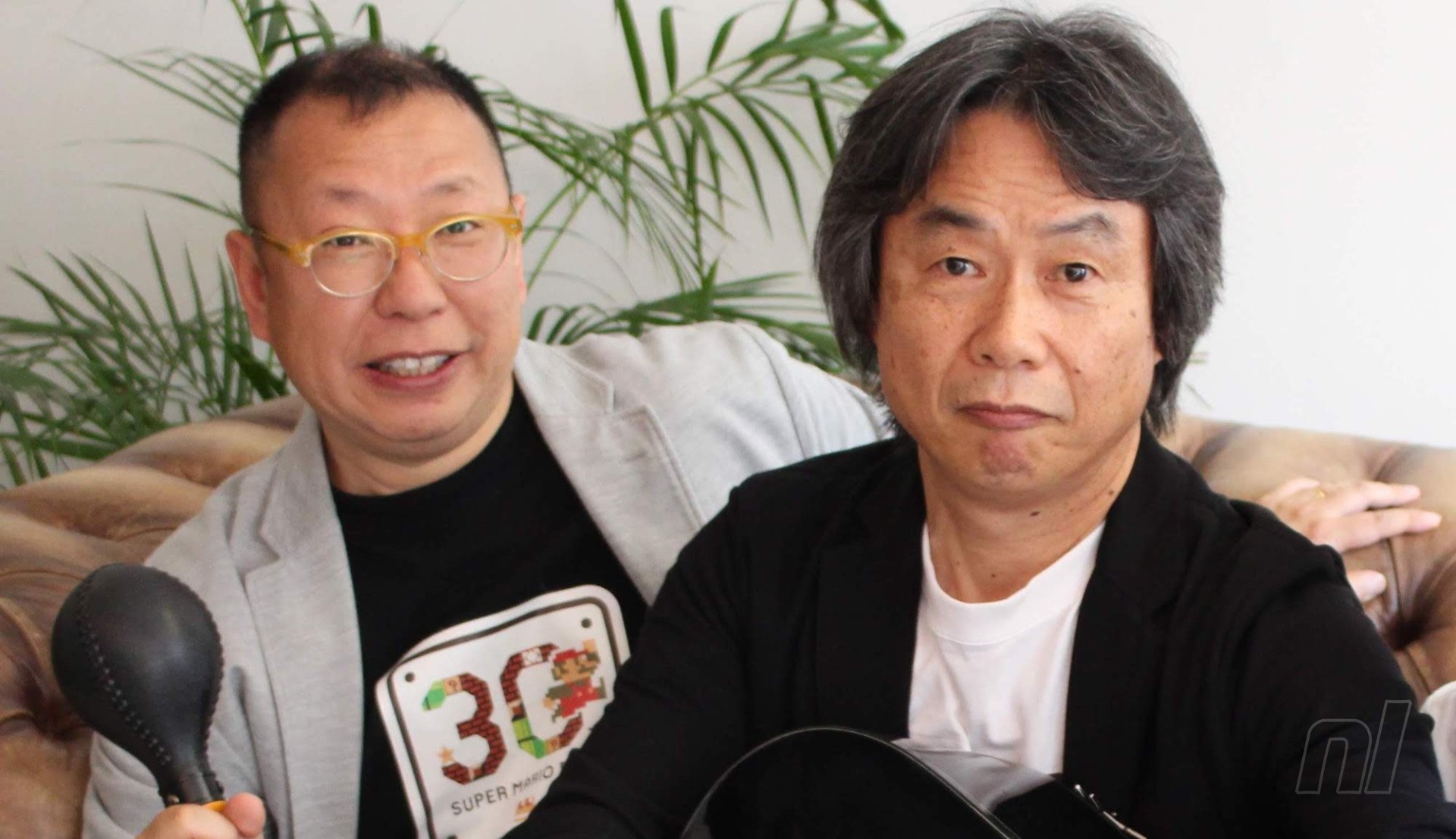
‘Who’s this reclusive shadowy figure?’ you ask. A creative fellow in deeds and title, there’s no need to dwell on this guy – as you well know, he’s had a hand in making more great games than you’ve had hot dinners. His hobbies include upending tea tables, exploring new cities without a map, gardening and playing the banjo, and he likes to turn those experiences into video games; most of the time, that goes very well indeed. We’ll let the odd Wii Music slide – they can’t all be winners.
He’s reportedly a hard taskmaster that doesn’t dole out praise easily, but he’s been training up the next generation of developers and gradually adopting the role of overseer and ambassador. Our colleague Ryan still regales us with the story of meeting Miyamoto (and the next person on our list) and it still makes us green with envy. Come to think of it, that’s probably why he does it.
Despite the stature of these games, it’s only really in recent years that Tezuka’s taken a more active role in the limelight. He accompanied Miyamoto and featured prominently in the promotion of Super Mario Maker and it feels like he’s finally enjoying some recognition for that list of classics above, plus a lot more besides which he has taken a key role in creating.
Masayuki Uemura
Originally an engineer with Sharp, Uemura is the man most directly responsible for designing the Famicom and its western counterpart, the NES. Having designed a slew of Nintendo’s early consoles, he’s behind the classic hardware iconography that Nintendo continues to tap to this day. For more information about this pivotal player in Nintendo’s history, check out USGamer’s interview with him.
As long as Nintendo continue to mine their catalogue for retro kudos, his influence will be felt.
Makoto Kano
Another long-term employee, having been with the company since the 1974, many people might see his producing credit on Super Metroid and say ‘yep, fair enough – he’s definitely on the list’, but Kano worked as Concept Designer on the original Metroid as well as Famicom Wars and Kid Icarus.
That’s three (okay, two-and-half) significant franchises that he helped create from the very beginning stages, laying the blueprints for future classics.
Satoru Okada
The director of Metroid and Super Mario Land, Okada worked primarily as an engineer on Nintendo’s handheld hardware, all the way from the original Game Boy up to and including the DS. He actually opposed the addition of a second screen initially, but the indomitable ex-president Hiroshi Yamauchi exercised his authority over naysayers as chairman of the board of directors.
The decision turned out to be another prescient one from Yamauchi, which Okada acknowledged. He retired in 2012 with an impressive lineage of Nintendo handhelds to his name.
Hitoshi Yamagami
This guy has one impressively long list of credits to his name and has had a hand in many of Nintendo’s best puzzle games including Dr. Mario, Tetris Attack (Panel de Pon in Japan) and Tetris DS. He’s the former manager of SPD2 (Software Planning & Development group 2) and has acted as producer on many more titles, most notably the Fire Emblem and Pokémon series.
Shinya Takahashi
A recognisable face from various Iwata Asks and the man who earlier this year delivered the news that Metroid Prime 4 would be restarting development, Takahashi is Senior Managing Executive Officer, whatever that is exactly. Browsing through his long list of credits, we could pick out his co-directing duties on Wave Race 64 as a particular highlight, but he has a staggering amount of General Producer credits.
He’s one of those people who despite having their fingerprints on dozens of classics, you probably wouldn’t think of if asked to name a dozen Nintendo employees. Bland, nebulous titles such as ‘Assistant Producer’, ‘Project Coordinator’ or ‘Supervisor’ obscure important contributions, especially in logistics, planning or localisation roles, meaning these people rarely get the recognition they deserve. Check out their credits, though, and you’ll likely be surprised to find just how many of your favourites they’ve worked on.
Hiroyuki Kimura
After joining Nintendo in 1988, Kimura did character design on Super Mario Bros. 3 before moving on to direct and design Metroid II on the Game Boy. He then did background design work on Super Metroid before joining Miyamoto’s EAD (Entertainment Analysis & Development) group. More recently he’s worked on the Pikmin and New Super Mario Bros. series. A very nice little resume, then.
Hisashi Nogami
Upon joining Nintendo in 1994, he was put to work designing characters for Yoshi’s Island. From that auspicious start he went on to direct much of the Animal Crossing series and has most recently been involved with production on the Splatoon games in his current role as Deputy General Manager for EP&D.
It’s hard to argue, though, that the most impressive thing on his CV is obviously the ‘Word Swooping’ he did on Rareware’s seminal 1998 3D platformer, Banjo-Kazooie (along with Keisuke Terasaki). Now that’s a video game.
Takaya Imamura
Another employee with a broad spectrum of talents, his design skills were first put to use on backgrounds and characters for F-Zero on the SNES and he’s been involved with the series ever since – we’re big fans of that franchise, as you may know. That’s wonderful, you may be thinking, but what’s he been up to for the past sixteen years? Well, he’s also involved in a similar capacity with the Star Fox series from the original game, where he worked with Dylan Cuthbert, right up to the bespoke Switch content for Starlink: Battle For Atlas.
Being the creator of Fox McCloud and Captain Falcon (and, perhaps most notably, Tingle), he also has a ‘Supervisor’ credit on Super Smash Bros. Ultimate. Having said that, practically everybody on this list gets a credit in Smash Bros.
Hideki Konno
After joining Nintendo in 1986, Konno designed levels for Super Mario Bros. 3 and Super Mario World before moving on to directing the Mario Kart series which he has remained involved with to this day. He was a director on Yoshi’s Story and Luigi’s Mansion and also worked on Nintendogs. He’s currently managing Nintendo’s mobile output, arguably the perfect person to oversee development on the upcoming Mario Kart Tour.
Satoru Iwata
Another very familiar name. Iwata’s background gave him an insight into game development that made him very much the ‘programmer’s president’, a total contrast to his predecessor. The first president to come from outside the Yamauchi clan, his tenure was characterised by opening up the company to a broader audience with the Nintendo DS and Wii and communicating more directly with that audience through the Nintendo Direct presentations. He also helped feed fans’ curiosity for behind-the-scenes information about games development with the Iwata Asks interview series.
That’s just his presidential legacy – before joining Nintendo he was a programmer at HAL (and became president there, too, at the behest of Hiroshi Yamauchi) working on multiple games including Kirby, Earthbound and Super Smash Bros.. It was famously down to his programming skills that Pokémon Gold and Silver featured the entire Kanto region in addition to Johto, and when things got tough around the Wii U era he took a pay cut and put Nintendo on the trajectory to the success its now having again with Switch. His death in 2015 was felt across the industry but his fingerprints can still be found across Nintendo and the company’s output.
Gunpei Yokoi
The man behind the D-pad, the Game and Watch series, the Game Boy and steering Nintendo into the toy market with the Ultra Hand, Yokoi’s impact on Nintendo and the gaming industry at large was tremendous. He left the company in 1996 following the failure of the Virtual Boy and developed the WonderSwan handheld console before his death in a traffic accident in 1997. He also had a hand in producing Metroid and Kid Icarus.
Yokoi was a bit proponent of using ‘mature’ technology to deliver fun experiences, from the toys developed in the early days up to the humble Game Boy. This approach has characterised Nintendo’s home console development ever since it left the graphical ‘arms race’ after the GameCube and adopted Yokoi’s approach with the Wii. So it continues with the Switch – a console delivering new experiences and ways to play using established, proven technology.
Yoshiaki Koizumi
The most current and recognisable face of the Mario franchise (after Miyamoto, of course), Koizumi has been responsible for the plumber’s most recent, most excellent series entries. Don’t let that youthful face trick you, though – he’s a veteran of the company whose first game was A Link To The Past for which he provided the back story and some design work.
He would go on to be an assistant director on Super Mario 64 with Takashi Tezuka and Shigeru Miyamoto, so he’s hardly the fresh-faced new kid on the block you may think. As sole director on Super Mario Galaxy and Super Mario Sunshine, he’s proven that Mario has a very bright future when Miyamoto retires to play banjo in his garden.
Tadashi Sugiyama
Joining the company in 1983, Sugiyama’s design work informed several games from the early NES and SNES period. He designed the Ice Climbers and his first directing credit was on Zelda II: The Adventure of Link. He then moved on to the Mario Kart series and F-Zero, more recently with producing duties on Wii Fit and Star Fox.
Eiji Aonuma
First starting out as a designer on NES Open Tournament Golf, Aonuma has shaped the Zelda series for many years now. It was his work on the Japanese-only SNES title Marvelous: Another Treasure Island that got him noticed by Shigeru Miyamoto, who promptly got him to work designing dungeons for Ocarina of Time.
He then went on to co-direct Majora’s Mask (with Yoshiaki Koizumi, in fact) after which he was given the keys to the series which he has overseen ever since, so his influence on one of Nintendo’s crown jewel franchises cannot be understated.
Yoshio Sakamoto
Sakamoto is a veteran of the company since 1982 and responsible for the direction and writing behind most of the major Metroid games since Super Metroid (minus the Prime games). ‘Nuff said, really.
While his reputation as ‘Mr. Metroid’ makes him a revered member of Nintendo’s creative workforce – especially in the west – he is also heavily involved with the design of the brilliant WarioWare microgame series as well as production of the Rhythm Heaven games.
Koji Kondo
The musician behind many of the classic tunes from the Super Mario and Zelda games, it’s his music that brought those 8-bit worlds to life. Nowadays the incredible scale of Hyrule can be realised in three dimensions, as we’ve seen in Breath of the Wild, allowing the music to take a backseat – an accompaniment to the world. Back on the Famicom, though, make no mistake – it was Kondo’s music which made Link’s adventures epic.
These days he’s supported by a talented team of composers including Naoto Kubo, Shiho Fujii, Mahito Yokota, Toru Minegishi and Yasuaki Iwata to name a few, but the original themes he wrote for those smaller compartmentalised worlds continue to echo through the company’s biggest games; part of the fabric of those places and of Nintendo itself.
Katsuya Eguchi
Starting at the company in 1986, Eguchi was a designer on Super Mario Bros. 3 and moved on to directing with Star Fox and Wave Race 64 before taking on the Chief Designer role with Yoshi’s Story. He’s produced many games across the Wii, Wii U and 3DS consoles, but these days he’s probably best known as the creator of the Animal Crossing series.
Genyo Takeda
Takeda retired in 2017 after spending 45 years at Nintendo. According to Shigeru Miyamoto and Satoru Iwata (and they’d probably know), he was Nintendo’s first ever game designer working on an arcade game called EVR Race. Later on he would mastermind Punch-Out!! and StarTropics but he spent most time developing console hardware – he worked alongside Masayuki Uemura designing chips for the Famicom/NES and was heavily involved in the development of the Wii.
Minoru Arakawa
Nintendo of America’s first president and a key figure in bringing NES to the US, he was also Hiroshi Yamauchi’s son-in-law. Yamauchi’s ‘encouragement’ led to his deployment overseas and directing his efforts to establishing Nintendo’s presence in the USA. It’s Arakawa who christened the plumber hero of Donkey Kong ‘Mario’ and he who shaped the west’s perception of the company following the video game crash of 1983.
Of course, Arakawa didn’t work alone in his efforts to translate Nintendo for a western audience. Other players were integral to introducing the company to the US market, including Peter Main, Gail Tilden and the next person on our list…
Howard Lincoln
Lincoln practised law by trade and became a Nintendo employee in 1983. He had been responsible for hiring the lawyer who won a big case for them in 1981, saving the company after Universal Studios took it to court over the usage of ‘Kong’ in the title Donkey Kong. As Chairman of Nintendo of America, he represented the company during the US Senate hearings on video game violence, famously stating that Night Trap would never appear on a Nintendo system. You can’t win ’em all.
Together with Arakawa, he laid the foundations for today’s NOA through canny marketing and business deals. He also worked closely with this next guy to secure a very important title for the Game Boy…
Henk Rogers
A Dutch designer who led development of The Black Onyx, one of the very first turn-based role-playing games in Japanese, Henk (not Hank) Rogers is most famous as the man responsible for securing the licence to Game Boy’s killer app, Tetris. The race to Russia to get those rights has been documented various times, including in a BBC documentary that we thoroughly recommend – it’s a fascinating yarn involving confusion, dirty dealings and subterfuge. Some of the people on this list are interviewed and the whole debacle provides a great insight into the goings on at the company and the industry at large in the ‘80s.
Rogers went on to form The Tetris Company where he still works as Managing Director. An absolutely pivotal figure in Nintendo’s handheld story and, arguably, in the popularisation of RPGs in Japan. You can read more about Rogers’ incredible story and his relationship with Hiroshi Yamauchi in our feature from last year by the brilliant John Szczepaniak.
Chris and Tim Stamper
The brothers behind developer Ultimate Play the Game, the company would become Rareware and create some of Nintendo’s biggest successes of the Super Nintendo and N64 eras. The Donkey Kong Country series gave the SNES a brilliant send off, but when Sony’s PlayStation was giving N64 a real kicking in the late ‘90s, it was incredible games like GoldenEye 007, Banjo-Kazooie and all Rare’s other hits that kept the candle burning for Nintendo fans.
Following Microsoft’s 2002 acquisition of Rare, the brothers left in 2006 and have kept a relatively low profile ever since (Tim popped up on Twitter in 2015 with some juicy tweets about cancelled SNES game Project Dream, the game that would ultimately morph into Banjo-Kazooie). There’s no doubt, however, that Nintendo’s history would be very different without Rare’s games bolstering the N64’s library.
Masahiro Sakurai
Formerly of HAL Laboratories and the father of Kirby and Super Smash Bros., Sakurai has famously done the same deal with the devil as Patrick Stewart and Cher, which causes great confusion when he tries to join in with the 10-year-challenge pic trend. Somewhere in a Japanese attic, there’s a ghastly-looking portrait of Mr Sakurai.
Considering the multiple stories that suggest he puts absolutely everything into his work – to the detriment of his own health – it’s even more surprising the years haven’t taken their toll on his youthful looks. As well as his most famous gaming progeny, he also led design on puzzler Meteos and writes a weekly column for Japanese gaming bible Famitsu. His dedication has helped Nintendo immeasurably, although once he’s finished up with the Smash Ultimate DLC packs, we hope he gets some much-needed R&R.
Hiroshi Imanishi
Imanishi is the man who helped to convince Yamauchi that toys and electronics were where Nintendo should be. He founded the Games division of the company back in 1969 and was also responsible for recruiting Gunpei Yokoi, Genyo Takeda and Masayuki Uemura. So, without this guy, Nintendo wouldn’t have those guys. Pretty integral, we’d say.
Kensuke Tanabe
Tanabe’s first credit is as director of Doki Doki Panic, the game that would evolve into Super Mario Bros. 2 in the west. Following that, he did design work on a great number of platform games, including many of the Kirby games, plus writing on the Zelda series including A Link To The Past, Link’s Awakening and Ocarina of Time. More recently he’s done production work on dozens of titles, perhaps most notably on the Metroid Prime series – he’s listed as a producer on the upcoming Metroid Prime 4, so he’s no-doubt got his nose to the grindstone as we speak.
Hirokazu ‘Hip’ Tanaka
While Koji Kondo gets the credit for Mario and Zelda, much of the music from the NES’ early catalogue comes from this man. Adept with earworm-y melody and textured ambient tracks alike, he helped drag video game music out of the realm of mere blips and blops. Whether it’s his infectiously bouncy Balloon Fight tune, the unnerving atmosphere of Metroid, the catchy jingle and effects of the original Donkey Kong or that tune from the Game Boy version of Tetris, Hip Tanaka created a soundscape for Nintendo in the ’80s that would go on to shape video games as a whole.
A most excellent person by all accounts, he occasionally performs in clubs and other venues under the name Chip Tanaka. Although he left Nintendo in 1999, he’s been with Creatures, Inc. (one of the three entities that comprises The Pokémon Company along with Nintendo and Game Freak) ever since, becoming its president in 2001.
Tatsumi Kimishima
Glance at Kimishima’s CV and you might conclude that he’s the man you tap for interim executive positions. Despite keeping a generally low profile, he spent two years working at The Pokémon Company before succeeding Minoru Arakawa as president of Nintendo of America in 2002 (after which Reggie took the reigns). In 2015 he was the go-to guy for the worldwide presidency when Satoru Iwata suddenly passed away. He shepherded Switch to market in 2017 and helmed the ship until Shuntaro Furukawa took over in 2018. Although he may not play the showman like certain others on this list, he’s quietly overseen a great many of Nintendo’s successes from positions all over the company.
Reggie Fils-Aime
Yes, yes, we’ve included the big guy. His marketing nous and strategising have been key to the company’s continued success in the US. Although he can only sell what he’s given to work with and ultimately has little influence on the overall direction of the Japanese company, Reggie’s tenacity and personality as the face of Nintendo in the west has elevated him in the minds of many gamers. From a PR perspective, he’s had a tremendous effect on the perception of Nintendo, despite having little influence over the company’s products. For that reason, we think he deserves to sneak onto the list.
There are many more people who have contributed greatly to our favourite games, of course – check out the likes of Masamichi Abe, Shigefumi Hino, Keisuke Terasaki and Risa Tabata, for example. Other people are still something of an unknown quantity – incoming NOA president Doug Bowser and current worldwide president Shuntaro Furakawa, for example, haven’t had enough time to make an impression. Game development – both hardware and software – is a long process, and only over the coming years will we see the results of recent decisions and how their influence is shaping modern Nintendo.
There are also other famous names like Nintendo Treehouse veteran Bill Trinen or even the voice of Mario, Charles Martinet, who have made massive contributions, but they’re fundamentally working with material they’re given by Japan. Still, they’re key figures in the overall story and the Nintendo we know and love today wouldn’t quite be the same without them.
If you’re interested in learning more about the key figures behind the company, we’d recommend the Iwata Asks archive on Nintendo’s website. It’s a fascinating behind-the-scenes look featuring interviews with many of the above names, including people from the very beginning of Nintendo’s experiments with video games. The entire series forms an important historical document and we’d love to buy a beautiful hardback book full of those interviews and the development materials they contain – get on it Nintendo! (laughs)
Who else can you think of that’s contributed to some of your best Nintendo gaming memories? Let us know in the usual place.
Editorial: Merry Christmas And Happy Holidays From Everyone At Nintendo Life
It’s been an amazing year for Nintendo fans, it’s fair to say. The dark days of the Wii U are long behind us and the arrival of the Nintendo Switch – now entering its third holiday season – has resulted in a tidal wave of interest in all things Nintendo.
Not only has that meant that we’ve seen a flood of amazing games come to the console – both in physical form and digitally via the eShop – but it also means that 2019 was Nintendo Life’s biggest year ever in terms of traffic.
In short, Christmas 2019 is likely to be another bumper season for Nintendo and we expect a great many people will be joining the party when they rip open their presents on Christmas morning. If you’re one of those people who is visiting this site for the first time now, welcome – and check out our guide to the best Switch games to see what your next purchase should be.
Needless to say, we couldn’t do what we without the support of you, our readers. We hope you’ve enjoyed the content we’ve put live during the past 12 months, and we hope that 2020 is just as exciting.
So, from everyone at Nintendo Life, we wish you a very Merry Christmas and an incredibly Happy New Year – and we’ll see you in 2020 for another year of Nintendo coverage.
Xbox Game Pass: Microsoft Wants To Cut Down On Long Download Times
Microsoft is pleased with the success of Xbox Game Pass but is looking to improve the service going into the next console generation. As Microsoft transitions from Xbox One to Xbox Series X--the official name for Project Scarlett--it wants to make it easier for subscribers to try new games without having to wait through long download times.
"We now have a generation where our customers have access to hundreds and hundreds of games in their portfolio and we've never really had that," Xbox head Phil Spencer told GameSpot in an exclusive interview. "[Previously] my portfolio of games is usually down to what discs do I happen to own right now and what games have I purchased digitally. But if you're a Game Pass subscriber, you have access to hundreds of games and your friends list has access to that same shared library of games."
Spencer continued: "And we think that community opportunity--as we bring the community of our players together with a really creative community of developers [who are] building some immersive games and creative games that land on Game Pass--there's some things that we wanted to work on to make it easy to try your next game." Spencer admits there's too much waiting when it comes to trying new games. After seeing a screenshot of a cool-looking game in the Xbox Live store, it's not like you can then start playing right then and there.
"Download times are an issue, time to get into the game, load times, these things," Spencer said. "And when you have such a broad portfolio of games that you have on Game Pass and the community of people who are in Game Pass, where somebody might literally drop you a line on Xbox Live saying, 'Hey, you should go try Minit it's a really cool game,' we want you to be able to browse games the way you browse other forms of media."
In this regard, with Xbox Series X, Microsoft is focusing on cutting down on the overall load times of the platform--even to the point where you'll be able to keep multiple games suspended at once and load back into whatever you want to play next.
A-Frame is a 3D entity component system built over top of the open source Three.js 3D rendering framework that aims to provide an easy way to create VR and AR experiences that run in the browser. A-Frame just released version 1.0.0 with the following features (from the release notes on GitHub):
Major Changes
A-Frame is an open source MIT licensed project available here on GitHub. You can learn more about A-Frame in the video below.
Calm Yourselves, Splatoon 3 Wasn’t Just Teased By Nintendo After All
The last twelve hours or so have been rather stressful for Splatoon fans, with excitement, nerves, and confusion all coming their way thanks to the belief that maybe – just maybe – Nintendo had teased a ‘Splatoon 3’.
As it happens, that’s not the case at all, but with the phrase ‘Splatoon3’ trending online and with plenty of Inklings and Octolings out there getting a little too excited for their own good, we wouldn’t have blamed you for believing it, too. So what happened?
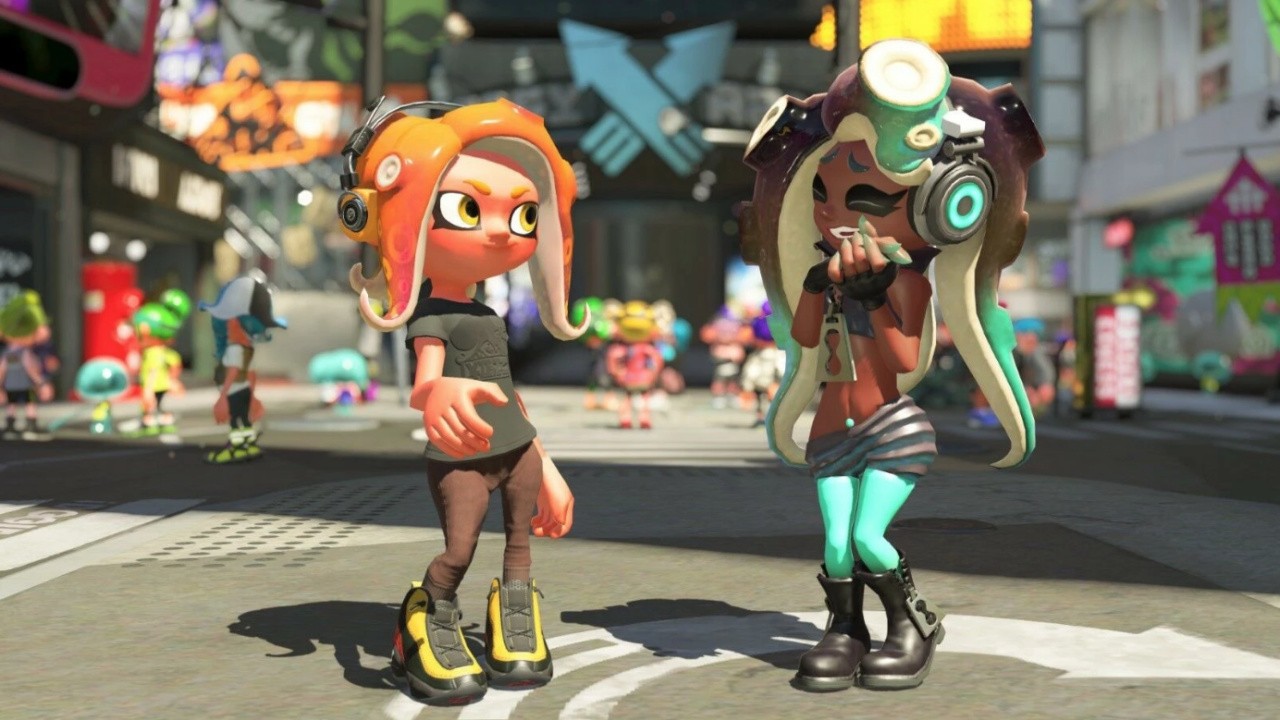
Well, around twelve hours ago from the time of writing, Nintendo of America posted this image to Instagram. It shows Callie and Marie of the original Splatoon alongside Pearl from Splatoon 2, but Marina is missing. Nintendo even made a point of saying ‘But where’s Marina?’ in the caption.
Shock. Panic. Utter confusion.
Some fans thought she might have been kidnapped, teasing a story set to take place in an upcoming, as yet unannounced Splatoon 3, and the excitement spread like wildfire. Strangely, the comments on that post reveal that an alarming number of people even thought she might have been killed off altogether.
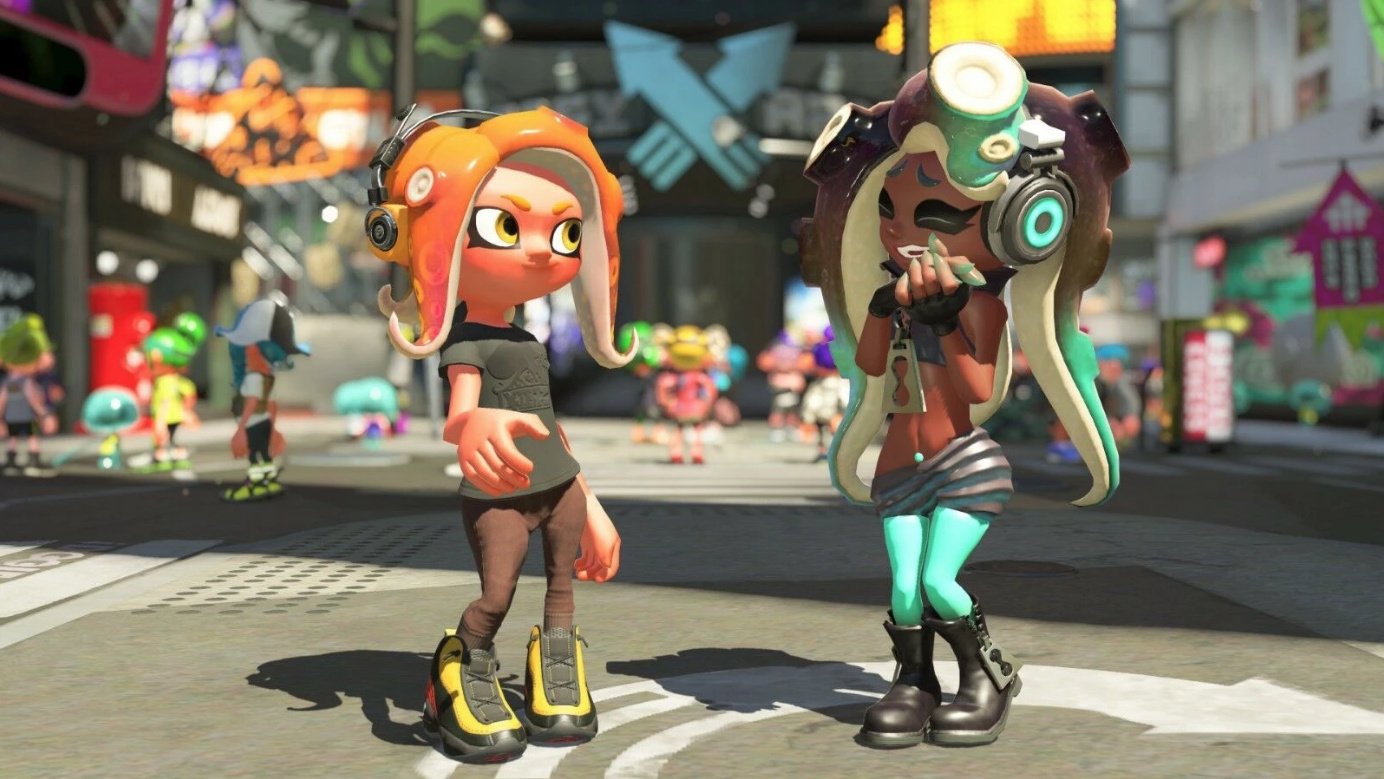
As it happens, she’s still alive – thank goodness – but there’s no Splatoon 3 (yet). It turns out she was just taking the photo, as revealed by this second image posted by the same account eleven hours later. Either Nintendo deliberately left fans hanging for a while, or someone had to quickly scramble a new image together to make sure everyone could see that she had not, in fact, been brutally murdered.
We’re as excited for an eventual Splatoon 3 as the next person, but we’d argue that it’s probably for the best we’re not getting another game so soon. We’re sure it’ll happen when the time is right.
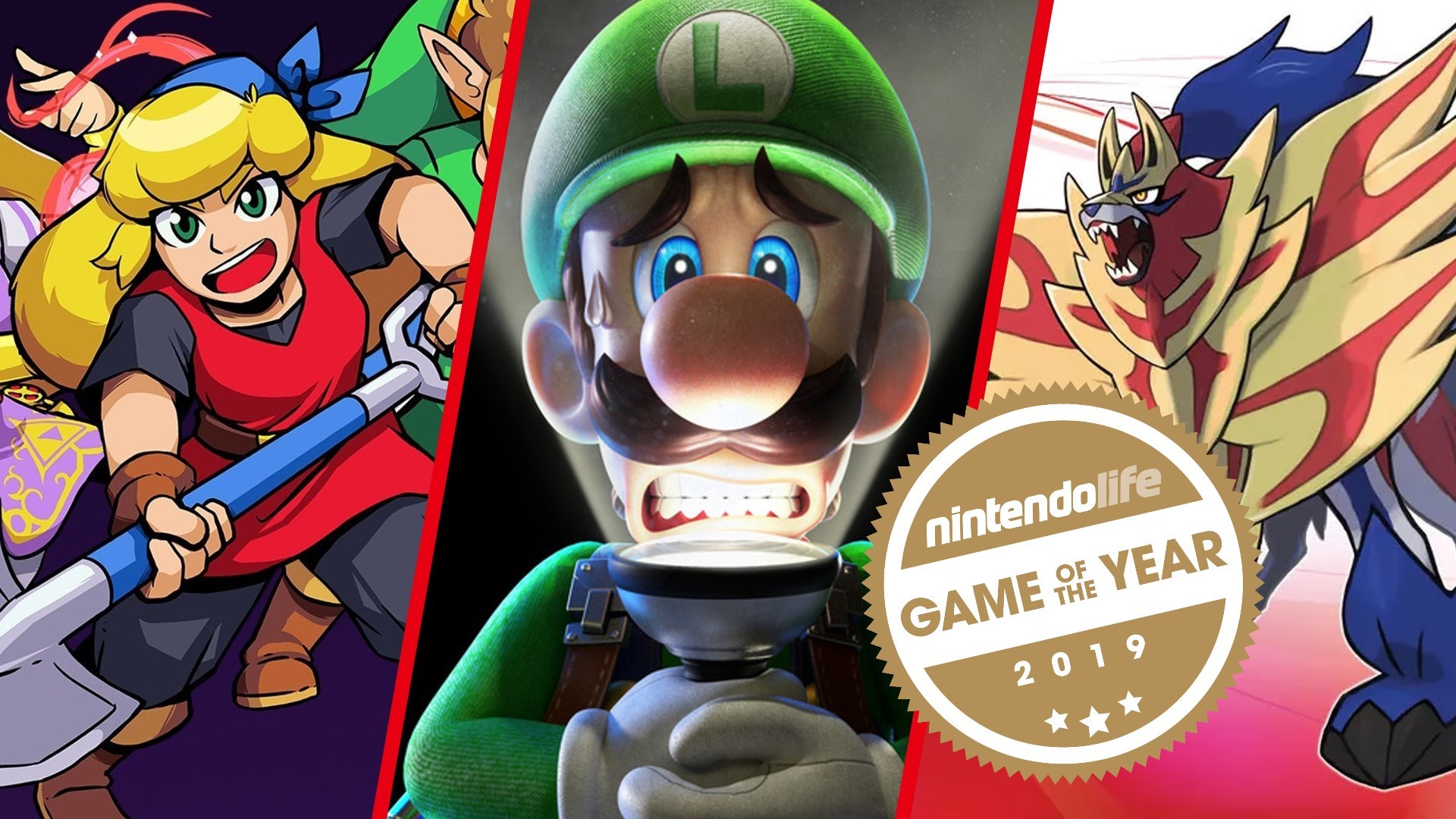
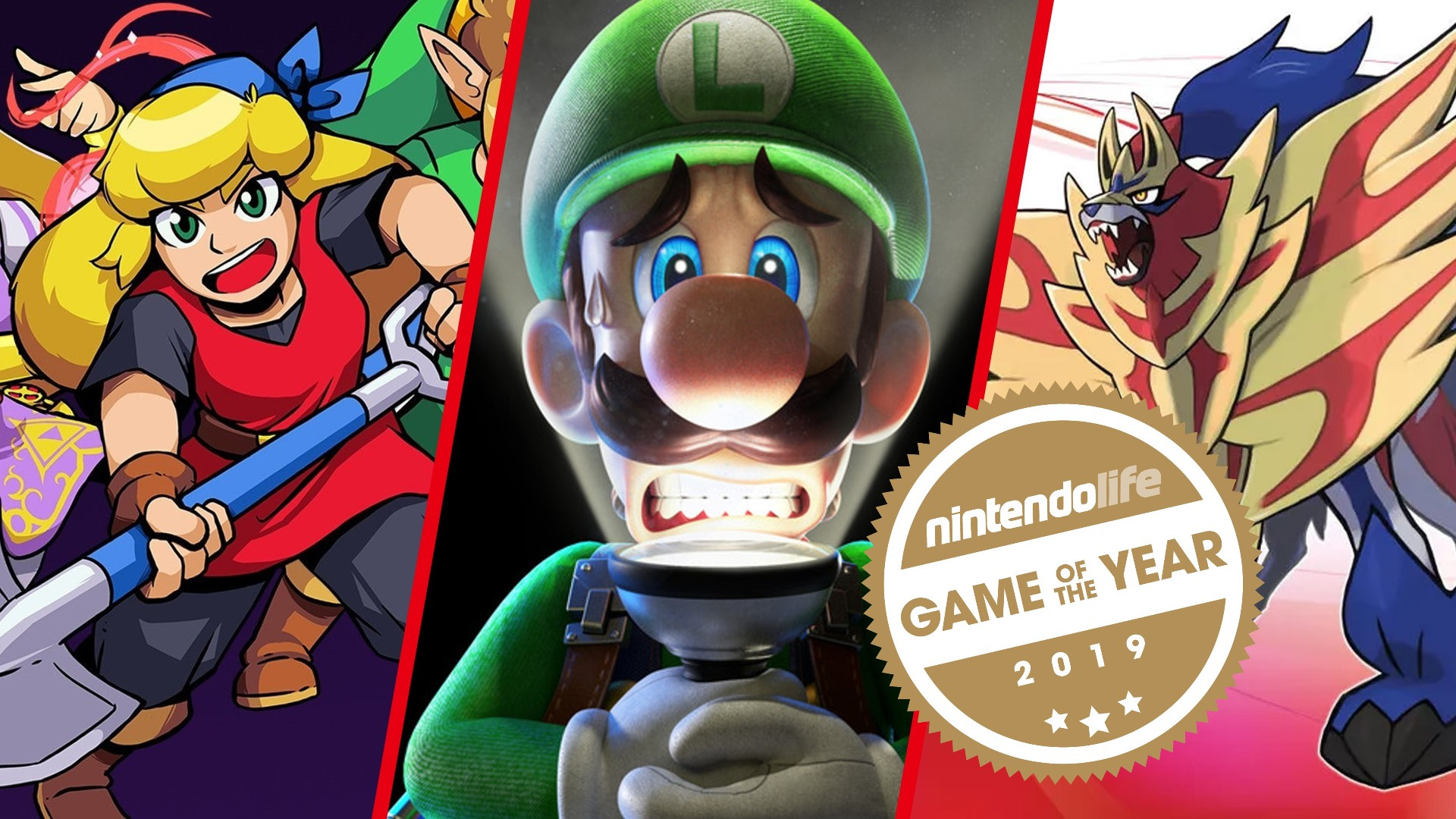
Feature: Nintendo Life’s Switch Game Of The Year 2019
As we look forward to what 2020 holds, it’s that time of year to take stock and to look back wistfully on 2019. It’s been a busy one, that’s for sure, and on reflection it’s clear that the past twelve months have been particularly fine ones for Nintendo fans.
But which were the absolute tip-top Nintendo gaming highlights of 2019? Well, the staff and contributors that make up Team Nintendo Life have taken a long hard look at the year’s finest releases and come up with the following Top 10 (ish) Switch games of the last 365 days. It involved blood, sweat, tears and an overly complicated Google Doc, but we’ve made it out the other side having voted for our personal favourites and whittled down the following ranked list of winners.
The reader-voted version of this GOTY 2019 (coming tomorrow) list goes up to a whopping 50 games and will obviously feature many of the titles bubbling under on this staff list, so be sure to check that out to get a look at the other great games released in 2019, ranked according to Nintendo Life readers. This here, though, is our personal Top 10 games for Nintendo Switch in 2019.
We start, naturally, at number 11. Why? Well, we simply had to squeeze in at least one of the great games bubbling under the top 10…
Publisher: Nintendo / Developer: Intelligent Systems
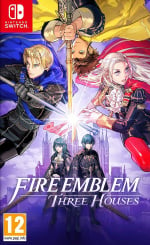
You know it’s been a cracking year when Fire Emblem: Three Housesdoesn’t make the top 10. Bringing the SRPG to home console for the first time since the Wii, Three Houses brought with it a rich narrative through its Hogwarts-style school setting which gave series veterans something totally new, all the while retaining the brilliant grid-based battling you expect from a Fire Emblem game. The nuance of the characterisation and the freedom afforded you to mould and tutor your students gives Three Houses a special flavour which keeps you coming back for more, hour after hour.
With DLC to enjoy after you’ve exhausted the main game and plenty of replayability if you want to explore the road not taken, Three Houses is one of the year’s best-value first-party offerings in sheer playtime terms. More to the point, though, is that every single one of those hours will be a tactics-bone-tickling treat.
Please note that some links on this page are affiliate links, which means if you click them and make a purchase we may receive a small percentage of the sale which helps support the site. Please read our FTC Disclosure for more information.
Publisher: Team17 / Developer: Playtonic Games
Release Date: 8th Oct 2019 (USA) / 8th Oct 2019 (UK/EU)
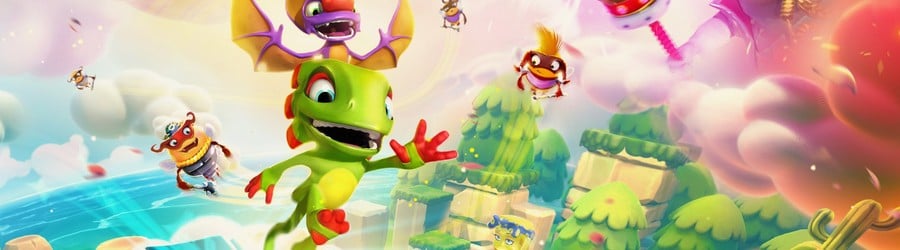
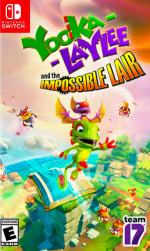
The original Yooka-Laylee captured the spirit and fun of old-school collectathon 3D platformers, although some might argue it brought a few too many of the dormant genre’s flaws back with it, too. This year’s sequel switched the main gameplay to 2D while evoking the Donkey Kong Country series’ monkey business, but is also added a brilliant top-down overworld, some very clever stage design and the ability to go straight to the final boss, if you reckon you’ve got the chops for it.
Yooka-Laylee and the Impossible Lair looks and sounds gorgeous, features ingenious design and the same mischievous spirit of our very favourite Rare-like platformers, and it was a pleasure to see them back in 2019.
Publisher: Nintendo / Developer: Nintendo
Release Date: 28th Jun 2019 (USA) / 28th Jun 2019 (UK/EU)
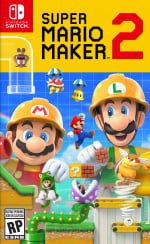
Taking the genius of the original Super Mario Maker concept and transplanting it to Switch, Super Mario Maker 2 is a 2D Mario fan’s dream. With updates having improved on the already-impressive launch experience, the Story mode made the game essential for people who weren’t interested in the ‘Maker’ part of the title, but for players who really got into the game’s mechanics it remains one of the most engrossing platforming experiences on the console. With updates still coming, there’s plenty in the pipeline to look forward to.
Publisher: Nintendo / Developer: Arika
Release Date: 13th Feb 2019 (USA) / 14th Feb 2019 (UK/EU)
Tetris 99 dropped onto Nintendo Switch Online when the service really needed a pick-me-up. Of course, the concept of a Battle Royale Tetris had been doing the rounds online as long as jokes about game series jumping on the BR wagon themselves had, but few could have predicted just what a great fit that melding of genres would be. The added tactical layer of attacking (and defending against) 98 other players adds a whole new dimension to a game you’ve probably sunk hundreds of hours into before.
Tetris 99 has since escaped the confines of Switch Online and released as a standalone product with DLC, so non-subscribers can get in on the action (although playing offline kind of defeats the purpose). Regardless of how you play, it’s an absolutely essential puzzler and well worth dipping into whether you’re new to Russian block-fallers or a three-decade tetromino veteran.
We just wish we weren’t so rubbish at it. Given the countless hours we’ve played in our lifetime, we struggle to think of another game where the gulf between our skill level and hours-invested is quite so wide.
Publisher: Nintendo / Developer: Brace Yourself Games
Release Date: 13th Jun 2019 (USA) / 13th Jun 2019 (UK/EU)
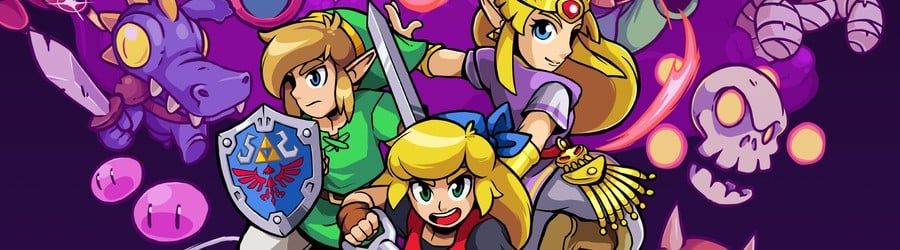
It always looked like a fun concept, but following on from the original Crypt of the NecroDancer, even fans of the original probably didn’t expect just how well Cadence of Hyrule would turn out. It fuses Hyrule with the beat-based gameplay of Crypt brilliantly, but also manages to be an excellent Zelda game in its own right – no small feat for Brace Yourself Games, an indie outfit given the keys to one of Nintendo’s most treasured franchises.The developers did the series – and the series’ incredible music – proud. If you missed out on this earlier in the year, there’s no time like the present to catch up.
If there was one game which spread its wings (a little aggressively, perhaps) and drew the attention of the non-gaming social media in 2019, it has to be Untitled Goose Game. The uncouth goose hijacked the internet for a month and you couldn’t scroll through a feed without seeing the blighter popping up all over the place.
The game itself was a blessed tonic with just the right mix of charm, anarchy and childlike mischief which didn’t outstay its welcome. Sometimes you just want to sit down for a few short hours and have a nice, concise and, most importantly, fun gaming experience. That’s exactly what Untitled Goose Game provided – a guilt-free, bite-sized slice of fowl gaming that wouldn’t be clogging up your backlog for months on end. Lovely.
Posted by: xSicKxBot - 12-26-2019, 09:05 AM - Forum: Lounge
- No Replies
Resident Evil 3 Remake - Mat Paget's Most Anticipated Game Of 2020
2020 is almost here, so we've asked GameSpot's staff to share which games they're looking forward to most in the new year. New consoles are going to dominate the headlines, but at the end of the day it's all about the games, and there are a ton of exciting ones to look forward to. When you're done reading this entry, follow along with all of our other end-of-the-year coverage collected in our Best of 2019 hub and our Most Anticipated of 2020 hub.
There isn't a video game series I love more than Resident Evil. We've had our ups and downs, but like any good relationship, we've stuck it out through thick and thin, through the good times and the bad (I'm looking at you, Resident Evil 6). Lately, things have been going well. Resident Evil 7 proved that Capcom can still make an excellent, scary Resident Evil game, and this year's Resident Evil 2 proved that Capcom understands what's good about the classics and how to modernize them properly. That's why I'm particularly excited about Resident Evil 3 next year.
We're still fresh off the announcement of Resident Evil 3's remake, but from what we know, it's going to be similar in style to Resident Evil 2. Producer Masachika Kawata--also the producer of Resident Evil 7--noted that the original Resident Evil 3 edged further into action than Resident Evil 2, but despite the bigger methods of firepower, it still wasn't an action game in the same vein as Gears of War. It'll be interesting to see how far they take the remake in the action direction, and I hope they're able to strike the same balance the original had. We've already seen a new dodge move Jill has, which I'm sure will be extremely handy when face-to-face with Nemesis.
I'm also curious how they’ll follow-up on Mr. X with Nemesis. The thing about Mr. X in the original was that he was a much more scripted enemy and only appeared in the B-side of each character's campaign--if you played Leon's A campaign, then he'd appear in Clarie's B campaign and vice-versa. In the remake, however, Mr. X is a much more persistent threat and can show up almost anywhere in that whole dang police station. I worry this could make Nemesis less impactful since that's basically his whole M.O. (except with a rocket launcher in tow). I'm hopeful Capcom can evolve that character in a meaningful way, as they did with Mr. X.
The Resident Evil 2 remake also changed up some events, characters, and story beats. Like your typical movie remake, it shares similarities with the original but draws its own path with a different take on its events--and in some cases, different locations and events entirely. We know how the story is going to play out, but exactly how it happens will be new and interesting. I would play through Resident Evil 3's remake if it was the exact same game, beat-for-beat, but the chance of some new surprises has me clambering to get my hands on it.
It's a rarity to be treated to a remake like Resident Evil 2's, and while it's not guaranteed Capcom will strike gold twice with Resident Evil 3, I feel the developer has earned my trust with the direction it's taking the series. It's funny; Resident Evil 2 released in 1998 and 3 released one year later. Never would I have expected the same release timing for the remakes, a full 20 years later. If Resident Evil 3's remake can refine the formula like the original did in 1999, then we're in for another great nightmare.
With the end of the year approaching fast, it is a good time to look back at 2019 and go through the most popular articles on Fedora Magazine written by our contributors.
In this article of the “Best of 2019” series, we are looking at developers and how to use Fedora to be a great developer workstation
Make your Python code look good with Black on Fedora
Black made quite a big impact in the Python ecosystem this year. The project is now part of the Python Software Foundation and it is used by many different projects. So if you write or maintain some Python code and want to stop having to care about code style and code formatting you should check out this article.
Setting up a development environment, running integration tests, testing a new feature, or running an older version of software for all these use cases being able to create and run a virtual machine is a must have knowledge for a developer. This article will walk you through how you can achieve that using virt-manager on your Fedora workstation.
With the rise of Data science and machine learning, the Jupyter IDE has become of very popular choice to share or present a program and its results. This article goes into the details of installing and using Jupyter and the different libraries and tools useful for data science.
Fedora provides different container images, one of which is a minimal base image. The following article demonstrate how one can use this image to build smaller container images.
In 2019 the Go programming language turned 10 year old. In ten years the language has managed to become the default choice for cloud native applications and the cloud ecosystems. Fedora is providing an easy way to start developing in Go, this article takes you through the first step needed to get started.
Stay tuned to the Magazine for other upcoming “Best of 2019” categories. All of us at the Magazine hope you have a great end of year and holiday season.
Christmas Comes Early With ESP Ra.De. Psi’s Limited Edition Package For Switch
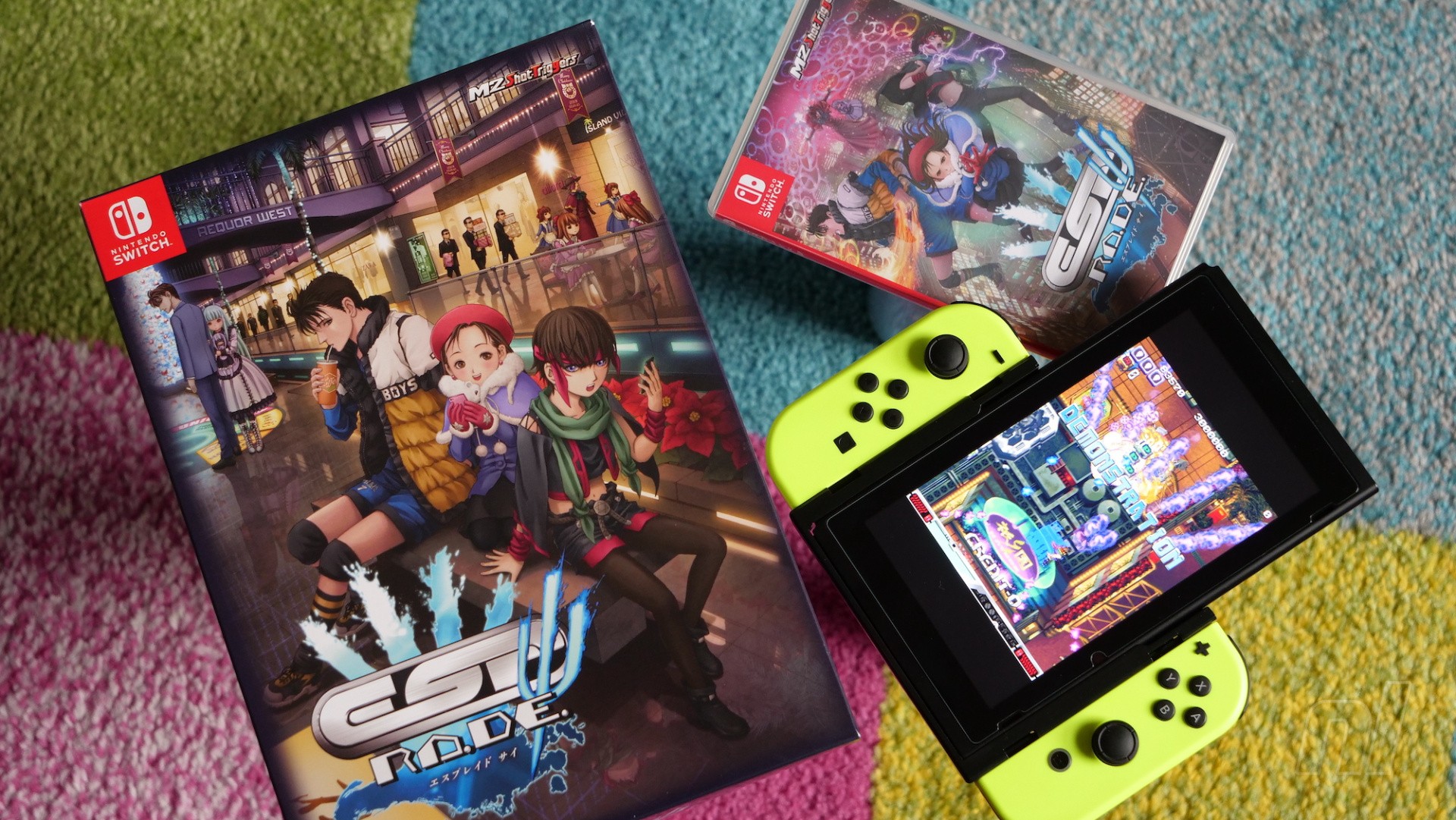
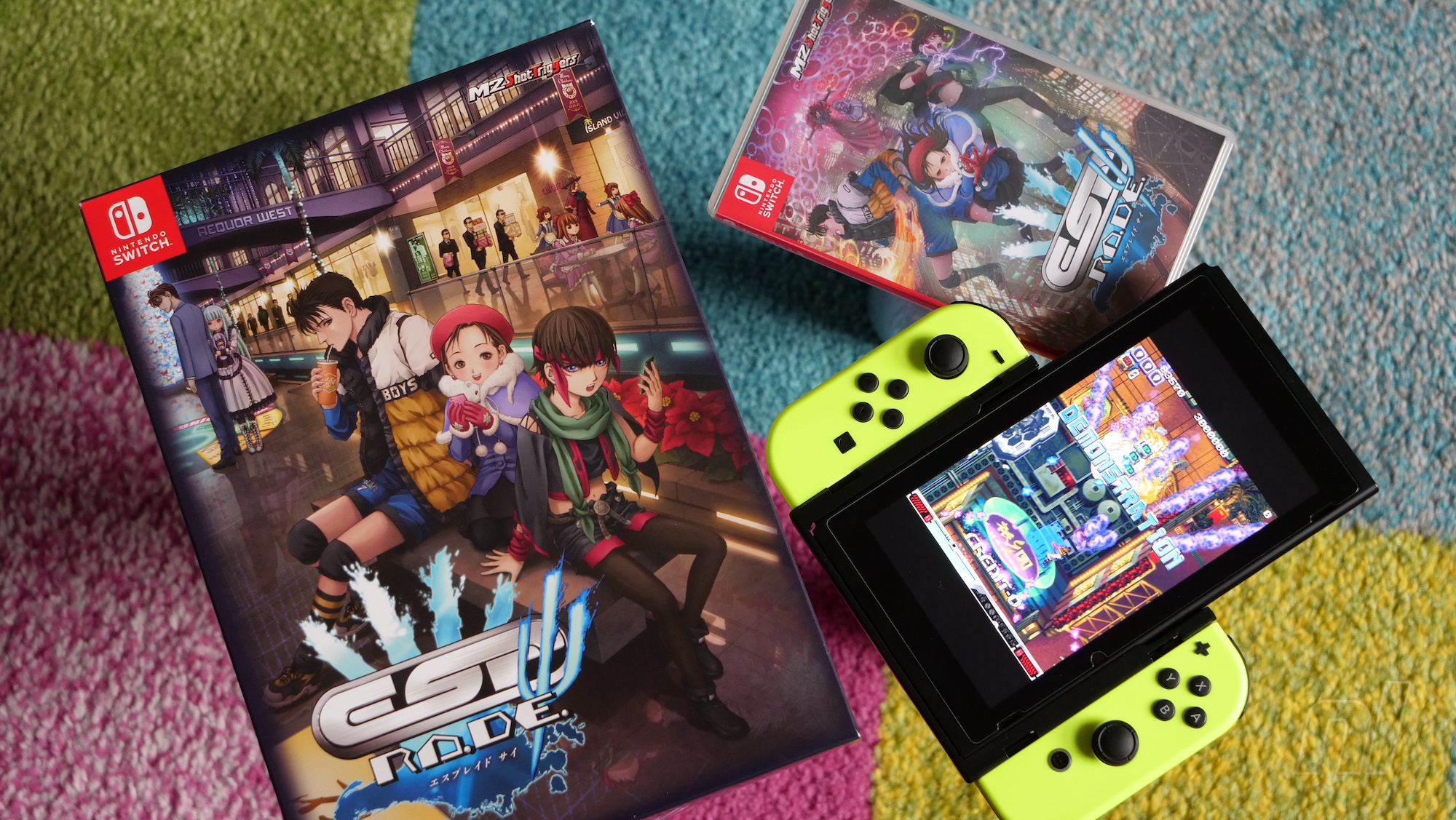
Christmas might be just around the corner but we’ve been deemed good enough to open one of our presents early – and it’s the swanky limited edition package for Cave’s legendary shooter ESP Ra.De., which launched in Japan on Switch and PS4 on December 19th.
A collaborative effort between emulation masters M2 and the game’s original creator, Junya Inoue, ESP Ra.De. Psi contains a perfect port of the original 1998 arcade game, as well as a version with remastered visuals, new gameplay modes and fresh voiceover work. And yes, it has a TATE mode so you can use it with the Flip Grip. Sing hosanna!
This strictly limited version comes with a gorgeous 100-page art book, a CD soundtrack, two sheets of stickers and a set of handy instruction cards (well, handy if you can read Japanese, that is). The version we got even came with a bonus tips booklet (again, all in Japanese, but still).
There’s no word on whether or not ESP Ra.De. Psi will make it to the west, and even if it does, we’d be stunned if it got the same limited edition treatment as we’ve seen here. If you like what you see, you’d better head over to your favourite importer as quickly as possible, as these aren’t going to hang around. Alternatively, you can pick up the standard version too – which should be more abundant.
Please note that some links on this page are affiliate links, which means if you click them and make a purchase we may receive a small percentage of the sale which helps support the site. Please read our FTC Disclosure for more information.