We know you’re busy and might miss out on all the exciting things we’re talking about on Xbox Wire every week. If you’ve got a few minutes, we can help remedy that. We’ve pared down the past week’s news into one easy-to-digest article for all things Xbox! Or, if you’d rather watch than read, you can feast your eyes on our weekly video show above. Be sure to come back every Friday to find out what’s happening This Week on Xbox!
X019: Yakuza 0, Yakuza Kiwami, and Yakuza Kiwami 2 Coming to Xbox Game Pass in 2020 We’re happy to announce that SEGA / Ryu Ga Gotoku Studio’s Yakuza series is headed to Xbox One and Yakuza 0, Yakuza Kiwami, and Yakuza Kiwami 2 (the first three titles in the series, chronologically) will be available on the Microsoft Store and with…
X019: The Falconeer Soars to Xbox One Next Year The Falconeer, created by independent developer Tomas Sala, will be flying to Xbox One in 2020! We’re excited for fans to experience The Falconeer, a true gem that will set the bar for what indies can offer games. From the beginning, we’ve been enamored with this…
X019: Microsoft Flight Simulator Reveals First Wave of Aircraft Partnerships At X019, we’re thrilled to reveal many of the great aircraft manufacturers we are partnering with to make Microsoft Flight Simulator the most realistic flight simulation yet. As you saw in our new trailer, we have a broad range of aircraft, including commercial…
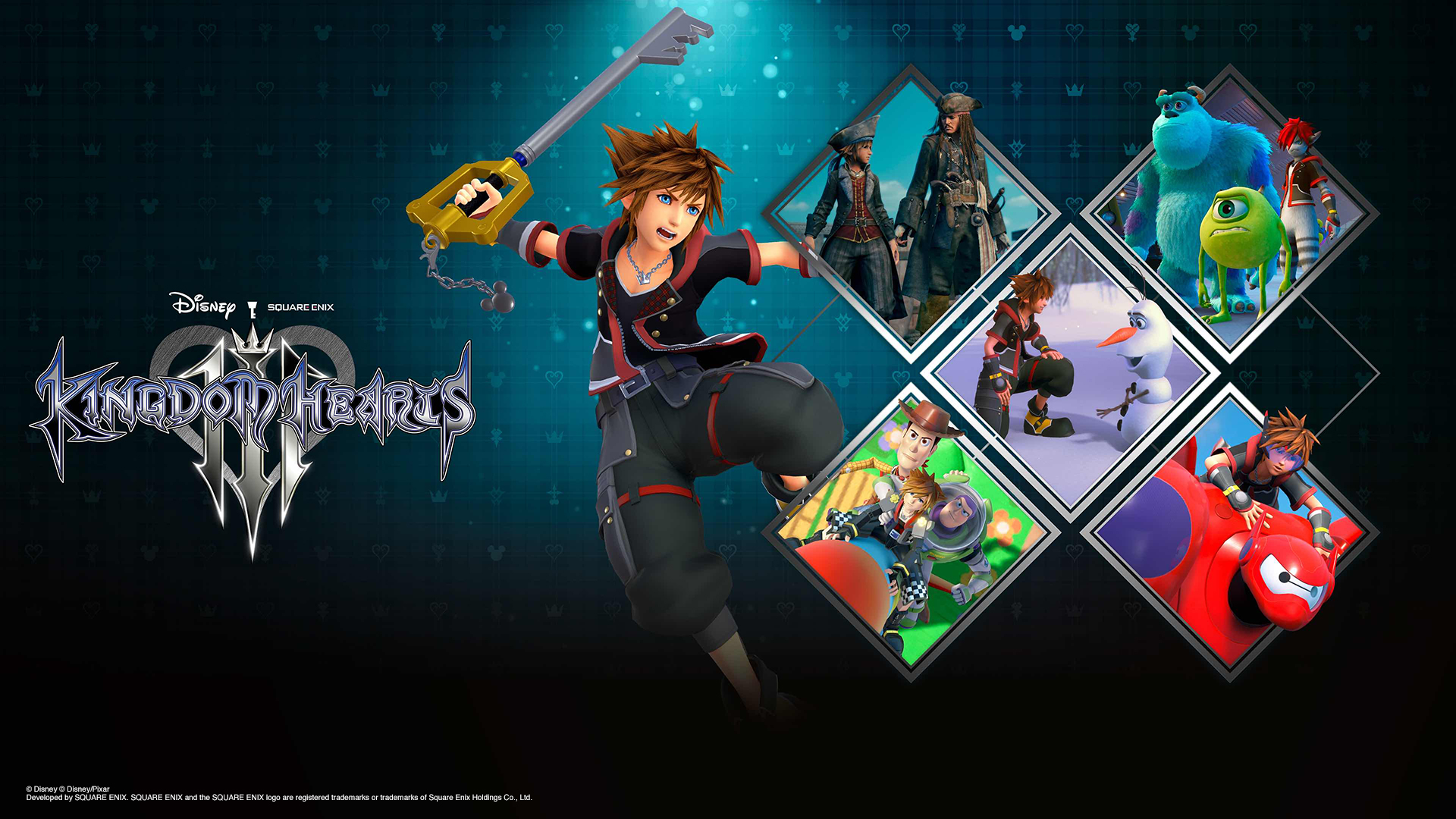
X019: Classic Games in Kingdom Hearts Saga Come to Xbox One If you’re a fan of Disney, Final Fantasy, or RPGs, get ready – we have a lot of very exciting news to share. Like… a lot. During the Microsoft X019 event in London, we announced that the full Kingdom Hearts saga is making its way to Xbox One in 2020…
X019: CrossfireX: The Journey to Bring One of the World’s Biggest Games to Console At the E3 Media Briefing this year I was surprised to hear Phil Spencer’s announcement about CrossfireX, a first-person shooter coming exclusively to Xbox consoles in 2020 and the first console version of one of the most played PC games in the world…
X019: The Legendary PC Racing Game, KartRider: Drift, Coming Soon to Xbox One When KartRider released in 2004, we hoped it would perform well, but we couldn’t have anticipated what a massive hit it would become. The game has now been around for over 15 years, amassed over 380 million players in Asia, and grown to become an eSports…
Xbox Game Pass at X019: Announcing Over 50 New Games, and Ultimate Holiday Offer Hi friends! I know we’re not ready for the holidays to be here just yet, but I have been holding this news in for so long that I can’t wait any longer to share it with you. We have so many good games, and some unbelievably amazing partnerships…
New Gamertag Features Come to Xbox One and Mobile Devices At E3 2019, we unveiled new ways to customize gamertags including a new display option and 13 additional alphabets which support over 200 languages worldwide that empower players around the world with more choice in how they represent themselves…
Team RWBY Invades the Battleground of the Gods The huntresses of “RWBY”have entered the MOBA arena of Smite on Xbox One! In this divine crossover event, you can play as all four heroines of Rooster Teeth’s acclaimed animated series. Ruby Rose, Blake Belladonna, Weiss Schnee, and Yang Xiao Long now…
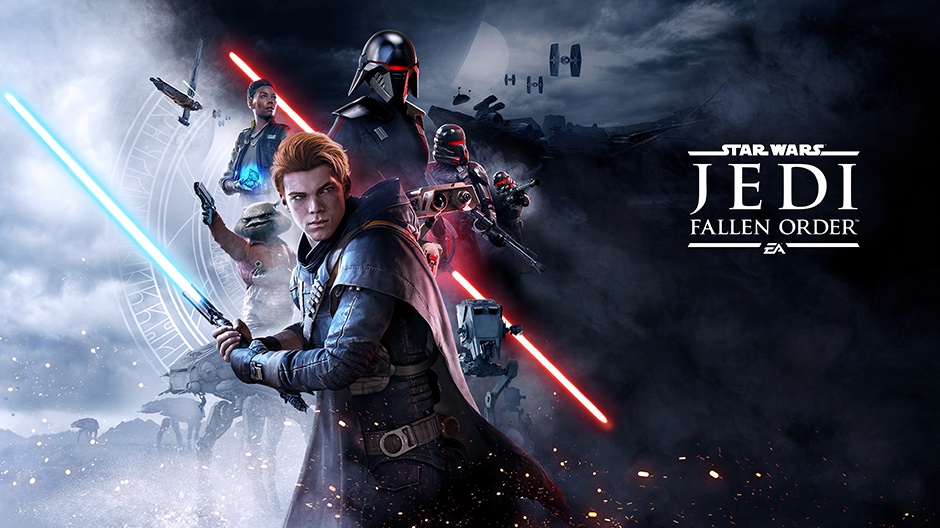
Play Star Wars Jedi: Fallen Order Today on Xbox One One of our most-anticipated adventures of the year is here! Star Wars Jedi: Fallen Order is available now on Xbox One and enhanced for Xbox One X – get it here on the Microsoft Store and start playing today. In Star Wars Jedi: Fallen Order you take on the role…
Master a New Mode in Crash Team Racing Nitro-Fueled Today on Xbox One Ready up for a new way to play in Ring Rally, a timed race that pits players against the clock and themselves! Ring Rally is only one piece of the new content that includes new characters, a new track, and new Pit Stop items from the Neon Circus Grand Prix…
The Biggest Inside Xbox Episode of the Year Will Be at X019 This week, we’ll be kicking off X019, our global celebration of all things Xbox, with a special episode of Inside Xbox live from London on Thursday, November 14, at 12 p.m. PT / 3 p.m. ET / 8 p.m. GMT. We’re incredibly excited to be in London this week with our local…
Disney+ is Available Now for Xbox One The day that Disney fans have been waiting for is finally here: Disney+ is now available on Xbox One! This app, downloadable via the Microsoft Store, offers fans of all ages a new way to experience the unparalleled content from the company’s iconic entertainment brands…
Let Your Imagination Ride the Rails with Tracks – The Train Set Game Did you play with wooden train sets when you were younger? How about making little toy scenes in your living room? Imagination is a key part of everyone’s development as a child, but the fun doesn’t have to stop when you’re grown up. We don’t think the fun…
Minecraft Earth Early Access Available Now in the US It’s been more than two years since we began our journey to make Minecraft Earth a reality. Following a steady rollout in select markets around the world, today we’re thrilled to announce that Minecraft Earth early access can be downloaded on iOS and Android in another…
Tell Surreal Stories in Where the Water Tastes Like Wine, Coming to Xbox One November 29 It’s been a long journey, but I’m happy to announce that Where the Water Tastes Like Wine is coming to Xbox One! This game began on a train in Siberia – a fitting start to a story about traveling, riding the rails, and telling stories. I had spent several months…
“Reverse Horror Experience” Carrion Coming to Xbox One Next Year Phobia Game Studio and our friends at Devolver Digital are thrilled to announce that our “reverse horror” experience Carrion will release on Xbox One when it launches next year! Our little team has been working hard in Poland to create something that we…
Fishing Planet Update: New Motorboats, Waterway, and Fish Big hello from Fishing Planet to all anglers around the world! We’re excited to present you the recent update Fishing Planet had! And we certainly hope that you’ll have immense fun exploring all of the game’s new features that we prepared in this update…
Get Ready to Rumble with Mystic, Now Available in Black Desert on Xbox One Greetings, adventurers! Today, our team has added a new character class to the extensive open world of Black Desert on Xbox One in a free update. Mystic is a brawler who uses her fists to beat enemies with powerful and precise blows. If you have experience…
Experience the Mystic Awakening Event in Black Desert Today on Xbox One Greetings, adventurers! Today, our team has added the Mystic Awakening event, Bartali’s Adventure Log, and new craftable costumes to the world of Black Desert in a free update on Xbox One. Mystic, the master of martial arts, can now achieve her true potential…
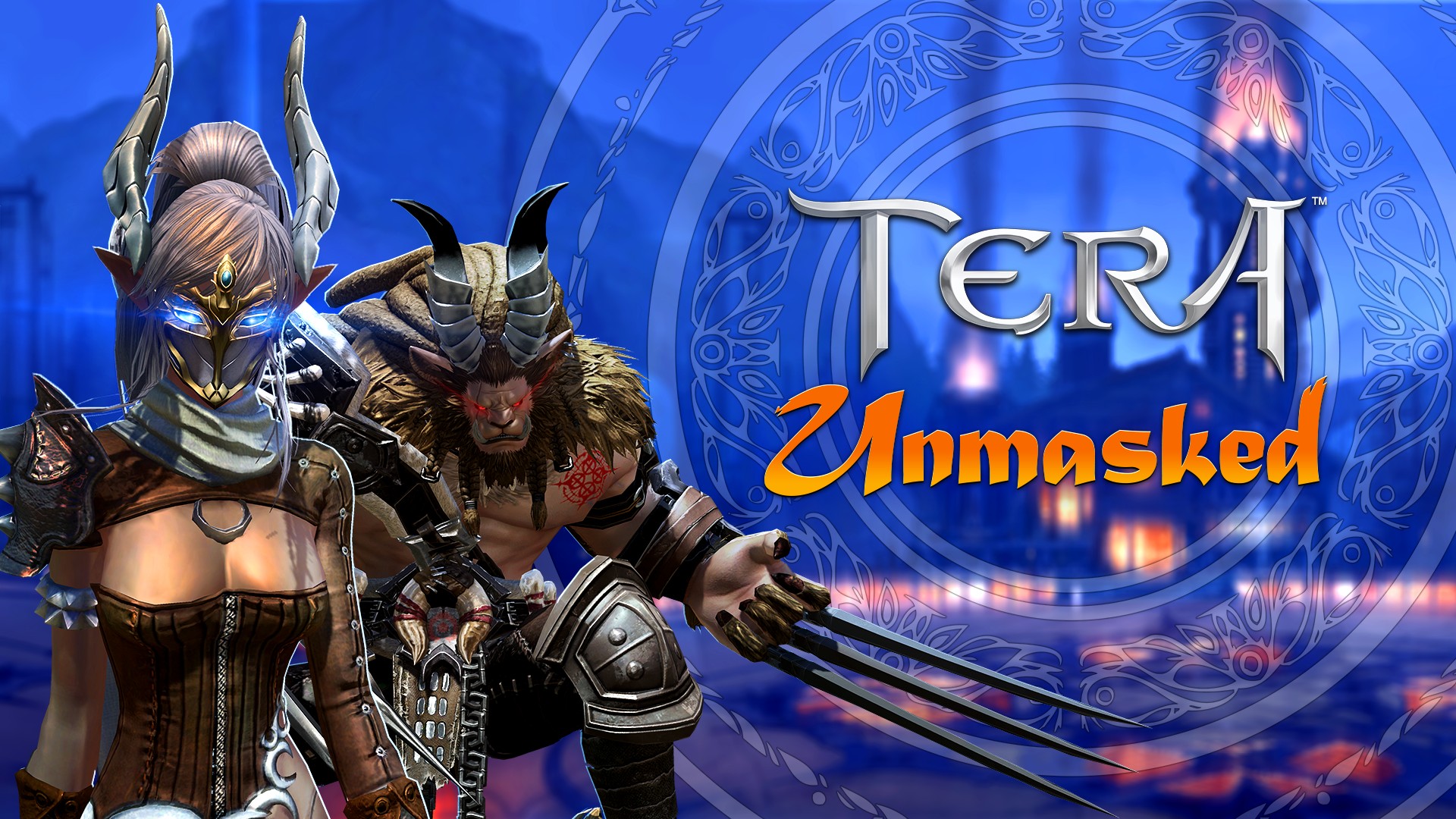
Introducing the Red Refuge in TERA on Xbox One Fans of TERA on Xbox One should take notice: the Unmasked content update brings you not only a new dungeon to explore, but also a stat-boosting mask that will compliment any character’s playstyle. Better yet, all this awesomeness comes from one…
Permadeath Comes to Remnant: From the Ashes with Hardcore More If you thought your first playthrough of Remnant: From the Ashes was too easy, boy do we have a treat for you. Introducing, Hardcore mode – a new game mode released today on Xbox One where death is truly the end. It’s going to take everything you’ve got to make…
Next Week on Xbox: New Games for November 19 to 22 Welcome to Next Week on Xbox, where we cover all the new games coming soon to Xbox One! Every week the team at Xbox aims to deliver quality gaming content for you to enjoy on your favorite gaming console. To find out what’s coming soon to Xbox One…
Free Play Days – NASCAR Heat 4 and Contra: Rogue Corps This weekend, it’s all about speed and fast-paced action! Immerse yourself in the world of high-speed racing with NASCAR Heat 4 or save the world from an otherworldy invasion in Contra: Rogue Corps. Jump into this Free Play Days event, which runs from…
Battleborn pulled from digital stores, going offline in 2021
Battleborn publisher 2K Games has announced that Gearbox’s ill-fated hero-shooter will be going offline for good in January 2021, and has already been pulled from digital shelves ahead of the shutdown.
As part of that process, Battleborn players will no longer be able to purchase the game’s premium currency after February 24, 2020, though any purchased prior or earned in-game can be spent as usual until the game goes offline.
After that, the next step sees servers shut down in January 2021, and Battleborn as a whole will be rendered entirely unplayable.
Gearbox launched Battleborn back in 2016, a launch window that saw it going head to head with similarly angled hero-shooters like Blizzard’s Overwatch.
The team had already ended active development as of September 2017. At the time, Gearbox said that Battleborn’s servers would remain up for the “foreseeable future,” a point in time that is now just over a year away.
Whether you’re just starting out, looking for something new, or just seeing what’s out there, the Gamasutra Job Board is the place where game developers move ahead in their careers.
Gamasutra’s Job Board is the most diverse, most active, and most established board of its kind in the video game industry, serving companies of all sizes, from indie to triple-A.
Posted by: xSicKxBot - 11-27-2019, 12:50 PM - Forum: Windows
- No Replies
Insights from 1 year of tracking a polymorphic threat
A little over a year ago, in October 2018, our polymorphic outbreak monitoring system detected a large surge in reports, indicating that a large-scale campaign was unfolding. We observed as the new threat attempted to deploy files that changed every 20-30 minutes on thousands of devices. We gave the threat the name “Dexphot,” based on certain characteristics of the malware code.
The Dexphot attack used a variety of sophisticated methods to evade security solutions. Layers of obfuscation, encryption, and the use of randomized file names hid the installation process. Dexphot then used fileless techniques to run malicious code directly in memory, leaving only a few traces that can be used for forensics. It hijacked legitimate system processes to disguise malicious activity. If not stopped, Dexphot ultimately ran a cryptocurrency miner on the device, with monitoring services and scheduled tasks triggering re-infection when defenders attempt to remove the malware.
In the months that followed, we closely tracked the threat and witnessed the attackers upgrade the malware, target new processes, and work around defensive measures:
While Microsoft Defender Advanced Threat Protection’s pre-execution detection engines blocked Dexphot in most cases, behavior-based machine learning models provided protection for cases where the threat slipped through. Given the threat’s persistence mechanisms, polymorphism, and use of fileless techniques, behavior-based detection was a critical component of the comprehensive protection against this malware and other threats that exhibit similar malicious behaviors.
Microsoft Defender ATP data shows the effectiveness of behavioral blocking and containment capabilities in stopping the Dexphot campaign. Over time, Dexphot-related malicious behavior reports dropped to a low hum, as the threat lost steam.
Our close monitoring of Dexphot helped us ensure that our customers were protected from the evolving threat. More importantly, one year’s worth of intelligence helped us gain insight not only into the goals and motivations of Dexphot’s authors, but of cybercriminals in general.
Complex attack chain
The early stages of a Dexphot infection involves numerous files and processes. During the execution stage, Dexphot writes five key files to disk:
An installer with two URLs
An MSI package file downloaded from one of the URLs
A password-protected ZIP archive
A loader DLL, which is extracted from the archive
An encrypted data file that holds three additional executables that are loaded into system processes via process hollowing
Except for the installer, the other processes that run during execution are legitimate system processes. This can make detection and remediation more difficult. These legitimate system processes include msiexec.exe (for installing MSI packages), unzip.exe (for extracting files from the password-protected ZIP archive), rundll32.exe (for loading the loader DLL), schtasks.exe (for scheduled tasks), powershell.exe (for forced updates). In later stages, Dexphot targets a few other system processes for process hollowing: svchost.exe, tracert.exe, and setup.exe.
Multiple layers of security evasion
Based on Microsoft Defender ATP signals, SoftwareBundler:Win32/ICLoader and its variants are primarily used to drop and run the Dexphot installer. The installer uses two URLs to download malicious payloads. These are the same two URLs that Dexphot use later to establish persistence, update the malware, and re-infect the device.
The installer downloads an MSI package from one of the two URLs, and then launches msiexec.exe to perform a silent install. This is the first of several instances of Dexphot employing living-off-the-land techniques, the use of legitimate system processes for nefarious purposes.
Dexphot’s package often contains an obfuscated batch script. If the package contains this file, the script is the first thing that msiexec.exe runs when it begins the installation process. The said obfuscated script is designed to check for antivirus products. Dexphot halts the infection process immediately if an antivirus product is found running.
When we first began our research, the batch script only checked for antivirus products from Avast and AVG. Later, Windows Defender Antivirus was added to the checklist.
If the process is not halted, Dexphot decompresses the password-protected ZIP archive from the MSI package. The password to this archive is within the MSI package. Along with the password, the malware’s authors also include a clean version of unzip.exe so that they don’t have to rely on the target system having a ZIP utility. The unzip.exe file in the package is usually named various things, such as z.exe or ex.exe, to avoid scrutiny.
The ZIP archive usually contains three files: the loader DLL, an encrypted data file (usually named bin.dat), and, often, one clean unrelated DLL, which is likely included to mislead detection.
Dexphot usually extracts the decompressed files to the target system’s Favorites folder. The files are given new, random names, which are generated by concatenating words and numbers based on the time of execution (for example, C:\Users\<user>\Favorites\\Res.Center.ponse\<numbers>). The commands to generate the new names are also obfuscated, for example:
Msiexec.exe next calls rundll32.exe, specifying loader DLL (urlmon.7z in the example above) in order to decrypt the data file. The decryption process involves ADD and XOR operations, using a key hardcoded in the binary.
The decrypted data contains three executables. Unlike the files described earlier, these executables are never written to the filesystem. Instead, they exist only in memory, and Dexphot runs them by loading them into other system processes via process hollowing.
Stealthy execution through fileless techniques
Process hollowing is a technique that can hide malware within a legitimate system process. It replaces the contents of the legitimate process with malicious code. Detecting malicious code hidden using this method is not trivial, so process hollowing has become a prevalent technique used by malware today.
This method has the additional benefit of being fileless: the code can be run without actually being saved on the file system. Not only is it harder to detect the malicious code while it’s running, it’s harder to find useful forensics after the process has stopped.
To initiate process hollowing, the loader DLL targets two legitimate system processes, for example svchost.exe or nslookup.exe, and spawns them in a suspended state. The loader DLL replaces the contents of these processes with the first and second decrypted executables. These executables are monitoring services for maintaining Dexphot’s components. The now-malicious processes are released from suspension and run.
Next, the loader DLL targets the setup.exe file in SysWoW64. It removes setup.exe’s contents and replaces them with the third decrypted executable, a cryptocurrency miner. Although Dexphot always uses a cryptocurrency miner of some kind, it’s not always the same miner. It used different programs like XMRig and JCE Miner over the course of our research.
Persistence through regularly scheduled malware updates
The two monitoring services simultaneously check the status of all three malicious processes. Having dual monitoring services provides redundancy in case one of the monitoring processes is halted. If any of the processes are terminated, the monitors immediately identify the situation, terminate all remaining malicious processes, and re-infect the device. This forced update/re-infection process is started by a PowerShell command similar to the one below:
The monitoring components also detect freshly launched cmd.exe processes and terminate them promptly. As a final fail-safe, Dexphot uses schtasks.exe to create scheduled tasks, with the command below.
The scheduled tasks call msiexec.exe as a proxy to run the malicious code, much like how msiexec.exe was used during installation. Using msiexec.exe, a legitimate system process, can make it harder to trace the source of malicious activity.
Furthermore, the tasks allow Dexphot to conveniently update the payload from the web every time the tasks run. They automatically update all of Dexphot’s components, both upon system reboot as well as every 90 or 110 minutes while the system is running.
Dexphot also generates the names for the tasks at runtime, which means a simple block list of hardcoded task names will not be effective in preventing them from running. The names are usually in a GUID format, although after we released our first round of Dexphot-blocking protections, the threat authors began to use random strings.
The threat authors have one more evasion technique for these scheduled tasks: some Dexphot variants copy msiexec.exe to an arbitrary location and give it a random name, such as %AppData%\<random>.exe. This makes the system process running malicious code a literal moving target.
Polymorphism
Dexphot exhibits multiple layers of polymorphism across the binaries it distributes. For example, the MSI package used in the campaign contains different files, as shown in the table below. The MSI packages generally include a clean version of unzip.exe, a password-protected ZIP file, and a batch file that checks for currently installed antivirus products. However, the batch file is not always present, and the names of the ZIP files and Loader DLLs, as well as the password for extracting the ZIP file, all change from one package to the next.
In addition, the contents of each Loader DLL differs from package to package, as does the encrypted data included in the ZIP file. This leads to the generation of a different ZIP archive and, in turn, a unique MSI package, each time the attacker bundles the files together. Because of these carefully designed layers of polymorphism, a traditional file-based detection approach wouldn’t be effective against Dexphot.
MSI package ID
MSI package contents
Password for ZIP file
Contents of encrypted ZIP
Unzip.exe name
ZIP file name
Batch file name
Loader DLL file name
Encrypted data name
MSI-1
ex.exe
webUI.r0_
f.bat
kjfhwehjkf
IECache.dll
bin.dat
MSI-2
ex.exe
analog.tv
f.bat
ZvDagW
kernel32.bin
bin.dat
MSI-3
z.exe
yandex.zip
f.bat
jeremy
SetupUi.dll
bin.dat
MSI-4
unzip.exe
ERDNT.LOC.zip
iso100
ERDNT.LOC
data.bin
MSI-5
pck.exe
mse.zip
kika
_steam.dll
bin.dat
MSI-6
z.exe
msi.zip
arima
ic64.dll
bin.dat
MSI-7
z.exe
mse.zip
f.bat
kika
_steam.dll
bin.dat
MSI-8
z.exe
mse.zip
kika
_steam.dll
bin.dat
MSI-9
z.exe
yandex.zip
f.bat
jeremy
SetupUi.dll
bin.dat
MSI-10
hf.exe
update.dat
f.bat
namr
x32Frame.dll
data.bin
MSI-11
z.exe
yandex.zip
f.bat
jeremy
SetupUi.dll
bin.dat
MSI-12
unzip.exe
PkgMgr.iso.zip
pack
PkgMgr.iso
data.bin
MSI-13
ex.exe
analog.tv
f.bat
kjfhwefkjwehjkf
urlmon.7z
bin.dat
MSI-14
ex.exe
icon.ico
f.bat
ZDADW
default.ocx
bin.dat
MSI-15
hf.exe
update.dat
namr
AvastFileRep.dll
data.bin
MSI-16
pck.exe
mse.zip
f.bat
kika
_steam.dll
bin.dat
MSI-17
z.exe
mse.zip
f.bat
joft
win2k.wim
bin.dat
MSI-18
ex.exe
plugin.cx
f.bat
ZDW
_setup.ini
bin.dat
MSI-19
hf.exe
update.dat
namr
AvastFileRep.dll
data.bin
MSI-20
ex.exe
installers.msu
f.bat
000cehjkf
MSE.Engine.dll
bin.dat
MSI-21
z.exe
msi.zip
f.bat
arima
ic64.dll
bin.dat
MSI-22
z.exe
archive00.x
f.bat
00Jmsjeh20
chrome_watcher.dll
bin.dat
A multitude of payload hosts
Besides tracking the files and processes that Dexphot uses to execute an attack, we have also been monitoring the domains used to host malicious payloads. The URLs used for hosting all follow a similar pattern. The domain address usually ends in a .info or .net TLD, while the file name for the actual payload consists of random characters, similar to the randomness previously seen being used to generate file names and scheduled tasks. Some examples from our research are shown in the table below.
Many of the URLs listed were in use for an extended period. However, the MSI packages hosted at each URL are frequently changed or updated. In addition, every few days more domains are generated to host more payloads. After a few months of monitoring, we were able to identify around 200 unique Dexphot domains.
Conclusion: Dynamic, comprehensive protection against increasingly complex everyday threats
Dexphot is not the type of attack that generates mainstream media attention; it’s one of the countless malware campaigns that are active at any given time. Its goal is a very common one in cybercriminal circles — to install a coin miner that silently steals computer resources and generates revenue for the attackers — yet Dexphot exemplifies the level of complexity and rate of evolution of even everyday threats, intent on evading protections and motivated to fly under the radar for the prospect of profit.
To combat threats, several next-generation protection engines in Microsoft Defender Advanced Threat Protection’s antivirus component detect and stop malicious techniques at multiple points along the attack chain. For Dexphot, machine learning-based detections in the cloud recognize and block the DLLs loaded by rundll32.exe, stopping the attack chain in its early stages. Memory scans detect and terminate the loading of malicious code hidden by process hollowing — including the monitoring processes that attempt to update the malware code and re-infect the machine via PowerShell commands.
Behavioral blocking and containment capabilities are especially effective in defeating Dexphot’s fileless techniques, detection evasion, and persistence mechanisms, including the periodic and boot-time attempts to update the malware via scheduled tasks. As mentioned, given the complexity of the attack chain and of Dexphot’s persistence methods, we released a remediation solution that prevents re-infection by removing artifacts.
The detection, blocking, and remediation of Dexphot on endpoints are exposed in Microsoft Defender Security Center, where Microsoft Defender ATP’s rich capabilities like endpoint detection and response, automated investigation and remediation, and others enable security operations teams to investigate and remediate attacks in enterprise environments. With these capabilities, Microsoft Defender ATP provides comprehensive protection against Dexphot and the countless other complex and evolving threats that we face every day.
Glorious Scans Of A Forgotten 1992 F-Zero Novel Have Surfaced Online
If you’ve missed F-Zero as much as we have for the last 15 years-or-so, then wow do we have a great find for you today.
The images you see before you are reportedly from an F-Zero novel which was released back in February 1992. They were shared online by Twitter user @step70s earlier this year (you’ll have to forgive us for not spotting them sooner), where more details surrounding its release have also been shared.
Step says that the novel, the title of which roughly translates to ‘F-Zero: And then, to the gods of speed’, was part of the Futabasha Fantasy Novel Series released in the ’90s. We did a little more digging and stumbled across an advertisement for the novel, alongside a tease for a Legend of Zelda release. How have we not seen these before?
The F-Zero novel was written by Katsuyuki Ozaki with illustrations by Kagami Yasuhiro (you can actually see Yasuhiro’s portfolio here). @step70s notes that Ozaki’s take on the F-Zero franchise “puts aside the brighter comic book-inspired world for a darker dystopian one”.
Filled with excitement, the Nintendo Life team has been trying to hunt down a copy online since the first moment our eyes met these glorious pages, but we’ve had no luck. If you know anything else about the novel, or perhaps if you even own one yourself, feel free to tell us all about it in the comments.
Why choose the Godot Game Engine over Unity or Unreal Engine
.
This is a very common question, so this guide and video is setting out to answer why *I* might choose to use Godot over those other engines. Keep in mind, this isn’t me saying Godot is better or worse than those engines. Additionally, I have a video on Unreal vs Unity in the works, so if you want to decide which of those engines to use, stay tuned for that.
Without further ado, let’s jump in.
Free
Obviously, the lack of a price tag is one of the most obvious features of Godot. Yes, you can start for free with both Unity and Unreal Engine, but both ultimately have a price tag. With Unity, you pay a per seat license fee if you make over 100K a year. With Unreal Engine you pay a fixed 5% royalty after the first $3000 dollars earned. If you’re not making money nor plan to, this obviously doesn’t matter… but the more successful your game is, the better a deal free is!
Open Source
On the topic of free, we also have free as in freedom. Godot is free in both regards, to price tag and license, being licensed under the MIT license. Unity trails in this regard having only select subsets of the code available. Unreal Engine has the source code available and you can completely build the engine from scratch, as well as being able to fix problems yourself by walking through a debug build and applying fixes.
UE4 however is under a more restrictive proprietary license, while Godot is under the incredibly flexible and permissive code license.
Another aspect in Godot’s favor… it’s also by far the smallest code base and very modular in design from a code perspective. This makes it among the easiest engines to contribute code to. The learning curve to understand the source code is a fraction of that to get started contributing to Unreal, while contributing to Unity is frankly impossible without a very expensive negotiated source license.
Language Flexibility
Over the years Unity have *REMOVED* language support. Once there was UnityScript and Boo, a python like language, in addition to C#. Now it’s pretty much just C# and their in development visual scripting language.
Unreal on the other hand has C++ support, with the C++ thanks to Live++ usable very much like a scripting language (although final build times are by far the worst of all 3 engines!), as well as the (IMHO) single best visual programming language available, Blueprints.
For Godot the options are much more robust. First off there is the Python-lite scripting language, GDScript. You can also use C++, although the workflow for gameplay programming may be suboptimal. Additionally, C# support is being added as a first-class language and there is a visual programming language available here as well, although I can’t really think of a reason to use it as it stands now.
Where Godot really shines though is its modularity. GDScript itself is implemented as a module, meaning making other custom scripting languages is a borderline trivial task, as is extending or customizing GDScript. Additionally, there is GDNative/NativeScript it makes it fairly simple to link to external code, without having to jump into the guts of Godot (nor having to compile Godot) or to write performance critical code in C or C++. Finally, you have the ability to create C++ “modules” that have access to all of the C++ classes available in Godot without having to make changes to the underlying codebase.
Ease of Use
This one is obviously subjective, but if you are looking to create a game, especially as a beginner, the learning curve and ease of use with GDScript make this the easiest of the 3 engines to pick up, at least in my opinion. Unreal Engine is frankly fairly appalling for 2D titles, having basically abandoned Paper2D (their 2D API) on the vine. Over the last couple years Unity have really been focusing heavier on dedicated 2D support, but you still must dig through a lot of cruft and overhead to get to the meat of your game.
With Godot you pretty much everything you need for 2D out of the box and the ability to work directly with pixel (or % based) coordinates.
It’s Tiny
Unreal and Unity are multi GB installs and both have a hub or launcher app. Godot… a 50ish MB zip file (plus templates for a couple hundred more MB needed when deploying). Download, unzip and start game development!
You Like it Better?
You may, or you may not like the coding model of Godot. Chances are if you like the Node based approach to game development, you will love Godot. All three game engines (and almost all modern game engines) take a composition-based approach to scene modeling. Godot takes it one step further, making everything nodes, trees of nodes, even scenes are simply nodes. The approach is different enough that users may either love or hate the approach. If you love the approach Godot takes, you will be productive in it. If you don’t like it, you’re probably better served using Unity or Unreal.
Why Not Pick Godot Then?
I am not even going to pretend that Godot is the perfect game engine and ideal in every situation… there are certainly areas where Unity and Unreal have a small to huge advantage. This could be its own entire video, but a quick list include:
Performance concerns, especially on large 3D scenes (hopefully resolved with proper culling and the upcoming Vulkan renderer). In 3D, both engines out perform Godot quite often
Platforms… Unity and Unreal support every single platform you can imagine, Godot supports most of the common consumer categories and takes longer to get support for devices like AR/VR. Hardware manufacturers work with Unity and Epic from the design stages, while Godot pretty much must wait for hardware to come to market and then for someone to implement it. Another huge difference, and one of the few downsides to open source software, it isn’t compatible with the closed proprietary licenses of console hardware. While Godot has been ported to run on console hardware, it isn’t supported out of the box and probably never will be.
Ecosystem. Godot has a vibrant community but can’t hold a candle to the ecosystem around Unreal and especially Unity. There are simply more users, more books, larger asset stores, etc.
The resume factor… this is a part of ecosystem continued. It’s easier to get a job with Unity experience or Unreal experience on the resume than Godot. While many people wouldn’t (and really for a full-time hire, shouldn’t) care what engine you use, when people are hunting for employees, they often look for Unity or UE experience specifically. The other side of this coin is the number of people with Unity or UE experience is larger if you are the one doing the hiring.
As with many open source projects, it’s still heavily dependent on one or two key developers. If the leads left the project, it would be a massive blow to the future of Godot. Meanwhile there are hundred or thousands of people being paid to develop Unity or Unreal and the departure of any individual member isn’t likely to have a tangible impact.
X-ray shows how the iPhone 11 Smart Battery Case camera button works
By Malcolm Owen Tuesday, November 26, 2019, 12:09 pm PT (03:09 pm ET)
Apple’s Smart Battery Case for the iPhone 11 has a slightly refined design to add the dedicated camera button, x-ray images of the case reveals, with the accessory including an extra circuit board to add extra hardware controls to the smartphone.
[via iFixit and Creative Electron]
Apple launched a new set of Smart Battery Cases for the iPhone 11, iPhone 11 Pro, and iPhone 11 Pro Max on November 20, with the accessory updated with a larger camera cutout and a new camera button while maintaining the well-known battery hump design. Chiefly, the case is to protect the iPhone while also offering up to 50% more battery life, but this generation introduces the camera button for the first time.
A series of x-rays hosted by iFixit and performed by Creative Electron shows there are a few internal changes to the Smart Battery Case to accommodate the new button, both to position it and to connect it to the iPhone.
A small circuit board is embedded inside the case between the two battery cells and the Lightning port. The board is used as the conduit for connections of other components, including the induction charging coil and the batteries via wires, while a thin flexible circuit runs to the button.
The addition of a button is an interesting choice for Apple, as previously users had the ability to use the volume buttons to trigger the shutter instead of tapping the display. However, the orientation of the camera in relation to the volume button, which would be on the bottom edge if the iPhone is held in a typical landscape fashion, makes it harder to press, and can occasionally cause unwary users to press the power button by mistake.
Aside from being ideally located for taking a photo with the right index finger firing the shutter, the new button is also slightly recessed, minimizing the chance of it being pressed while in a pocket or bag.
Posted by: xSicKxBot - 11-27-2019, 12:39 AM - Forum: Windows
- No Replies
A year of bringing AI to the edge
This post is co-authored by Anny Dow, Product Marketing Manager, Azure Cognitive Services.
In an age where low-latency and data security can be the lifeblood of an organization, containers make it possible for enterprises to meet these needs when harnessing artificial intelligence (AI).
Since introducing Azure Cognitive Services in containers this time last year, businesses across industries have unlocked new productivity gains and insights. The combination of both the most comprehensive set of domain-specific AI services in the market and containers enables enterprises to apply AI to more scenarios with Azure than with any other major cloud provider. Organizations ranging from healthcare to financial services have transformed their processes and customer experiences as a result.
These are some of the highlights from the past year:
Employing anomaly detection for predictive maintenance
Airbus Defense and Space, one of the world’s largest aerospace and defense companies, has tested Azure Cognitive Services in containers for developing a proof of concept in predictive maintenance. The company runs Anomaly Detector for immediately spotting unusual behavior in voltage levels to mitigate unexpected downtime. By employing advanced anomaly detection in containers without further burdening the data scientist team, Airbus can scale this critical capability across the business globally.
“Innovation has always been a driving force at Airbus. Using Anomaly Detector, an Azure Cognitive Service, we can solve some aircraft predictive maintenance use cases more easily.” —Peter Weckesser, Digital Transformation Officer, Airbus
Automating data extraction for highly-regulated businesses
As enterprises grow, they begin to acquire thousands of hours of repetitive but critically important work every week. High-value domain specialists spend too much of their time on this. Today, innovative organizations use robotic process automation (RPA) to help manage, scale, and accelerate processes, and in doing so free people to create more value.
Automation Anywhere, a leader in robotic process automation, partners with these companies eager to streamline operations by applying AI. IQ Bot, their unique RPA software, automates data extraction from documents of various types. By deploying Cognitive Services in containers, Automation Anywhere can now handle documents on-premises and at the edge for highly regulated industries:
“Azure Cognitive Services in containers gives us the headroom to scale, both on-premises and in the cloud, especially for verticals such as insurance, finance, and health care where there are millions of documents to process.” —Prince Kohli, Chief Technology Officer for Products and Engineering, Automation Anywhere
For more about Automation Anywhere’s partnership with Microsoft to democratize AI for organizations, check out this blog post.
Delighting customers and employees with an intelligent virtual agent
Lowell, one of the largest credit management services in Europe, wants credit to work better for everybody. So, it works hard to make every consumer interaction as painless as possible with the AI. Partnering with Crayon, a global leader in cloud services and solutions, Lowell set out to solve the outdated processes that kept the company’s highly trained credit counselors too busy with routine inquiries and created friction in the customer experience. Lowell turned to Cognitive Services to create an AI-enabled virtual agent that now handles 40 percent of all inquiries—making it easier for service agents to deliver greater value to consumers and better outcomes for Lowell clients.
With GDPR requirements, chatbots weren’t an option for many businesses before containers became available. Now companies like Lowell can ensure the data handling meets stringent compliance standards while running Cognitive Services in containers. As Carl Udvang, Product Manager at Lowell explains:
“By taking advantage of container support in Cognitive Services, we built a bot that safeguards consumer information, analyzes it, and compares it to case studies about defaulted payments to find the solutions that work for each individual.”
One-to-one customer care at scale in data-sensitive environments has become easier to achieve.
Empowering disaster relief organizations on the ground
A few years ago, there was a major Ebola outbreak in Liberia. A team from USAID was sent to help mitigate the crisis. Their first task on the ground was to find and categorize the information such as the state of healthcare facilities, wifi networks, and population density centers. They tracked this information manually and had to extract insights based on a complex corpus of data to determine the best course of action.
With the rugged versions of Azure Stack Edge, teams responding to such crises can carry a device running Cognitive Services in their backpack. They can upload unstructured data like maps, images, pictures of documents and then extract content, translate, draw relationships among entities, and apply a search layer. With these cloud AI capabilities available offline, at their fingertips, response teams can find the information they need in a matter of moments. In Satya’s Ignite 2019 keynote, Dean Paron, Partner Director of Azure Storage and Edge, walks us through how Cognitive Services in Azure Stack Edge can be applied in such disaster relief scenarios (starting at 27:07):
Transforming customer support with call center analytics
Call centers are a critical customer touchpoint for many businesses, and being able to derive insights from customer calls is key to improving customer support. With Cognitive Services, businesses can transcribe calls with Speech to Text, analyze sentiment in real-time with Text Analytics, and develop a virtual agent to respond to questions with Text to Speech. However, in highly regulated industries, businesses are typically prohibited from running AI services in the cloud due to policies against uploading, processing, and storing any data in public cloud environments. This is especially true for financial institutions.
A leading bank in Europe addressed regulatory requirements and brought the latest transcription technology to their own on-premises environment by deploying Cognitive Services in containers. Through transcribing calls, customer service agents could not only get real-time feedback on customer sentiment and call effectiveness, but also batch process data to identify broad themes and unlock deeper insights on millions of hours of audio. Using containers also gave them flexibility to integrate with their own custom workflows and scale throughput at low latency.
What’s next?
These stories touch on just a handful of the organizations leading innovation by bringing AI to where data lives. As running AI anywhere becomes more mainstream, the opportunities for empowering people and organizations will only be limited by the imagination.
Power Stone-Style Brawler LastFight Is Out Now On Switch, We Think
Remember LastFight? We’ll forgive you if you don’t, but we covered it a while back when it was just a ‘maybe’ for a Nintendo release (it launched elsewhere in 2016).
Fast forward to the present day, and the game has – according to the publisher – just surprise-launched on the console; it wasn’t even mentioned as part of the North American or Europe download updates last week.
Based on the French comic series Lastman, Last Fight is a Power Stone-style arena brawler where the aim is to eliminate your rivals using either your fists or nearby objects.
The game apparently hit European retail stores on November 20th, and was released on the eShop two days later. However, we’ve checked both the NA and EU eShops and it’s nowhere to be seen – and, judging by the replies to the initial launch tweet, it would appear that other people are having the same problems. We’ve reached out to the publisher to find out what’s happening and will update this story if we hear back.
Have you managed to pick up a physical copy of the game? Is LastFight available in your region’s eShop? Let us know with a comment below.