Linux Kernel 4.20 Reached End of Life, Users Urged to Upgrade to Linux 5.0
Renowned Linux kernel developer and maintainer Greg Kroah-Hartman announced the end of life of the Linux 4.20 kernel series, urging users to upgrade to a newer kernel series as soon as possible.
“I’m announcing the release of the 4.20.17 kernel. Note, this is the LAST release of the 4.20.y kernel. It is now end-of-life, please move to the 5.0.y kernel tree at this point in time. All users of the 4.20 kernel series must upgrade,” Greg Kroah-Hartman said in a mailing list announcement.
Warparty is a real-time strategy game set in the stone-age era. You will build your base, recruit and control a group of soldiers, fight and tame fierce dinosaurs and direct the flow of combat. Proper management of resources, skills and map awareness will lead you to victory.
Why 11 Bit Studios endeavors to put emotion and meaning first in game dev
“One thing that is important for us is that we are very emotional about making games and playing games[…] Those emotions that breed thoughts are the emotions that we want to have in our game.”
11 Bit Studios’ two most recent projects, This War of Mine and Frostpunk, all use the medium of video games to explore larger, social issues. In a talk at this year’s Game Developers Conference, co-founders Przemyslaw Marszal and Michal Drozdowski explained that they wouldn’t have it any other way.
But, for a split second, that almost wasn’t the case. They explain that after the development of This War of Mine, a strategic game that deals with the hardships faced by civilians during wartime, the team was mentally exhausted from working on a project that deals with such heavy themes.
“After This War of Mine, we were very mentally tired. We didn’t want to do this hard mentally tiring game […] so we thought hey maybe we’ll do some ‘gamer’s game’ with a cool idea and cool gameplay,” says Marszal. “But at the end it just sucked.”
“This was the moment that we realized ‘hey from now on we will do meaningful games.’ We can’t do another game without having this message inside. It just isn’t in our DNA.”
Finding mechanics through context
For This War of Mine, the 11 Bit team knew that they wanted to create a game to communicate the harsh realities of being a civilian in a country afflicted by war, but they weren’t certain how such a game would be received.
“We understood that before us there was a project that could change our lives and it was an instant revelation,” said Marszal.“Until the day of launch, we didn’t know how people would [react to the significance of the game], but we went for it. We knew the risk but we also knew the importance.”
Mood, they explain, is key to 11 Bit’s development process. It forms a bond between art and gameplay and is a key consideration from the very beginning of a project.
“You’ll better understand the reality of the game if you do some research. You’ll grab the mood, you’ll grab detail, you’ll grab nuances that you haven’t been exposed to before,” explains Drozdowski.
Discovering facts about the world they were building directly influenced decisions large and small about how This War of Mine would function. Knowing that snipers kept eyes on city streets during the day meant that civilians had to function at night, while a lack of wood, electricity, and clean water meant that collecting those key items for survival would be a core part of the game.
“These facts are not only facts that go into our narrative, but they pretty much go into our design,” says Drozdowski Looking at the world they’d envisioned, it became clear that This War of Mine would focus on the individual lives of people trying to survive in dire conditions. He describes it as a puzzle of many different stories put together in one world.
“War is not one constant narrative event that has a beginning and an end. It is made up of stories that affect different people, like a mother that lost her child or grandparents that don’t know what to do during wartime.”
Player decisions should lead to questions, not judgment
11 Bit frequently puts players in situations where they have to make decisions that have a tangible impact on the people or world around them. In This War of Mine, that could be making the decision to steal food and supplies from another group of struggling survivors or putting yourself at risk to save a stranger being attacked by bandits. While some of those situations seem morally black and white on the surface, Drozdowski says that they wanted to emphasize the murky nature of the complex situations faced by people fighting for survival.
“If you enter someone’s house you’re basically an intruder,” he explains. “It’s not someone fulfilling a quest.”
At this point in the talk, Drozdowski was speaking about This War of Mine, but many of these concepts apply to Frostpunk as well. 11 Bit tends to stay away from scenarios where players can find a perfect solution. It’s largely impossible to satisfy both sides of a conflict, or do things without suffering a cost of some sort.
“We wanted to not judge the behavior of the player, but we wanted to create a moral world that would teach him about his decision. […] We wanted to achieve some kind of interaction with the player where we’d ask him questions and he’d answer in his head.”
Part of this means that death is as valid of an ending as survival. Drozdowski notes that “a lot of this seems contradictory to some design rules” but in This War of Mine, the objective isn’t to win the game; it’s to experience war as a civilian.
That same end goal—to make players reflect on their own actions—carries through to Frostpunk as well. The city management game sees players issuing laws and ordinances, which Drozdowski says can take on their own life and start to shape society on their own. That meant sometimes hard subjects, like cannibalism, had to be addressed in-game and deciding how to do so was a delicate affair.
“Because Frostpunk is also a game that touched all those subjects […] we felt compelled to kind of make an end quote, to sum it up,” says Drozdowski. “If the player crossed the line, went too far in shaping the society, we wanted to say ‘Hey guy, you crossed the line. That’s a bit too far’”
But, that kind of self-reflection is where Frostpunk and This War of Mine really shine. Those moments where things seem to go too far too fast are when players ask themselves how they got here and really start to think about their actions, realizing 11 Bit’s goal of creating games with impact.
As Game Developer’s Conference (GDC) continues, so does our honor of being able to host incredible communities of gaming industry professionals. This year marked the 3rd annual LGTBQIA in Gaming reception with over 300 people in attendance, connecting and reconnecting gaming industry community members with each other. The Gay Gaming Professionals group celebrated 13 years of their own event this year with increased sponsorship and a continued effort to build a more inclusive LGBTQIA gaming industry community. We took a moment during the event to honor two such people: Danielle Bunten Berry and David Gaider.
Danielle Bunten Berry insisted that the future of gaming was interconnectedness. Creator of the influential game M.U.L.E. in 1982, she was a pioneer in game design that influenced a generation. Her vision of the future of gaming as one of finding commonality through technology proved she was a visionary.
David Gaider has set the bar for LGBTQIA storytelling in the AAA industry. As lead writer for many incredible RPG’s, including Game of the Year 2014 Dragon Age: Inquisition, David has been the voice of countless gamers who have longed to have their stories told. His impact on the industry will be felt for years, if not decades, to come.
We look forward to continuing to host and honor this community, their stories, and their contributions to gaming.
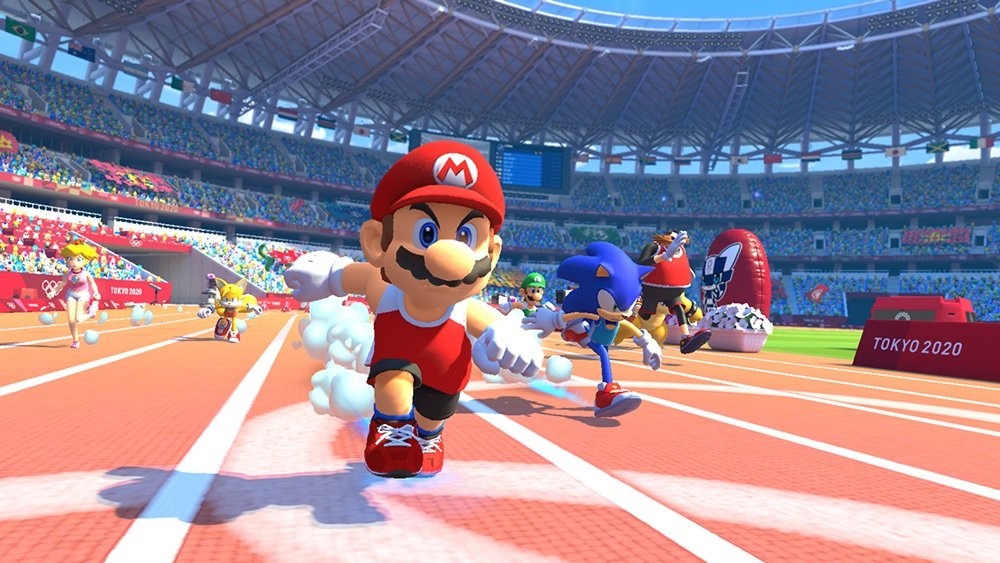
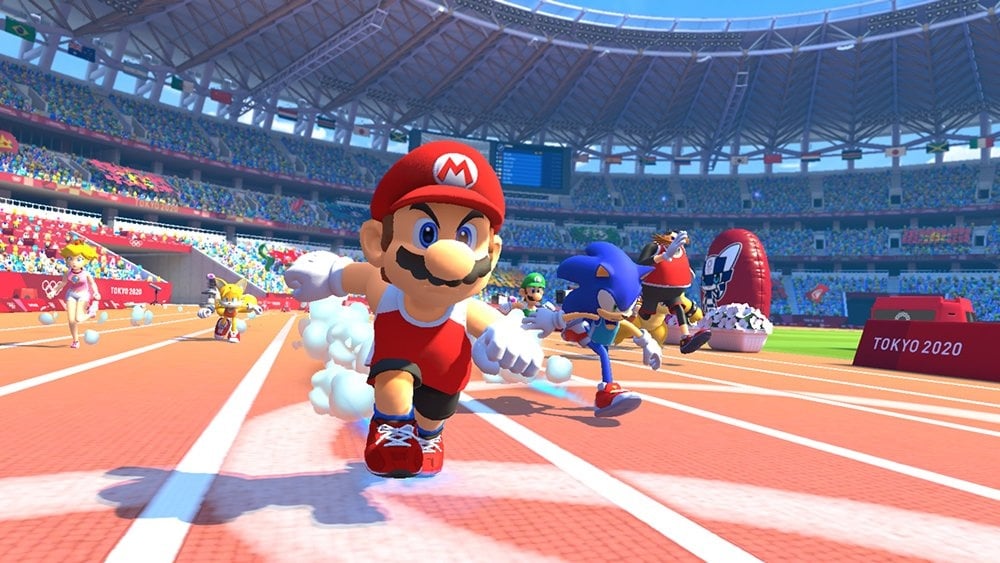
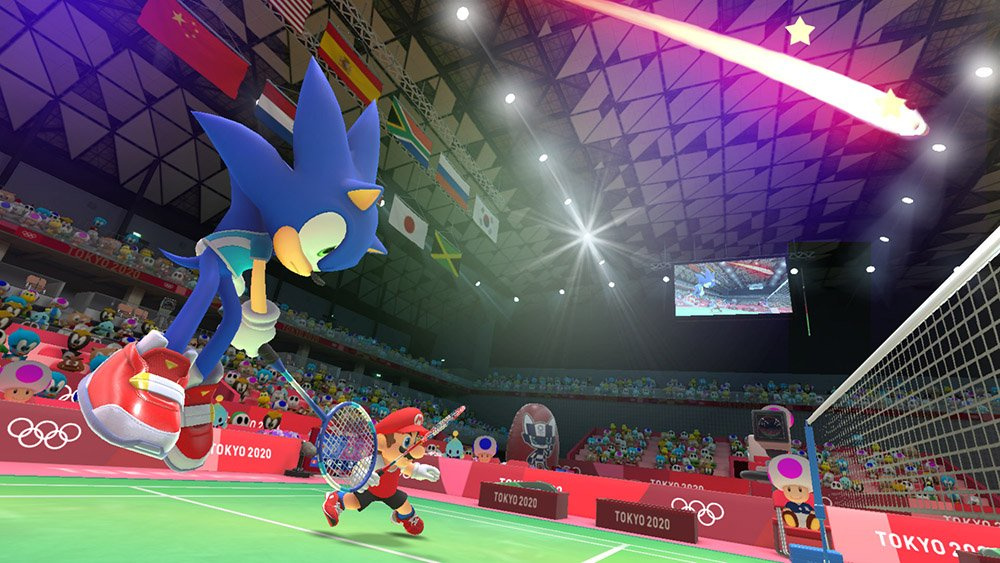
During the Sega Fes stage show in Japan today, the new Mario & Sonic game was announced.
Mario & Sonic at the Tokyo 2020 Olympics will be released on the Switch in winter 2019, and an arcade version will be released the following year in 2020. You’ll be able to experience all of the action in the home version with the Nintendo Switch Joy-Con.
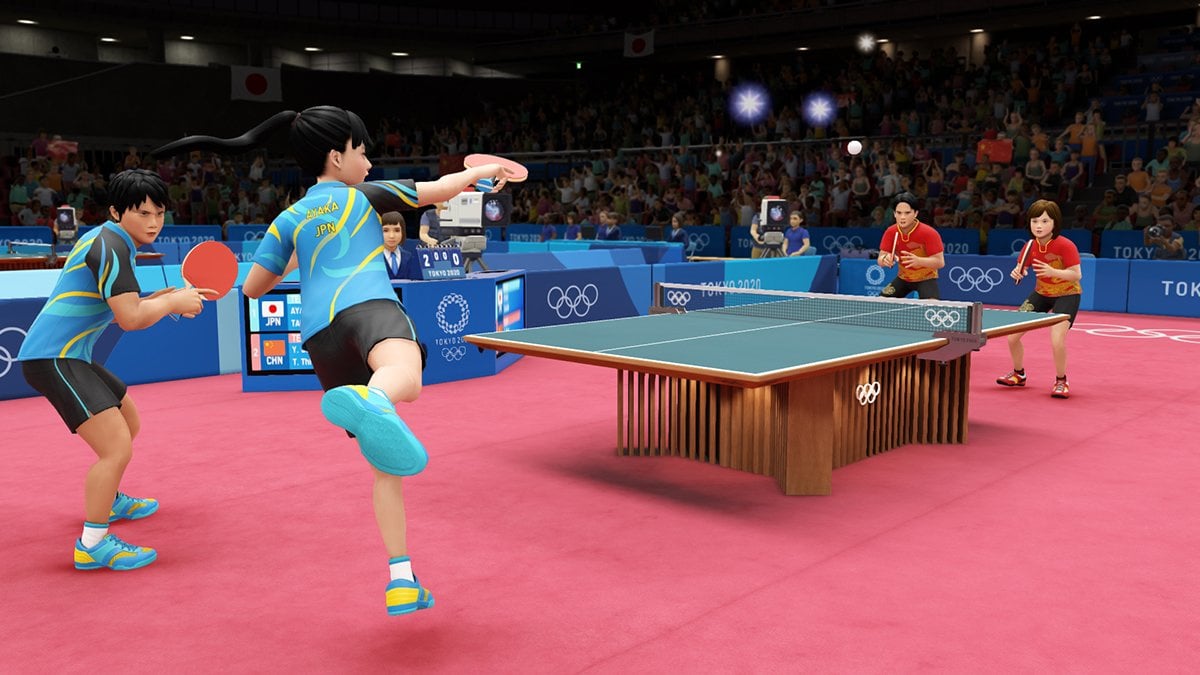
Sega revealed it would be bringing the Tokyo 2020 Olympics to the Nintendo Switch this summer as well. Take a look at the screenshots below:
Lastly, was the announcement of Tokyo 2020 Sonic at the Olympic Games for iOS and Android devices. This will arrive at some point during 2020.
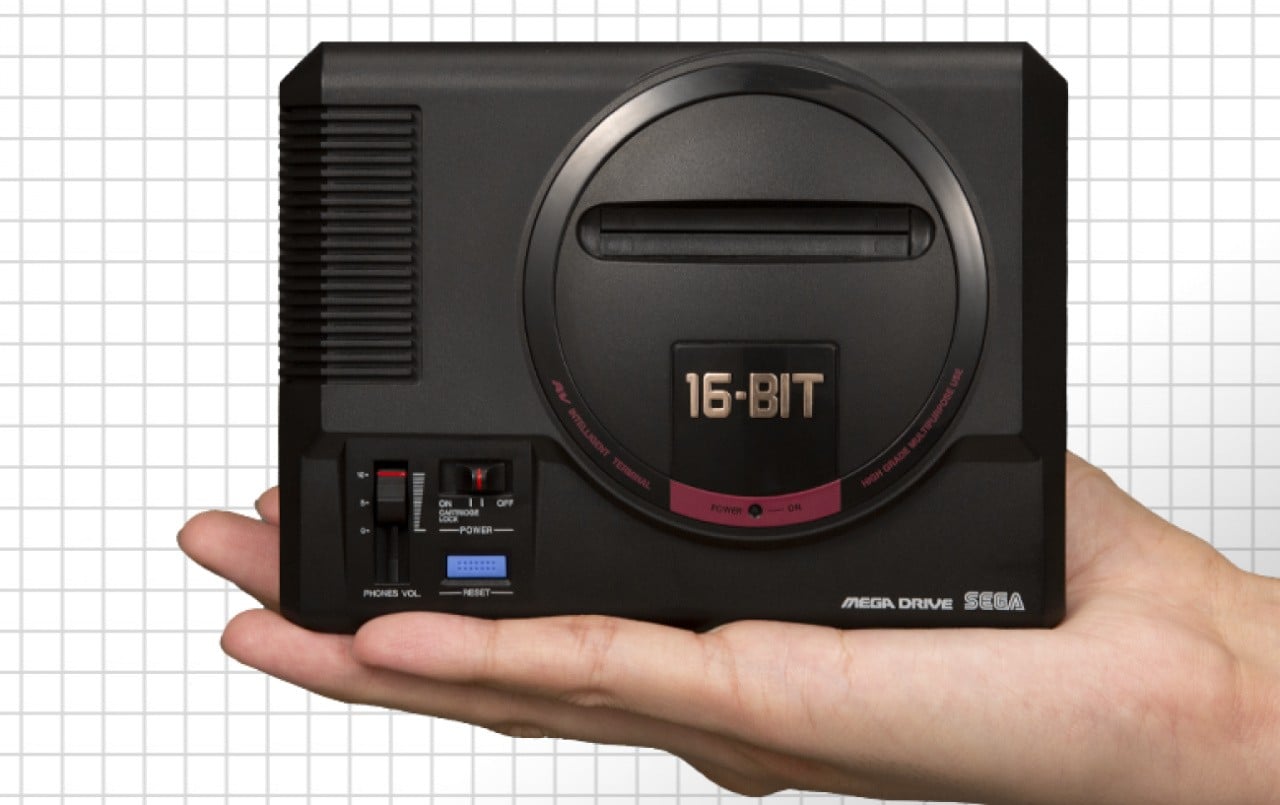
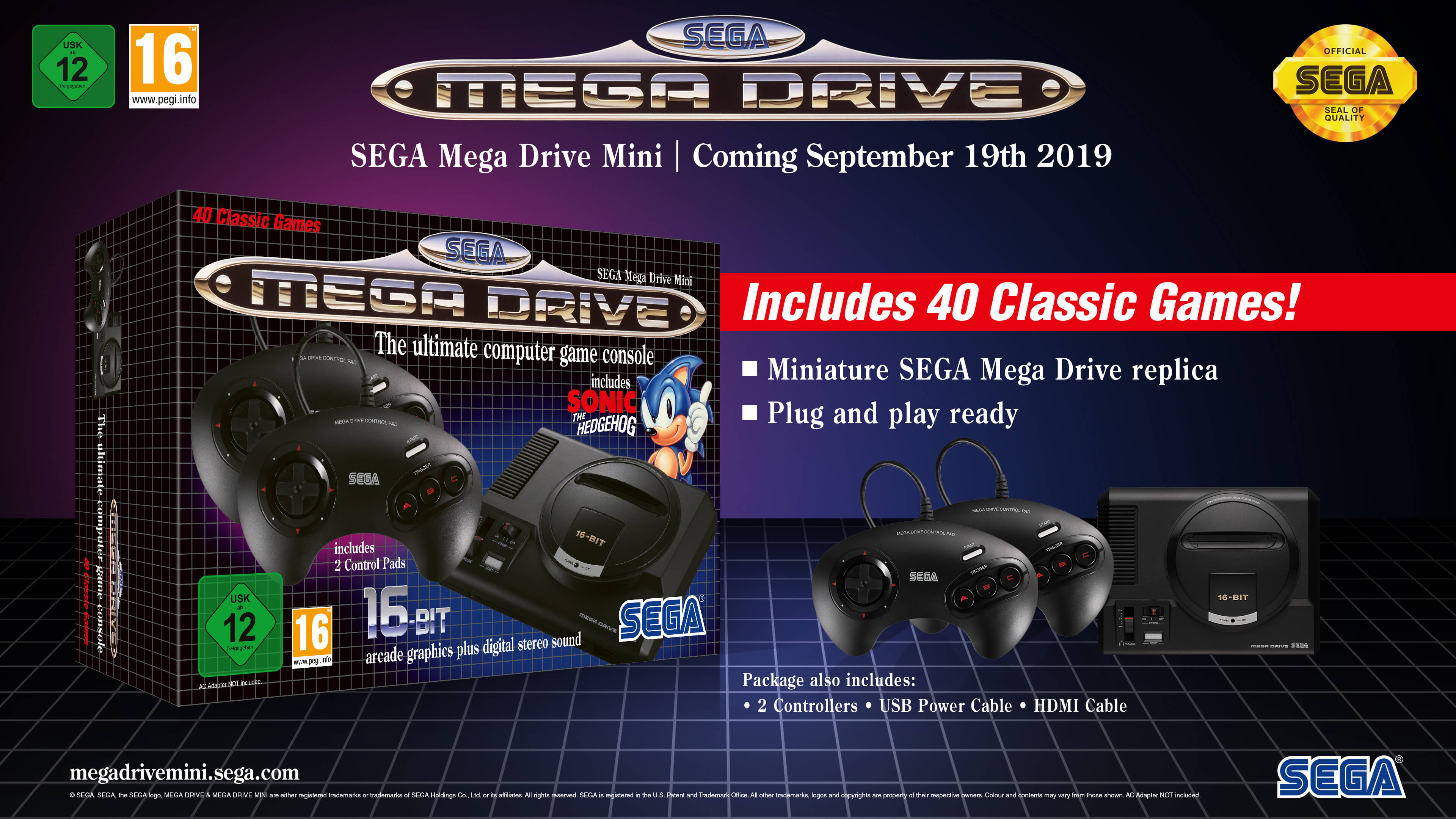
Sega Mega Drive Mini Launches Worldwide This September
Last September, Sega decided to delay the release of the Mega Drive Mini / Genesis Mini after the response to the announcement here in the west was bigger than it expected. The company also explained how it also wanted to achieve a level of quality fans would expect and brought in proven Japanese developers to help out.
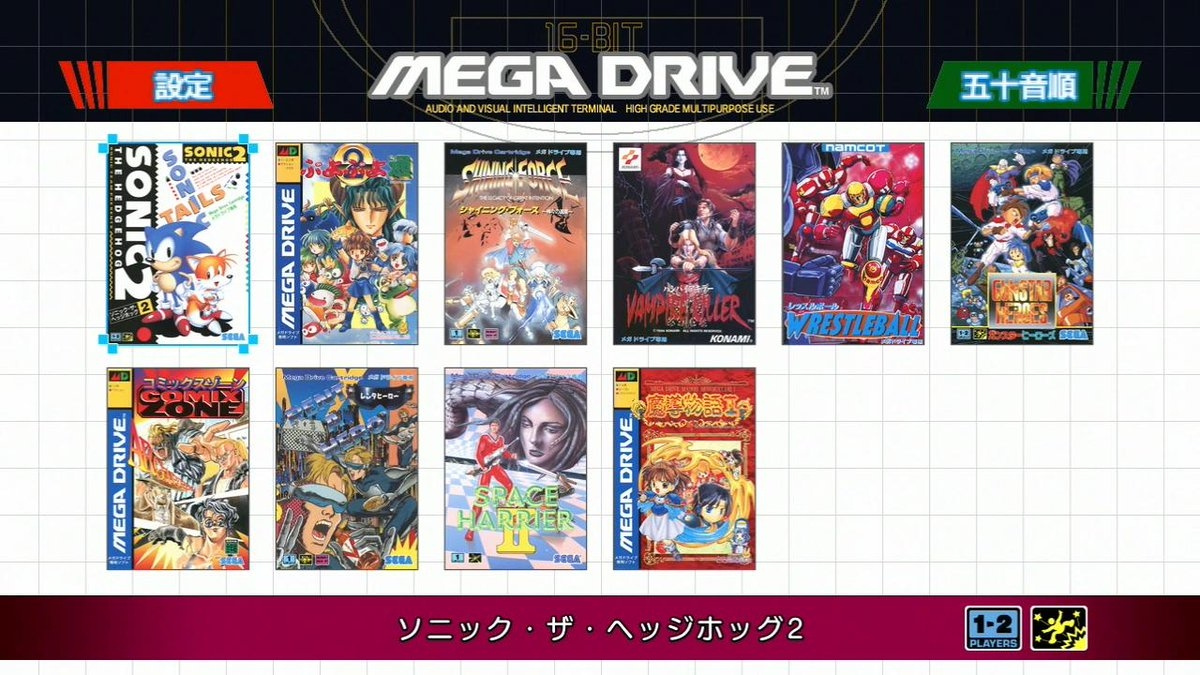
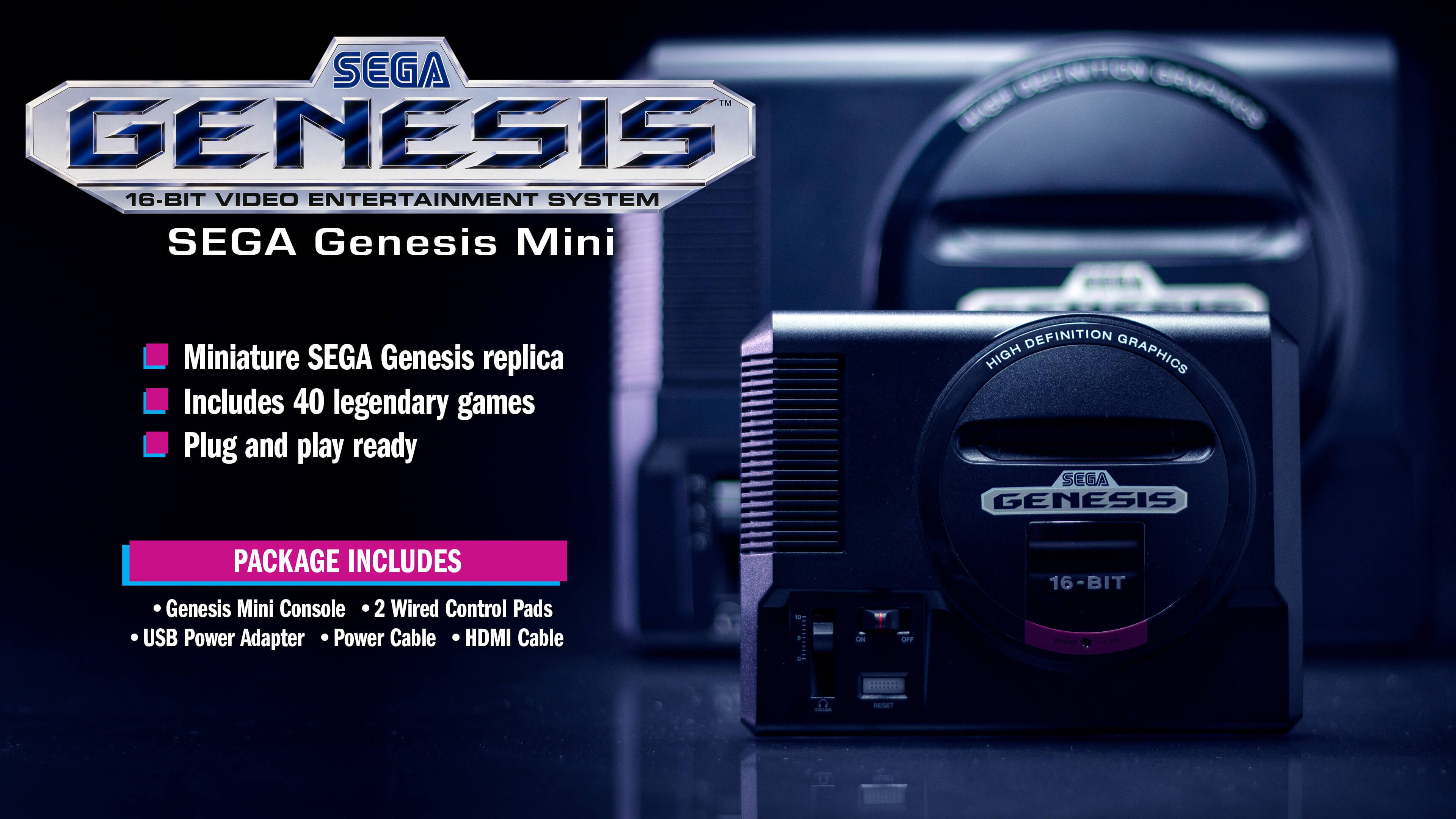
Sega has now announced the system will launch worldwide on 19th September. It will be priced at 6,980 yen or 8,980 yen if you want two of the USB-based controllers. The device will include all the necessary cables and a total of 40 titles, with the first 10 for Japan now confirmed (thanks Gematsu).
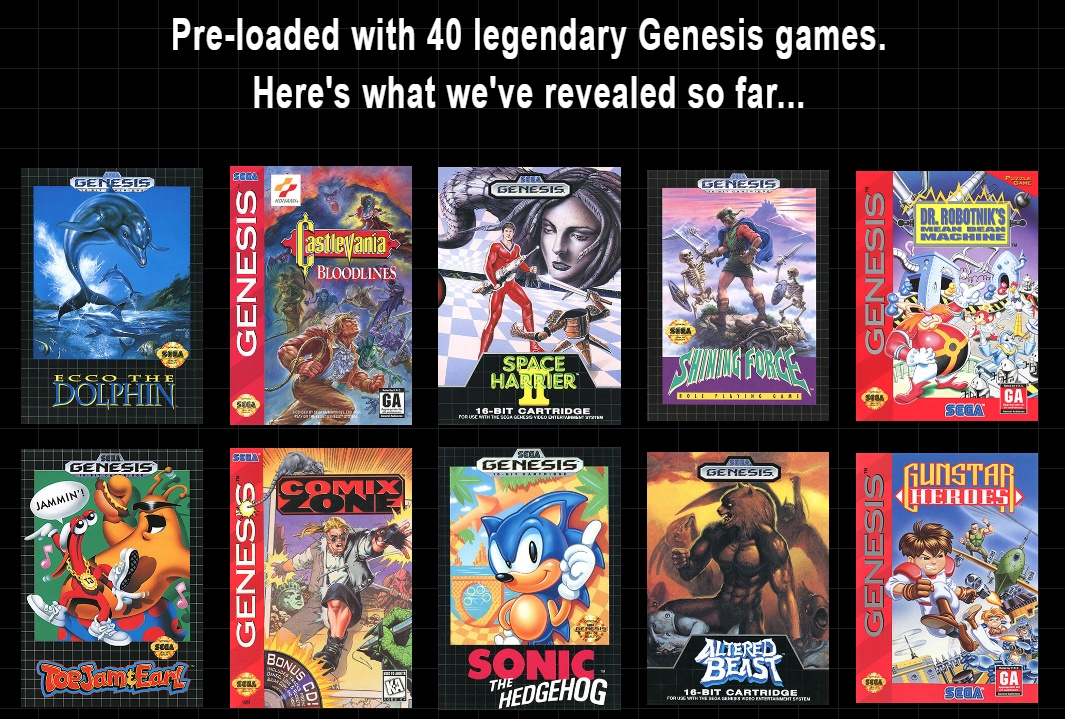
In North America, the Genesis will be sold for $79.99 and in Europe the Mega Drive equivalent will cost €69.99 or €79.99 if you want two controllers. Both of the systems in these regions come packaged with the original 3-button controllers (see below). The library of games for the system in these locations is expected to be slightly different as well. Here are the first 10:
In addition to the information about the game line-ups, it’s been revealed the talented team at M2 worked on the system’s software, while Sega composer Yuzo Koshiro was responsible for the menu music. The miniature console also has HDMI output, four quick-save slot options for each game (allowing for immediate saves) and various language options (with games like Castlevania: Bloodlines changing its title based on the region language).
More details about the system will be shared on 18th April during a Famitsu live stream.
Will you be picking up a Sega Mini system this September? Tell us in the comments.
Random: Japan’s Kirby Merchandise Never Fails To Make Us Smile
We often find ourselves banging on about how jealous we are of those living in Japan, and at least 70% of that jealousy comes from the nation’s incredible range of Kirby merchandise.
If you don’t believe us (or just want to see some of it for yourself) feel free to check out any of the following. In recent times, we’ve seen a Where’s Waldo? style book, a puppet (although this one is actually quite terrifying), Kirby and Waddle Dee costumes for your cat, a plush Kirby designed with the sole purpose of putting your head in its mouth to go to sleep, and an excellent range of merch from the official Kirby Cafe. What a world.
Now, though, even more greatness is on the way thanks to an upcoming Kirby-themed Ichiban Kuji. If you’re unaware, Ichiban Kuji is essentially a lottery that can be played in game shops and convienience stores. Players buy tickets in the hopes of picking up various prizes, and this Kirby selection will be up for grabs at the end of April.
In some ways, we’re quite lucky that we don’t live in Japan; can you imagine having to resist buying tickets for this? Good grief.
Feel free to squee over all of this cuteness in the comments.
Libravatar is a free and open source service that anyone can use to host and share an avatar (profile picture) to other websites. Read on for some news about the service and its relevance to the Fedora Project.
As defined in the project’s blog, The Libravatar project is part of a movement working to give control back to people, away from centralized services and the organizations running them. It addresses a simple problem: putting a face on an email address.
The project originated from the will to have a free, as in freedom, service alternative to Gravatar, giving the users the possibility to use a hosted service or to run their own instance of the service and have full control of their data.
In April 2018 the Libravatar project announced that the service will be shutting down. The service is/was being used by many communities like Fedora, Mozilla and the Linux Kernel to name a few. The announcement triggered a big response from the community, of people interested and willing to help to keep it running.
After some coordination, and a complete rewrite of the application the launch of the new service was announced Tuesday 19th February 2019. The Fedora Project is proud to sponsor Libravatar by providing the infrastructure needed to run the service.
Although the SRE job role is often defined as being about automation, the reality is that 59 percent of SREs agree there is too much toil (defined as manual, repetitive, tactical work that scales linearly) in their organization. Based on 188 survey responses from people holding SRE job roles, Catchpoint’s second annual SRE Report surprisingly found that almost half (49 percent) of the SREs believe their organization has not used automation to reduce toil.
Often being inspired by DevOps, SREs have high expectations for automation. Yet, there are key differences between the two and SRE responsibilities are much closer to those associated with systems administrators. SREs have the capability to automation and innovate but are often burdened by IT operations historical focus on incident management and reliability.
Apple announces premium subscription service Apple Arcade
By Joe Robinson26 Mar 2019
Hot on the heels of all the fun-times of GDC, Apple seem keen to retake the initiative on mobile gaming, or at least, the conversation around mobile gaming. Last night they made a number of announcements at their “It’s Show Time” event at the Apple Park campus, the most relevant to us being Apple Arcade.
Apple Arcade is essentially a subscription service, ‘Netflix for mobile games’ if you want the catchy elevator pitch, although it’s equally as comparable with initiatives like PlayStation Plus/Now, or Humble Monthly. This is something that’s been hinted at for a while, and certainly Apple have been making noises about wanting to improve discoverability of games – even though apparently sites like ours aren’t needed anymore.
Essentially Apple Arcade will allow iOS, MacOS and Apple TV users can pay a subscription fee to get access to the entire library of games included in the Arcade, which will be over 100 at launch. We’ll post the full list that we know about below, but it includes games like Overland and the newly announced Beyond a Steel Sky, the former of which is one of our most anticipated mobile games of the year.
This isn’t great news for Android users, as they’ve already said that any game on Apple Arcade won’t be on any other mobile platforms, and they won’t be any other subscription service. We could probably still see PC/Console ports (or more likely, PC/Consoles games ported to iOS via Apple Arcade), but Android users could potentially lose out on a lot of promising premium titles after this program launches.
This is a strange one for me personally – as an Android-only mobile user, it sucks that I probably won’t be able to play great games like Overland now, unless they come to PC. But Pocket Tactic’s mission is to support premium mobile games, and those that play them, as much as we can… plus, there’s no ignoring that more of you game on iOS than you do Android.
While I doubt Apple Arcade will be some kind of messianic ‘saviour’ for premium games, I think it will offer a more comfortable route to market for many premium developers. There are countless things to worry about on the app store: discoverability, profitability, niche interests… Apple Arcade is likely to help with many of these, but then there’s plenty of proven cases of premium games doing fine without it so far. If a developer isn’t particularly bothered about making an Android port, I imagine that will help contextualise the benefits of Arcade. There are plenty of PT favourites that still don’t have Android versions, after all.
There are still several big questions that Apple will need to fill in some blanks for, however, namely:
How much will it cost?
How do the Devs get paid?
Can the Arcade Apps be purchased individually still via the app store?
How/Who is going to curate these apps?
Who will own these apps, and how will you access them once installed?
With regards to what games are coming TouchArcade already has a decent list online which we’ve reproduced below:
ATONE: Heart of the Elder Tree
Beyond a Steel Sky
Box Project
Doomsday Vault
Down in Bermuda
Enter The Construct
Frogger in Toy Town
HitchHiker
Hot Lava
Kings of the Castle
Lega Arthouse, Cardpocalypse
LEGO Brawls
Lifelike
Little Orpheus
Monomals
Mr. Turtle
No Way Home
Oceanhorn 2: Knights of the Lost Realm
Overland
Projection: First Light
Repair
Sayonara Wild Hearts
Sneaky Sasquatch
Sonic Racing
Spidersaurs
The Bradwell Conspiracy
The Pathless
UFO on Tape: First Contact
Where Cards Fall
Winding Worlds
Yaga
Apple Arcade is due to launch this Fall, so Imagine many of these questions will be answered before then.