Posted by: xSicKxBot - 02-20-2019, 09:30 AM - Forum: Windows
- No Replies
‘Minecraft: Education Edition’ offers new standards-aligned math lessons
We have launched a new series of Math activities aligned to all grade 3 Common Core math standards. The first collection of resources features over 30 activities including lesson plans, rubrics, student worksheets, and downloadable worlds. Learn how to round numbers, find variables, use fractions and more, all in immersive and creative Minecraft: Education Edition lessons.
Download the guide to discover a list of applicable standards along with links and descriptions of Minecraft: Education Edition activities that focus on each objective.
Educators can access these lessons for free at any time via our math subject kit. (Hint: Control+F, or Command+F on a Mac, is the perfect tool to help you search for a specific standard or math topic.)
Below are a few lessons to get you started teaching math with Minecraft:
Repeated Addition With Parkour Standard: 3.OA.A.1 Students analyze math models and build their own parkour course in Minecraft using arrays to demonstrate understanding of multiplication.
Round Number Video Standard: 3.NBT.A.1 Students will learn how to round to the nearest 10s and 100s by building math models in Minecraft and recording a video.
Fraction Pixel Art Standard: 3.NF.A.1 Students design pixel art images in Minecraft then discuss number patterns and unit fractions to develop an understanding of fractions as numbers.
We will be sure to update you as content for additional age levels are released. In the meantime, share your classroom creations with us on Pinterest or Twitter via @playcraftlearn and #MinecraftEDU.
Posted by: xSicKxBot - 02-20-2019, 03:25 AM - Forum: Lounge
- No Replies
Top 10 UK Games Chart: Crackdown 3 Makes Slow Start In Debut Week
Far Cry: New Dawn wins the battle of the new releases this week as it debuts at No.1 in the UK physical sales chart, ahead of Metro: Exodus at No.2. Xbox One console exclusive Crackdown 3, however, fails to make the top 10 for the week ending February 16.
Sales monitor GfK Chart-Track also notes that Metro: Exodus was top of the chart in terms of revenue--likely owing to New Dawn's lower RRP. Microsoft's commitment to making all first party games available on release day at no extra cost with Xbox Game Pass should also be remembered. For comparison's sake, the last big Xbox exclusive, Forza Horizon 4, debuted at No.3, so Crackdown 3's No.13 finish may come as a disappointment for Microsoft. Jump Force is the final new release this week, and it finishes at No.4 in its first week on sale.
Far Cry: New Dawn launched to a mixed critical reception. We awarded the spin-off a 6/10 in our Far Cry: New Dawn review, with critic Edmond Tran stating the open-world title "is a palatable but unremarkable spin-off that feels like it could have achieved so much more."
Our 8/10 Metro: Exodus review, meanwhile, was rather more positive. Michael Higham said "Exodus puts together a charismatic crew of friends and family that you'll want to follow to the ends of the earth."
Finally, Crackdown 3 has suffered from a poor reception from critics, including a 5/10 in GameSpot's Crackdown 3 review. Chris Pereira said "the game has little new to offer beyond cool destruction tech that never gets put to good use."
You can read the full top 10 sales chart below, courtesy of UKIE and Chart-Track. Note this table does not include digital sales data, and so should not be considered representative of all UK game sales.
Vambrace: Cold Soul Brings Roguelike Fantasy To Switch This Summer
Coming from Devespresso Games, the Korean studio behind The Coma: Recut, their latest game is planned for a summer release on Switch and other consoles following a PC launch in April.
Vambrace: Cold Soul is a hand-illustrated ‘roguelite’ adventure set in the city of Icenaire. The city is populated by a host of unusual survivors and it’s your job as Evelia Lyric – the only human who can enter the city – to form a party from the characters you meet and venture out on expeditions.
It looks to be a narrative-rich adventure game involving crafting and battling. You’re fighting against the King of Shades who has cursed the city (hence the permanent chilliness, although what do you expect if you call your city Icenaire?) and created an army of undead Wraiths to terrorise all who remain. All sounds a little bit Game of Thrones…
It certainly looks nice. Here are a few highlighted features from the official blurb:
Features · Embark on an epic fanasy-adventure spanning 7 intriguing chapters · Complete sub-quests to unlock up to 26 new, thematic character skins · Assemble your party from 5 races and 10 unique classes of recruits · Craft items and armour from precious materials gathered on your trips that will unlock new skills and enhance stats · Make crucial decisions – one wrong turn can seal your party’s fate · Prepare well or condemn your comrades to permanent death · Find codex pages to expand upon the world’s history and mythical lore
Like the look of this or have you had your fill of roguelike adventures? Think you can survive the White Walke…, sorry, the Wraiths and take down the King of Shades? Share your thoughts in the usual place.
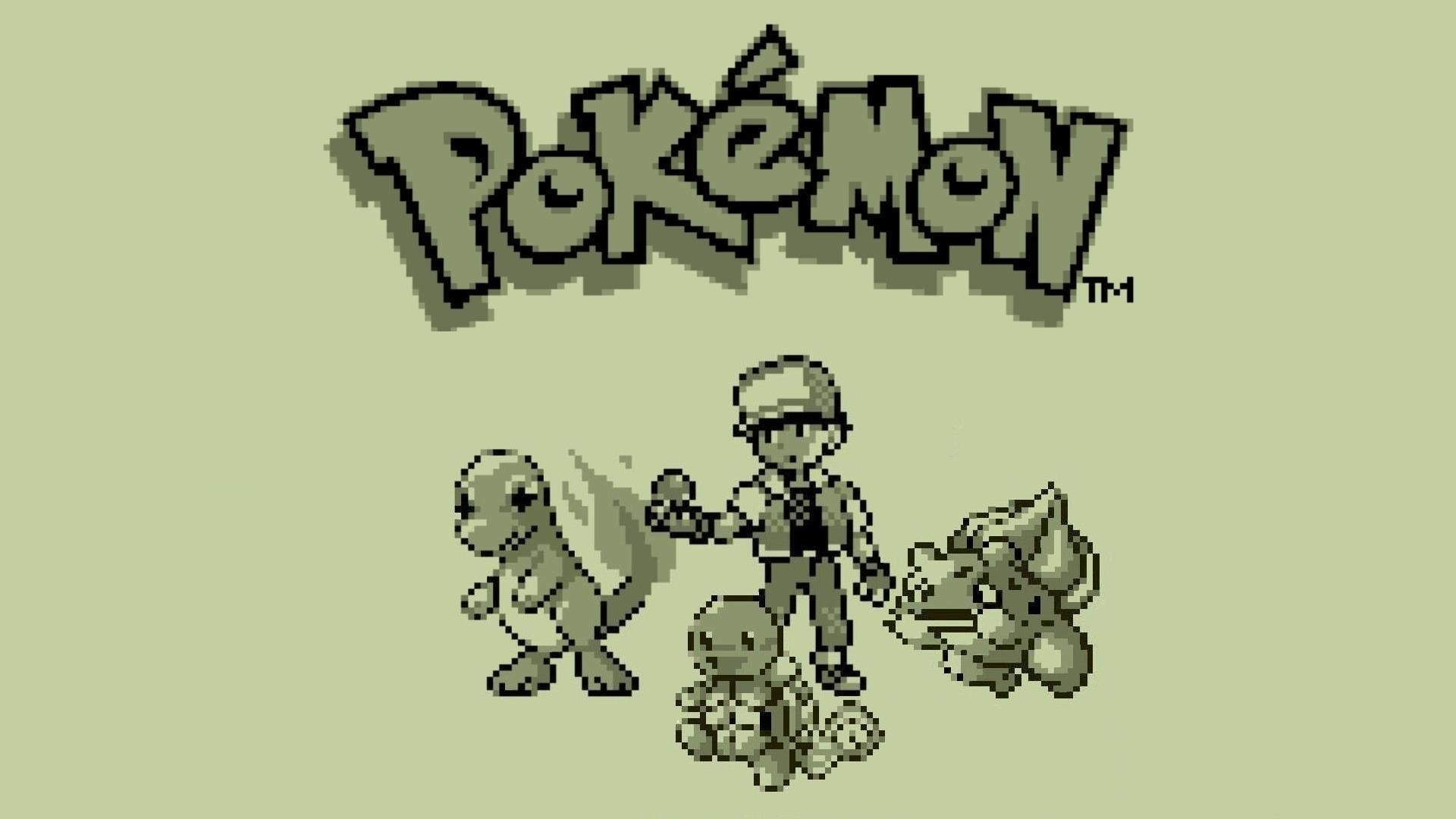
The whole story surrounding the anonymous origins of these prototypes should have keen pokéstorians on their guard, as it did Helix Chamber when the fan group was first approached, but the authenticity of the sprites has been independently verified against other data – all these assets appear to be legitimate.
We already knew from previous documentation that an earlier name for the gotta catch ’em all game was ‘Capsule Monsters’, but now we get a much clearer picture of a prototype title screen which shows an early pokéball as the ‘O’ in ‘Monsters’.
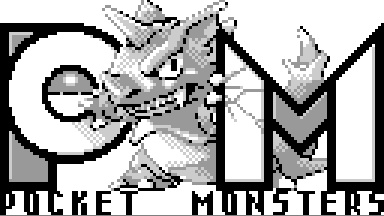
Another picture shows an early version of what appears to be a Rhydon standing over the revised ‘Pocket Monsters’ logo:
There’s plenty more to check out: an entire folder’s worth of assets for fans to download and examine in detail, including an early Blastoise named ‘Totartle’ and analysis of the fabled Missingno – the well-known glitch that’s easily found in-game – plus a whole sheet of early designs.
Head over to Helix Chamber for the exhaustive lowdown.
Think Pokémon would have taken over the world under a different guise? Are any of these prototype ‘mon more interesting than Metapod? Drop us a line in the comments…
Anthem is a shared-world action-RPG in which players delve into a vast world teeming with amazing technology and forgotten treasures. The world is also filled with savage beasts and ruthless marauders where Freelancers are called to defeat the forces plotting to conquer humanity. In Anthem, up to 4 friends unravel the world?s mysteries and take on its most fearsome challenges together. Shared danger means shared glory, and successful Freelancers are all be richly rewarded for successful exploits. Throughout their adventure, players outfit their Freelancers with powerful Javelin exosuits, each of which are equipped with unique weapons and abilities. Players also customize their Javelin with gear they earn and craft throughout the adventure, and leave a lasting mark on the world. [Electronic Arts]
Isometric Puzzler Golf Peaks Tees Off On Switch Soon
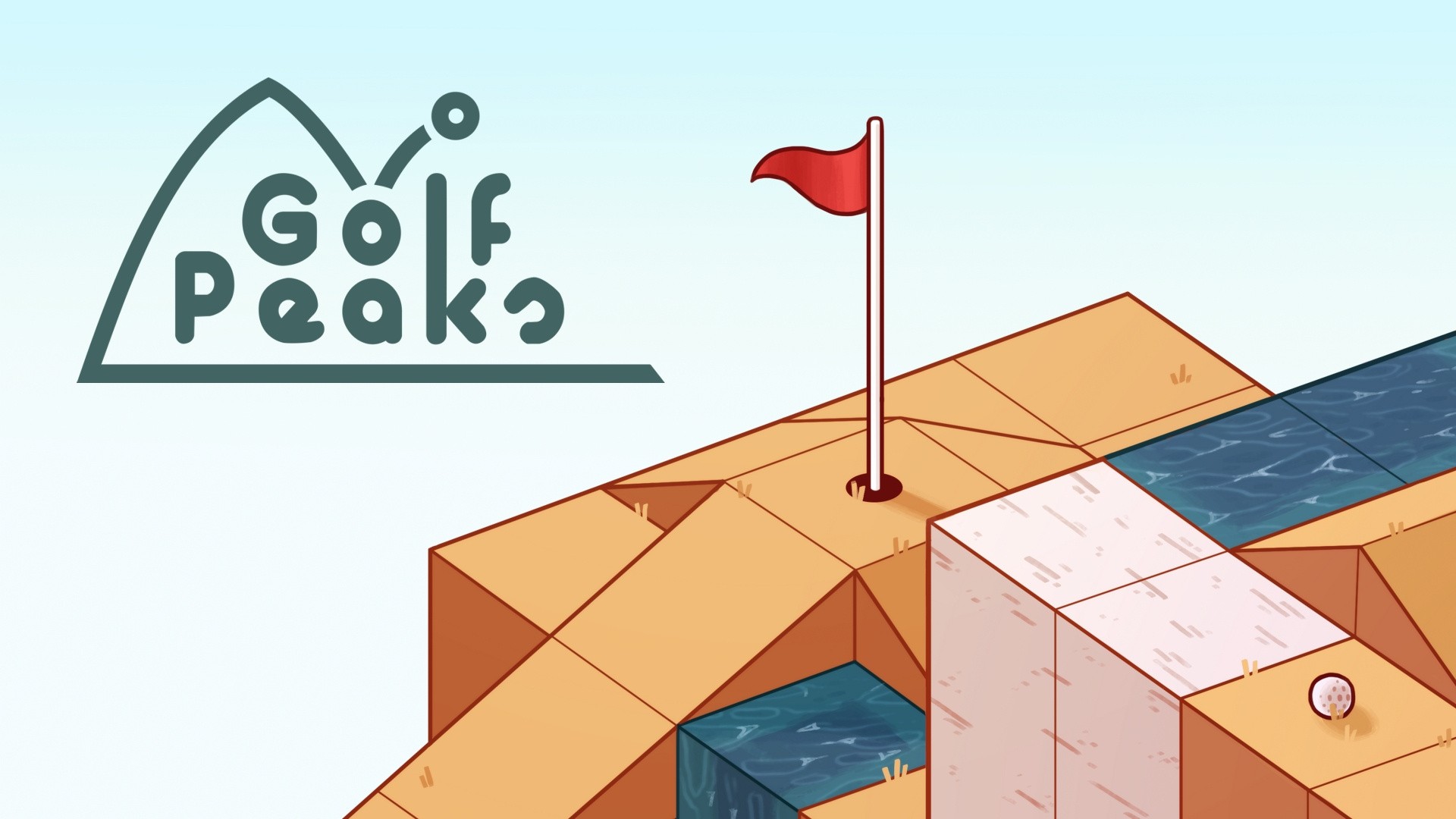
If you’re in the market for a nice relaxing round of golf on your Switch, then Polish publisher 7lvls.com has you covered with their upcoming Golf Peaks, which looks rather nice indeed.
Let’s find out a bit more about this upcoming puzzler from their press release:
No understanding of golf is required – just grab your Joy-Con controllers and conquer the mountain peaks by making your way to the hole, however not in the usual skill-shot based style. Instead, plan your strategy and use action cards to move the ball! Solve over 100 enjoyable yet challenging puzzles accompanied by relaxing music and minimalist, eye-pleasing graphics and conquer the summits!
Golf Peaks is an award-winning, relaxing puzzler where you climb mountains by playing golf. The title uniquely combines puzzle mechanics with an easy-to-learn card-based movement system, providing the player with numerous action cards. Each card moves the ball in a different way and at varying distances.
The game offers over 100 challenging levels and nine worlds to discover. Each level has various block types to experiment with, which brings diversity to the gameplay. The minimalistic visuals accompanied by a relaxing soundtrack make Golf Peaks a mind-soothing experience.
Here are some of the features which the game boasts:
– Challenging gameplay: complete over 100 levels and discover 9 worlds – Diversity: experiment with various block types – Strategy: use cards to move the ball – Mind-soothing: minimalist visuals and a relaxing atmosphere – Immersive: experience the gameplay with HD Rumble integration – The possibility to play the game using either Joy-Con controllers or touch screen – Zero understanding of golf required!
Golf Peaks will cost $4,99 / €4,99 and ascend towards Nintendo Switch on March 14th. Do you plan to pick this one up?
You have 24 hours to vote in the 15th IMGA – have your say
By Joe Robinson19 Feb 2019
It’s a bit of a slow week for us at the moment, but fear not, we’ve got reviews coming tomorrow and Thursday to tide you over before another Weekender update. In the meantime, I thought we could go for something a little different today.
IMGA have announced the nominees for their 15th International Mobile Game Awards, and for the next 24 hours the public is being given a say via the Public Choice Award.
There’s a total of 153 nominees available, and you can only vote for one game out of the bunch – voting will end at 4PM GMT tomorrow. There’s a lot of names to sift through, but here are few PT favourites that you could vote for if you wanted to:
Alphabear 2, English word puzzle, Spry Fox LLC, United States
Alto’s Odyssey, Team Alto, United Kingdom
Donut County, Ben Esposito, United States
ELOH, jcstranger / Salon Alpin / Broken Rules, Austria
Kingdom Rush Vengeance, Ironhide Game Studio, Uruguay
One More Button, Tommy Søreide Kjær, Norway
Rebel Inc., Ndemic Creations, United Kingdom
Reigns: Game of Thrones, DevolverDigital, United States
The Room: Old Sins, Fireproof Games, United Kingdom
Please do check the full list if you can find the time though – there’s plenty of other games there (including Fortnite & PUBG Mobile, as it happens). The main awards, like the Grand Prix, will be decided by a panel of experts.
Along with these ‘Global’ awards, the IMGA runs regional awards in China, the MENA area and South-East Asia. If you’re interested you can look up past winners (which include games like Monument Valley and Tokaido) here.
All of the winners of this year’s awards, including Public Choice, will be announced on March 19th.
This means we haven’t even touched on & as an AND operator, so let’s do that now.
& is a Bitwise Operator
If you are at all familiar with binary operations, you will have heard of AND and OR. These are bitwise operations that operate on individual bits of a binary number. In Bash, you use & as the AND operator and | as the OR operator:
AND
0 & 0 = 0 0 & 1 = 0 1 & 0 = 0 1 & 1 = 1
OR
0 | 0 = 0 0 | 1 = 1 1 | 0 = 1 1 | 1 = 1
You can test this by ANDing any two numbers and outputting the result with echo:
You use (( ... )) to tell Bash that what goes between the double brackets is some sort of arithmetic or logical operation. (( 2 + 2 )), (( 5 % 2 )) (% being the modulo operator) and ((( 5 % 2 ) + 1)) (equals 3) will all work.
For once spaces don’t matter: ((2+3)) will work the same as (( 2+3 )) and (( 2 + 3 )).
Bash only operates with integers. Trying to do something like this (( 5 / 2 )) will give you “2”, and trying to do something like this (( 2.5 & 7 )) will result in an error. Then again, using anything but integers in a bitwise operation (which is what we are talking about now) is generally something you wouldn’t do anyway.
TIP: If you want to check what your decimal number would look like in binary, you can use bc, the command-line calculator that comes preinstalled with most Linux distros. For example, using:
bc <<< "obase=2; 97"
will convert 97 to binary (the o in obase stands for output), and …
bc <<< "ibase=2; 11001011"
will convert 11001011 to decimal (the i in ibase stands for input).
&& is a Logical Operator
Although it uses the same logic principles as its bitwise cousin, Bash’s && operator can only render two results: 1 (“true”) and 0 (“false”). For Bash, any number not 0 is “true” and anything that equals 0 is “false.” What is also false is anything that is not a number:
$ echo $(( 4 && 5 )) # Both non-zero numbers, both true = true 1 $ echo $(( 0 && 5 )) # One zero number, one is false = false 0 $ echo $(( b && 5 )) # One of them is not number, one is false = false 0
The OR counterpart for && is || and works exactly as you would expect.
All of this is simple enough… until it comes to a command’s exit status.
&& is a Logical Operator for Command Exit Status
As we have seen in previous articles, as a command runs, it outputs error messages. But, more importantly for today’s discussion, it also outputs a number when it ends. This number is called an exit code, and if it is 0, it means the command did not encounter any problem during its execution. If it is any other number, it means something, somewhere, went wrong, even if the command completed.
So 0 is good, any other number is bad, and, in the context of exit codes, 0/good means “true” and everything else means “false.” Yes, this is the exact contrary of what you saw in the logical operations above, but what are you gonna do? Different contexts, different rules. The usefulness of this will become apparent soon enough.
Moving on.
Exit codes are stored temporarily in the special variable? — yes, I know: another confusing choice. Be that as it may, remember that in our article about variables, and we said that you read the value in a variable using a the $ symbol. So, if you want to know if a command has run without a hitch, you have to read ? as soon as the command finishes and before running anything else.
As you saw in the previous article, running find over /etc as a regular user will normally throw some errors when it tries to read subdirectories for which you do not have access rights.
So, if you execute…
echo $?
… right after find, it will print a 1, indicating that there were some errors.
(Notice that if you were to run echo $? a second time in a row, you’d get a 0. This is because $? would contain the exit code of echo $?, which, supposedly, will have executed correctly. So the first lesson when using $? is: use $? straight away or store it somewhere safe — like in another variable, or you will lose it).
One immediate use of ? is to fold it into a list of chained commands and bork the whole thing if anything fails as Bash runs through it. For example, you may be familiar with the process of building and compiling the source code of an application. You can run them on after another by hand like this:
$ configure . . . $ make . . . $ make install . . .
You can also put all three on one line…
$ configure; make; make install
… and hope for the best.
The disadvantage of this is that if, say, configure fails, Bash will still try and run make and sudo make install, even if there is nothing to make or, indeed, install.
The smarter way of doing it is like this:
$ configure && make && make install
This takes the exit code from each command and uses it as an operand in a chained && operation.
But, and here’s the kicker, Bash knows the whole thing is going to fail if configure returns a non-zero result. If that happens, it doesn’t have to run make to check its exit code, since the result is going to be false no matter what. So, it forgoes make and just passes a non-zero result onto the next step of the operation. And, as configure && make delivers false, Bash doesn’t have to run make install either. This means that, in a long chain of commands, you can join them with &&, and, as soon as one fails, you can save time as the rest of the commands get canceled immediately.
You can do something similar with ||, the OR logical operator, and make Bash continue processing chained commands if only one of a pair completes.
In view of all this (along with the stuff we covered earlier), you should now have a clearer idea of what the command line we set at the beginning of this article does:
So, assuming you are running the above from a directory for which you have read and write privileges, what it does it do and how does it do it? How does it avoid unseemly and potentially execution-breaking errors? Next week, apart from giving you the solution, we’ll be dealing with brackets: curly, curvy and straight. Don’t miss it!
New Detective Pikachu Trailer Reveals Lickitung And It's Weird
The Internet was pleasantly surprised at the first trailer for Detective Pikachu, but at the same time the realistic take on the classic creatures was slightly unsettling. The latest spot for the upcoming film has revealed another pokemon done up in its realistic style, and it's equally odd.
The 30 second spot is mostly an abridged summary of the first trailer, filling us in on the major details: unlikely friendship, talking Pikachu, etc. It has a few new gags mixed in, but it's the new pokemon around the halfway mark that really turns heads.
Lickitung, the gen-1 pocket monster with a tongue that's way too large to fit in its weird little lizard head, can be spotted on a bus or train doing what can only be described as "unfurling" with his massive mouth muscle. It comes complete with a wet plopping sound, just to accent the grossness. Behold:
Just afterwards, we get the barest glimpse of the much cuter tiger-like pokemon Growlithe sitting in the background of a restaurant, and a closer look at a Bulbasaur. And of course, Ryan Reynolds as the title character continues to show his voice-acting chops. Check out the trailer above, just maybe not while eating.
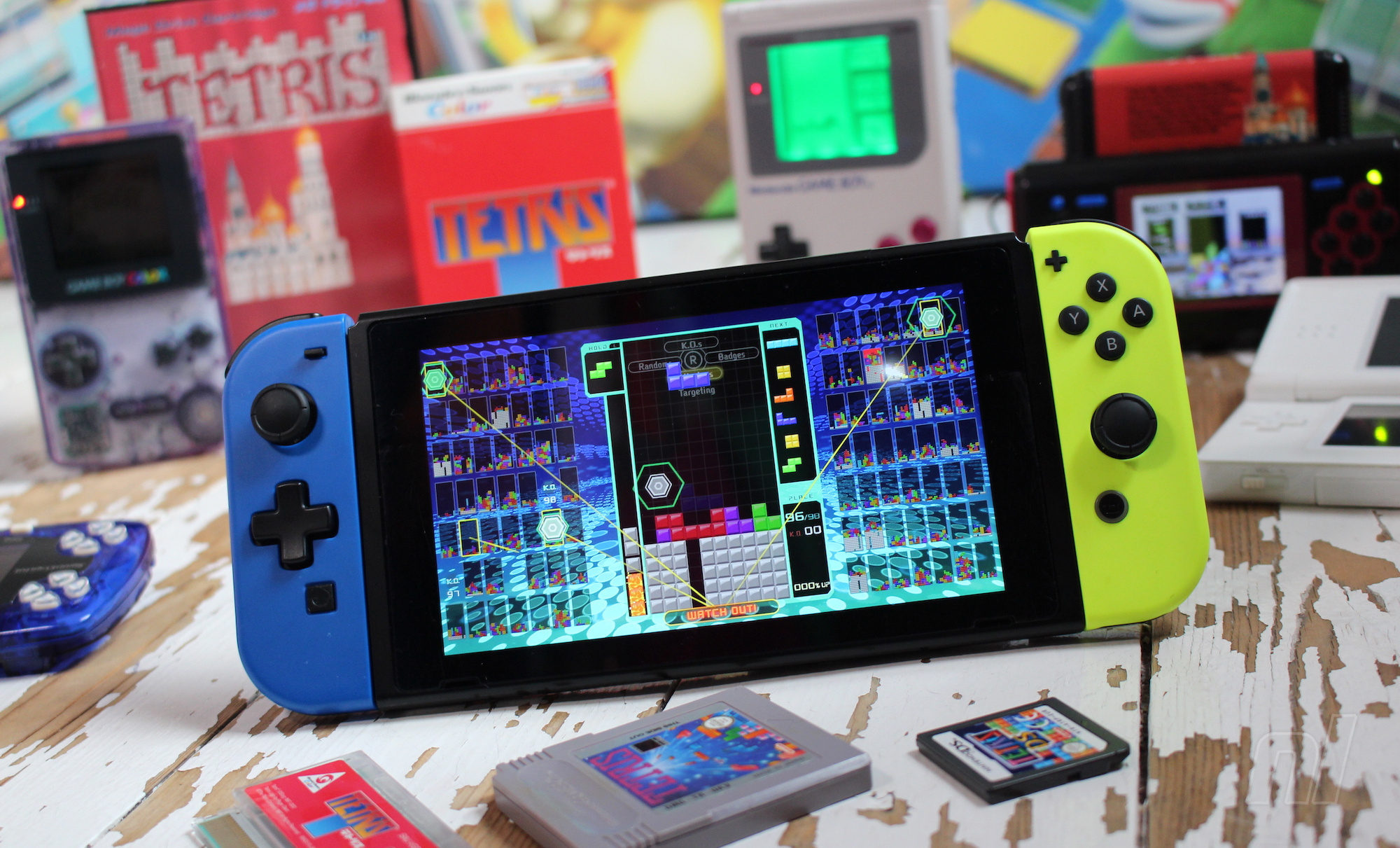
Soapbox: My Love Affair With Tetris, Probably The Best Video Game Ever Created
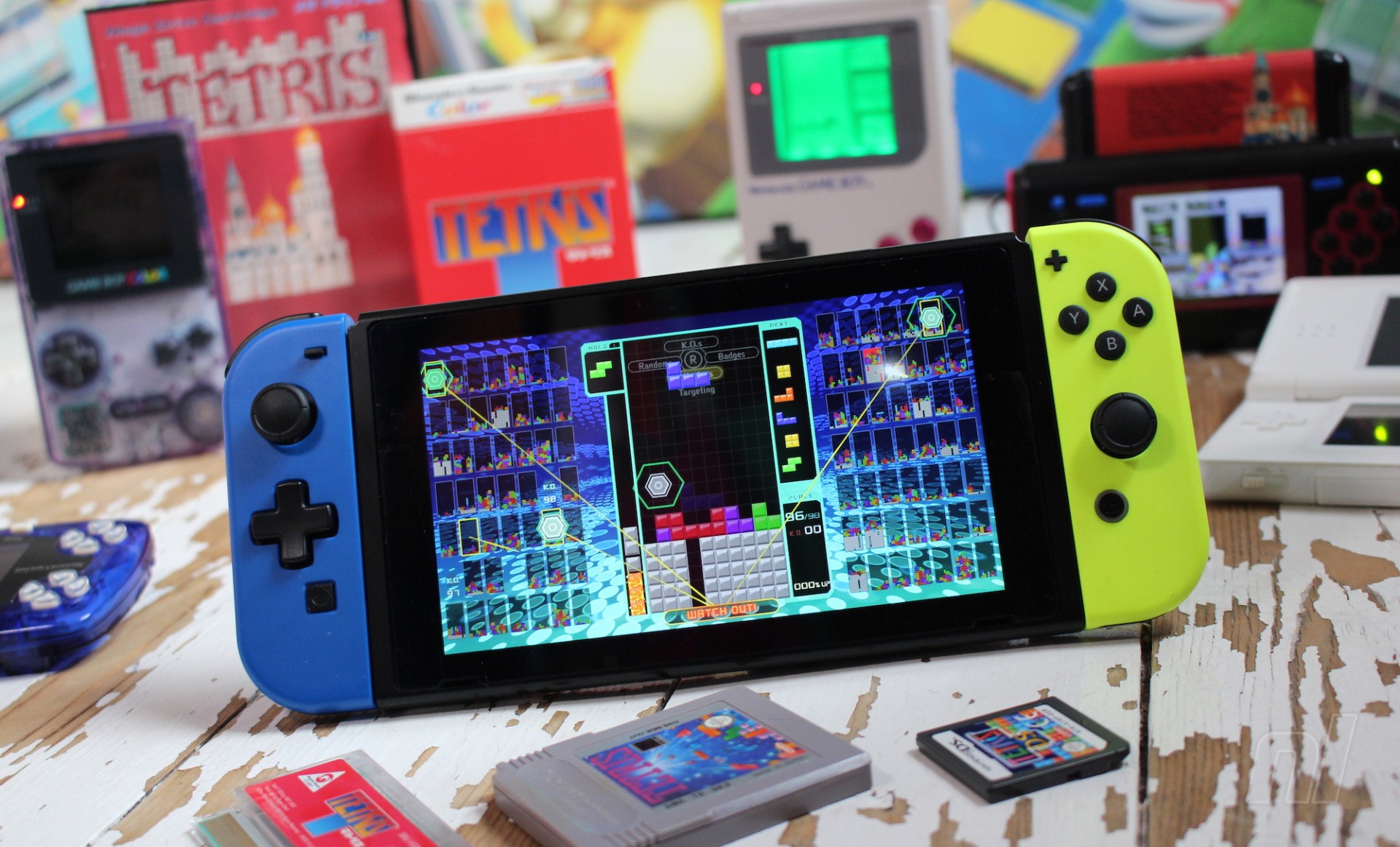
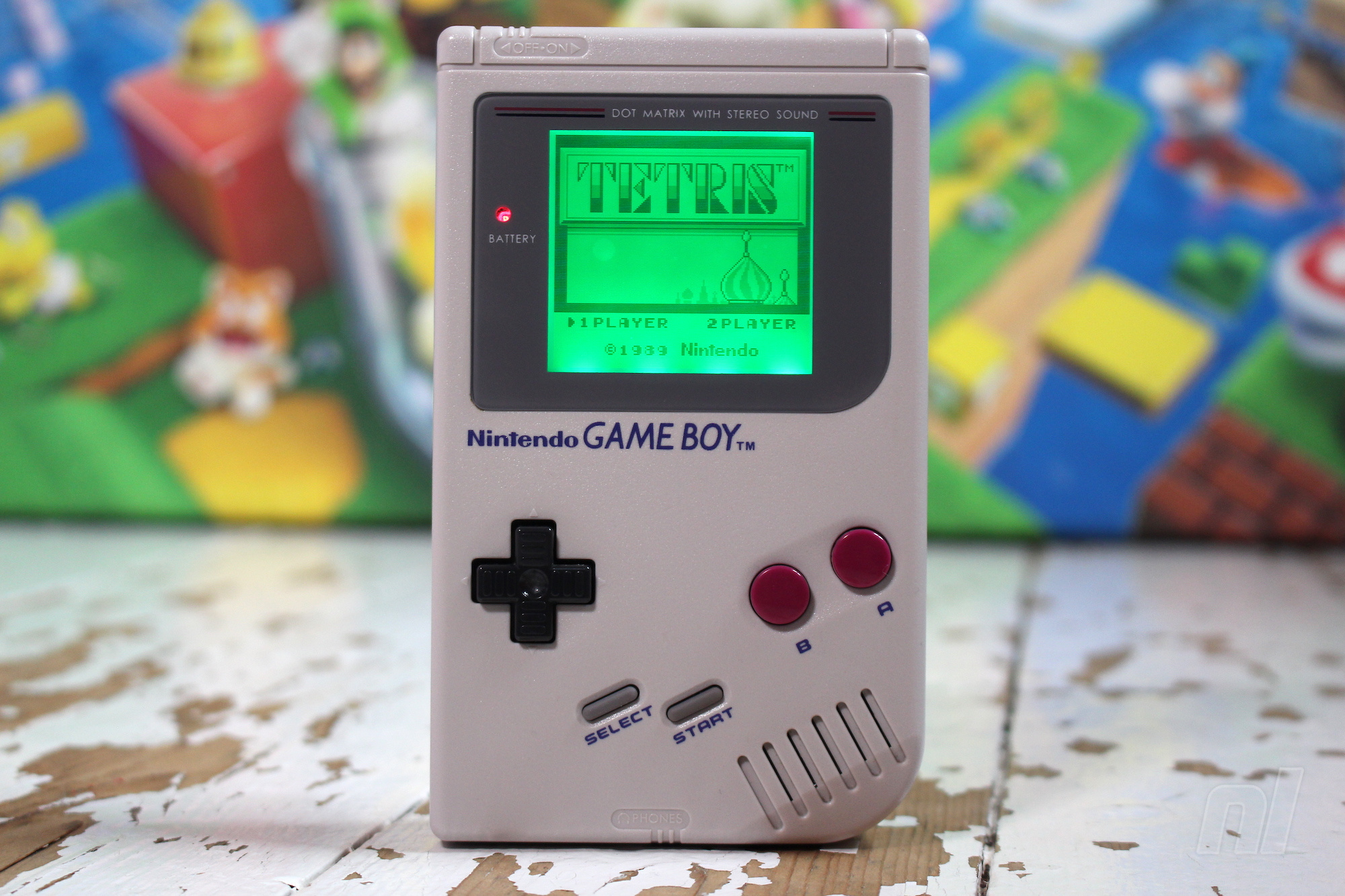
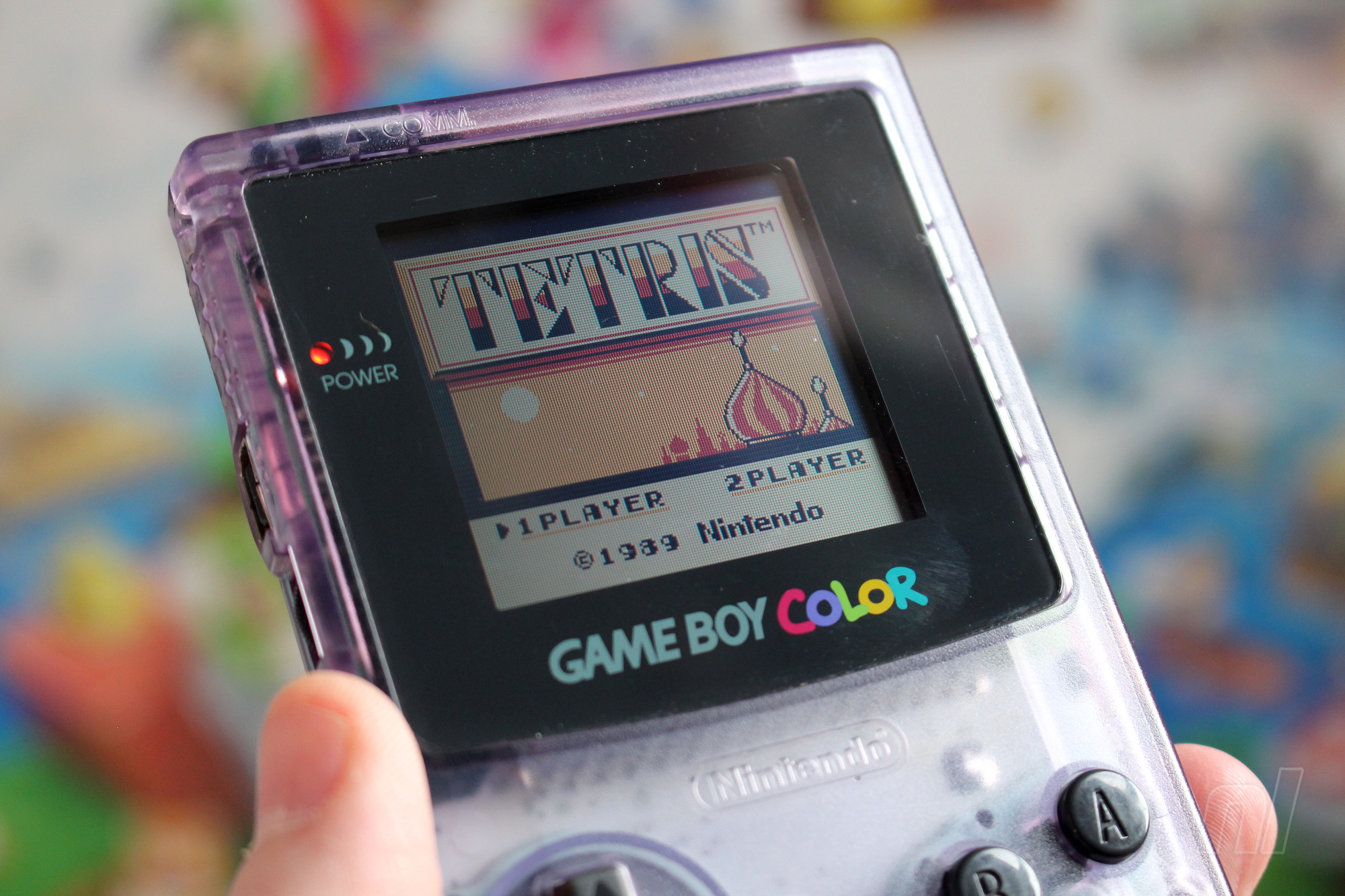
Like millions of players all over the world, my relationship with Tetris began with the Game Boy. Alexey Pajitnov’s famous puzzler may have begun its life on computers in 1984, but it would find a whole new level of fame thanks to the fact that it was bundled with Nintendo’s million-selling monochrome handheld.
I didn’t own a Game Boy at launch, and my first experience of the system – and Tetris – was playing on a friend’s console. I’d owned Nintendo’s pocket-friendly Game & Watch LCD handhelds in the past but nothing could prepare me for this new product; twinned with Tetris, it became the first ‘gadget’ I can remember desiring more than anything else in the world. I begged and pleaded with my parents to buy me one, and while they eventually relented, for what felt like forever I had to make do with playing my friend’s console as and when I was able.
I still remember the day he excitedly ran over to my house to show me that he’d reached the ‘end’ of the game and that iconic space shuttle animation. I could barely contain my jealousy, but I probably did a good job because I was simultaneously excited and elated to be witnessing this seemingly life-changing event; this was decades before you could watch pretty much any segment of gameplay on YouTube, and it’s a sequence that I’ve seen only a handful of times myself since.
When I did eventually get my very own Game Boy, I was stunned at the variety of amazing gameplay experiences that awaited me; Tiny Toon Adventures, Castlevania II: Belmont’s Revenge, Operation C, Zelda: Link’s Awakening, Super Mario Land (1, 2 and 3)… waiting a little before becoming a Game Boy owner turned out to be a bit of a masterstroke, as the system had loads of games available when I got my system.
However, Tetris was the constant; the only game that, when I left the house with my Game Boy-branded bum-bag (fanny-pack, if you’re in North America), would 100% be coming with me. And thanks to its ubiquitous nature, if I met anyone on the road who also owned a Game Boy, I could be sure that an impromptu link cable battle was on the cards. It was a magical time to be a gamer, and even if Tetris hadn’t been one of the most addictive and finely-crafted video games of all time, I still think I would hold fond memories of travelling the country with my console, link cable and ample supply of AA batteries.
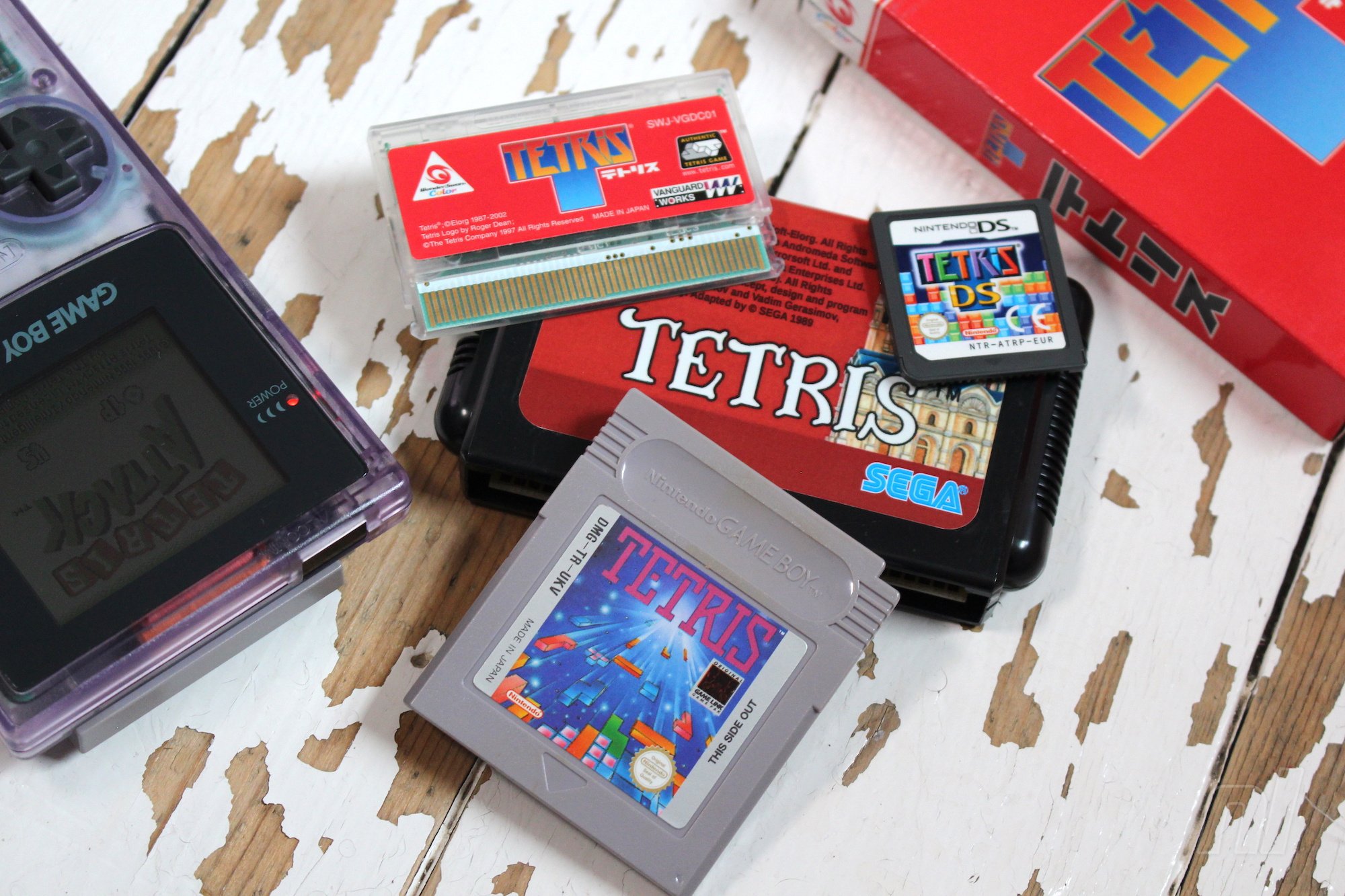
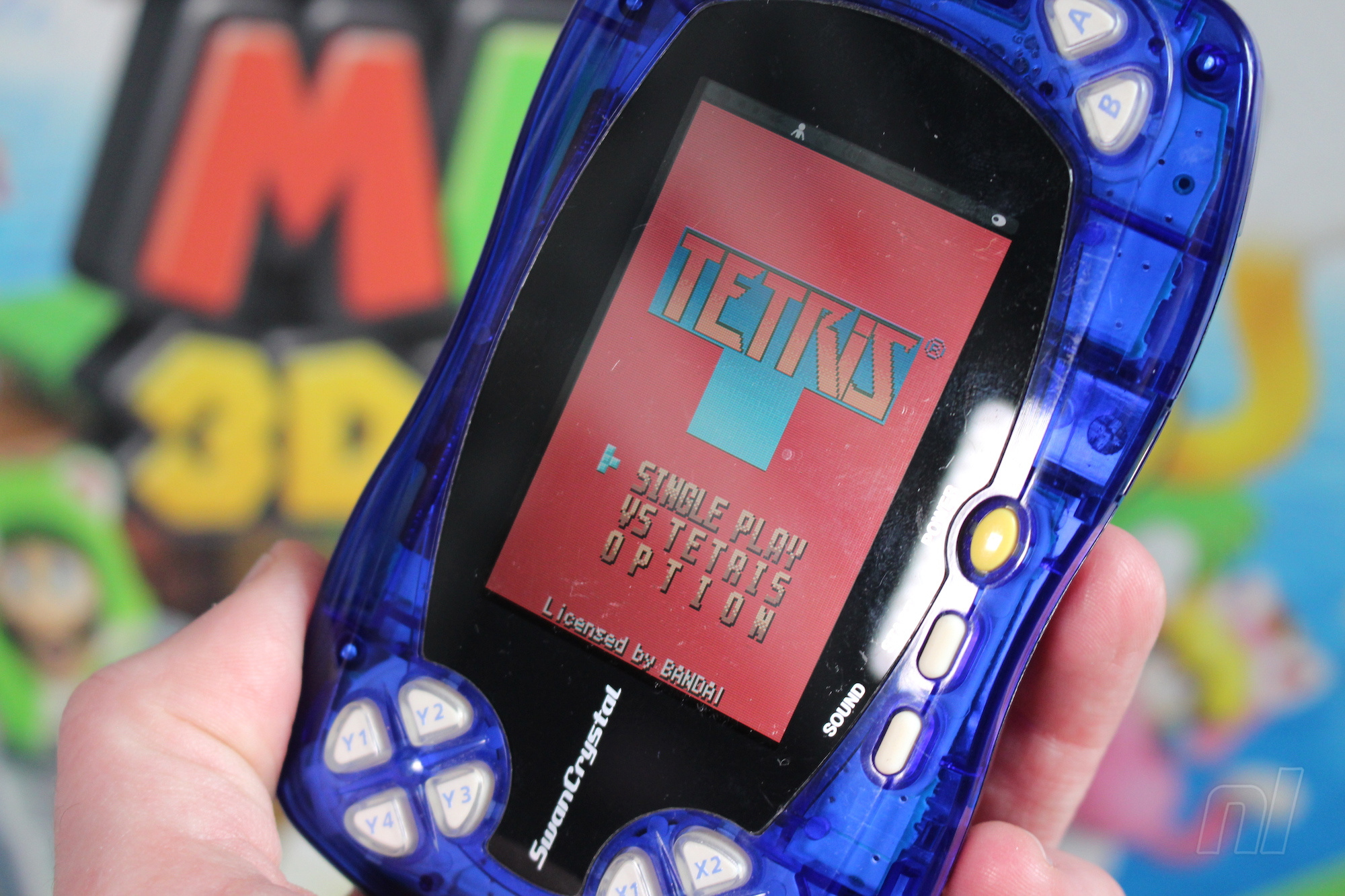
Nintendo capitalised on Tetris’ innate playability with a Game Boy sequel, which strangely bypassed me entirely. I’m not sure why, but I never felt the need to invest in the follow-up; perhaps it was because even in my young eyes, the original game was already as close to perfection as it was possible to get, given the limitations of the hardware. Instead, I got all excited about Tetris on the Bandai WonderSwan, not because it offered any massive gameplay innovations, but because it could be played in portrait orientation, which felt like a better fit, given the dimensions of the playfield.
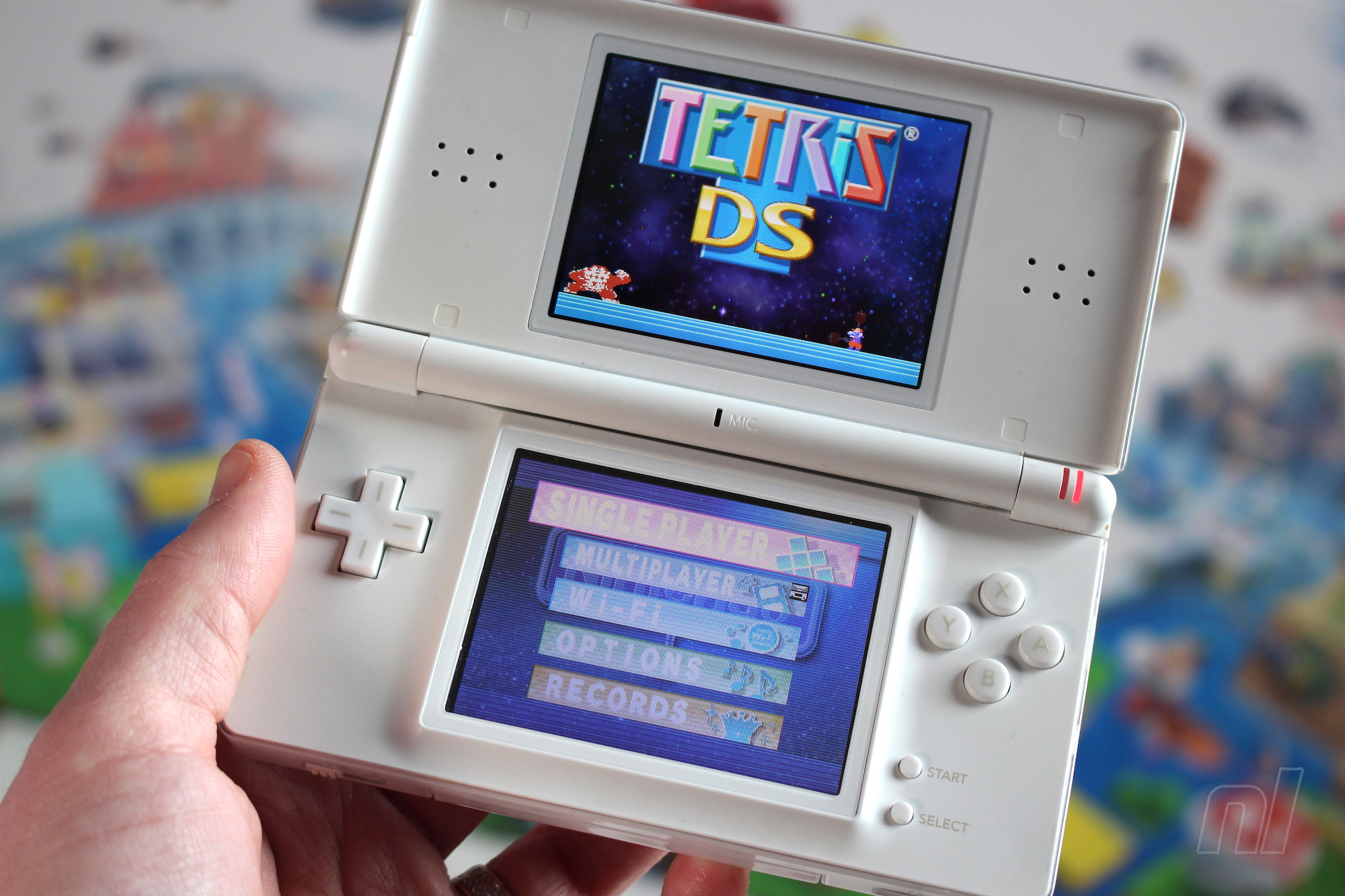
In fact, I wouldn’t play Tetris again on a Nintendo console until the DS era, when another port – with Nintendo at the helm and packed with characters from famous Nintendo franchises – made me fall in love with it all over again; sure, it was ‘just’ Tetris, but it became a new killer app for my DS; there’s something about portability and falling blocks that just works.
My love affair for Pajitnov’s masterpiece then went on hiatus again for a few years, with the Hudson Soft-made Tetris Axis and Ubisoft-published Tetris Ultimate failing to get my pulse racing on 3DS. I also didn’t get as excited about the crossover title Puyo Puyo Tetris as I perhaps should have done; as a fan of both series, it was, on paper, the dream ticket. However – and I can’t for the life of me fathom why – it just didn’t grab me as much as other fans.
It wouldn’t be until Tetris Effect arrived on the PlayStation 4 that my affection for plummeting tetrominoes returned in earnest; twinned with the PSVR headset – which is capable of higher refresh rates than your typical TV – Enhance, Inc’s unique take on the title made me appreciate its magic in an entirely different way. By fusing a captivating and often hypnotic audiovisual experience with the tried-and-tested Tetris gameplay, Tetsuya Mizuguchi and his team produced one of 2018’s surprise critical hits; Tetris Effect topped many press ‘Game of the Year’ polls, and rightly so.
Such was my appreciation of Tetris Effect that when I sat down to watch last week’s Nintendo Direct broadcast, I was hoping (perhaps beyond hope) that it would be announced for Switch; despite how brilliant it is in VR, I’d dearly love to have a copy of Tetris Effect that I can take out of the house with me, just like I did with the Game Boy version all those years ago.
When Tetris 99 was revealed out of the blue, my heart jumped then quickly sank; the gorgeous, trippy visuals of Tetris Effect were nowhere to be seen and instead we had the old-fashioned coloured blocks which had been part of the series since the ’80s. We weren’t getting Tetris Effect on Switch, but unbeknownst to me at that point, we were getting something just as good – if not better.
As you’ll know if you’ve read our review, Tetris 99 is special. We’ve had competitive play in Tetris before – linking up Game Boys in the early ’90s to online play on the DS – but this new version adds a ‘Battle Royale’ twist which makes it truly unique. You and 98 other players are fighting to be the last one standing, with a range of tactics allowing you to choose where your ‘junk’ lines get sent. While it’s rather limited in scope at the moment (more modes are on the way, it seems), it’s one of the most compelling and downright addictive versions of Tetris I’ve ever played – and that’s saying something.
I’ve now found that my love for Tetris has returned, and all I can think of those falling shapes and the so-called ‘ecstasy of order’. It’s also made me seriously consider what I’d deem to be the greatest video game of all time; sure, titles like Zelda: Breath of the Wild and Super Mario Odyssey deliver the kind of experience that stays with you forever, but, if I had to pick one game to take with me on a lifetime of seclusion on a desert island, would it be either of those? Or would I select Tetris as my solitary pick; a game that I’ve been playing, on and off, for 30 years?
It’s a question I hope I never legitimately have to answer, but Tetris 99 has served as a timely reminder that Pajitnov struck gold when he (with the help of Vladimir Pokhilko, whose name is often overlooked, perhaps due to the tragic and disturbing nature of his passing) created Tetris on Soviet Academy of Sciences hardware. Given that Tetris has been adapted and iterated so brilliantly over the years without sacrificing what makes it so special speaks volumes, and Tetris 99 shows that even after 35 years, its appeal is totally undiminished.