Welcome to Box Art Brawl, the battle between box art variants from around the globe scrapping to win your vote.
Last time we lost our collective minds in the company of Eternal Darkness: Sanity’s Requiem, although we regained our composure enough to see the metaphysical North American and European version win with nearly two-thirds of your vote to one.
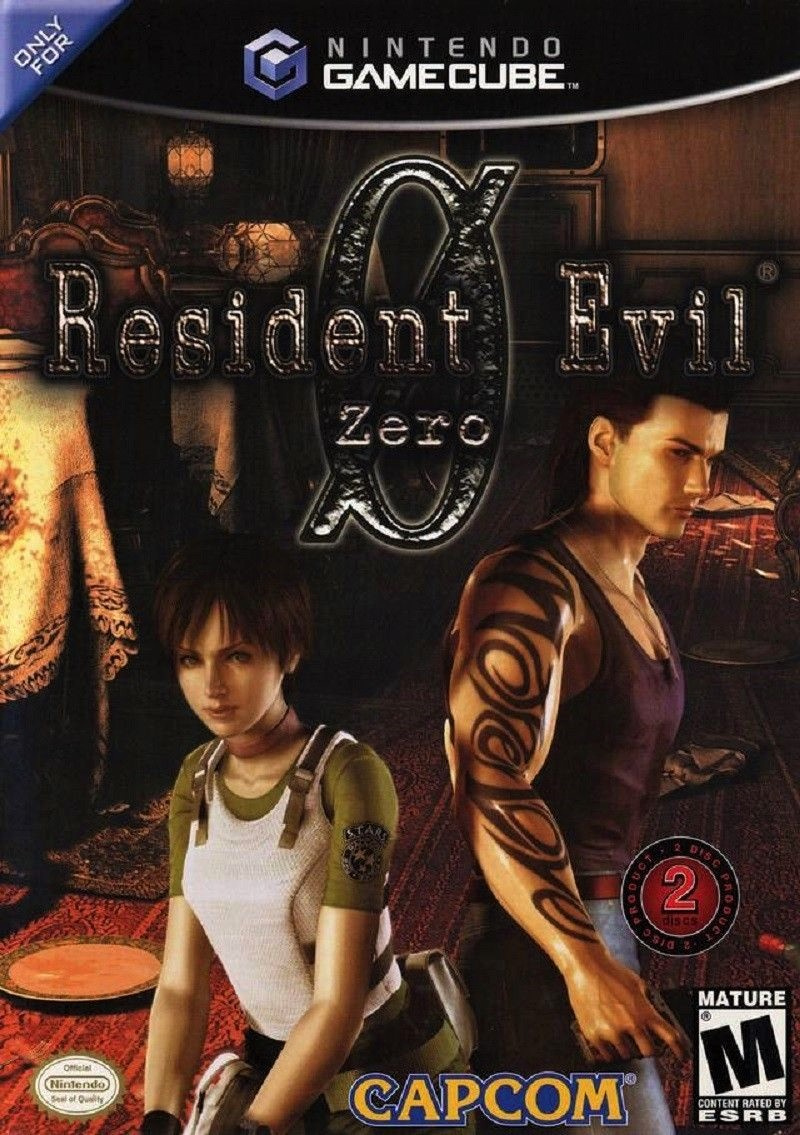
This week we’re a day earlier than usual just so we can squeeze in one final spooky brawl before November arrives. Resident Evil 0 launched on GameCube on November 12th 2002, very almost twenty years ago. It was subsequently re-released on Wii and most recently in remastered form on modern consoles, including Switch.
That launch date meant that the game just missed Halloween and, more disappointingly, this dual-protagonist prequel failed to strike a chord with most RE fans. However, we rather enjoyed revisiting it with the remaster. No, it’s not the best RE by a long shot, but as one of a finite number of old-school games in the series, it provides plenty of the clunky-yet-effective survival horror thrills.
So, grab your partner, keep your inventories strictly separate, and let’s board the fright train…
Japan
The Japanese cover puts Rebecca and Billy back-to-back in the middle of one of the train carriages from the start of the game, although it’s not immediately obvious they’re on a locomotive if you haven’t played the game. Billy’s tribal tats show that he’s a bad boy, though probably one with a heart of gold, and Rebecca’s S.T.A.R.S. shoulder badge will mean something to fans examining the cover.
The perspective is a little odd, and it’s difficult to know if Rebecca’s tiny or Billy’s a giant, but the Biohazard logo is as cool as ever. Not bad, overall.
Europe
The European cover uses the classic typewriter font and the big red ‘0’ logo over a white background showing a virus under a microscope. Which virus is it, you ask? Oh, just pick a letter — it’s one of those.
Not much else to say, really. It’s simultaneously striking and understated, but it doesn’t really capture the imagination.
North America
And finally, the North American variant uses the same key art as the Japanese box, but reframed with the logo centred at the top. In our opinion, the big ‘0’ behind the logo font loses something as a typed character rather than a stylised scrawl, and the dark logo over a dark drop shadow against the murky train carriage background means the name of the game gets a bit lost.
It’s a toughie this week, that’s for sure.
So, you’ve seen the three options, but which is best? Pick your favourite and hit ‘Vote’ to let us know:
Enjoy Halloween, everyone! Stay safe, and we’ll see you next time for another Box Art Brawl.
Good Smile Releasing Pokémon Sword And Shield Marnie & Morpeko Figure
Arguably one of the best characters in Pokémon Sword and Shield is Marnie – a rival of yours. You get to know her more as you journey across the Galar Region and since the launch of the new generation, this character has established quite the following. One of her trading cards in the original S&S set is even in high demand.
With this in mind, Marnie fans rejoice – The Pokémon Company and Good Smile have announced they’re working on a Marnie Pokémon Center non-scale figure. It’s launching in June next year for ¥13,000 and is now available for pre-order on Amazon in Japan. Here’s a bit about it:
From “Pokémon Sword and Shield” comes a scale figure of one of the main character’s rivals, Marnie! Marnie’s cute looks and calm expression have been brought to life. The figure also features Marnie’s Morpeko hanging onto her backpack in an adorable pose. The figure comes with a special base that features the Spikemuth Gym’s logo.
Painted ABS&PVC non-scale figure with stand included. Approximately 207mm in height (including stand).
So, what do you think? Are you a big enough fan of Marnie and her Morpeko to get this figure? Tell us down below.
Newegg is once again hosting its annual Black November sale, which promises Black Friday deals throughout the entire month. This sale is entering its 12th year in a row, but for the first time ever, Newegg is guaranteeing its customers the lowest price with its Black Friday Price Protection promotion. The Black November sale kicks off at 12 AM PT / 3 AM ET on November 1 and runs until December, with a special gaming sale running from November 4-8.
Newegg Black Friday 2020 schedule
Black November starts with a three-day kick-off sale that Newegg says will feature some of its most aggressive deals across PC gaming, smart home, hardware components, and more. After that, we'll see the debut of Newegg's Black November Gaming Edition sale, which starts on November 4 and runs through November 8. This sale will focus solely on PC gaming components and storage as well as pre-built gaming PC desktops and gaming laptops.
November 9 marks the start of Newegg's two-week Black Friday Start Early sale, which will consist of early Black Friday and Cyber Monday deals. During this period, new deals will be revealed daily. Finally, Newegg ends the month with its week-long Black Friday and Cyber Monday sales, which will discount products in all of the categories across its site.
How Many Freelance Developers Are There in the US?
How many freelance developers are there in the US? There’s no official and precise answer. However, based on three credible sources—Upwork, Freelancer Union, McKinsey—I calculated an estimation stemming from each source.
Here are our estimations for the number of freelancers based on three independent data sources:
Upwork Data: 12,500,000 freelance developers in the IT sector.
Freelancer Union Data: 1,740,000 freelance developers in the IT sector.
McKinsey Data: 5,400,000 freelance developers in the IT sector.
The median of these three data points—Upwork, Freelancer Union, McKinsey—is 5,400,000 freelance developers working in an IT related field and the average is 6,560,000 freelance developers. Thus, the number of freelance developers is between 5 and 7 million.
Methodology
To come up with an exact answer on how many freelance developers there are in the US, I decided to use several independent data sources and aggregate the results. Here are the different sources used to estimate the number of freelancers in the United States.
Upwork: Upwork is the largest freelancing marketplace in the world.
Freelancer Union Report: “Freelancers Union is a non-profit organization in the United States of America. The organization provides advocacy, programming and curated insurance benefits for freelancers through partnerships.” (source)
McKinsey Report “Independent Work”: McKinsey funded a large-scale report about the state of the independent work sector.
Results
Upwork
Upwork has 18,000,000 registered freelancers in 2020. (source)
About 30% of the revenue is generated by US-based freelancers. (source)
Based on these data points, there are approximately 18,000,000 * 30% = 5,000,000 Upwork freelancers in the US.
There are 12 categories on Upwork—three of which are “freelance developing”: (1) IT&Networking, (2) Data Science & Analytics, (3) Web, Mobile, & Software Development.
Assuming an approximately equal distribution of freelancers in broad categories, the percentage of freelance developers is 3/12 = 25%.
Based on this, the total number of freelancers in the US on Upwork is 25% * 5,000,000 = 1,250,000.
The total market of freelancing is $1 trillion USD in 2020. (source)
Gross services volume (GSV) increased by 28% year-over-year to $1.76 billion for the full year. (source)
Upwork represents only a small fraction of the marketplace (although many freelance developers will have an account).
Assuming only 10% of all freelance developers use Upwork, the total number of freelancers in the US can be estimated as 12,500,000.
Freelancer Union Report
There are 58,000,000 freelancers in the US. (source)
3% of all workers, freelancers or employees, are in the IT sector. (source)
Based on these two data points, there are at least 58,000,000 * 3% = 1,740,000 freelancers. This is very conservative estimation because the IT sector will be larger within the freelancer space than outside it.
McKinsey Report “Independent Work”
There are 54,000,000 million freelancers in the US. (source)
Approximately 10% of the income earned is done by computer and technology professions. (source)
As a result, there are 5,400,000 freelance developers in the US.
Summary
Here are our estimations for the number of freelancers based on three independent data sources:
Upwork Data: 12,500,000 freelance developers in the IT sector.
Freelancer Union Data: 1,740,000 freelance developers in the IT sector.
McKinsey Data: 5,400,000 freelance developers in the IT sector.
The median of these three data points is 5,400,000 freelance developers working in an IT related field.
The average of these three data points is 6,560,000 freelance developers working in an IT related field.
Do you want to become one of them? As it turns out, freelance developing is a profitable niche where average workers earn six figures and beyond! Check out the following resources:
To become successful in coding, you need to get out there and solve real problems for real people. That’s how you can become a six-figure earner easily. And that’s how you polish the skills you really need in practice. After all, what’s the use of learning theory that nobody ever needs?
Practice projects is how you sharpen your saw in coding!
Do you want to become a code master by focusing on practical code projects that actually earn you money and solve problems for people?
Then become a Python freelance developer! It’s the best way of approaching the task of improving your Python skills—even if you are a complete beginner.
HALLOWEEN SCRATCHY SALE, Beyond Infinity Bundle, The Outer Worlds
HALLOWEEN SCRATCHY SALE Day 1
[www.indiegala.com] Spooky scary deals send you free scratchy treats filled with mysterious Steamy sweets! For every cart purchase...you'll get something special.
Let’s celebrate Halloween and much more in the latest update for Dead by Daylight! Players and fans will be happy to know that a whole lot is coming down the pipeline in Dead by Daylight this October.
The Archives – Tome 5: Unleashed
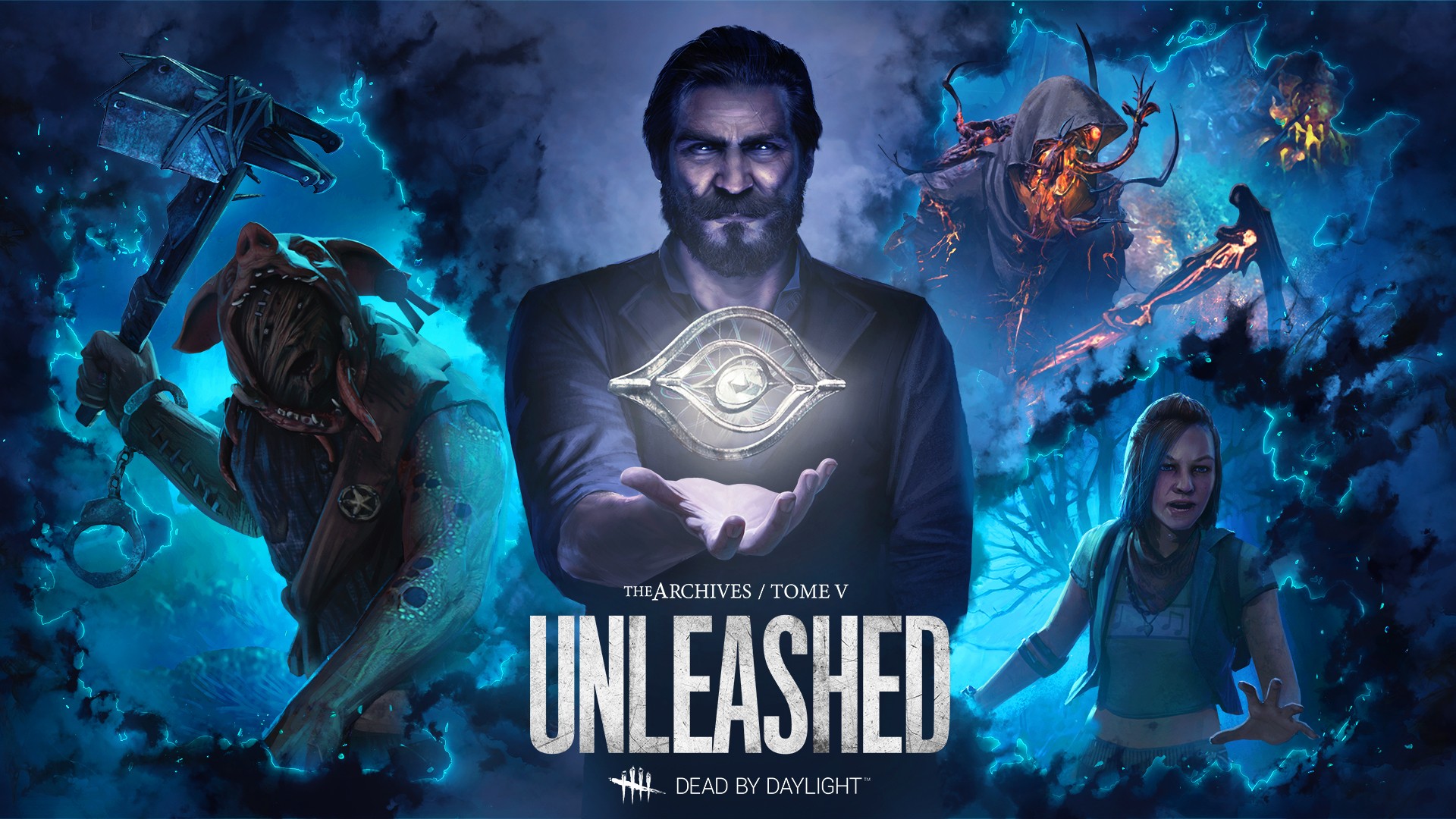
A new Archive entry has arrived. Dead by Daylight’s latest addition to the game, Tome 5 Unleashed, will be available to players on October 21.
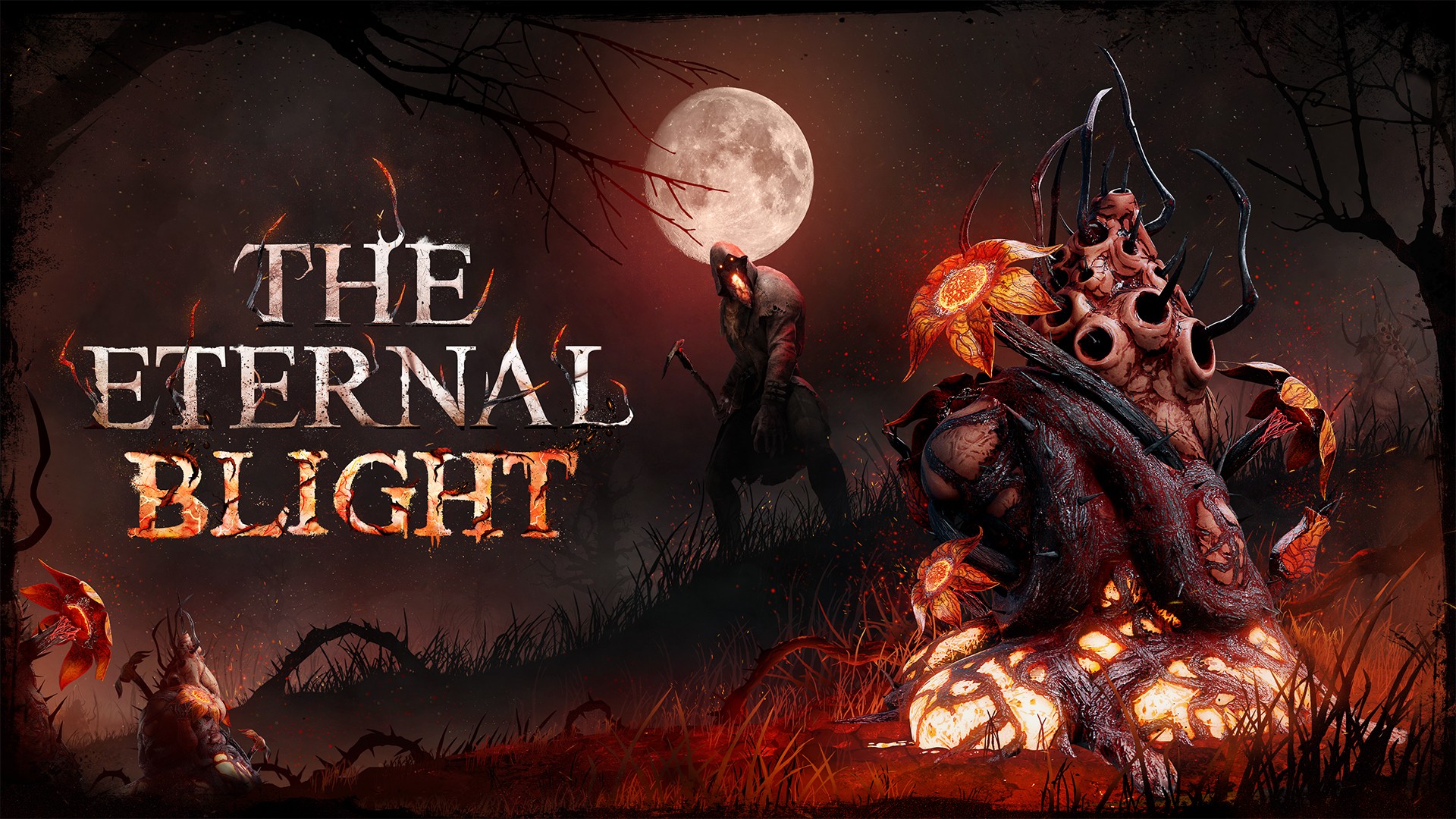
This Tome allows players to unlock memories for The Hillbilly, Nea Karlsson, and The Blight. The Blight’s story is explored deeper as players have access to the conclusion of the original Hallowed Blight event storyline from 2018, as well as all past Hallowed Blight lore content.
For the first time since The Archives’ inception, a brand new challenge type is introduced: the Pustula Plants. This fowl flora infects the body and mind and mutates the host until they are under the control of the plant. Once selected in the Auris Web, players will have to work with the plants to complete the challenge.
Within the Tome, players will be able to earn 4 progressively growing Pustula Plant Charms across the 4 levels. Players will also enjoy 30% off the price of Auric Cells on characters Adam Francis and The Clown between October 21 and October 28 to celebrate the release.
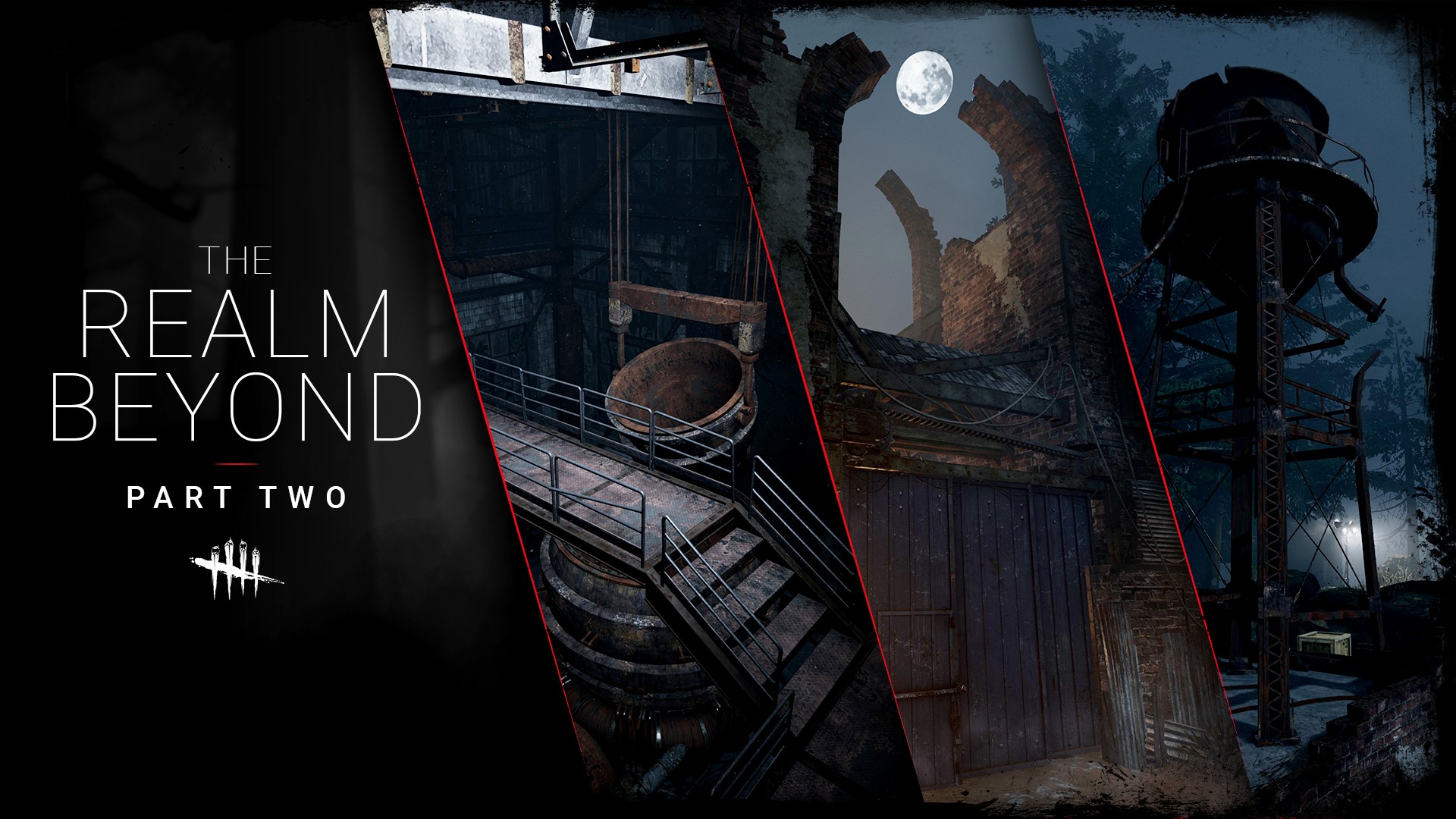
The Realm Beyond Graphical Update
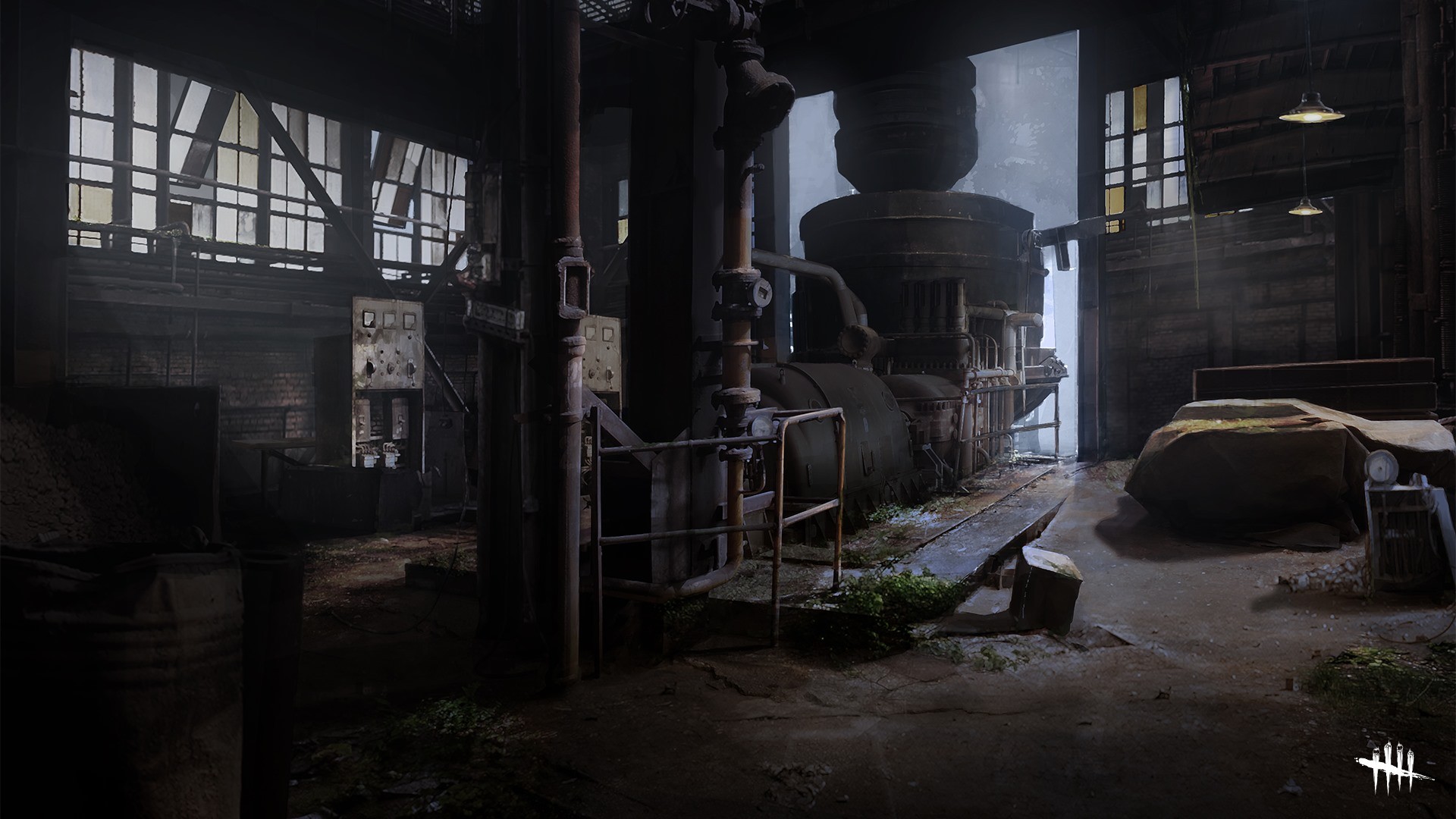
Dead by Daylight is currently getting a complete re-mastery of its graphics. Over the course of the following year, with each new chapter, we will add a content drop featuring graphically updated levels, lighting, animations, etc. This way, as players and fans inch closer to our game’s5th anniversary in 2021, the game will continue to look and feel better than ever as new patches release with our regularly scheduled content updates.
Specifically, DbD will have more realistic modeling and texturing, related to and informed by character and narrative. Also, lighting and VFX improvements that make for a more immersive experience. Blood in the moonlight looks a certain way – these details matter!
Players can anticipate more environmental elements in the Killing Grounds, resulting in more immersive maps. Rooms themselves will possess a proper function and will therefore be more identifiable and informative to the player. It becomes easier for the player to understand and interact with their environment when the environment’s function reads clearly.
Finally, all these elements and upgrades come together and emerge with an emphasis on mood and ambience that serves to make the game more immersive for both Killers and Survivors.
It will be an ambitious year for DbD, but with our undying player base and our talented team of developers, it will be a new era of Dead by Daylight on an all-new generation of tech, and we couldn’t be more excited to exceed ourselves.
In the most recent update, we’re revisiting the 5 very iconic maps of the McMillan Estate, the original realm of the Trapper! Do you have what it takes to venture there?
The Eternal Blight
Starting now and running until November 4, players can enjoy an all-new Halloween in-game event called The Eternal Blight. This event features new Survivor and Killer add-ons including the very first universal Killer add-on: a dangerous chemical compound called the Blight Serum that allows Killers to use the power, Blighted Rush, after hooking Survivors. Players can also look forward to getting their hands on 4 unique Halloween-themed charms. Finally, players would be remiss not to take advantage of the giant Halloween sale on outfits in the in-game store.
Dead by Daylight: Special Edition
Behaviour Digital Inc.
☆☆☆☆☆473
★★★★★
Xbox Game Pass
Death Is Not an Escape. Dead by Daylight is a multiplayer (4vs1) horror game where one player takes on the role of the savage Killer, and the other four players play as Survivors, trying to escape the Killer and avoid being caught, tortured and killed. Survivors play in third-person and have the advantage of better situational awareness. The Killer plays in first-person and is more focused on their prey. The Survivors’ goal in each encounter is to escape the Killing Ground without getting caught by the Killer – something that sounds easier than it is, especially when the environment changes every time you play.
Don’t Miss: Looking back at Left 4 Dead’s dynamic AI
The following blog post, unless otherwise noted, was written by a member of Gamasutras community. The thoughts and opinions expressed are those of the writer and not Gamasutra or its parent company.
Remember Left 4 Dead? It’s highly likely you do; its 2008 release was heralded with tons of fanfare and a $10 million marketing spend that showed Valve meant business. The push paid off – as of October 2012, the game, its 2009 sequel and additional DLC have garnered the series over 12 million sales. So why, in the age of endless zombie games, did this particular zombie game do so well? And more interestingly, why has Valve not released any new installments since 2010, after rapidly developing a sequel and multiple DLC packs?
An obvious answer to the first question is the sense of authentic cooperation created by the game’s mechanics, afforded in no small part by the “Director,” the much-admired AI system that generates random enemy encounters; prompts changes in the environment; and adjusts the placement of items players find, all based on a calculated ‘stress level’ for each player. For the first time in a game, an AI entity could modify multiple elements of the level on the fly for a tailored experience every time. It’s perfect for zombie games, right?
Wrong. It’s perfect for EVERYTHING.
“We set out to create a first-person four-player game in which the action changes each time it’s played. We wanted to use procedural narrative to simulate stories because, in a multiplayer environment like this, we felt a more linear, scripted approach would not deliver in the same way.” –Gabe Newell
There’s a reason Gabe calls what the AI Director does procedural narrative, and not procedural zombie spawning. All throughout the piece he wrote for Edge as part of a PR push for L4D, he hints broadly about the implications for cooperative games of all types, as well as single-player games. The promise had already been recognized internally at Valve long before the game debuted; the rest of the industry just never caught on.
But back to L4D’s use of it in particular. One thing to note is that the AI Director approach is not dynamic difficulty. Dynamic difficulty has been around for a while, and is largely based around the idea of the system making minute adjustments to existing values in order to raise or lower the game’s difficulty. For example, In Max Payne, the system would make tweaks to enemy health and the degree of aim assistance based on how well/poorly you were dominating/getting wrecked. The end result was a tighter game that never felt too easy or too hard; but all the same, each playthrough was identical.
“This is what makes procedural narrative more of a story-telling device than, say, a simple difficulty mechanism.” -Gabe Newell
Apparently, a similar tact was used in Half-Life 2: Episode 1 and 2, where you would receive different items from crates depending on your health status at the time you smashed it. Again, more than anything else, this kind of adjustment on the fly would help level the playing field without altering the experience too much – the core experience is still the same. This is why the AI Director is different – using player activity data, it sculpts a dramatically different experience that fits perfectly with what players are capable of and that engages them on a primal level, since L4D’s focus is a survival/action/horror hybrid.
Max Payne’s dynamic difficulty system helped keep battles tense, but they were always the same.
But if you remove the zombies, health packs and clichéd apocalyptic scenarios, you’d be left with a core truth of what this system affords: instant eviction from the comfort zone. While the comfort zone is a nice place to hang out in, in life as well as in games, the returns diminish quickly since you’re essentially in a suspended state in which no learning takes place.
This is why games that, on paper, should be exciting and thrilling prove to be boring despite the number of explosions, particle effects and screaming marines that fill the screen. Disruption of the expected, when you’re pushed into a new experience and enter the discomfort zone, is the thing ultimately responsible for you learning more about the system, your recourses and your capabilities, and is what makes you better at playing the game. While it’s stressful at first, this dynamic proves to be more pleasurable in the long run.
“Going forward, we’re definitely going to use some of the things that we’ve learned – what worked and what didn’t work – with Left 4 Dead not only in multi-player but also in our single player games in the future.” –Gabe Newell
So why aren’t more games using this principle? After all, it has been almost five years since Valve debuted the Director. The only reasons I can think of are the prohibitive complexity of creating such a system, and simple laziness. Perhaps this system really is only suited for horror games, you say? How could similar systems even be implemented in other games? Let’s take a look!
Racing. Create courses with dynamic events, similar to Split/Second – though instead of having events be scripted into the tracks, enable them on the fly to correspond with the player’s performance.
Shooter. Think of a wide-open shooter with a single-player component, like Halo or Battlefield. Instead of scripted enemy waves attacking from the same direction every time, why not have them drop in via parachute or dropship, launch assaults in vehicles from over the horizon, or spawn mini-bosses where you’d normally expect a battalion?
Split/Second’s track destruction is scripted. Imagine if it was dynamic, based on the player’s stress level.
RPG. In a story-driven RPG that focuses on dialog, should you grow closer to certain NPCs, why not have them drop plot bombshells that threaten your relationship thus far – and better yet, do it in the middle of a climactic battle?
Sandbox. In a Deus Ex-style sandbox game, why not have Director-triggered EMP events temporarily cut off access to certain augmentations, forcing you to adapt to different combinations of powers you wouldn’t normally combine? Remember, the Director would know which combinations you’ve been using regularly.
Arcade. In a Super Hexagon-style reflex/puzzle game, why not sculpt purposeful obstacles for the player that build upon what they’ve just overcome, instead of simply swapping in components from a pool of prefab barriers?
Beat ‘em up. In a God of War-style melee brawler, why not have enemies switch up their attack patterns and weaknesses depending on the player’s proficiency at dispatching certain enemy types?
Of course, there’s a fine line between pushing the player into the discomfort zone and unfairly screwing with the player as a way to extend replay value. In any of the above examples, the key to creating an authentic ‘discomfort zone’ dynamic is to make sure there are plenty of options available to the player under the new circumstances.
If the goal is to encourage improvisation through immediate, unexpected constraints, this would fail if the player did not have adequate options for dealing with the new problem that’s suddenly been foisted upon them.
“One of the theories of fun we use is that the more ways in which the game is recognizing and responding to player choices, the more fun it seems.” -Gabe Newell
The secret sauce of L4D, the reason why it was (and continues to be) such a hit, lies in attaining a balance in such a system. It lies in how it makes players anxious for what’s next by making their moment-to-moment actions matter in a more truthful way than purely scripted sequences could.
For developers and designers alike, I challenge you to think of how similar Directors can keep your experiences varied, your players fully engaged and your replay value unlimited.
Ben Serviss is a freelance game designer working in commercial, social, educational and indie games. Follow him on Twitter at @benserviss.
Report: Latest Cyberpunk 2077 delay announcement blindsides its dev team
CD Projekt Red has once again announced a delay of its blockbuster RPG Cyberpunk 2077 but, according to comments now circulating online, it did so without first informing the developers currently working on the game.
Shortly after the announcement hit social media, Bloomberg’s Jason Schreier shared on Twitter that a source within CDPR says an internal email was sent out announcing the delay at almost the exact same moment a statement was published on CDPR’s social media channels.
That shift now sees Cyberpunk 2077 releasing on December 10, a delay announced less than a month before the November 19 release date marked off during the game’s last delay a few months back.
That announcement hit Twitter today along with the caption “we have important news to share with you” and offers “our humble apologies” to players that had expected the game to launch in mid-November. But given the very public struggle CD Projekt Red has had with crunch culture throughout Cyberpunk 2077‘s development, it’s unlikely that delay will give its developers any breathing room.
“We feel we have an amazing game on our hands, and are willing to make every decision, even the hardest ones, if it ultimately leads to you getting a video game you’ll fall in love with,” concludes today’s statement from CDPR studio head Adam Badowski and co-CEO Marcin Iwiński.
“I know this is in direct opposition to what we’ve said about crunch,” reads Badowski’s comments in that leaked email last month. “It’s also in direct opposition to what I personally grew to believe a while back — that crunch should never be the answer. But we’ve extended all other possible means of navigating the situation.”
Schreier’s tweets note that the nature of post-launch patches mean the development team was likely already expecting to crunch for at least the month past the game’s launch, and this latest delay only pushes that finish line out further.
Posted by: xSicKxBot - 10-31-2020, 11:34 AM - Forum: Windows
- No Replies
Putting differential privacy into practice to use data responsibly
Data can help businesses, organizations and societies solve difficult problems, but some of the most useful data contains personal information that can’t be used without compromising privacy. That’s why Microsoft Research spearheaded the development of differential privacy, which safeguards the privacy of individuals while making useful data available for research and decision making. Today, I am excited to share some of what we’ve learned over the years and what we’re working toward, as well as to announce a new name for our open source platform for differential privacy – a major part of our commitment to collaborate around this important topic.
Differential privacy consists of two components: statistical noise and a privacy-loss budget. Statistical noise masks the contribution of individual data points within a dataset but does not impact the overall accuracy of the dataset, while a privacy-loss budget keeps track of how much information has been revealed through various queries to ensure that aggregate queries don’t inadvertently reveal private information.
Since differential privacy was created, Microsoft has conducted research and developed and deployed technologies with the goal of enabling more people to participate in, contribute to and benefit from differential privacy. Last year, we partnered with Harvard’s Institute for Quantitative Social Science (IQSS) and School of Engineering and Applied Sciences (SEAS) to announce the OpenDP Initiative, and earlier this year released the initial version of our open source platform. We chose to develop differential privacy technologies in the open to enable increased participation in the creation of tools that empower a larger group of people to benefit from differential privacy.
Introducing SmartNoise
In June, we announced that we would be renaming our open source platform to avoid any potential misunderstanding of our intentions for this project and the community. Language and symbols matter, especially when you are trying to build an inclusive community and responsibly enable AI systems.
I’m thrilled to share that this platform will be renamed SmartNoise. The SmartNoise Platform, powered by OpenDP, captures an essential step in the differential privacy process and follows best practices of renaming terms like whitelist and blacklist to allowlist and blocklist.
By using SmartNoise, researchers, data scientists and others will be able to derive new and deeper insights from datasets that have the potential to help solve the most difficult societal problems in health, the environment, economics and other areas.
How we’re using SmartNoise and differential privacy today at Microsoft
As we apply differential privacy to our own products and begin to work with customers to do so, we’re learning a lot about what works and what we need to explore further.
Our first production use of differential privacy in reporting and analytics at Microsoft was in Windows, where we added noise to users’ telemetry data, enabling us to understand overall app usage without revealing information tied to a specific user. This aggregated data has been used to identify possible issues with applications and improve user experience.
Since then, we’ve applied differential privacy in similar ways to understand data that benefits our customers and helps us improve our products. We’ve learned that differential privacy works best in cases where a query or dataset with a limited set of computations will be refreshed on an ongoing basis – in these cases the work required to apply differential privacy pays off because you can spend the time to optimize it and then reuse that work. An example of this is the Insights for People Managers within Workplace Analytics. These insights enable managers to understand how the people in their team are doing and to learn how to drive change by using aggregated collaboration data without sharing any information about individuals.
An application of differential privacy with limited parameters but that enables interactivity is advertiser queries on LinkedIn. Advertisers can get differentially private answers to their top-k queries (where k is a number representing how many answers the advertiser wants from the query). Each advertiser is allotted a limited number of queries, which helps to ensure that multiple queries can’t be combined to deduce private information. So, for example, an advertiser could find out which articles are being read by software engineers or employees of a particular company, but wouldn’t be able to determine which individual users were reading them.
Another key application area for differential privacy is in machine learning, where the goal is to produce a machine learning model that protects the information about the individual datapoints in the training dataset.
For example, in Office suggested replies, we use differential privacy to narrow the set of responses to ensure that the model doesn’t learn from any replies that might violate an individual user’s privacy.
During the training of a machine learning model, the training algorithm can add differentially private noise and manage the privacy budget across iterations. These algorithms often take longer to train, and often require tuning for accuracy, but this effort can be worth it for the more rigorous privacy guarantees that differential privacy enables.
To take this scenario further, we are also exploring the potential for synthetic data in machine learning, which is currently only an option if we know the specific task or question the algorithm needs to understand. The idea behind synthetic data is that it preserves all the key statistical attributes of a dataset but doesn’t contain any actual private data. Using the original dataset, we would apply a differential privacy algorithm to generate synthetic data specifically for the machine learning task. This means the model creator doesn’t need access to the original dataset and can instead work directly with the synthetic dataset to develop their model. The synthetic data generation algorithm can use the privacy budget to preserve the key properties of the dataset while adding more noise in less essential places.
SmartNoise and differential privacy going forward
We have learned so much about differential privacy, and we’re only scraping the surface of what’s possible – and starting to understand the barriers and limitations that exist.
We continue to make investments in our tools, develop new ones and innovate with new practices and research. On the technical side, there are a few areas we will pursue further. Most production applications are using a known limited set of computations, so we’ll have to go further in making differential privacy work well for a larger set of queries. We will further enable interactivity, which means dynamically optimizing so queries work well without hand-tuning. We will develop a robust budget tracking system that would allow many different people to use the data. And we will adopt security measures that would allow an untrusted analyst to query and use the data without having full access to the dataset.
There are also policy, governance and compliance questions that need to be addressed. For example, if we are allocating budget for a dataset across a diverse set of users and potential projects, how do we decide how much budget each researcher accessing the data gets? Going forward, we will strive to answer these important questions with the help of the open source differential privacy community.
And synthetic data is a particularly exciting area for exploration because anyone could access and use it without privacy ramifications. However, there are still many research questions on how to effectively implement differential privacy – while still providing accurate results – when we don’t know what the analysis will look like in advance.
Many questions remain, and we know we will need help from the community to answer them. With the OpenDP Initiative and SmartNoise project, we announced our commitment to developing differential privacy technologies in the open to enable more people to participate and contribute, and we look forward to collaborating with and learning from all of you.
Gary King, director of the Institute for Quantitative Social Science at Harvard, had this to say: “We created OpenDP to build a far more secure foundation for efforts to ensure privacy for people around the world. We are proud to release SmartNoise with Microsoft and hope to build an active and vibrant community of researchers, academics, developers and others to fully unlock the power of data to help address some of the most pressing challenges we face.”
If you want to get involved in OpenDP and SmartNoise, find us on GitHub. We will also continue to openly share our technical and non-technical learnings as we deploy differential privacy in production across the company.
Sarah Bird is a principal program manager and the Responsible AI lead for Cognitive Services within Azure AI. Sarah’s work focuses on research and emerging technology strategy for AI products in Azure. Sarah works to accelerate the adoption and impact of AI by bringing together the latest innovations in research with the best of open source and product expertise to create new tools and technologies.
Review: Green Hell – A Brutal And Rewarding Open-World Survival Sim
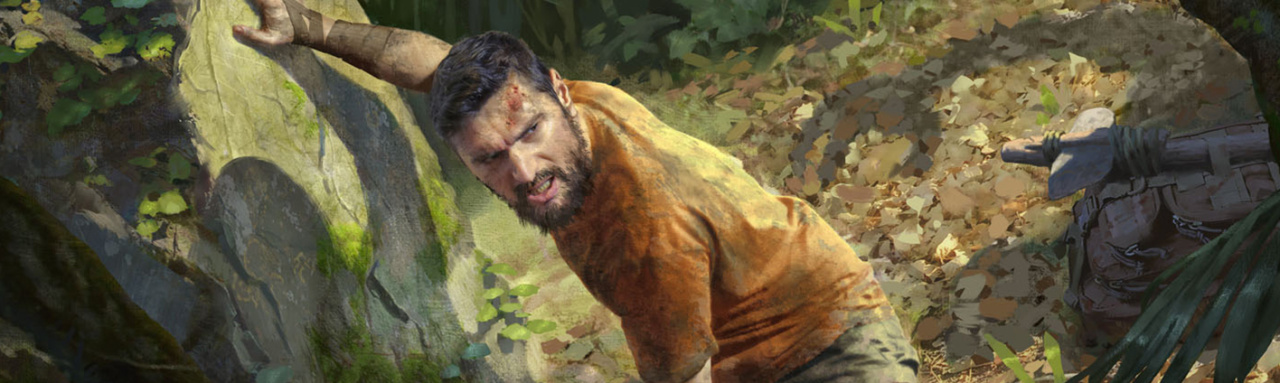
If you’re a fan of relentlessly brutal open-world survival sims that fling you sans ceremony into a dangerous wilderness full of death and danger, then Creepy Jar’s Green Hell might just be right up your street. Here is a survival effort that sticks admirably to its core conceit, never once allowing you an unearned foothold in its Amazonian rainforest setting. It brutalises you at every opportunity, forcing you to adapt quickly or die repeatedly, and lands on Switch in a decent port that performs well at the expense of the usual graphical downgrades and a handful of slight control niggles.
This is, from the very outset, a survival game that absolutely earns the “hell” in its title. As you slowly inch your way through the dense jungle environment into which you’ve been dropped, you’ll be faced with the immediate threat of dehydration and starvation and – as you attempt to scavenge a means to solving these most basic and pressing of problems – you’ll be poisoned, bitten and broken repeatedly. This is a world full of dangerous plants and deadly animals, from snakes and scorpions that strike from the shadows and blight your blood with the ticking timebomb of venomous poison, to large predators such as jaguars, pumas, caimans and, of course, the local indigenous tribes who – quite rightly – do not hesitate to come at you with great big knives and pointy, shooty arrows.
Just getting some sort of reliable foothold in Green Hell is an arduous task, but, very slowly, you will begin to learn from your mistakes and start to get to grips with the harsh environment. You’ll learn the importance of sleep with regards to restoring vital energy, for example, and how you should never drink dirty water for fear of nasty stomach-eating parasites – or indeed to wade in that same water with open wounds lest they’ll quickly become infected. Mysterious bugs and plants you’ll find dotted around need to be experimented with in order to test their effects; does this great big slimy mushroom provide nutrition, does it have healing properties or is it simply going to kill me stone dead the second it passes my lips? Should I try to eat this fat, wriggling larvae or neon-coloured snail completely raw in order to provide emergency sustenance, or do they need to be cooked?
As you feast on the various creepy bugs, putrid fruits and mystery liquids you stumble upon in the jungle, you’ll rely on your rather nifty smartwatch to keep you up to date with how you’re doing via its Macroelement Scanner. A clever and concise system, it shows you your current protein, carb, fat and hydration levels with a simple push of the left D-Pad button, and can also be toggled between a GPS that you’ll need to combine with a map (in order to figure out where you are) and a clock to let you know just how long you’ve got before you’re plunged into total darkness once again. You know how to make a torch, right?
The various maladies you constantly inflict upon yourself as you experiment and explore your new rainforest home are treatable through an equally nifty – and pleasingly visceral – body examination system. This element of the game sees you switch focus between each of your limbs, rotating them around slowly in order to find and remove leeches, burst horrifying boils, dig out wriggling parasites that have burrowed their way underneath your skin and apply rudimentary leaf bandages and plant-based salves to nasty burns, breaks, rashes and deep, deep cuts. It is every bit as grim and explicit as it sounds, but it’s also addictive and rather satisfying stuff. The first time you get bitten by a rattlesnake and realise that you have the means and expertise required to combat its venom is a genuinely elating experience, and crafting bandages laced with herb potions or applying the correct medical procedure to a nasty injury gives you a real sense of mastery over your surroundings.
It is slightly unfortunate, therefore, that the controls in this Switch version – which try their best to provide a reasonable replacement for a mouse and keyboard – make interacting with this system, and much of the sometimes finicky crafting and building elements, a bit more of a chore than we’d have liked to see. It’s certainly not a deal-breaker, and it’s something you’ll get better at as time goes on, but there’s a level of clumsiness at times here – holding combinations of buttons in order to select body parts or rotate limbs – that makes things feel a tad cumbersome, especially in the midst of a dire emergency. This extends to the game’s journal, too; an invaluable resource which gradually fills with recipes and construction plans as you discover them, something that you’ll use constantly but which suffers from somewhat unresponsive controls and a tendency to really take its time as you attempt to peruse its pages.
And there are many, many pages, as Green Hell comes with a robust system of construction and crafting that gives you a ton of weapons, tools and habitat options to choose from and feels satisfyingly grounded in actual common sense. How you think you might create a fire to cook the disgusting yellow snails you’ve just collected is pretty much how it actually works here. Grab a bunch of sticks for fuel, then a further few to rub together with some dried leaves and you’re all set for a warm dinner. How you assume you might make a simple covered structure, a trap to catch a meal or a basic weapon or tool is also likely along the right lines. A stick, stone and some vine to act as rope are all that’s required to create a simple axe to chop with, for example; add a couple of jagged animal bones to this and you’ve got yourself a rather violent weapon.
Of course, none of this is in any way as easy as it sounds; we died repeatedly just staying alive long enough to gather wood for a bloody fire, and early hours of the game see you really struggle as you figure out some absolute basics, such as how to collect clean drinking water (coconut shells are your friend), but it’s a struggle that’s offset by the extreme satisfaction of overcoming a tough obstacle. We spent an age just getting an extremely rudimentary camp up and running in survival mode, slowly piecing together the most small-scale, simple wood and palm leaf structures – a necessity if you want to actually save your game – and providing ourselves with a clean water collection system and reliable heat source with which to cook. Finally, after hours of trial and torture, a base from which to venture out into a world that, no matter how familiar you become with it, is always capable of killing you in a reckless instant.
In a pleasant surprise for a genre not particularly known for its storytelling, Creepy Jar also introduces a reasonably entertaining narrative element to the usual mix with a story mode here, providing a backdrop to its constant struggle to survive that’s filled with just enough intrigue to keep players pushing on through as they get to grips with the laws of their violent new surroundings. Assuming the role of Jake Higgins, you’ll set out with just your fancy smartwatch, a map and radio in search of your wife Mia who’s gone missing after leaving your camp to make contact with the indigenous Yabahuaca tribe. It’s a tale filled with mysticism and environmental concern that does a good job of presenting you with constant challenges and a sense of purpose and direction as you stumble around the rainforest – although it doesn’t quite manage to avoid falling into the trap of having its protagonists come across as rather spoiled white folk intruding where they simply don’t belong.
Alongside its straight-up survival mode and story element, Green Hell also serves up a bunch of bespoke challenges to complete and these quickly became our favourite part of the game. Starting off by tasking you with finding and lighting a simple campfire in a set amount of time, things get increasingly difficult as you’re asked to build a raft, collect meat from certain animals, catch a variety of fish and even craft a full suit of metal armour for yourself. It’s hellishly difficult stuff at times but it does a fantastic job of showcasing just how flexible and deep the survival systems at work here really are.
In terms of this Switch port, as we mentioned there are a few niggling issues with controls and, as expected, there’s been a notable graphical downgrade from the PC version of the game. This one still manages to look pretty good for the most part with excellent volumetric effects and an impressive dynamic weather system still present and correct, but it does also suffer from some rough pixelation and plenty of low-res textures.
However, these downgrades have resulted in a game that sticks to its target framerate pretty much perfectly in both docked and handheld modes, which is a huge win in our eyes. There is also the rather disappointing fact that the multiplayer aspect of the PC original has been entirely excised here. This port is apparently several juicy content patches behind its forebearer as things stand right now though, and so we live in hope that all of this – including that missing multiplayer component – is added in the very near future.
One area that thankfully hasn’t seen any downgrading or excisions is Creepy Jar’s fantastic sound design. Playing Green Hell with your TV turned right up or with a pair of headphones jammed in your listening bits is a hugely atmospheric experience, its jungle full of mysterious creaks and terrifying calls of the wild – not to mention some seriously disturbing maniacal laughter and bizarre whispering in the total darkness of its lethally dangerous nights. The jungle here really does feel fully alive at all times.
For fans of survival games who enjoy a stiff challenge, Green Hell is an easy recommendation. It’s absolutely tough as nails and can be infuriating stuff at times, especially early doors where there’s a ton of repetition to deal with as you try to find your feet but, stick at it and this is just about as deep and satisfying a survival experience as we’ve come across in recent times and easily one of the finest examples of its genre currently available on Switch.

















 So why, in the age of endless zombie games, did this particular zombie game do so well? And more interestingly, why has Valve not released any new installments since 2010, after rapidly developing a sequel and multiple DLC packs?