Posted by: xSicKxBot - 07-14-2020, 02:37 AM - Forum: Lounge
- No Replies
Babylon's Fall's Development Is Progressing "Well," Platinum Games Confirms
The last time we saw Platinum Games' action-adventure title Babylon's Fall was during a somewhat-brief gameplay trailer unveiled in a December 2019 State of Play livestream. Now, after seven months of silence, the studio is back to confirm that development on the game is "continuing to progress well."
"Thank you to all the fans who've been following along for updates on Babylon's Fall," Platinum Games said. "While we hoped to reveal more about the game this summer, we can share that development on Babylon's Fall is continuing to progress well, with the team working safely from home. Square Enix and Platinum Games are committed to delivering an exhilarating experience and we look forward to showcasing much more on Babylon's Fall to you as soon as we can."
Platinum Games provided no other information about Babylon's Fall, such as a release window or if PC and PlayStation 4 remain the intended launch platforms with the release of PlayStation 5 inching over the horizon. The studio also didn't specify when we'll get another look at Babylon's Fall. However, according to a statement, the team plans to showcase "much more on Babylon's Fall to you as soon as we can."
Captain Vengeance Bundle | 6 Steam Games | 92% OFF
[www.indiegala.com] Navigate the tumultuous sea of revenge with a trusty indie crew. Make sure you do not miss special 24h launch price. You can also save an extra 30% when paying with crypto.
Crypto Sale Day 1!
[www.indiegala.com] Join our Crypto Sale, and get an EXTRA 30% OFF on all bundles and 15% OFF on all store deals when paying with a supported cryptocurrency! (ends on 24 July) [www.indiegala.com]
Posted by: xSicKxBot - 07-13-2020, 06:57 PM - Forum: Windows
- No Replies
Partner of the Year Awards announced ahead of Inspire 2020
Inspire is Microsoft’s premier annual event to celebrate partners and announce key news — an essential experience for anyone interested in growing their business and strengthening connections in this extraordinary time. And this year, it’s free and entirely digital. Learn more about the event, speakers and agenda on the Microsoft Inspire site, and join us here July 21-22.
Devolver Digital Brings Reverse Horror Game Carrion To Switch On 23rd July
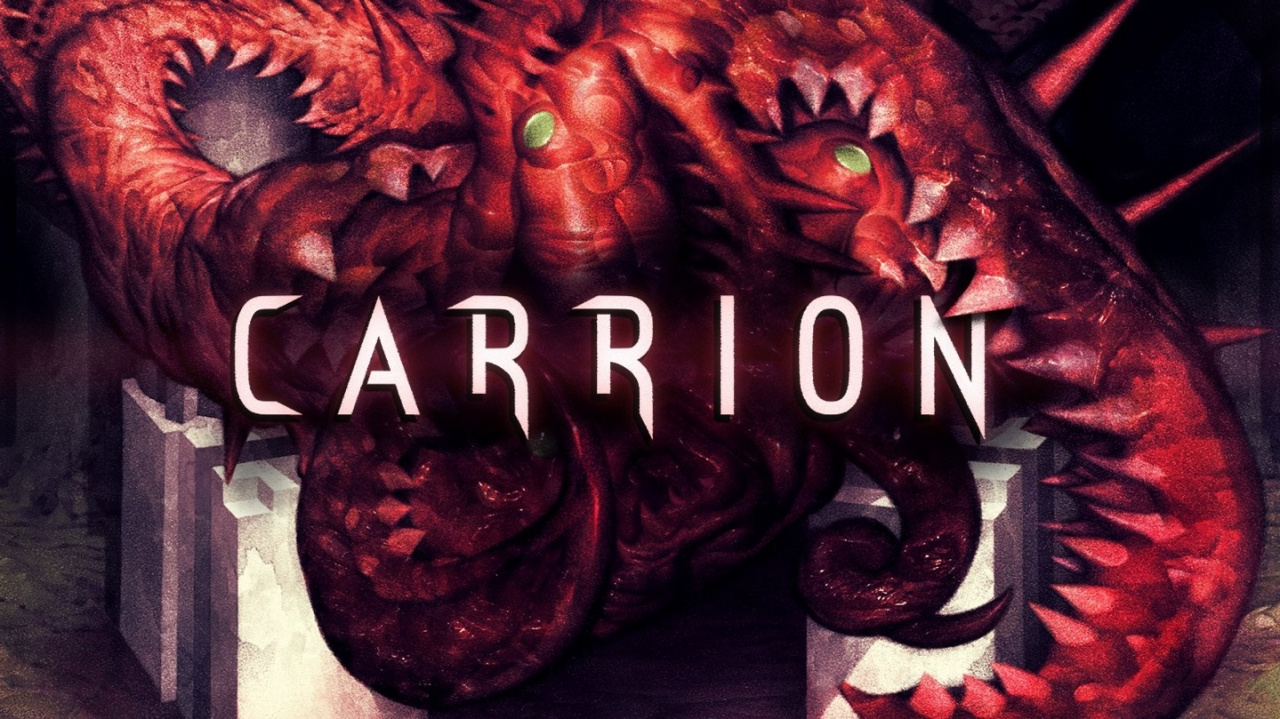
During yesterday’s Devolver Digital broadcast, Head of Xbox Phil Spencer made a surprise appearance and announced a release date for the upcoming reverse horror game, Carrion. It will be arriving on the Nintendo Switch on 23rd July.
So, how exactly does a reverse horror game play out? Instead of taking control of a heroic human, you’ll assume the role of a terrifying amorphous creature that slithers about. Here’s the official description:
CARRION is a reverse horror game in which you assume the role of an amorphous creature of unknown origin. Stalk and consume those that imprisoned you to spread fear and panic throughout the facility. Grow and evolve as you tear down this prison and acquire more and more devastating abilities on the path to retribution.
A physical release has also been confirmed, but there’s no additional information about it just yet.
Have you always wanted to take control of the alien rather than the survivors? Does this look like your kind of game? Leave a comment down below.
A new Lego set that recreates the Nintendo Entertainment System in miniature appears to be on the way. The Lego Group has already officially teased the set, but we've also gotten a better look at it due to a series of leaks.
The fan sites VJGamer and StoneWars (via Wario64) caught wind of more photos that match the silhouetted image of an NES connected to an old-school CRT TV, complete with a brick recreation of World 1-1 from the original Super Mario Bros. Shortly after, an official teaser with a silhouetted shape of the Lego set appeared to confirm the leaked photos.
One of the leaked images shows the Mario figure from the Lego Super Mario sets interacting with the NES set, though the leaked images don't detail the cross-functionality between the sets. We may have to wait for an official announcement to learn how that may work.
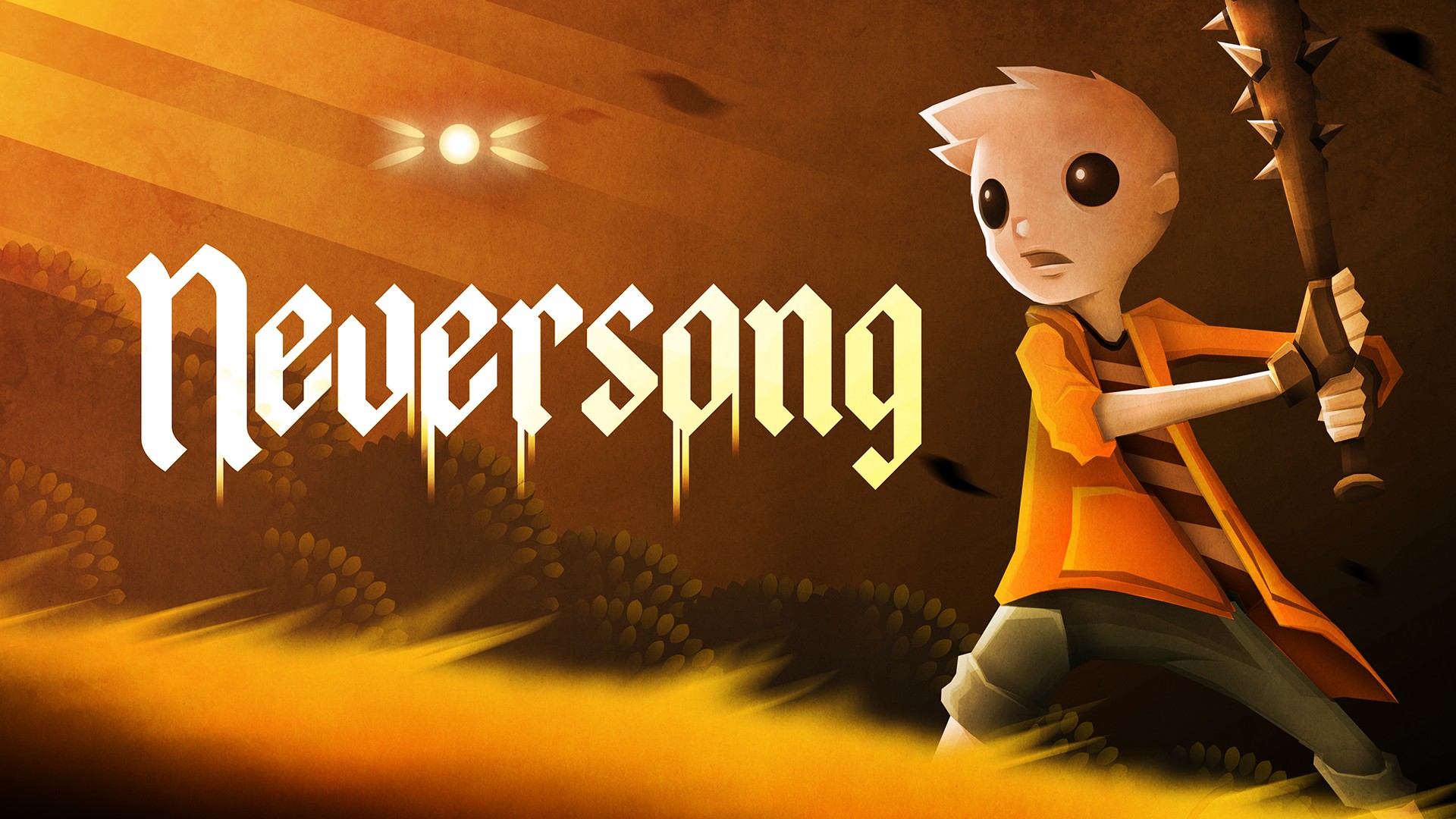
The Never-Ending Design Changes in Neversong, Coming to Xbox One July 16
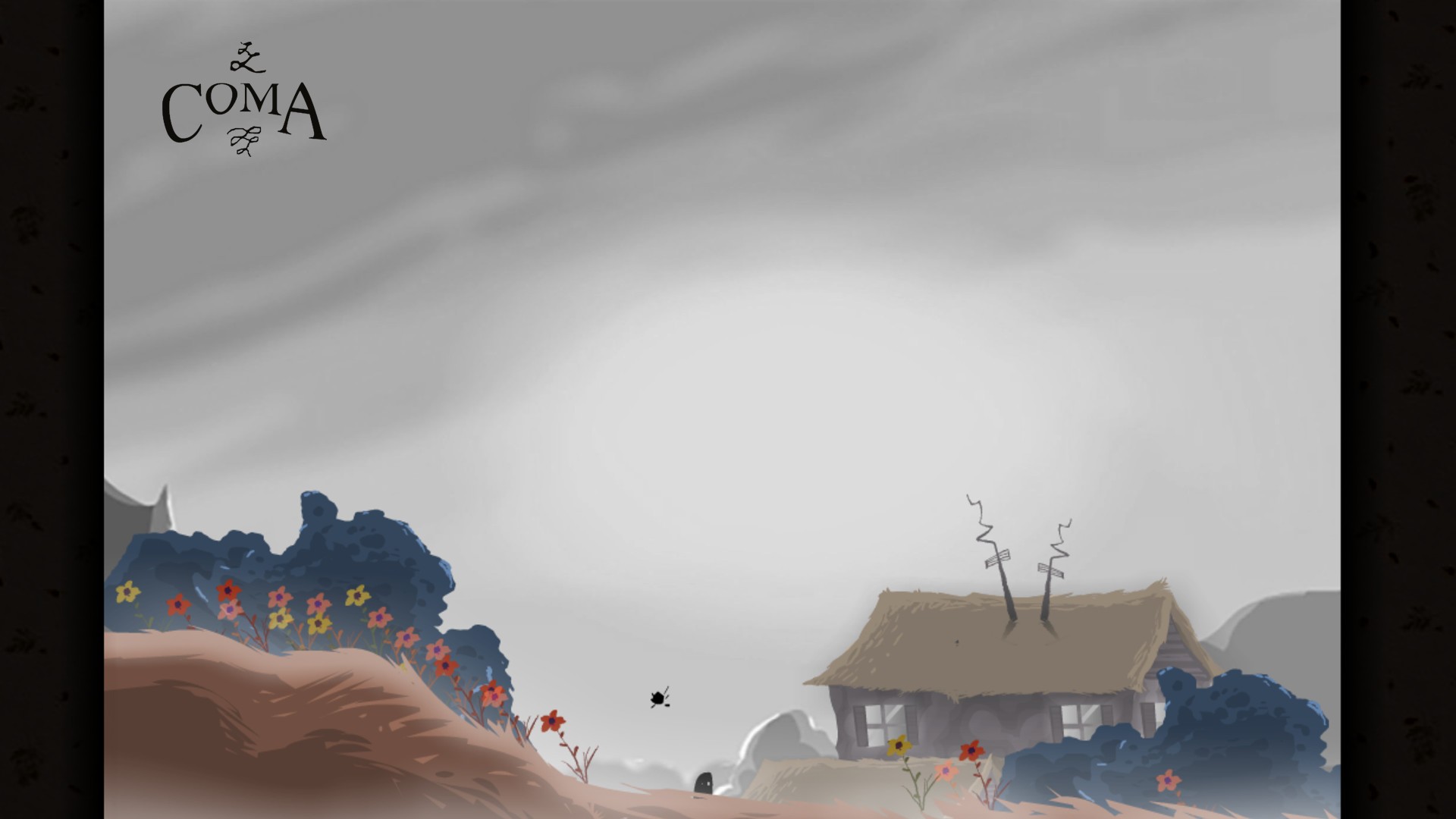
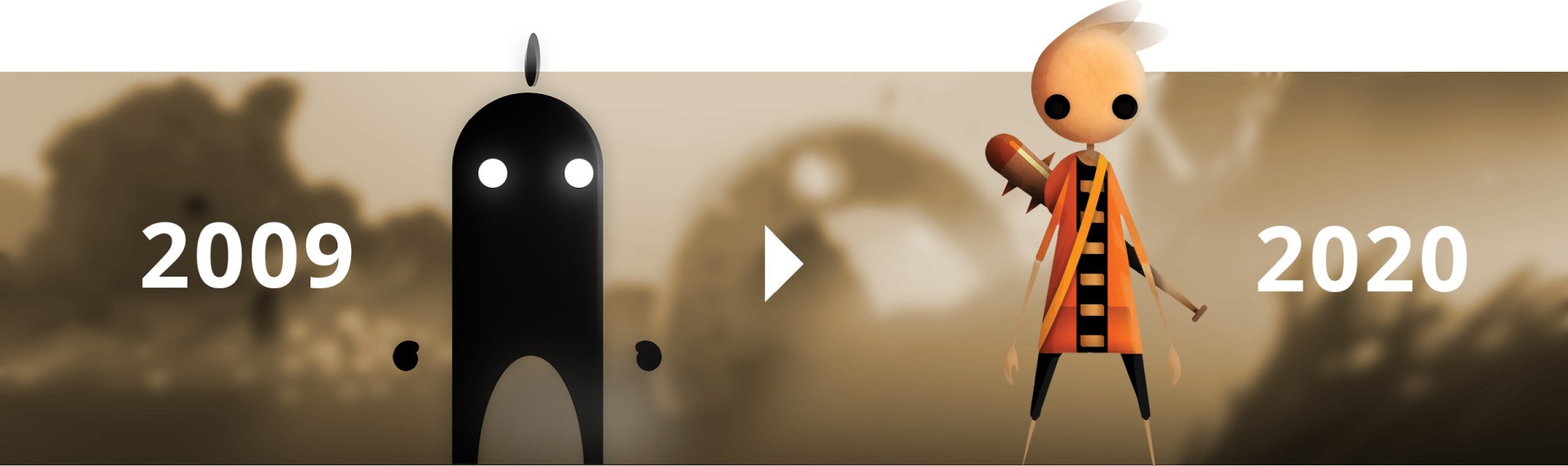
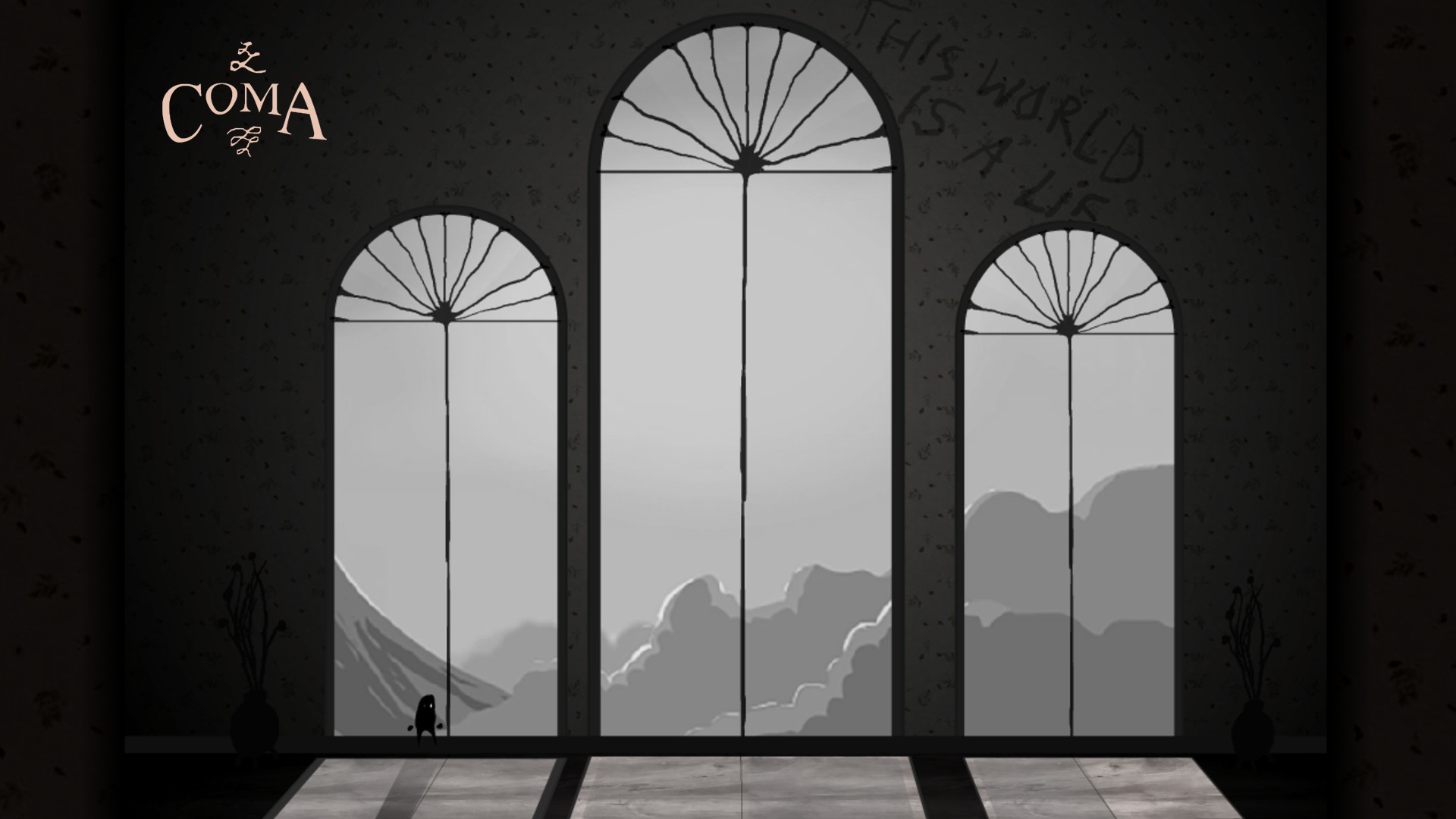
In 2009 I made a web game called Coma. I was 18 years old, and had no idea what could happen after you release a game. The game blew up with over 8 million plays, and sent me on a decade long journey of creating bizarre and beautiful indie adventure games. Now, I’m almost 30, and am still baffled at the response to Coma.
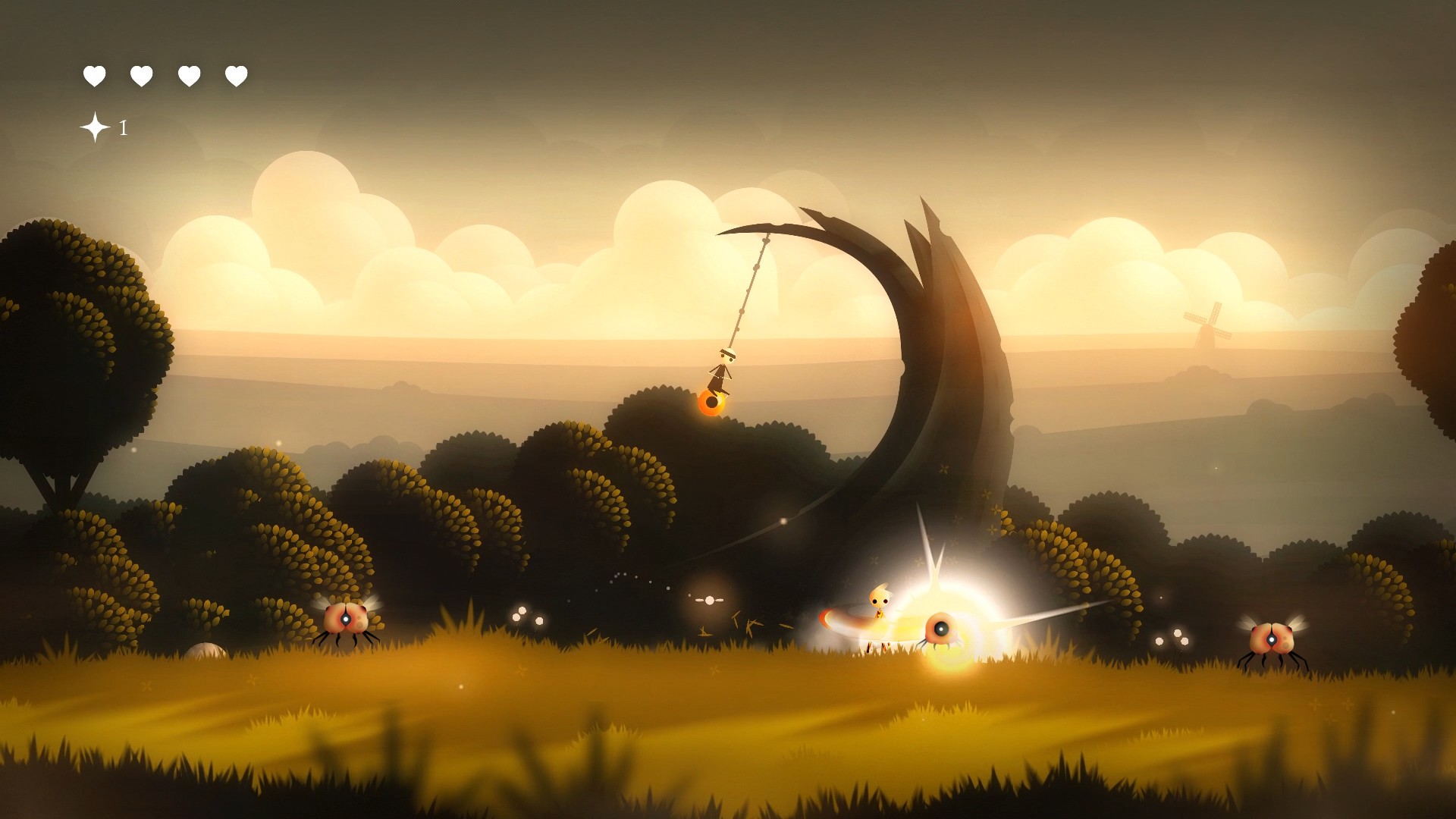
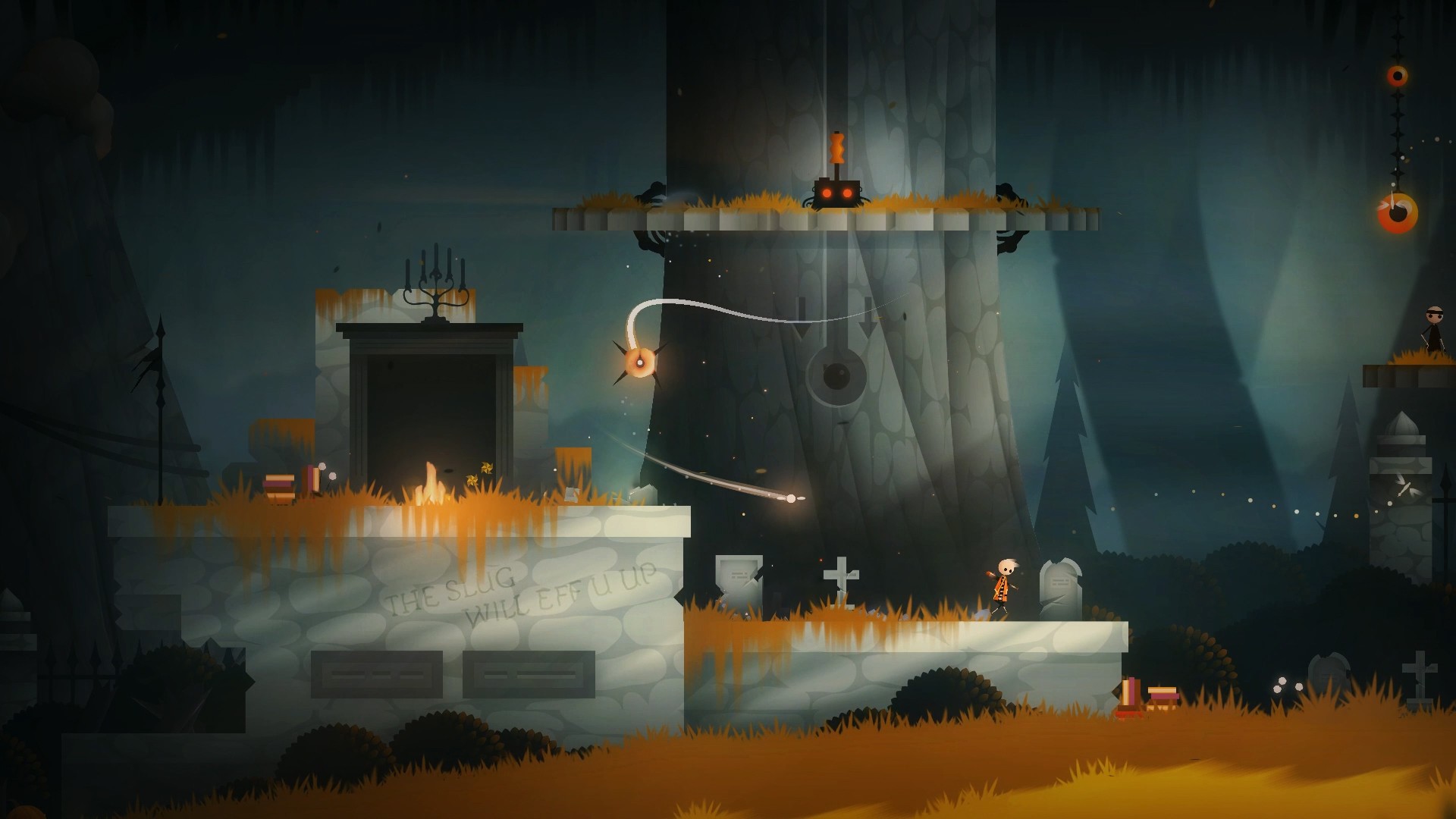
With the help of my development partner Serenity Forge, we’ve rebuilt the entire Coma-world from the ground up; it’s now called Neversong, and it’s coming to Xbox One on July 16! What is more interesting is how much I’ve changed. My world-view, the stories I prefer telling, and what makes my blood pressure tick up is completely different than when it was still in high school.
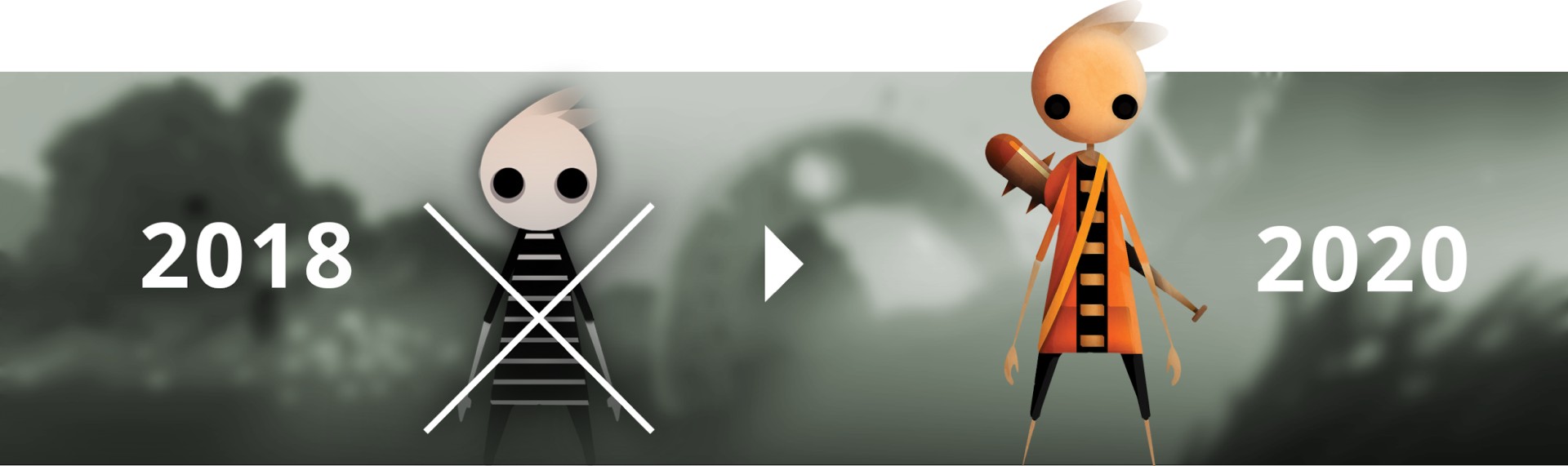
Similarly, the protagonist of that little Flash game, Pete, has also changed, now being called Peet, and possessing a completely different form than the original Flash sprite. His changes correlate to mine, and I’m sure you can relate.
Firstly, the original protagonist in Coma was a silhouetted blob with no key features, and ultimately, an unknown personality. It may sound a tad pretentious, but this was how I viewed myself as a game developer and storyteller at 18. Now, my view of myself is clear and distinct. I know what I’m trying to say in my games, and what I’m capable of as an indie game developer. In the case of Neversong, the protagonist’s look is meant to instill a sense of sadness in the player. In fact, we tried desperately to make the dark silhouetted blob work in this new, highly illustrative world, but it just wasn’t working. Now, Pete looks like a human being, much like our players, struggling with an inner demon. This look is what will ultimately drive the player to complete the game, in spite of it’s bizarre puzzles and almost depressing environment — it’s up to the player to put a little smile on the sad face of Pete.
Secondly, “Pete” became “Peet”. This was seemingly just a simple swapping of letters, but the reason behind is paramount to what made this game so different that the original. Pete was renamed to Peet in honor of Peet Cooper, a former Blizzard artist who worked with Serenity Forge and I pro-bono to bring personality to our simplistic protagonist that we otherwise were not capable of doing.
Peet Cooper illustrated the cut-scene art, and boy, did it change the emotional resonance of the game.
Peet’s ability to capture an emotion in a single sketch was exactly what the previous version could not do. It was this simple act of working with a team, as opposed to my typical modus operandi of working alone that actually brought the story of Neversong home for players.
In addition to working with Peet Cooper on telling this little boy’s haunting story, the team at Serenity Forge developed the entire game, while I illustrated, composed, and art directed. That little blob from the original Flash game transformed into a full-fledged boy named Peet with a deep and meaningful story to tell, simply because I was willing to work with a team this time around.
Finally, Peet’s design changed half-way through game development simply because we were trying desperately to avoid the typical trends we saw circulating on Twitter, Instagram, and the gaming community at large. My artistic sensibilities as an illustrator have always pretty much been the same since I was 16. I loved Tim Burton, and made it my mission to replicate his bizarre and Poesque look in my work. Fortunately for gamers, but unfortunately for me, this look has become quite popular.
With games like Limbo and Hollow Knight, the team at Serenity Forge and myself felt we needed to pivot to avoid looking like a clone of other popular games. This is certainly a danger for any dev, especially one whose entire portfolio since 2006 has this look and feel. Without compromising my vision or my forte, I was able to pivot Peet’s look slightly to set Neversong apart from other trendy, dark, and moody games popular on Xbox.
Ultimately, Peet’s solidification as a unique and memorable character is perhaps a mirror of myself as a game developer. From a confused and ungrounded teen to an almost 30-year-old game dev with a clear vision and story to tell, Serenity Forge, Peet Cooper, and dozens of other developers and testers have helped me get there. I’m incredibly proud of Neversong, and am incredibly grateful to have been on this journey. I can’t wait for everyone to experience Peet’s adventure on Xbox One when it comes out July 16!
Don’t Miss: What the Golf? is going on in this Q& A
Copenhagen-based Triband is the studio behind what is easily one of the funniest, most joyful games of the year in What the Golf?
The team answered…most of our questions.
Who are you, and what the heck is What the Golf?
We are Tim Garbos, Peter Bruun, Lasse Astrup, Morten Skouboe, Felix Nordanåker, Simon Post and Rune K. Drewsen and we made a silly golf game, that’s not really a golf game. It’s the golf game for people who hate golf.
When you do a crowdfunding campaign everyone thinks it’s about hitting the hole, but it’s much better to hit the lake or the sand bunker. You need to please the crowd and put up a show to create awareness and build an army of lovers. In other words, don’t do a crowdfunding campaign solely to generate funds. If you get money out of it, that’s nice, but it’s all about hype — we were so lucky that we got both.
How did you manage to get the comedy of the premise right? Was there a lot of iteration? How did you decide what order to present all the little ideas in?
We did what all standup comedians do, we took the game on the road. We showed it on conferences, tested it and noted what people found funny, and kept banging on it to see if we could make it better.
If you test any game with a game tester they rarely say what they dislike. They sit there in your office, eating and drinking whatever you gave them, and they really want to please you. So they won’t tell you if your game sucks. On the show floor, you just to stand back and watch if they laugh, and if they come back with a friend you know you got something.
[embedded content]
What the Golf? contains a great many variations upon the theme of golf. How on earth did you come up with them all, construct them and decide on what order to present them? Did you have any you had to cut, and regret leaving out?
Golf is known all around the world and is mostly played by rich people, so it seemed like a safe target to ridicule. Terry Pratchett once said “Satire is meant to ridicule power. If you are laughing at people who are hurting, it’s not satire, it’s bullying.” which is true and one of the reasons that we picked those blockbuster games we make fun of in What the Golf?
The levels in the game are short, so if we bombard the player with jokes, hopefully, some stick. Doing comedy for a global audience is hard since comedy is very different around the world, jokes can hit and miss. Slapstick, on the other hand, seems to be popular everywhere, so we knew we were going to make a physics game.
A lot of the physics games from the past were funny because they were so hard to control (Octodad, Surgeon and Goat Simulator), so we wanted to make a physics game that was easy to control.
The catch with a game that’s easy to play and filled with slapstick is that people will write it off as stupid, so it needs to be spiced up with some “clever” fun. If you look at a Marx Brothers movie it’s filled with slap sick but it also has all this wordplay and puns, which is genius because everyone can laugh when someone slips in a banana and the people that find banana slipping a bit below them can laugh of the puns and smart dialog. Pixar is also very good at this in their movies, they always have a “kid” layer and “adult” layer, and What the Golf? has a similar thing. It’s a fun game to play for both gamers and nongamers alike. Everyone can understand that we are making fun of golf, but if you been around the block you will get all the references to other games and pop culture.
I have to ask…how has your experience been with being an Epic Games exclusive for a while?
Grease and line a 2lb loaf tin. Melt butter, sugar and vanilla in a saucepan over a medium heat. Remove from heat and add the mashed bananas, mix well. Add the egg, mix well.
Stir in the flour and the milk.
Pour into the prepared tin and bake at 170 C / Fan 150 C / Gas 3 for 35 minutes, or until a skewer comes out clean.
Ed note: Pictured banana cake not necessarliy representative of preceding recipe.
About the gameplay, it is nice that each basic “hole” is fairly laid back in terms of difficulty, but also that golfing with all these different objects is different. Like the monitor-and-keyboard, the arrow, the ragdoll golfer, the carpet, and the many many other things, they’re not just funny, but they also play differently. How did you do your physics, and were there any implementation issues in development?
We motion-captured everything and got a top-notch science team to analyze the data. Looked at it and translated everything to 0’s and 1’s and put it into Unity.
I love how the game introduces the bonus crown tasks, just as players start to wonder if they can go back to a particular favorite hole, the game reveals they not only can, but there’s little trophy-like objects for doing so. Was there a temptation to have “bigger” rewards in the game?
The crowns are primarily there to make you revisit some of your favorite levels and secondly for the completionists. We tried a lot of different objects but ended up with the crowns since they seemed to communicate the sense of reward best. We have talked about the player unlocking different skins for the golf ball, but it didn’t feel right, so we canned it.
It takes a while before the game’s little kindnesses become evident, like how time slows down when you make a shot while the ball is in motion. The UI is very simple and effective. Did it take a lot of tries to get it right? How about with special cases like multiple “balls?”
We never wanted the game to be hard, and we really wanted it to be so simple and easy that you could get your father to play it. The slow-mo feature was first made for the soccer level, but it turned out so good that we just used it everywhere. Wind is normally a big thing in golf games so we knew we had to do something with that, so adding fans to the levels seemed like the way to go, so there are there to make the level harder but they are also there to show you that times slows down when you aim.
How well has the game done for you? Were you worried that it might not sell well?
We always wanted the game to either flop big time or be a massive success. If we just got an okay sale, it would be much harder to use it. Then we had to sit down and find out what was good and what was bad. You don’t have that problem if it flops, then you know everything is rubbish. Right now it looks like it’s going to be a big hit.
This is for my personal satisfaction mostly, but might be interesting to people… have you played the ridiculous and wonderful Ribbit King, aka kerokeroking?
No, we never played that. But yes the Frog King is inspired by that game.
Analyzing those Satisfactory sales numbers (& more!)
The following blog post, unless otherwise noted, was written by a member of Gamasutras community. The thoughts and opinions expressed are those of the writer and not Gamasutra or its parent company.
Welcome to the latest Game Discoverabilityland round-up, a compendium of the week’s top news/links in the space. As happens a bit recently, I started this yesterday and ended up getting so deep into a subject that it’s become a standalone newsletter for next week (hah!)
So here’s the ‘real’ roundup newsletter, starting with… this:
Epic Satisfactory (& Steam!) Sales
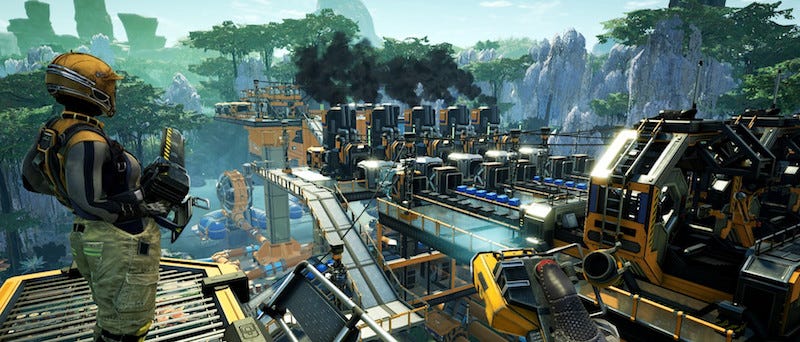
The folks at Coffee Stain Studios were kind enough to go public with their game sales for standout first-person factory building game (think Factorio, but hella 3D!) Satisfactory, and yep, they’re good:
Impressive! (That’s about 39 sales for each review on Steam – the game has 9,400 reviews right now.) https://t.co/gtW5NxY6ni
This is notable because it’s one of the few Epic Games Store sales numbers ever released. It comes as EGS announced 61 million monthly active users on PC (and peak concurrent users of 13 million.)
Since you have to log in to EGS to access Fortnite, those MAU/PCU numbers aren’t necessarily that helpful in themselves. But we do know that third-party games had $251 million spent on them in 2019 (out of $680 million total spending, including Epic titles.) And it appears that Satisfactory was the #2 selling EGS title last year, according to that 2019 infographic. So those sales numbers are high-end for EGS.
Let’s guesstimate 8 to 10 million copies of third-party games sold on EGS in 2019. That’s not nothing, if still a fraction of Steam. And Epic’s aggressive ‘free games’ program must be bringing more users to the platform.
For devs, I still think EGS is a great move if you get an offer, especially with the current model of guaranteed advances, the 88% royalty rate, and lack of games on the store. My only comment: you do lack a little discoverability with an EGS launch, just because Steam is the more established ecosystem with the average streamer, etc.
(But you can still debut on Steam later and pick up ‘Steam or bust’ gamers, as Satisfactory did. Having a Steam page up to capture wishlists while on EGS is a great way to pick up latent demand, and Epic haters seem less prevalent nowadays.)
Jordan from Hitcents pointed out the model he’s pursuing with Forgotton Anne on mobile stores, which is a free download & in-game IAP to unlock the full game (for $8.) The game’s lush-looking and has great reviews – it’s doing a 5% conversion rate, with 100% organic traffic. I’ve seen this model on casual games before, but rarely on indies. Not for all, but good incremental revenue, maybe!
A couple of folks pointed out you can get independent UA (user acquisition) funding if your F2P title is tuned to be profitable. And indeed that’s true, with big firms like Tilting Point pumping tens of millions of dollars into games that monetize well, and other smaller funding sources out there too. Still, you have to get your F2P mobile game profitable on paid ads first, probably the tricky bit.
Finally, I just wanted to re-iterate – there’s a LOT of money in F2P mobile games, and they are becoming increasingly creative and interesting to play. There are fascinating genre niches – check out Ten Square Games, who grossed $40 million in the last quarter just from its game Fishing Clash (1 million reviews on Google Play!) But you’ve got to have your monetization design down. And for many making their own premium game, that may not be something they want.
But there’s also Media Molecule’s Dreams on PlayStation 4 (which isn’t monetizable right now and is more fan/player-centric, but has some amazing creations, given you literally have to use a PS4 controller to make everything in the game.)
“Each calendar month, creators in the program can receive $3 per average daily player. This will be calculated by taking the daily number of unique users who log into your games and averaging them across that month.
This means that if you have 500 unique users log into your games every day (they do not need to be the same players) you could receive $1,500 after the end of the month. If you average 1,000 users, you could receive $3,000. If you average 10,000 … you get the idea.”
This seems like a pretty amazing deal, but I think the userbase is still, uhh, arriving – with just 12,000 players to date for the Manticore team’s battle royale game. Still, it’s interesting, right?
So I’m not sure regular ‘pro’ game devs should yet try to earn a living on these platforms – though some such as Jamie Fristrom have tried on Roblox with games like Dungeon Life – some fascinating lessons there.
But I think it’s an important trend to watch, because it’s democratizing game dev even further beyond Unity, in some ways. Although perhaps a bit based on VC firms trying to build platform monopolies, bleurgh, but that’s capitalism for you.
Other things…
OK, time to polish off this newsletter in style, with a few more links of neat things pointed out to me in the last 7 days. Let’s hit it:
Thanks to ICO’s Thomas Bidaux, we have a state of Kickstarter (not just game Kickstarter) for the first 6 months of 2020, and there’s even a tl; dr for us: “The number of projects launched on the platform has massively dropped [due to COVID-19]. However, a few hits surprisingly mean that the total amount of money raised recently is on par with the amount raised during the same period last year.”
Lorenzo Pilia from Maschinen-Mensch (most German company name ever, also the Curious Expedition devs!) recently noted a neat automated way the devs did a private Alpha for Curious Expedition 2 using email to Discord to bug reports & feedback via their project management tool (free for small devs!), Codecks.
Two Nintendo Switch things – firstly, I found someone using a new visibility hack for the eShop charts, which is ‘make a paid game free to owners of other specific Switch games, and it still shows on the charts.’ Jeez. And secondly, the Tangle Tower devs were kind enough to confirm that adding a free Switch demo “has boosted the long tail by about 25%! Not bad for 8 months after the game launched!”
The latest article from Chris Zukowski – exactly where his skillset is perfect to help indies – is on how to make your game’s written feature list into benefits, rather than a mechanical listing of how many levels the game has. It’s a classic marketing problem that many people fail at!
Micronotes: Apple confirmed all non-China licensed games are gone from the App Store July 31st, the much-awaited (!) Devolver Direct is taking place on Saturday, July 11th at noon PT, and if you want to see inside Valve (albeit the non-Steam bit), the exhaustive written/visual doc Half-Life: Alyx: Final Hours is now out on Steam.
Finally, I hope everyone had a decent Steam Summer Sale! From what I’ve heard, there was plenty of buying going on. But let’s end with Dan Marshall’s (Lair Of The Clockwork God) view on the aftermath, lol:
Posted by: xSicKxBot - 07-13-2020, 12:57 PM - Forum: Windows
- No Replies
Samsung and Microsoft transform real estate and smart property management
New pilot collaboration offers single, integrated portal for managing devices and smart appliances in buildings
SEOUL, South Korea and REDMOND, Wash. — July 13, 2020 — Samsung Electronics Co. and Microsoft Corp. today announced a global collaboration focused on digitally transforming the real estate development and property management industries. This collaboration, combining smart appliances and digital cloud technologies, aims at helping to drive improved building operations and maintenance, along with creating better experiences for both service technicians and residents.
This new strategic alliance, with pilots currently under development, brings together the power of Microsoft’s Azure IoT platform and productivity cloud services with Samsung’s smart devices and SmartThings platform, to help optimize building operations, equipment maintenance, energy management, asset performance, and new tenant experiences for commercial, hospitality and residential buildings as well as mixed-use developments.
The companies will leverage Samsung’s smart home appliances, HVAC systems and smart TVs integrated with SmartThings, together with Microsoft’s Azure Digital Twins technology and Microsoft Dynamics 365 Field Service, to improve building maintenance and management by aggregating and analyzing IoT data from building systems and connected appliances. For example, with this new capability building managers can not only create an integrated dashboard for handling building issues in real time but potentially before failure, saving time and resources.
Microsoft’s Azure IoT platform is able to process data messaging from millions of building sensors and devices and then use machine learning and AI to help building managers and operators determine what issues should be addressed in what order, and then link to Dynamics 365 Field Service to determine who is the right person, with the right skills, in the right location to resolve the issue. This helps to reduce service calls while also improving the productivity of service technicians who can now troubleshoot multiple issues on a single visit and, if needed, get remote assistance through the Microsoft Teams application.
This collaboration with Samsung extends this capability to include Samsung smart appliances, HVAC systems and TVs, with plans to expand into digital signage equipment. The alliance also covers Samsung mobile devices, including the XCover Pro mobile phone, to create improved experiences for frontline workers involved in handling building issues. Additionally, Samsung plans to offer SmartThings mobile development tools to enable builders to craft custom, tailored connected living experiences for their end users.
The collaboration will leverage data from Samsung’s range of smart refrigerators, washing machines, vacuums, air purifiers, ovens and other devices connected through the intelligent SmartThings platform. Such data integration allows building operators to monitor nearly all devices in real time, identify issues and take appropriate measures before real damage happens, should a problem occur.
“We believe collaboration with a key partner like Microsoft is essential for innovation, as the company shares our vision of inspiring the world to shape the future by innovating in technology and products,” said Chanwoo Park, corporate vice president heading up the IoT Biz Group at Samsung. “Providing building owners and operators with a robust and powerful set of tools to help them optimize their building costs and equipment, including the management of Samsung’s connected appliances and other devices, is paramount to our long-term alliance. Together with Microsoft, we are helping to solve real challenges faced by our customers by creating secure integrated insight and digital solutions that keep properties functioning sustainably and efficiently while providing better experiences for residents.”
“With Azure Digital Twins, we can create comprehensive digital models of entire environments and a living digital replica of real-world things, places, business processes and people to help customers gain insights that drive better products, optimization of operations, cost reduction and breakthrough customer experiences. This collaboration with Samsung opens up new opportunities for further innovation in the real estate development and property management industries,” said Sam George, corporate vice president, Azure IoT, Microsoft. “Together, we’ll bring the best of Microsoft’s trusted, easy-to-use and secure Azure IoT platform, Azure Digital Twins and Dynamics 365 Field Service technology with Samsung’s expertise in connected devices and appliances to streamline building operations and maintenance.”
In addition to bringing new capabilities to the real estate and property management world, the companies have aligned their worldwide marketing, partner and sales programs to deliver these new integrated solutions for their customers, including facilities management companies and real estate developers.
Oxford Properties, one of the largest real estate companies in North America, also with operations in Europe and Australia, says this new alliance has the potential to add high value for customers.
“We are excited about the collaboration of Microsoft’s Digital Twins technology and Samsung’s range of connected devices, and the potential of these instruments to deliver meaningful new insights across the commercial real estate value-chain,” said Dean Hopkins, chief operating officer, Oxford Properties. “Investing in digital twins sets a foundation to unlock future opportunities. We are working with thought leaders around the world to advance the intelligence of our buildings and see enormous potential to positively impact building operations, asset management and customer experiences. Microsoft and Samsung coming together to accelerate the value that digital twins are bringing to the commercial real estate ecosystem is a great step forward.”
The National University of Singapore (NUS) will serve as a pilot for solutions pioneered under this alliance between Samsung and Microsoft as part of the university’s ongoing efforts to create a smart, safe and sustainable campus for students and staff.
“NUS is very excited to work with Microsoft and Samsung in piloting smart building management solutions on our campus,” said Professor Yong Kwet Yew, senior vice president of Campus Infrastructure at NUS. “The experience gained from this trial could help us transform the way we maintain our buildings with predictive maintenance, enable better user experiences and create a smart campus ecosystem, and it has potential to scale up at the national level.”
About Samsung Electronics Co., Ltd.
Samsung inspires the world and shapes the future with transformative ideas and technologies. The company is redefining the worlds of TVs, smartphones, wearable devices, tablets, digital appliances, network systems, and memory, system LSI, foundry and LED solutions. For the latest news, please visit the Samsung Newsroom at http://news.samsung.com.
About Microsoft
Microsoft (Nasdaq “MSFT” @microsoft) enables digital transformation for the era of an intelligent cloud and an intelligent edge. Its mission is to empower every person and every organization on the planet to achieve more.
For more information, press only:
Microsoft Media Relations, WE Communications for Microsoft, (425) 638-7777, rrt@we-worldwide.com
Note to editors: For more information, news and perspectives from Microsoft, please visit the Microsoft News Center at http://news.microsoft.com. Web links, telephone numbers and titles were correct at time of publication, but may have changed. For additional assistance, journalists and analysts may contact Microsoft’s Rapid Response Team or other appropriate contacts listed at https://news.microsoft.com/microsoft-public-relations-contacts.
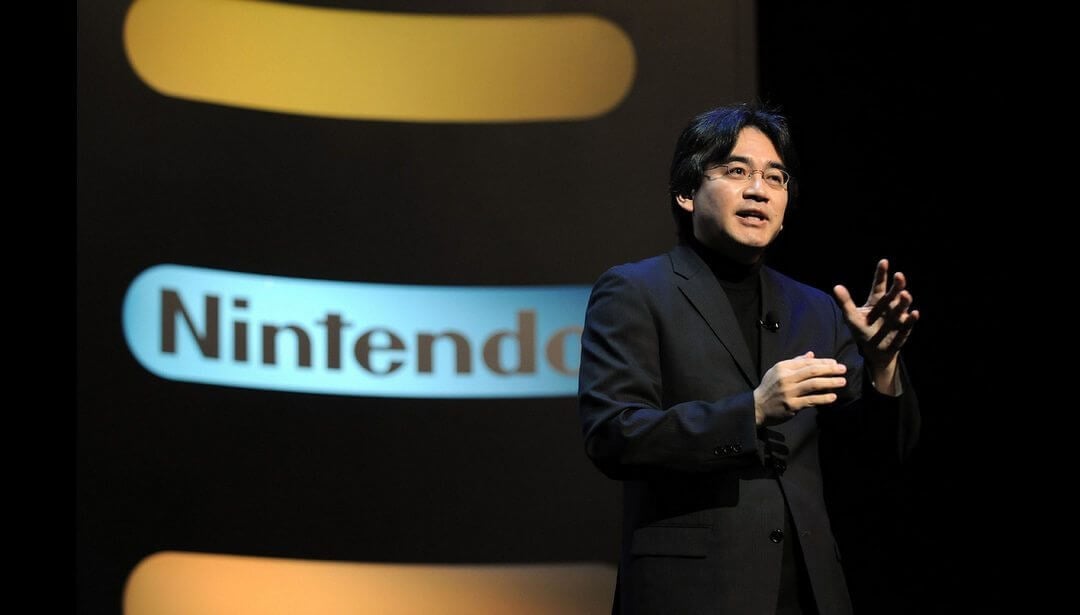
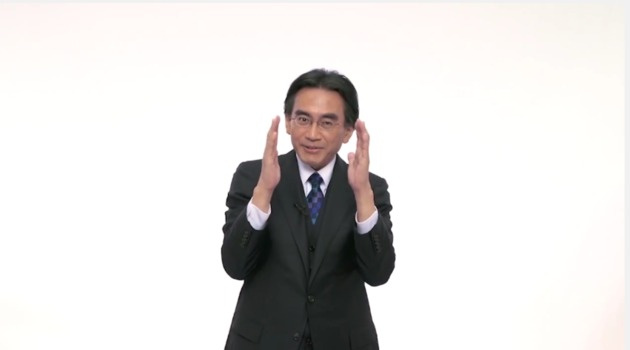
Five years ago today, Nintendo president Satoru Iwata passed away. We’re republishing this obituary from 2015 to pay tribute to the great man.
Satoru Iwata passed away on 11th July 2015, at 55 years of age. He was Nintendo’s 4th company President, and oversaw a period of extraordinary success and then evolution, while becoming hugely popular with fans for his personality and humour.
Born in Sapporo, Japan, Iwata-san’s interest in electronics led him to study at the Tokyo Institute of Technology; he began work at HAL Laboratory (a company closely associated with Nintendo and well known for franchises such as Kirby) while still studying, before joining the company full time upon graduation. He was a programmer first and foremost and worked on iconic games such as EarthBound, with that understanding and passion for games remaining a key strength throughout his career.
Satoru Iwata rose through the ranks at HAL to become its President in 1993, and such was his performance in that role that he would then become the head of Nintendo’s corporate planning division in the year 2000. His work earned the respect and trust of Nintendo’s 3rd President, Hiroshi Yamauchi, who appointed Satoru Iwata as his successor in 2002; he was the first President of the company from outside of the Yamauchi family.
Satoru Iwata retained some core beliefs at the heart of Nintendo’s policy throughout his 13 year tenure. The goal to deliver unique, compelling hardware and software would become a definitive identifier of Nintendo’s approach under its new President. Iwata-san’s key objective, throughout his tenure and repeated many times, was to achieve a “gaming population expansion by offering compelling products that anyone can enjoy, regardless of age, gender or gaming experience”. This strategy’s blueprint can be seen across the products and design choices driven by his leadership.
The Nintendo DS, taking the bold step to move away from the Game Boy brand, was released in 2004 and – by the end of its generation – would become the biggest selling family of portable hardware of all time. It’s second in the overall gaming console sales list, only behind PlayStation 2.
The hardware and its games were the definitive example of Satoru Iwata’s goal – it innovated with affordable technology, and delivered experiences suited to all gamers. The dual screen setup of the DS became iconic, while its introduction of touch-based games was revolutionary in its era.
The first home console launched under Satoru Iwata’s leadership was similarly revolutionary, utilising established technology and components in a manner that captivated a mainstream audience. The Nintendo Wii, despite its SD resolution and graphical power below its contemporaries, sold over 100 million units worldwide and brought motion gaming to the fore. It was also a hugely important move forward in Nintendo’s philosophy of placing conceptual ideas and experiences ahead of raw processing and graphical power.
The Wii and DS, between them, delivered a generation of dominance for Nintendo. In this period Satoru Iwata brought substantial profits to the company, in the process becoming recognised as a leading CEO in the technology sector. It was a generation of rebirth and re-imagining for the company, as it released memorable new entries to established gaming franchises while also giving rise to the ‘casual’ market. Satoru Iwata’s philosophy didn’t see such categories as divisions, however – all Nintendo system owners are gamers, regardless of their preferred franchises.
After extraordinary success with the Wii and DS Nintendo faced challenges in a new generation. The Nintendo 3DS launched in Spring 2011 to disappointing sales, prompting Satoru Iwata and his management team to react with an unprecedented major price cut on the hardware within six months of its launch. That move, along with a strong line-up of software, delivered a strong commercial turnaround for the system. Despite the rise of smart device gaming and a rapidly evolving market the 3DS has succeeded as a dedicated portable gaming device, passing 50 million unit sales to date.
The Wii U, launched in November 2012, has been Nintendo’s least successful home console since the GameCube era, and was undoubtedly the biggest test of Satoru Iwata’s management. The system’s GamePad-driven concept has struggled to capture the public’s imagination, resulting in poor sales.
Prior to E3 2014, it emerged that Satoru Iwata would miss the LA event, which surprised fans of the company. It later emerged that this was due to a bile duct growth, which was subsequently removed in June of that year. In the year following that operation until he passed away, Satoru Iwata not only remained at the helm of the company but began introducing key initiatives that have driven Nintendo back into profit and towards significant changes.
Key initiatives in the past 12 months have included the launch of the successful amiibo toys-to-life range, while a partnership was announced for Nintendo theme park attractions through Universal Studios. A vital announcement, in particular, was a corporate partnership with DeNA, with the companies working together on a new loyalty programme and a series of smart device apps utilising Nintendo IPs.
The move into the smart device market represented a change of course in Satoru Iwata’s leadership, recognising the importance of that sector and the potential for profitability. That announcement, along with confirmation of the ‘NX’ gaming platform to be revealed in 2016, brought renewed investor confidence in the company. In Nintendo’s 2015 AGM (Shareholder’s Annual General Meeting) Satoru Iwata was retained in his role as President, with smart device games, NX and the Quality of Life (QoL) sleep sensor all major upcoming projects for the company.
Satoru Iwata, following the respective sales of the 3DS and Wii U, was once again showing his capacity to respond to trends while pursuing a ‘Nintendo-like’ approach.
Beyond his business leadership, and the successes he delivered, Satoru Iwata will also be remembered for his humour and humility when fulfilling his role as Nintendo President. Iwata-san pioneered a new attitude for the company in which it communicated with fans, with the series of Nintendo Direct videos being a prime example. Iwata-san repeatedly demonstrated his love for Nintendo’s heritage, gaming and its fans through broadcasts such as these, imbuing the company with an enhanced sense of humanity to accompany its unique software output.
Throughout his leadership of Nintendo Iwata-san placed accessibility, fun, innovation and inclusivity at the core of the company’s mission statement. While this mainstream approach proved lucrative in the DS and Wii era, it still remained a key goal even in more challenging times. During Iwata-san’s tenure Nintendo portrayed a light-hearted approach to an increasingly noisy and cut-throat business, defying projections and criticisms to continue on its own course and to deliver products that it believes in. Satoru Iwata maintained his core belief in the right direction for Nintendo both in times of unmitigated success and in the current, more difficult generation.
Satoru Iwata would sometimes quote his predecessor when outlining the key message at the heart of Nintendo’s approach – “The True Value of Entertainment lies in Individuality”.
One of Satoru Iwata’s other most memorable and simple lines, aside from many wonderful Nintendo Direct moments, was at E3 2005 – as part of an exchange with Nintendo of America President Reggie Fils-Aime, Iwata-san said “I’m about making games and I’m about playing games.”
That, above all, is the greatest legacy that he’s left to all gamers.