GTA 5 Online Adds Six New Contact Missions, Plus Double And Triple Rewards
The latest update for Grand Theft Auto V's online multiplayer is out now. Titled Gerald's Last Play, it adds six new missions to GTA Online, and from April 23-29 you'll also earn 2X GTA$ and RP from completing these missions and any other Contact Missions.
The six new missions centre around Gerald, who's encountered some unwelcome resistance from rival gangs encroaching on his black market activities. You need to help Gerald score big while ensuring his other criminal enterprises--such as drug dealing--go smoothly across Los Santos. The brand-new series of Contact Missions are available solo or with up to three other players.
You and three friends can tackle Gerald's Last Play together.
The missions focus on battling rival gang members and staying one step ahead of the law, as you shoot and safe crack your way through a slaughterhouse; steal a van filled with action figures stashed with cocaine; rob supplies from troublesome bikers; beat the cops and another gang in a race to find some missing product; eliminate a rival leader and his crew, and finally unload all of Gerald's merchandise in one final massive deal.
World of Warships: Legends is One Year Strong on Xbox One
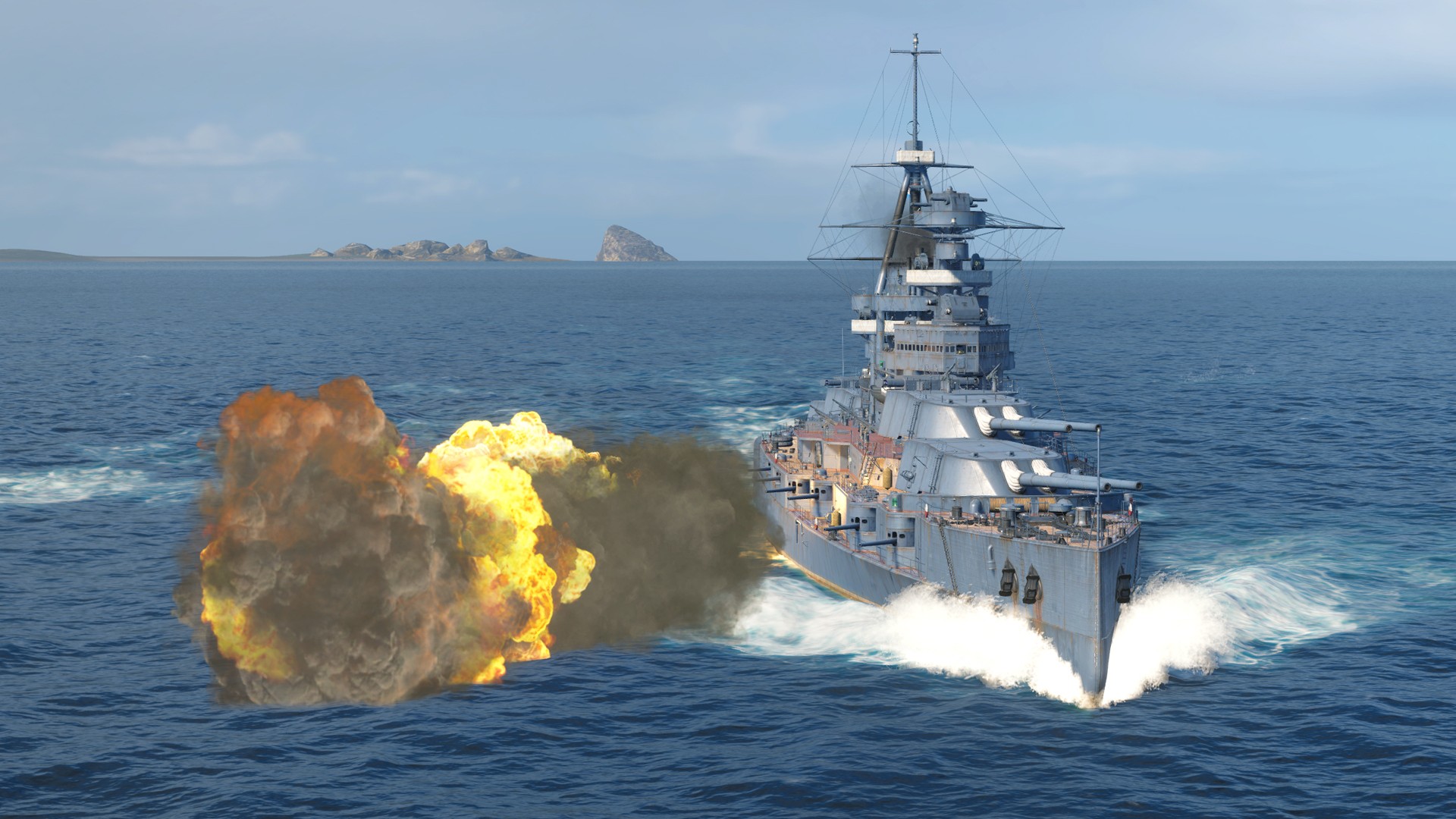
World of Warships: Legends is celebrating its first mini-anniversary by bringing players rows of content for any kind of captain. First there are the celebration activities where players are bound to get a whole lot of stuff for playing as many ships as they want, then there are the two new campaigns, for a Russian battleship commander and a Russian collectible cruiser, respectively. To add to that, players will have another go at ranked battles with 2 new sprint-sized seasons, one of them with tier VI warships. And finally, the quality of life improvements and features that came straight from the player feedback are also here.
Celebrate one year since the early access of World of Warships: Legends by participating in One Year Strong activities! These include a time-limited win bonus for a good portion of the game’s fleet as well as a dedicated mission to get a unique One Year Strong patch!
Break in the new Russian battleships with their brawling might and high risk – high reward gameplay! On April 13 a new fleet of red machines will enter the Legendary waters and do so loudly! Gangut, Pyotr Velikiy, Sinop and Izmail will be available through early access. These beasts feel the most at home in medium to close range situations, showing best accuracy at around 10 kilometers, but angling is vital, as their citadels sit relatively high.
Meanwhile the whole branch of Russian destroyers, with the pinnacle Tashkent is available for research. If you prefer rangy and speedy gunboats and are willing to sacrifice some maneuverability, these ships might just suit you!
But it doesn’t end there, 2 new shorter campaigns are inbound! “To Tame a Dreadnought” will offer three weeks of trials resulting in Mikhail Kedrov joining your squad. Kedrov, incidentally was the historic commander of the Russian dreadnought Gangut, and he will lend his expertise to your new Russian battleships! What’s of particular interest in this campaign, is how the weekly tasks will stay for the duration of the event, so the more “The Heroic Oleg” is a two-week campaign that will lead you to the Russian protected cruiser Oleg, a well-oiled war machine, that served as a stalwart defender in life. In Legends this warrior is situated at tier II and offers a very straight to the point game play in a truly handsome package, worthy of any collection.
While playing through the new campaigns, players will earn the “Imperial” currency, which can then spend in the Admiralty for various useful items.
Ranked battles make a return, this time captains are offered to compete in two seasons, with a week of reflection and preparation in between. Season 4 will take place of tier V ships and season 5, for the first time in Legends, will call the tier VI machines to battle. Both seasons are filled with rewards which include season-specific patches which can be only obtained during the respective events. Such goodies as boosters, camo and currencies will round up the rewards list.
World of Warships: Legends brings a few changes based on player feedback: the battle HUD can now be scaled for those who prefer their interface elements bigger. To add to that, captains can now take beauty shots of their steel monsters, thanks to the Photo mode in the port. Next, national voiceovers for every nation are added to the game, which means that no matter the game language, players can now listen to their commanders speak the language of their home ports. And finally, a humble Victory Day celebration is coming in the beginning of May. Look out for special missions and camouflage!
Experience epic naval action in World of Warships: Legends, a global multiplayer free-to-play online game where you can master the seas in history’s greatest warships! Recruit legendary commanders, upgrade your vessels, and stake your claim to naval supremacy with or against players around the world. LIMITLESS CONTENT Helm dozens of warships from the 20th century’s most powerful navies, set sail for glory across stunning oceanic vistas and soundscapes, and enjoy regular free updates. CHOOSE YOUR COMBAT STYLE Take control of destroyers, cruisers, or battleships to best suit your playstyle, from a guns blazing approach, to more careful and methodical attacks, and more. TURN THE TIDE IN EPIC 9 V 9 BATTLES Join forces with friends to challenge players around the world, and work together to devise strategies and plan attacks to outgun your opponents and turn the tide of battle.
Don’t Miss: A look at choice overload in games, and how to avoid it
The following blog post, unless otherwise noted, was written by a member of Gamasutras community. The thoughts and opinions expressed are those of the writer and not Gamasutra or its parent company.
Bob Tilford has a PhD in Experimental Psychology and works as a Games User Researcher at Player Research – an award-winning playtesting and user research company based in Brighton, UK.
TL;DR version:
Too much choice can lead to dissatisfaction with or avoidance of choices
Excessive choice should be particularly avoided with game and genre newcomers
Choice overload seems to start kicking in when there are more than 7 options to pick from
Experienced players may not suffer from choice overload, and having more choice could even be beneficial for them
Avoid choice overload by reducing the options available, or by otherwise easing the decision making process for newcomers
Dividing options into categories can also help improve choice satisfaction among players unfamiliar with the choice domain
Games are full of decisions. Players routinely choose between sets of options, such as items in a store, heroes in a MOBA, dialogue branches in an RPG, or tactics for taking down an outpost in an open world. The processes of decision making are a core subject of cognitive psychology, and there’s a wealth of literature relevant to those wishing to present choices to players in ways that support the designers’ intent. This post will focus in on a particular avenue of research around the psychological implications of giving players many options to pick from, and consider the instances in which it can be beneficial (or not) to give players an abundance of choice.
Overloading new players with too much choice
It’s been argued that the more options you can give people to choose from, the better, since more choice means more opportunities to satisfy a range of individual preferences (e.g., Mas-Colell, Whinston, & Green, 1995). This perspective also has commonsense value – I mean, why wouldn’t you want more options to choose from? Research, however, tells a different story: one really can be spoiled for choice – something referred to in the literature as choice overload (e.g., Iyengar & Lepper, 2000), or the excess choice effect (e.g., Hafner, White, & Handley, 2016).
Iyengar and Lepper (2000) first demonstrated choice overload with an experiment in which they observed supermarket customers as they perused displays of either 6 or 24 varieties of jam. They found that customers exposed to only 6 jams were much more likely to make a purchase than those who saw all 24 jams. They concluded that a set of 6 options was more psychologically manageable, whereas a choice between 24 jams was overwhelming, leading people to defer a decision altogether. These shoppers had other options. They didn’t need to make a choice, so when confronted with an array of 24 subtly different styles of a non-essential food, they just moved on and went about finding other groceries, and making decisions that likely required less effort. How might these observations in a grocery store apply to players at home, making (or not making) choices in games?
Most simply, the excess choice effect suggests that if you give your players too many options to choose from, you might be discouraging them from picking one at all. If a player goes into an in-game store and finds there are 30 types of armour to choose from, they could defer this choice by just moving on and progressing with the game, or by quitting the game entirely. Avoiding a choice by quitting the game is perhaps most likely to occur during someone’s early experiences, when they have little investment in the game. Imagine you’ve just downloaded a mobile free-to-play game and, right off the bat, you’re confronted with a mandatory choice between 20 playable characters, all with different stat profiles. Consider how easy it would be to just put your phone back in your pocket and go about your day. Conversely, if presented with the same choice after investing some time into the game, you might feel more motivated to make the choice and keep playing. Indeed, it’s been shown elsewhere that people are more likely to keep investing in something if they’ve already sunk resources into it (Arkes & Blumer, 1985). On the other side of the coin, premium games paid for up-front may be less susceptible to players immediately quitting when confronted with choice overload, since they’ll have already sunk money into buying the game itself. However, in these circumstances choice deference could take another form, with players simply disengaging with parts of the game that give them excessive choice, but which might otherwise enrich their experience. Take Fallout 4, for example. If a new player spends several hours questing and looting, then checks out her crafting bench for the first time and finds she’s got over 40 items available for crafting, it would be very easy for her to abandon a decision on which item to craft and instead pursue other activities. While getting distracted by the multitude of things to do might be a core part of the Fallout experience, it’s unlikely that its designers actually intend for their players to avoid a part of the game due to choice overload. So, following this line of reasoning, designers should be especially careful with giving excessive choice to players during their early experiences with the game. Further on we’ll see more reasons why presenting large numbers of options is more risky with new, rather than experienced, players.
New Fallout 4 players may be overwhelmed by the crafting choices available to them early in the game, and therefore defer crafting in favour of other activities [Image credit: deadgames.org | Game: Fallout 4]
Besides deferring choices, Iyengar and Lepper (2000) also looked at what happens when people don’t defer choices, from both large and small option sets. Interestingly, it was found that people were less satisfied with, and less committed to choices made from excessively large sets of options. It seems, therefore, that while having more choice might sound appealing, it can have potentially unintended psychological consequences beyond simple choice deferral. Here designers must think carefully about how they want their players to feel about a choice, after it’s been made. If someone makes a relatively inconsequential decision from a set of options they’ll be able to try all of eventually (e.g., cars in a racing game, or special abilities in an action game), mild feelings of dissatisfaction or a lack of commitment might not be a big problem. In fact, these feelings could potentially enrich the experience by enhancing motivation to keep playing and unlock all of the options. However, if the decision is final, such as a choice of character class, or between dialogue options, or game endings, lingering feelings of dissatisfaction and lack of commitment could damage the player experience – especially so if the player only becomes aware of the decision’s finality retrospectively. The implication here is that special care should be taken with all decisions between large numbers of simultaneous options, and particularly when those decisions are final.
It’s important to think here about what constitutes excessive choice. Why should smaller sets of options be more psychologically manageable, and what’s the threshold for choice overload? Interestingly, Chernev (2003b) has noted that the findings in the literature are consistent with previous research showing that people perform poorly at tasks that require them to hold many more than 7 items in working memory (Miller, 1956). So, while a boundary between manageable and unmanageable numbers of options has not been systematically investigated, a useful rule of thumb to keep in mind is that the excess choice effect tends to manifest when the set of options is larger than 7.
What counts as excessive choice for newcomers might be fine for veterans
The excess choice effect has been examined in more detail and it’s been found to manifest differently between people who are experienced and those who are inexperienced in the choice domain. More specifically, it’s been shown that people who have expertise in the choice domain (e.g., a veteran player of a game or genre) – who already have a clear set of attribute preferences and values – are more likely than domain-novices to make, rather than defer, choices from large option sets (Chernev, 2003a). Additionally, people who’ve already accrued experience, and developed a preference for a particular set of attributes also show greater preference for the options they pick from large sets (Chernev, 2003b). Consider an expert League of Legends player trying out Dota 2 for the first time and being faced with a colossal set of 100+ heroes to pick from. He’s never seen Dota 2’s heroes before, but knows all about League’s champions and their attributes and, if asked, is able to clearly articulate his stat preferences, such as high attack damage, coupled with medium defence and low ability power. Since League of Legends and Dota 2 are in many senses very similar, he can simply compare each Dota 2 hero with his pre-existing preferences from League, and select one that matches. Compared to a MOBA novice, the domain expert is able to rely on this decision making shortcut when choosing from a large set of options, thereby making it easier to actually make a decision, and more likely that he’ll find something that matches his preferences. Interestingly, Chernev (2003b) also showed that domain experts, with clear attribute preferences, actually prefer large over small option sets, presumably because they afford them more opportunities for satisfying their ideal attributes.
An experienced League of Legends player might find it easier than a MOBA newcomer to make a Hero choice when starting Dota 2 for the first time, since they’re likely to have a preexisting set of attribute preferences [Image credit: PCInvasion | Game: Dota 2]
Chernev’s (2003a, 2003b) research suggests that large selections of options can be a good thing for experienced players, but, as highlighted earlier, new players are likely to struggle with such choices, which could contribute to them giving up on the game altogether. Consequently, if you’re designing choices that will require players to pick from large option sets, think carefully about where, when, and how you present these choices. Ideally, do not incorporate such decisions into the early stages of the game, when players are unlikely to have developed a clear set of attribute preferences that would enable them to benefit from such a large range of alternatives.
Occasionally, you may have no alternative but to include choices from large option sets in the early game. Let’s say you’re working under the design constraints of an existing game or an inflexible genre standard. In this case it’s important to acknowledge that there’s a good chance that the choice might negatively impact the early experience of your game, and may lose you some players. However, there are still measures you can take. Essentially, anything that eases the decision process for new players should help. You could, for example, reduce the number of available items temporarily, introduce the attributes to help players form an idea of their ideal set, narrow down the options that are most suited to novices, or provide a mechanism that facilitates easy comparisons between options. League addresses this issue by making a selection of 10 champions free to try each week. New players’ choice set is therefore practically reduced to a much more manageable number. Epic’s MOBA, Paragon, similarly focuses its set of heroes available to new players with a small set of recommended starter heroes. This is particularly good choice design for new players since it makes their decision easier by both reducing the number of options, and presenting those options that are most broadly appropriate for newcomers.
League of Legends narrows down the set of Champions for new players with a free Champion rotation, thereby easing the decision making process and avoiding choice overload. [Game: League of Legends]
Paragon makes it easier for novice players to decide on a hero by recommending a small set of starter heroes most appropriate to newcomers. [Game: Paragon]
Categorisation of options has also been shown to help improve choice satisfaction (Mogilner, Rudnick, & Iyengar, 2008). Specifically, it has been demonstrated that dividing up a set of options under category labels not only helps convey important information about the types of distinctions between options, but can also imply a greater variety of options, and therefore lead to a greater sense of self-determination and satisfaction after a choice is made (Mogilner et al., 2008). In fact, more categories tends to suggest more variety – especially to people unfamiliar with the choice domain – and can therefore lead to greater choice satisfaction (Mogilner et al., 2008). Consider, then, whether your options can be categorised in ways that support these effects. If you have a very large number of items to present to players, categorise them under informative labels, and don’t be afraid to use lots of categories if necessary (though it’s crucially important that these categories are also easy to understand and navigate). Thus, you may be able to offset some of the dissatisfaction that comes from excessive choice by leveraging the increase in satisfaction that comes from categorising options.
Conclusion
People find it hard to make choices from large sets of options, and when they make these choices they tend to be less satisfied with and less committed to their choice. It’s been argued that this is likely to be especially problematic for free-to-play games, where new players might feel less initial psychological investment in the game, which could in turn make it easier for them to avoid difficult choices by quitting the game altogether. Importantly, choice overload appears only to be a problem for domain novices, that is, people who don’t know what it is they should be looking for when comparing options, such as game or genre newcomers. While the number of choices that count as excessive for new players is likely a function of many factors, a useful rule of thumb is to avoid giving them many more than 7 things to pick from early in their experience with the game, especially if the choice is final, since this is likely to lead to choice deferral and/or dissatisfaction. If there is no alternative but to present new players with a large choice set, however, it’s suggested that measures be taken to ease the decision making process.
Arkes, H.R., & Blumer, C. (1985). The psychology of sunk cost. Organizational Behavior and Human Decision Processes, 35, 124-140.
Chernev, A. (2003a). Product assortment and individual decision processes. Journal of Personality and Social Psychology, 85(1), 151-162.
Chernev, A. (2003b). When more is less and less is more: The role of ideal point availability and assortment in consumer choice. Journal of Consumer Research, 30, 170-183.
Hafner, R.J., White, M.P., & Handley, S.J. (2016). The excess choice effect: The role of outcome valence and counterfactual thinking. British Journal of Psychology, 107, 36-51.
Iyengar, S.S. & Lepper, M.R. (2000). When choice is demotivating: Can one desire too much of a good thing? Journal of Personality and Social Psychology, 79(6), 995-1006.
Mas-Colell, A., Whinston, M., & Green, J. (1995). Microeconomic Theory. New York, NY: Oxford University Press.
Miller, G.A. (1956). The magical number seven, plus or minus two: Some limits on our capacity for processing information. Psychological Review, 63, 81-97.
Mogilner, C., Rudnick, T., and Iyengar, S.S. (2008). The mere categorization effect: How the presence of categories increases choosers’ perception of assortment variety and outcome satisfaction. Journal of Consumer Research, 35, 202-215.
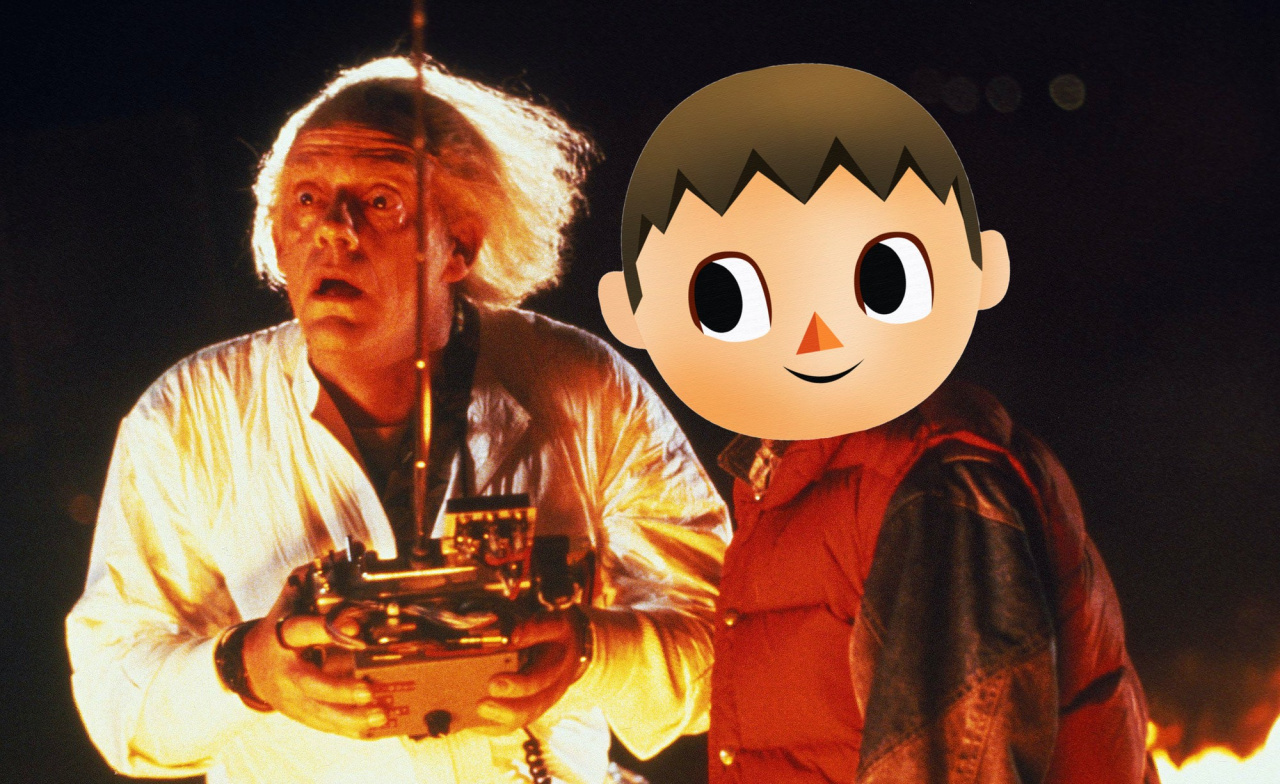
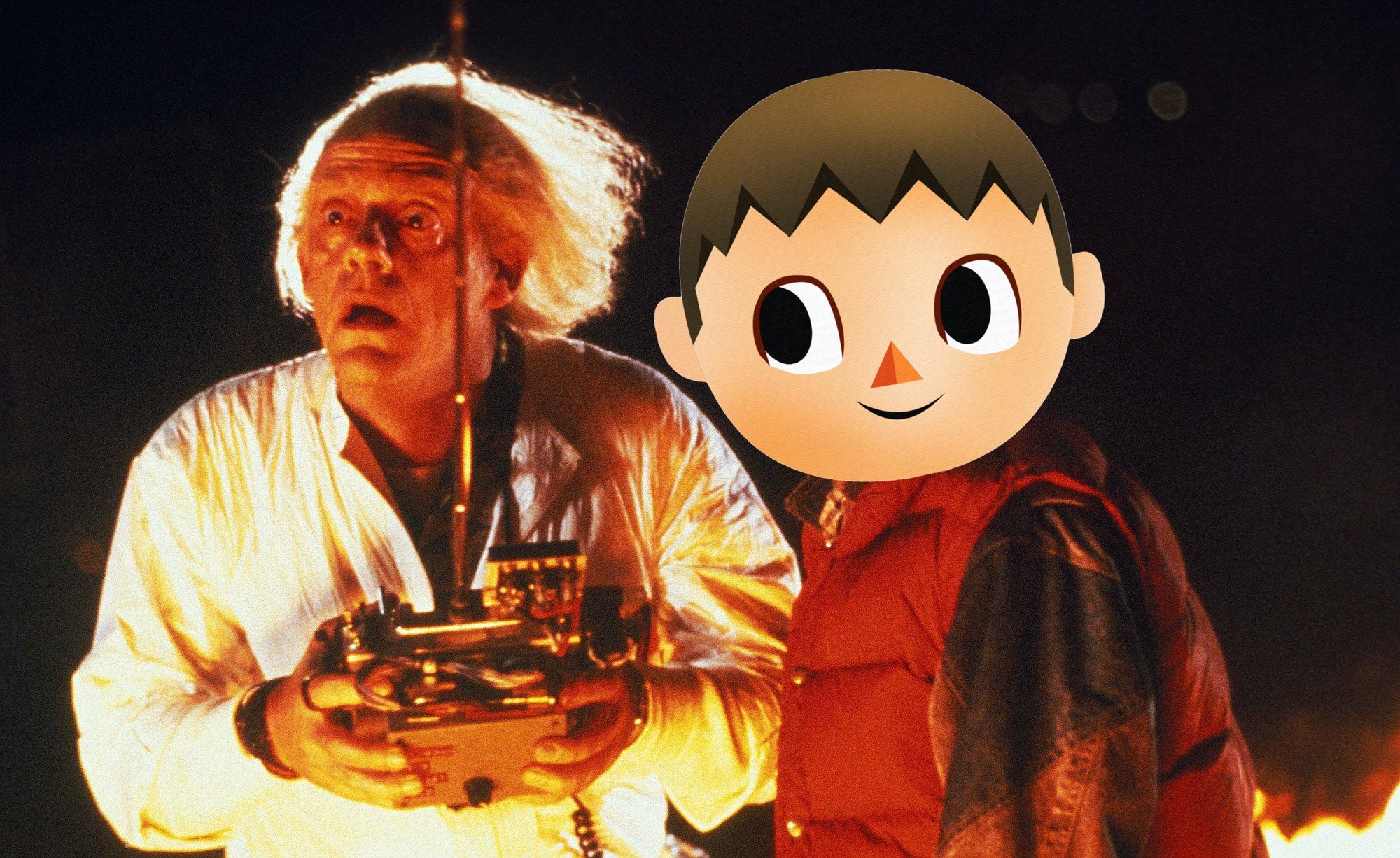
Just as Marty McFly discovered all those years ago, zipping forwards and backwards in time has serious consequences, such as neglected islanders and rotten vegetables. However, with so many of the game’s events – such as house updates and building work – taking a day to happen, the temptation to speed things up a little is almost unbearable.
So, have you felt this desire to get things moving a little faster? Perhaps you’re brave enough to admit that, when nobody else is looking, you’ve set the date on your Switch’s internal clock forward by 24 hours? Or maybe you’re such as pure-hearted individual that time travel is considered to be a crime punishable by the most horrendous penalty imaginable?
No matter where you stand, vote in our poll below and share your thoughts with a comment. We’re all friends here.
[www.indiegala.com] Combining the visually appealing with deep & fascinating narratives: a truly legendary VN Bundle. Make sure you don't miss the special 24h launch deal.
Scratchy Spring Sale Day 9: 2K Spring Sale, up to -82%
[www.indiegala.com] Be on the look-out for some huge discounts on your favorite games & ebooks + a Scratch Card with a FREE secret Steam game for every store purchase. https://youtu.be/5KdE0p2joJw
This means that CS:GO and especially TF2, might be vulnerable to outside malicious attacks just by entering public servers due to remote control access by the now made public source code: https://twitter.com/SteamDB/status/1252961862058205184?s=19
Monstrum Brings Permadeath Survival Horror To Switch Next Month
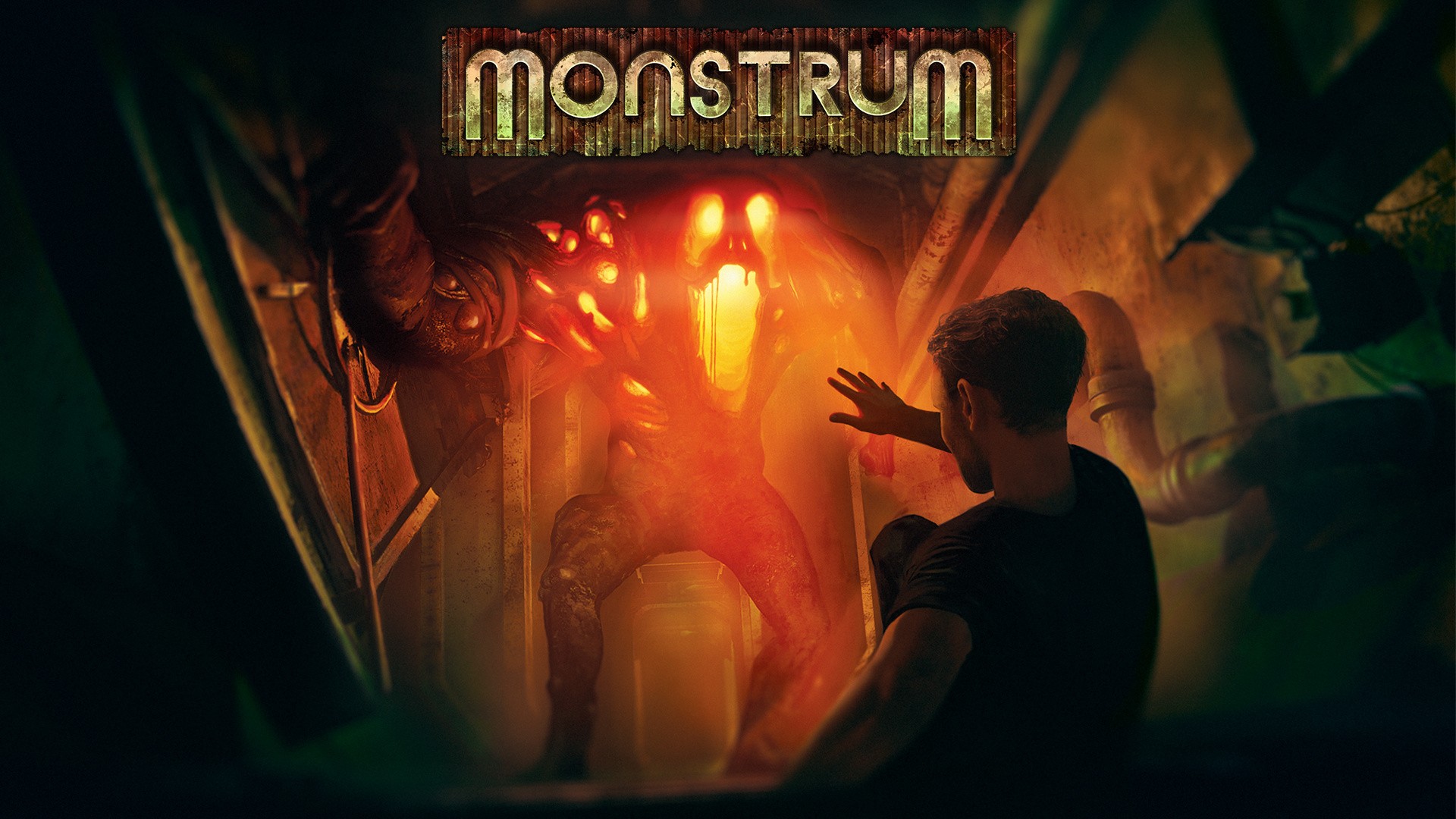
Publisher Soedesco has announced that Monstrum, a survival horror game which has been reviewed well on Steam, is coming to Switch on 22nd May.
Combining deadly AI-driven predators, permadeath and a procedurally generated world, Monstrum aims to create “a truly re-playable horror experience”. As we mentioned above, users have been singing its praises on Steam since it launched there back in 2015, giving it a ‘very positive’ rating.
It sounds like a pretty tense affair; a sneaky combo of permadeath and no save points means that once you’re killed, you’ll have to start from scratch. Here’s an official description and feature list:
Stranded on an abandoned cargo ship, you find yourself hunted by one of Monstrum’s terrifying predators; each with their own strategy, abilities, and weaknesses. You’ll have to use your wits to outsmart your pursuer within the ship’s procedurally generated environment as you search for an escape. Death is permanent; get killed and you’ll be starting all over again. Can you survive Monstrum?
Features: ● Survive a changing environment and monster with each new game ● Use whatever you can find to outwit the monsters and escape the ship ● Hide, distract, and run, but be careful not to fall into the numerous traps ● Death is permanent. Try to stay alive or you’ll have to start all over again
As mentioned earlier in the week, the physical edition of this game – and any other upcoming releases from Soedesco – are being temporarily put on hold due to the global crisis. As such, the game will only be available digitally at first.
Do you like the sound of this one? Does the idea of permadeath have you excited or terrified? Let us know with a comment.
TV Drama Peaky Blinders Is Getting Its Very Own Video Game This Summer
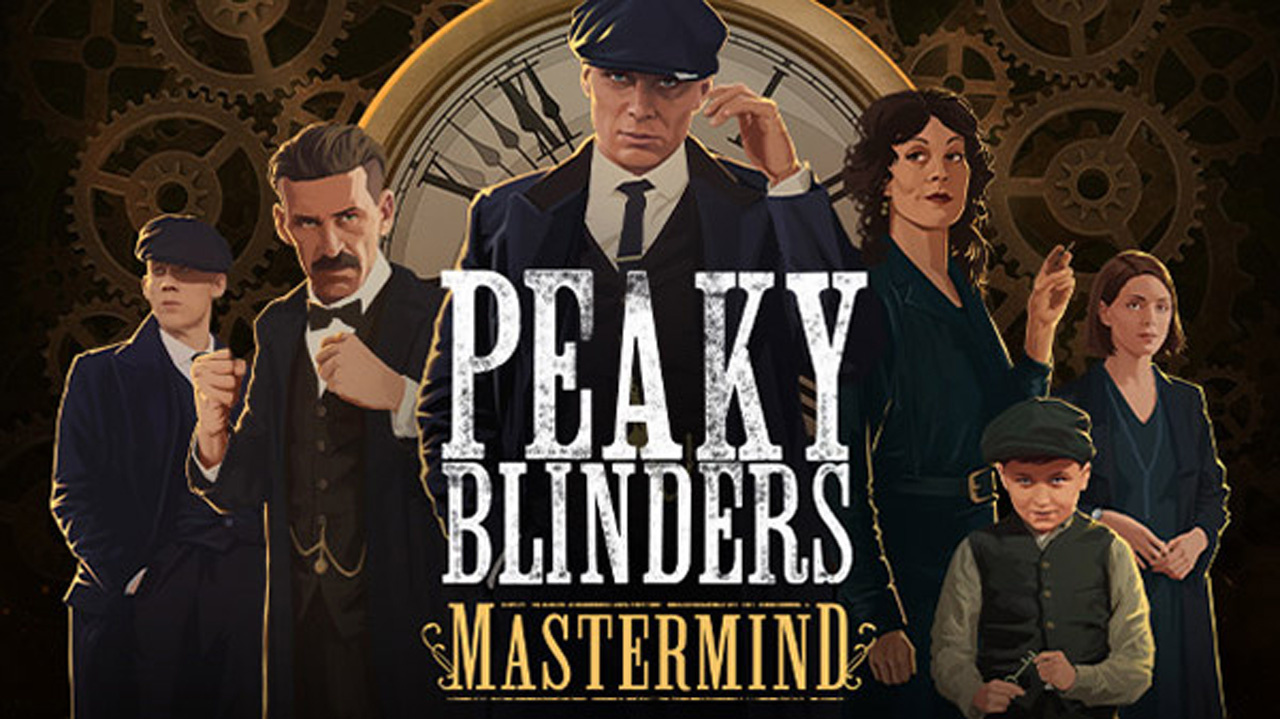
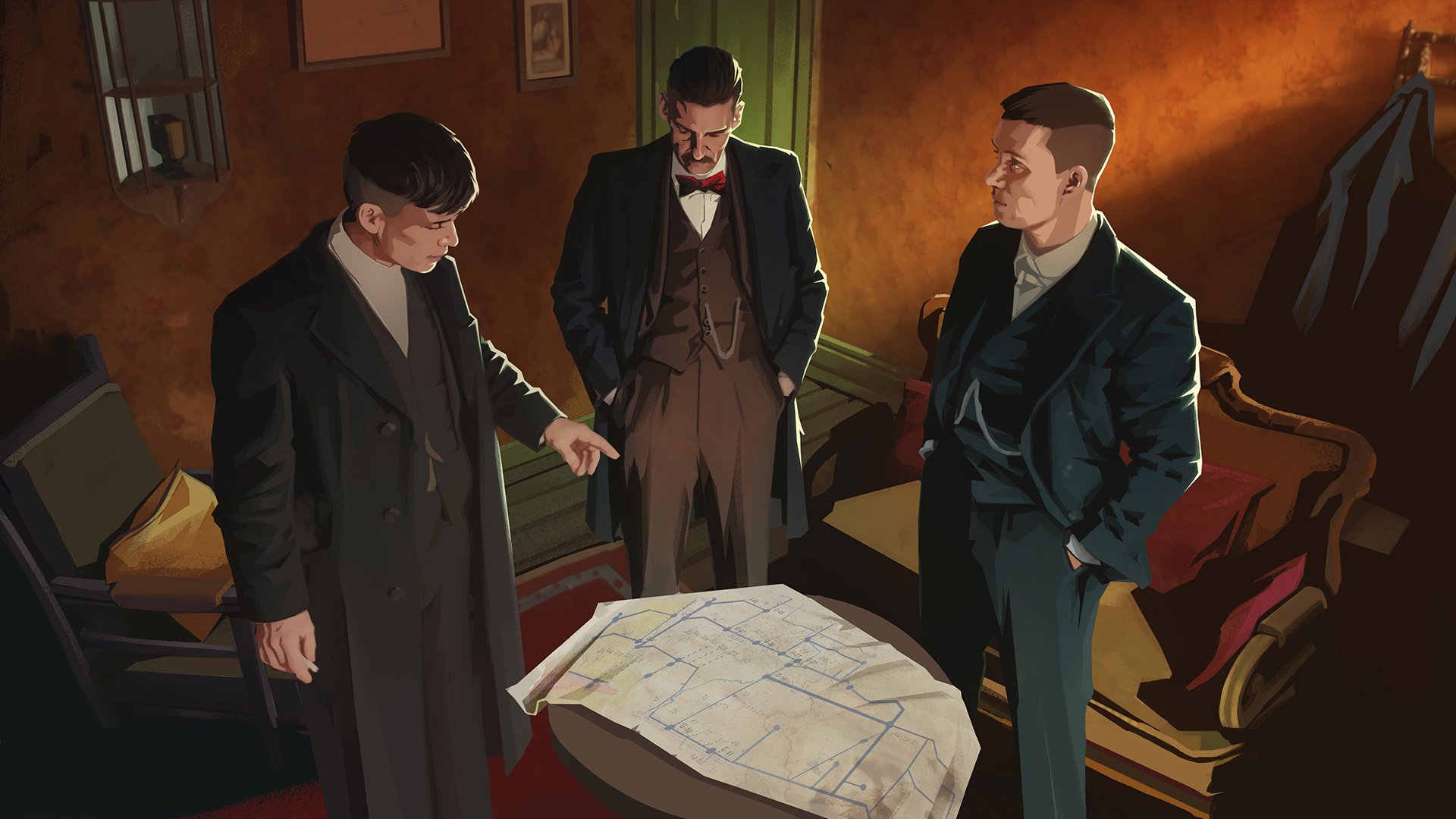
Curve Digital has revealed plans to release a video game based on hit TV drama Peaky Blinders. Called Peaky Blinders: Mastermind, it’ll be launching on Switch and all other major platforms this summer.
The game is a puzzle-adventure title set right before the events of the show’s first season. You’ll be joining the Shelby family’s criminal organisation as they discover a sinister plot to put Tommy out of business, taking control of key members from the family as you play.
James Marsden, Game Director at developer FuturLab, has shared the following:
“There’s a point in the show where Tommy Shelby explains he has no concern for the past, nor the future; all he cares about is a crucial moment he recalls the soldier’s minute.We designed our game around that idea, allowing the player to plan actions backward and forward in time, choreographing an ensemble cast of characters to synchronise their actions during these crucial moments. The player gets to feel like the smart and sophisticated leader that Tommy is, so we think becoming the mastermind will resonate with fans of the show and gamers alike.”
Here’s a quick feature list:
Witness the rise of Tommy Shelby as the true leader of the Peaky Blinders in early 20th century Birmingham
Utilise Tommy’s prowess for planning to set up complex scenarios
Control Tommy, Arthur, Polly and more on the ground as they pull off mission after mission
We don’t have an exact release date for this one just yet, but we’ll make sure to keep an eye out for more news as it arrives.
Are you a fan of the show? Do you think this game has potential? Share your early thoughts with us below.
Posted by: xSicKxBot - 04-23-2020, 08:27 AM - Forum: Lounge
- No Replies
How To Catch An Ant In Animal Crossing: New Horizons
Ants are a rare bug in Animal Crossing: New Horizons that can show up all day, all year, but require some specific conditions to catch. It's simple, but time consuming. Ants will only appear on rotting food, and there doesn't appear to be a way to make fruit rot in New Horizons, even if you leave it on the ground for weeks. Turnips are exempt from this--they're the only way to get ants to show up on your island that we know of. Here's what you need to do.
How To Catch An Ant
To catch ants in Animal Crossing: New Horizons, you need to follow this step-by-step guide:
Buy turnips from Daisy Mae
Set aside 10 turnips
Leave them for one week to rot
Catch ants that appear on the spoiled turnips
Ants trailing off of a spoiled turnip in New Horizons.
This sounds simple, but there are a few extra things to be aware of. Ants will appear on spoiled turnips as a long colony, taking bits of turnip away into an ant hill. If you miss with your net, they will scatter and disappear, but don't worry! Just leave the spoiled turnip on the ground and return later. Ants will eventually re-appear. Rain may prevent them from showing up, so if it's raining on your island, just have patience and come back when the weather clears up.
Posted by: xSicKxBot - 04-23-2020, 01:52 AM - Forum: Lounge
- No Replies
Call Of Duty Mobile Launching A $1 Million Tournament You Can Play In
Activision will be hosting a Call of Duty Mobile tournament, with more than $1 million on the line. The Call of Duty Mobile World Championship 2020 will begin on April 30 as an online esports event. The tournament is being cosponsored by Sony.
Eligible Call of Duty Mobile players who are ranked Veteran or higher in multiplayer will be able to take part in open qualifiers (Stage 1) from April 30 to May 24. You must be at least age 18 and be in good standing with the game, without any open or undisclosed violations. You also can't use any external devices that modify the game controls without the consent of the tournament administration.
To take part, just click "Sign Up" in the game and your first ten ranked matches will be used to determine your tournament points. If you reach 80 points in any weekend during the first stage, you qualify for the second stage. You'll earn rewards for registering, progression through the qualifier, and an additional reward if you qualify. Those qualifier rewards will be swapped every weekend, so even if you've already made it, it will be worthwhile to check back. Details on Stage 2 will be shared at a later date through the official site.








 An experienced League of Legends player might find it easier than a MOBA newcomer to make a Hero choice when starting Dota 2 for the first time, since they’re likely to have a preexisting set of attribute preferences [Image credit:
  League of Legends narrows down the set of Champions for new players with a free Champion rotation, thereby easing the decision making process and avoiding choice overload. [Game:
  Paragon makes it easier for novice players to decide on a hero by recommending a small set of starter heroes most appropriate to newcomers. [Game: