


UPDATE: Date corrected to May 29.
As readers may be aware, Fedora 28 recently released to great acclaim. That means Fedora 26 hits its End of Life (EOL) status on May 29, 2018. Read more here about what this means, and what steps you can take with your older Fedora systems.
After May 29, packages in the Fedora 26 repositories no longer receive any security, bugfix, or enhancement updates. Furthermore, at that point the community adds no new packages to the F26 collection.
The Fedora Project highly recommends you upgrade all systems to Fedora 28 or Fedora 27 before the EOL date. Upgrades are an easy way to keep your system setup while you move to the latest technology.
Looking back at Fedora 26
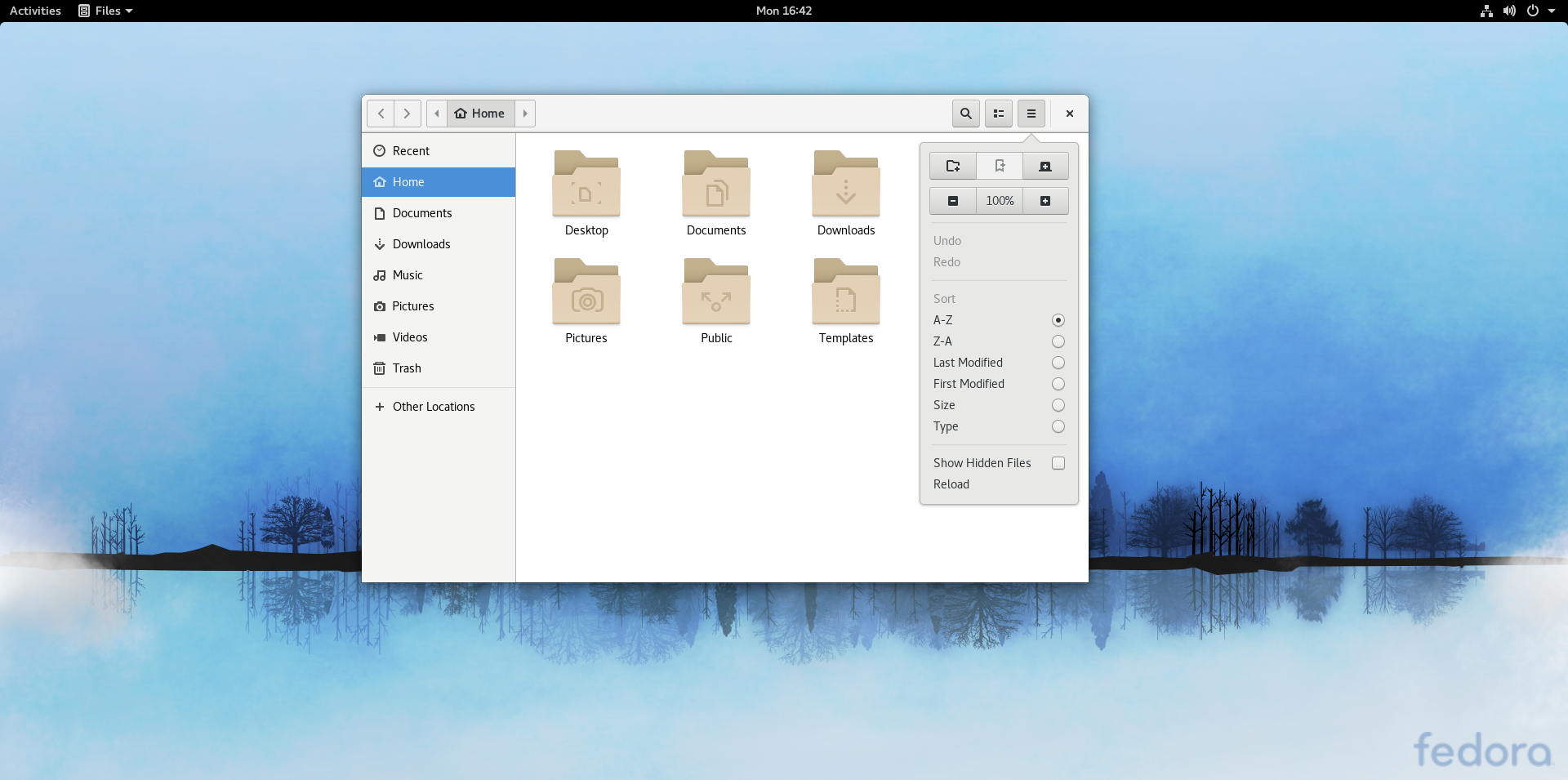
Fedora 26 was released in July 2017. During its lifetime, the Fedora community published nearly 10,000 updates to the F26 repositories. Fedora 26 Workstation featured version 3.24 of GNOME. The release also carried numerous improvements and highlights:
- A new partitioning tool in Anaconda for expert setup
- DNF 2.5 with new software management capabilities
- The Python Classroom Lab which helps educators introduce students to the latest technology
About the Fedora Release Cycle
The Fedora Project provides updates for a particular release until a month after the second subsequent version of Fedora is released. For example, updates for Fedora 26 continue until one month after the release of Fedora 28. Fedora 27 continues to be supported up until one month after the release of Fedora 29.
Since Fedora 28 released on time on May 1, 2018, Fedora 26 reaches EOL even though it’s been around less than 11 months. So if that lifecycle seems shorter than usual to you, you’re right!
The Fedora Project wiki contains more detailed information about the entire Fedora Release lifecycle. The lifecycle includes milestones from development to release, and the post-release support period.