Random: 8BitDo’s Xbox Cloud Gaming Controller Sure Looks Familiar
Peripheral maker 8BitDo has been producing amazing controllers for quite some time now, and has never made any secret of the fact that it borrows heavily from Nintendo’s school of hardware design. In fact, many of its pads – including the SN30 and NES30 – are based on Nintendo controllers, a fact that has made them beloved of Switch fans, as they can be used with that console, too.
8BitDo has now lifted the lid on its officially-licenced xCloud wireless pad, which is intended for use with Microsoft’s cloud-based gaming platform, currently known as Project xCloud. The pad works via Bluetooth with Android phones and tablets, and offers 18 hours of battery life, as well as button mapping and stick and trigger sensitivity. A clip allows you to use it with your phone. 8BitDo is also offering a smartphone clip that works with the Xbox One or Elite controller.
As you can see from the images, the pad design rings a bell – it’s based on the brilliant SN30 controller, which, in turn, is based on the iconic SNES pad. 8BitDo has added its own design elements, of course – such as the dual analogue sticks, two additional shoulder buttons and a big Xbox logo – but Nintendo’s DNA runs through the design regardless, which at least means xCloud users are assured of a comfortable gaming experience.
The strategic funding round was backed by investors including M7 Asia, Mind Fund, and others, which have all entered into unsecured a convertible promissory note agreement with Animoca.
The Crazy Defense Heroes and Beat Quest developer explained the capital will support an potential IPO, which would see it spin off the assets of nWay, Pixowl, TSB Gaming, and Quidd Inc. on Euronet or other public exchange.
Animoca has spent the past few years expanding its business with a number of weighty acquisitions, the most recent of which saw it nab Power Rangers: Legacy Wars developer nWay for $7.69 million and digital collectibles marketplace Quidd for $5 million.
Posted by: xSicKxBot - 07-07-2020, 05:43 AM - Forum: Lounge
- No Replies
Game Discoverabilityland: The Season Of Discovery
The following blog post, unless otherwise noted, was written by a member of Gamasutras community. The thoughts and opinions expressed are those of the writer and not Gamasutra or its parent company.
So, time for the next weekly ‘Game Discoverabilityland’ newsletter. As per normal, this round-up is going to be flitting around a whole bunch of relevant ‘summer season’ topics in a swift fashion.
I hope you’re hanging in there OK, by the way. I know there’s a lot going on in the real world. So I appreciate you taking time to read my thoughts about doing what we all love: making video games that elicit goofy, beautiful, and dumb emotions in people. Sometimes all at once. Aaand, onward to the info….
Xbox gets Summer Games Fest demos too!
Xbox is proud to reveal that our Summer Games Fest Demo Event will be live on Xbox One from July 21 to July 27. Details here: https://t.co/RoTcx957jo
As anyone who has an upcoming Xbox One game probably knows, Microsoft has teamed up with Geoff Keighley to offer an Xbox version of the Summer Game Fest demo showcase that already took place on Steam.
Sounds like there will be at least 60, and maybe 75-100 game demos available in the July 21st-27th showcase. Here’s a couple of notable points from the Microsoft write-up:
“Many of these demos are early, and some are for games that won’t be out for quite some time. We’ve never done this before… In other words, think of these as akin to “show floor demos” and not necessarily indicative of the final product.”
“These demos will only be up on the Xbox Dashboard for a week. Some might be re-published to the Demo channel later, but many will simply evaporate at the end of the week, so make sure to check them out while you can.”
One issue/quirk for console versions of this demo showcase is that it does put a bunch of extra strain on the game submission process (which you still need to clear for TRCs, etc.) So it’s actually quite a lot more work for Xbox. But I think it’s pretty darn cool, and looking forward to hearing – off the record, perhaps – how it goes.
iOS things – China blockers, Apple Arcade?
We haven’t been covering premium mobile games much, partly because the business doesn’t generally scale to Steam/console revenues. (F2P mobile game revenue scales WAY beyond Steam/console, of course, but that’s a whole different animal.)
Anyhow, there are a couple of notable updates around iOS games that it’s worth pointing out:
– Apple now requires you to get a Chinese ISBN to publish your paid (or IAP-including) game in the China App Store, starting July 1st, 2020. So you will now need a Chinese partner and to submit the game to the authorities – likely with a long approval delay. (I’ve heard that select premium mobile games, even indies, did very well in China. So this isn’t great, and a likely blocker to revenue success. Let’s hope we never get there with Steam, eh?)
– The subscription-based Apple Arcade service has scrapped a number of deals for Apple Arcade exclusives, as it reframes and looks for titles with stronger engagement/hook. The service has been giving carte blanche – and great $ deals – to independent and medium-sized devs. So it’s a shame for those affected.
Am guessing the choice of boutique-style games for Apple Arcade – high quality, critically acclaimed, ‘slightly artsy’, more than hook-heavy – has not been a subscription hit for them so far. Some say this is another bad sign for short, sweet titles. Perhaps so.
Alternatively, it may be more of a portfolio rebalancing, since Apple still has plenty of other intriguing-looking games with active deals. So we’ll see. Personally, I’d love to see a better balance of games, since the titles I played the most on Apple Arcade (What The Golf?, Cricket Through The Ages) are definitely on the shorter-play but hookier side.
Hype to sales: a logical ratio?
Following up from my recent data-crunching on your first-week Steam sales compared to launch wishlists, I did end up making an additional graph out of the data, as follows (Y axis is logarithmic, line of fit is polynomial, nerds):
New graph: here’s how 50 Steam games sold in their first week, compared to the dev’s rating of their pre-release ‘hype’/interest on a 0-10 scale. (Data via: https://t.co/M7djcx2rFu.) pic.twitter.com/jei1OjkDBS
The results may seem obvious – the better pre-launch interest, the better sales on average, albeit with major outliers. But it’s interesting because some of these games rated 1 or 2 on pre-launch hype definitely had a lot (>10,000) of wishlists, but still sold poorly.
So this suggests that developers should pay attention to how much interest their game is getting, and not (solely) your wishlists. Wishlists can be highly misleading in isolation. Bottom line: you can’t sit back and relax after a bunch of wishlists, if you don’t know how convertible they are.
[And I know there’s an inherent bias in this pre-launch hype data, since devs were asked to provide it _after_ they knew how well the game had done. I’ll look for other, better metrics.]
Why? Ryan’s streams are the video version of what I do here (empirical but non-moneygrabby careful analysis of the market). And his studio’s games(Crypt Of The Necrodancer, Industries Of Titan, Cadence Of Hyrule, Phantom Brigade) are proof that his well-planned business strategy actually works, and he wants to tell others about it.
[embedded content]
Moving on, here’s the rest of the goodness:
Sony has a new PlayStation Indies initiative which is looking to highlight (and I presume give marketing/store support to!) great-looking PS4 and PS5 indies. Since publicity is oxygen to indies, this is much appreciated – full list of initially showcased games at bottom of the linked post. Also notable: “a new indie title will join the PlayStation Now [streaming] service every month.”
Kitfox’s Victoria Tran has written a great post about using TikTok to promote her studio’s games (and generally be light-hearted). So far she thinks: “Amazing platform to engage with a new audience, maybe good for mobile games, but do not rely on it for any sort of conversion for your PC/console game.” But read the whole thing!
There were 142 games released digitally on Nintendo Switch in June 2020, according to Thomas Bidaux. That’s the biggest ever release month for Switch with the exception of October 2019, and up nearly 40% year on year (though most of last year was floating between 100 and 120 games per month.) Interesting.
Did you know that Nintendo Switch games that cost 1 cent are excluded from the Switch charts in North America, but ones that cost 3 cents are not? Now you do. (Yes, I’m spending too much time staring at the Switch charts recently.)
"It's a tough one to swallow," Theron told THR. "Listen, I fully respect George, if not more so in the aftermath of making that film with him. He's a master, and I wish him nothing but the best. Yeah, it's a little heartbreaking, for sure. I really love that character, and I'm so grateful that I had a small part in creating her. She will forever be someone I think of and reflect on fondly. Obviously, I would love to see that story continue, and if he feels like he has to go about it this way, then I trust him in that manner. We get so hung up on the smaller details that we forget the thing that we emotionally tap into has nothing to do with that minute thing that we're focusing on."
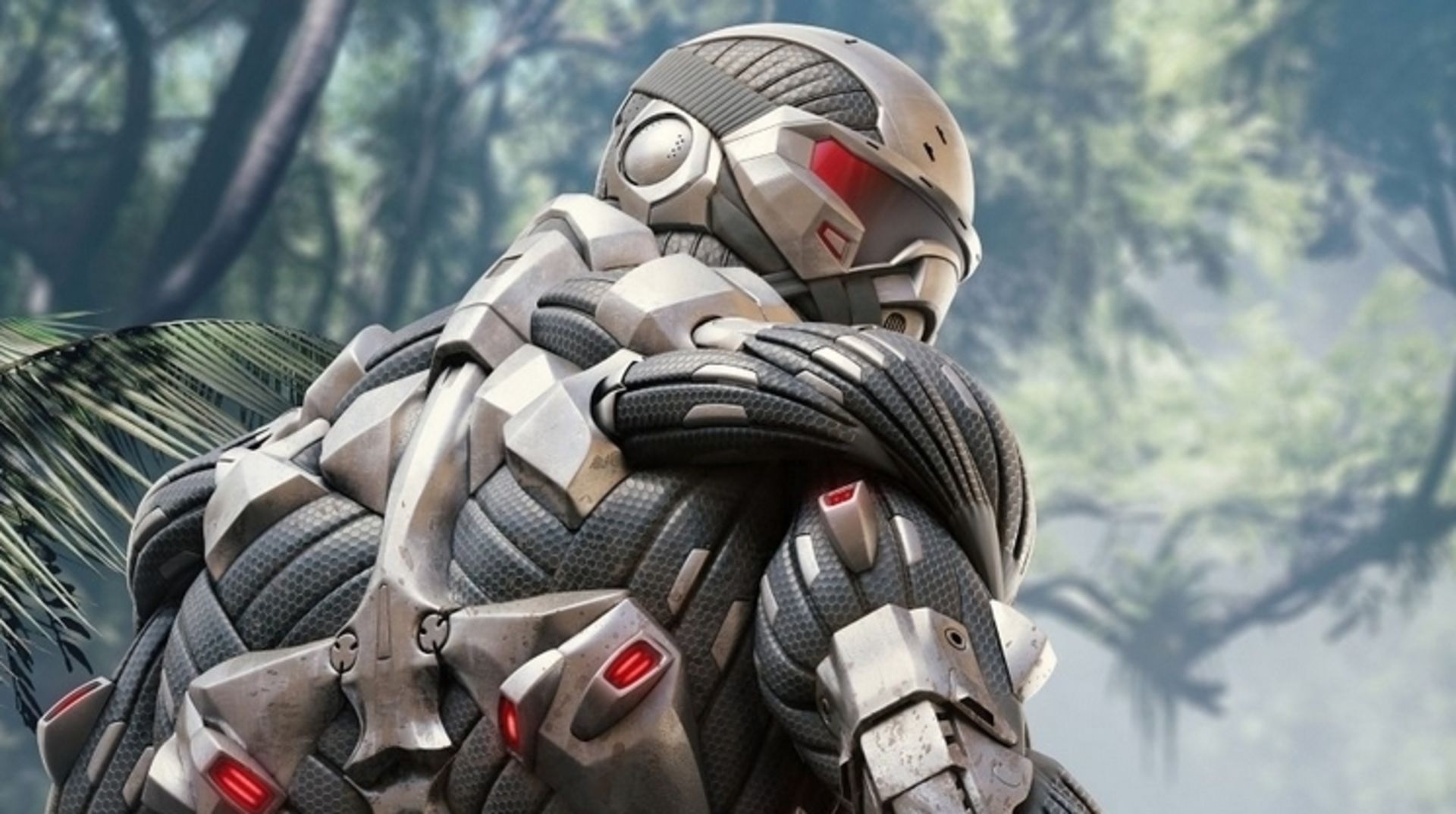
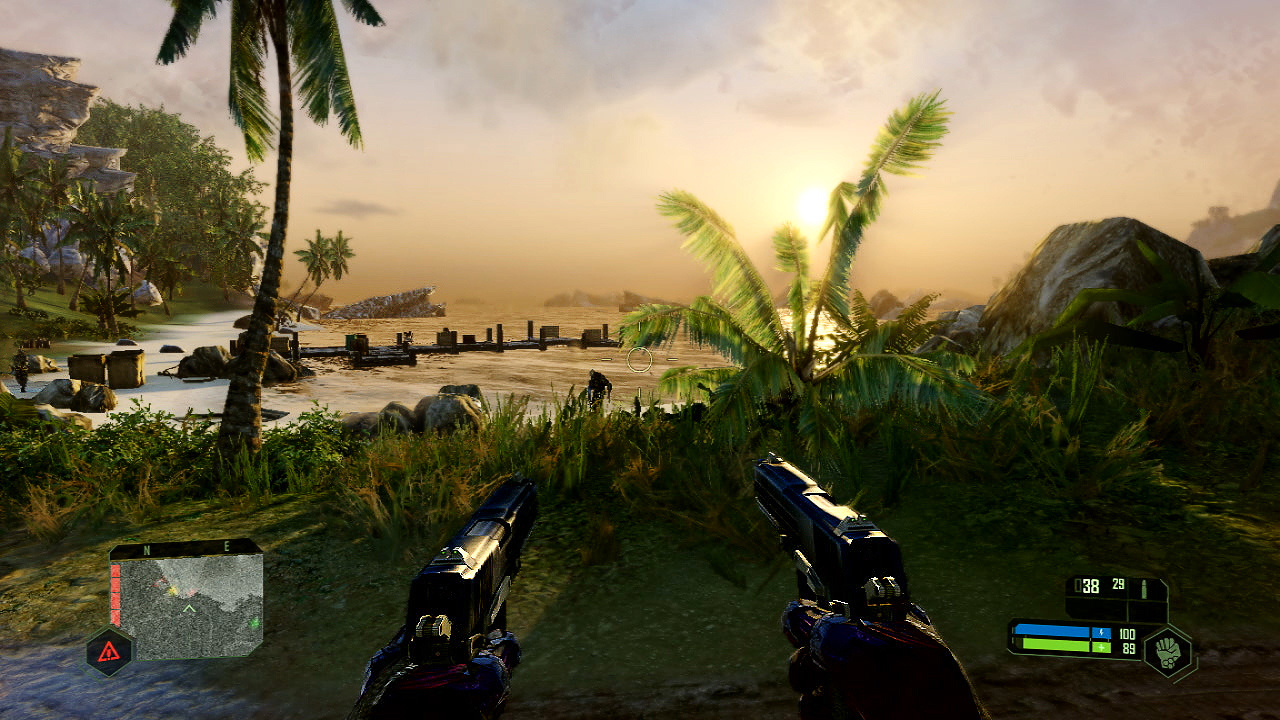
The reason it’s been pushed back is so the developer can polish it up a little more and deliver a “high quality” experience the fans expect. One additional detail you might be interested to know about is the game’s Switch eShop file size. According to the latest Nintendo listing, it’ll supposedly require 6.2GB of free space. Here’s the trailer for this version of the game:
When Crysis Remastered does eventually arrive, it’ll be priced at £26.99 / $29.99 – will you be making some space for it on your home menu? Leave a comment down below.
New Video Shows Thwomp In Action At Super Nintendo World
Super Nintendo World’s opening in Japan might have been delayed, but that hasn’t stopped enthusiastic members of the public from uploading new footage of the park to various social media platforms.
Earlier in the week, we got a fantastic close-up shot, and while characters like Yoshi were moving and even coins and Koopa shells were spinning about, Mario’s enemies such as Thwomp were still lifeless. In this latest video, though, we’ve now got a glimpse of this particular enemy in action, courtesy of the Twitter account @chizuoo.
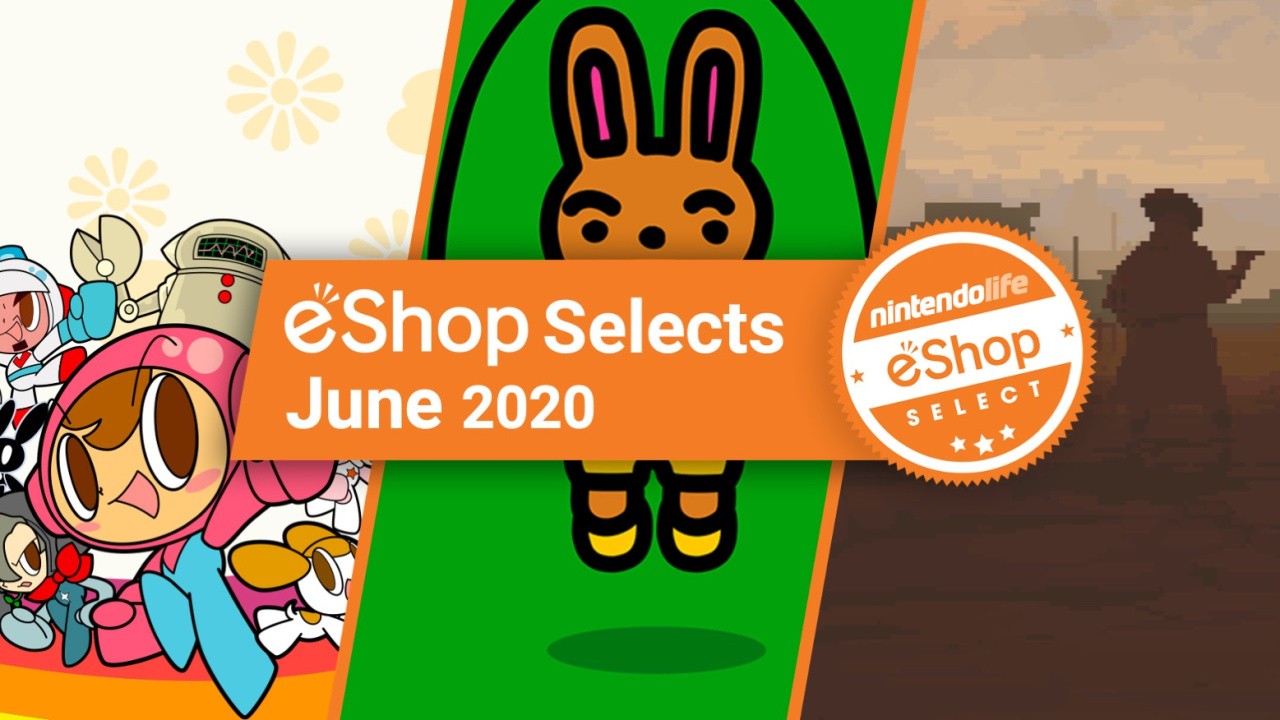
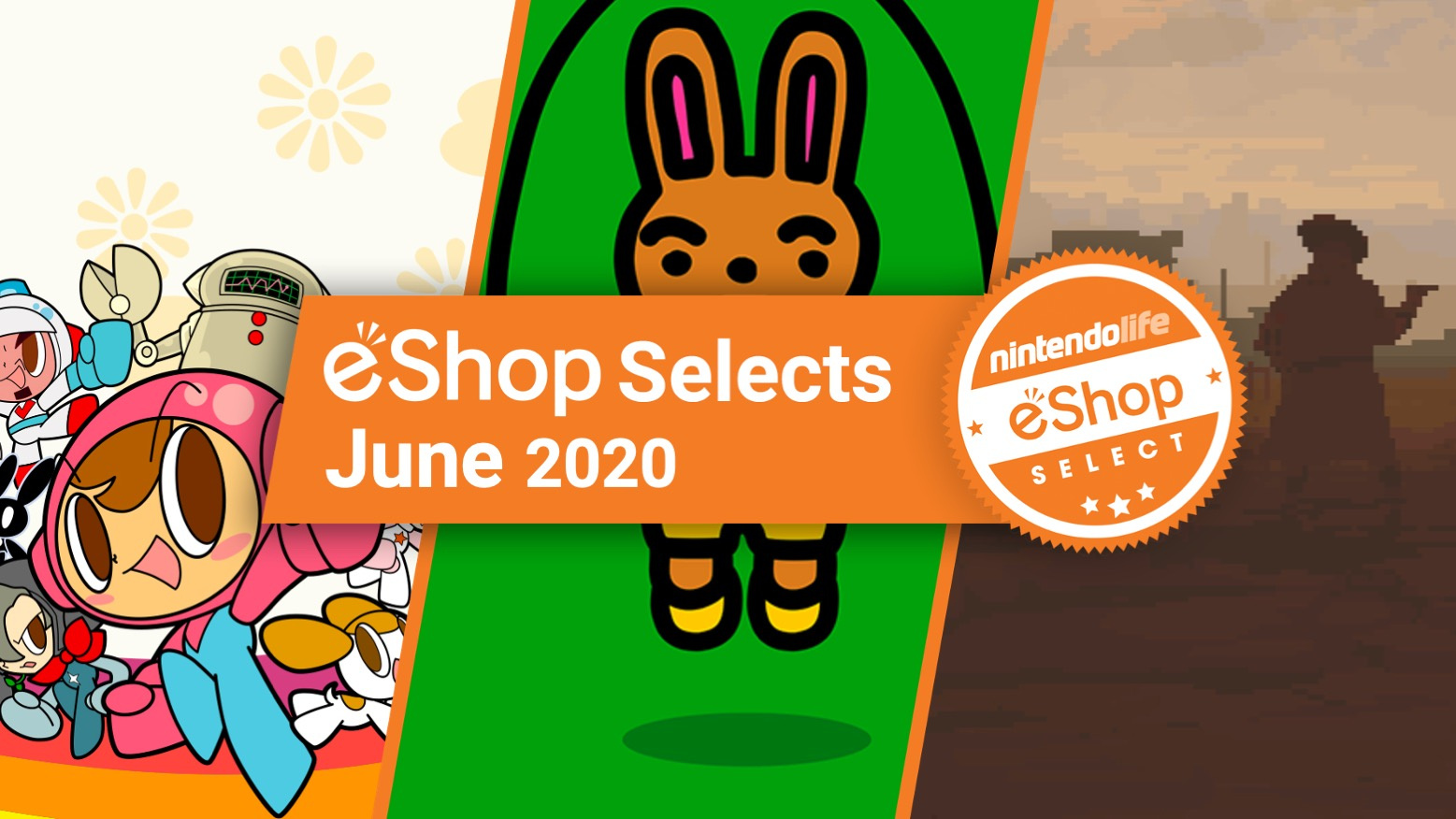
With June done and dusted, we now find ourselves halfway through what has been an eventful, and tough year. Thankfully, one small silver lining is that wonderful video games are still flying at us from every direction, including a number of lovely options on the Switch eShop.
These awards aim to celebrate the best of Nintendo’s digital store, giving some love and attention to the games that could so easily be missed in the Switch’s ever-growing library.
So, let’s get started! Here are the best Switch eShop games of June 2020!
Honourable Mentions:
While these titles didn’t quite make our top three this month, they’re still certainly worth checking out.
Publisher: Headup Games / Developer: Retrific
Release Date: 16th Jun 2020 (USA) / 16th Jun 2020 (UK/EU)
Taking third place this month is Colt Canyon, a twin-stick roguelike that won us over with its fluid, addictive gameplay. In our review, we noted that its rhythmic action can be compared to titles like Hotline Miami, and it regularly manages to bring about that thought of ‘oh, just one more go’.
Procedurally-generated levels aren’t everyone’s cup of tea, but even if you’re not usually a fan of the roguelike style, this one’s fairly open level structure might just win you over, too. Check it out!
Publisher: Bandai Namco / Developer: Bandai Namco
Release Date: 25th Jun 2020 (USA) / 25th Jun 2020 (UK/EU)
In second place we have Mr. Driller: DrillLand, a Switch rerelease of a Japanese-exclusive GameCube title we never thought we’d see arrive in the west.
If you’re unfamiliar, Mr. Driller is a puzzle series that was all the rage in the early 2000s and, just like Tetris, is still just as playable to this day. It’s perfect for those quick ten-minute bursts on the commute and just as enjoyable in a lengthy three-hour session, naturally making it a perfect fit on Switch and well worth picking up. As we said in our review, 18 years have passed since it first appeared on GameCube, but it hasn’t aged a single day.
Publisher: Nintendo / Developer: Nintendo
Release Date: 15th Jun 2020 (USA) / 16th Jun 2020 (UK/EU)
Taking this month’s top prize, though, is none other than Jump Rope Challenge, Nintendo’s quirky eShop title that appeared out of absolutely nowhere.
The game was created by a small group of Nintendo developers as a way of keeping themselves active during lockdown, but it seems someone at the company thought that we’d all love to play it, too. And they were right. Maybe it’s because it’s so simple, or maybe it’s because it’s completely free, but something about this cute little health-based game truly won us over this month.
If you haven’t already, you may as well go ahead and download it as we speak. For the low price of nothing, you and a friend can jump in and work towards getting a little more exercise into your daily routine. What’s not to like?
How we decide our eShop Selects top three: As we reach the end of every month, the Nintendo Life staff vote on their favourite titles from a list of games selected by the editorial team. To qualify for this list, these games must have been released primarily as a digital Nintendo Switch eShop title in that particular month, and must have been reviewed on Nintendo Life; we select the qualifying games based on their review scores.
Staff are then asked to vote for three games that they think deserve to sit right at the very top of that list; first choice gets 3 points, second choice gets 2 points, and third choice gets 1 point. These votes are then tallied to create a top three list, with the overall winner taking that month’s top prize.
Sony Uses Many Robots To Make A New PS4 Every 30 Seconds
A new report from Nikkei's Asian Review offers a behind-the-scenes look at Sony's PlayStation manufacturing plant in Japan. One of the most notable takeaways is that the process of making a PlayStation console is now largely automated--that's right, robots are building game consoles.
The report says this advanced automation allows the PlayStation manufacturing plant in Kisarazu to assemble one PlayStation 4 console every 30 seconds.
There are humans involved in the process in a limited capacity--two humans put bare motherboards on the assembly line, and two others package the final consoles once they're made.
Posted by: xSicKxBot - 07-06-2020, 09:09 AM - Forum: Python
- No Replies
How to Create a Python List of Size n?
To create a list of n placeholder elements, multiply the list of a single placeholder element with n. For example, use [None] * 5 to create a list [None, None, None, None, None] with five elements None. You can then overwrite some elements with index assignments. In the example, lst[2] = 42 would result in the changed list [None, None, 42, None, None].
Let’s play with an interactive code shell before you’ll dive into the detailed solution!
Exercise: Initialize the list with n=20 placeholder elements -1 and run the code.
Next, you’ll learn about the more formal problem and dive into the step-by-step solution.
Problem: Given an integer n. How to initialize a list with n placeholder elements?
n = 5

lst = [None] * n

print(lst)

# [None, None, None, None, None]
You can modify the element n as you like. In subsequent operations, you can overwrite all placeholder None list elements using simple index assignment operations:
In the following visualization, you can see how each element now refers to an independent list object in memory:
Exercise: Run the visualization and convince yourself that only one element is modified! Why is this the case?
Where to Go From Here?
Enough theory, let’s get some practice!
To become successful in coding, you need to get out there and solve real problems for real people. That’s how you can become a six-figure earner easily. And that’s how you polish the skills you really need in practice. After all, what’s the use of learning theory that nobody ever needs?
Practice projects is how you sharpen your saw in coding!
Do you want to become a code master by focusing on practical code projects that actually earn you money and solve problems for people?
Then become a Python freelance developer! It’s the best way of approaching the task of improving your Python skills—even if you are a complete beginner.