Rider is a .NET IDE by JetBrains, currently heavily focused on Unity game developers. Recently JetBrains launched a early preview of Rider For Unreal Engine. Wait a minute you might say… isn’t Rider for C#, while CLion is their C++ IDE, and isn’t C++ the primary language for Unreal Engine developers. Why yes, you are correct astute reader. JetBrains however are focusing Rider toward game developers, which includes C++ and to a lesser degree Blueprint support, in addition to C#/.NET support that already exists in rider.
The top 5 reasons to choose Rider according to JetBrains:
1.
A Fast IDE with native C++ support
Rider is powered by ReSharper C++, which offers native and cutting-edge support for modern C++. Users are helped daily by its 250+ code inspections, 50+ context actions, solution-wide refactoring, and code generation abilities.
This is all combined with the IntelliJ Platform’s solid IDE features, such as super-fast navigation, integrated version control, and extensive plugin support. Rider provides this rich feature set without compromising speed or responsiveness.
2.
Knowledgeable about Blueprints
Rider for UE4 doesn’t just work with your C++ code. It also reads the Blueprints (BP) from your project and the Unreal Editor, along with plugins from both. This allows Rider to show the usages in BP files, as well as the values of the overridden properties. When navigating to BP objects, Rider opens them in the Unreal Editor.
3.
Assists with the reflection mechanism
UE4 reflection macros are more than just simple text! To speed up the process of game development, Rider provides code completion for reflection specifiers and shows the documentation in the Quick Documentation popup.
4.
Takes care of the UE4 code style
Rider accommodates UE4 naming conventions across all its actions, which helps keep your code easy to read. Inconsistent UE4 naming inspections detect names that don’t follow the rules and suggest a quick fix.
5.
Profound code analysis & RPC support
Rider ensures that your UE4 code is accurate with the help of specialized UE4 inspections for missing or incorrectly set UE4 reflection macros. Similarly, code navigation and generation actions are set up to deal with UE4 Remote Procedure Calls correctly.
If you want to check out Rider for Unreal Engine, the signup is available here. You can learn more about Rider for Unreal Engine and see it in action in the video below.
Configuring Azure Services and emulators using Visual Studio
Angelos
May 6th, 2020
Starting with Visual Studio 16.6 Preview 2 the Connected Services tab offers a new experience called Service Dependencies. You can use it to connect your app to Azure services such as Azure SQL, Storage, Key Vault and many others. Wherever possible local emulation options are also available and more are planned for the future.
Add a new Service Dependency
You can easily and quickly get the right NuGet packages, start-up code and configuration added to your project for every supported Azure service. You simply click add, pick the service from the list and follow the 2-3 steps in the wizard. Here is an example of adding Azure Cosmos DB
Provision a new instance of an Azure service without leaving the IDE
In the above example we re-used an existing instance of Azure Cosmos DB, but you can also create new instances of all the supported Azure services without leaving the IDE. Here is Azure Cosmos DB again as an example of provisioning Azure resources from within Visual Studio
Configure service dependencies for remote environments
Using Visual Studio to publish your app to Azure App Service gives you the opportunity to configure these dependencies for the remote environment you are publishing to. Right click > Publish on your project in Solution Explorer and go through the wizard to create a new publish profile for Azure App Service. At the end you will see a Service Dependencies list already containing all of your application’s dependencies ready to be configured for this remote environment
How it works under the covers
To support all of this Visual Studio creates two new files visible in Solution Explorer under Properties called serviceDependencies.json and serviceDependencies.local.json. Both of these files are safe to check in as they do not contain any secrets.
Visual Studio also creates a file called serviceDependencies.local.json.user which is not visible in Solution Explorer by default. This file contains information that could be considered a secret (e.g. resource IDs in Azure) and we do not recommend you check it in.
Service References
While working on the Connected Services tab we took the opportunity to consolidate our UX and make it the new home for the existing OpenAPI & gRPC Service References table. With everything being in one place now we have routed the Right Click > Add > Service Reference… context menu item in Solution Explorer to the consolidated Connected Services tab.
Feedback
Please give all of the above a try and let us know what you think. Do you wish we supported a feature or Azure service that we don’t already? Please let us know! You can submit a new feature suggestion, leave us comments on this post and report any issues you may encounter using the built-in tools.
Rumored ‘Powerbeats Pro 2’ could be minor update to Powerbeats Pro
By Mike Peterson Thursday, May 07, 2020, 01:54 pm PT (04:54 pm ET)
A pair of model numbers recently discovered in multiple international regulatory filings hinted at a next-generation Beats headphone, but new information suggests the device may actually be related to an existing product that’s already in circulation.
It’s likely that the recently discovered models with updated numbering are largely similar to Apple’s current Powerbeats Pro.
In April, the FCC approved what appeared to be new Apple earphone models, A2453 and A2454, which suggested that an update to Powerbeats Pro was on the way. Similar filings saw approval in Malaysia and South Korea.
However, new evidence suggests that the model numbers reference a minor internal update that will be launched — or has launched — without an announcement. Specifically, Apple’s Declarations of Conformity for the European Union already list the A2453/A2454 model numbers as current products.
Their listing on Apple’s webpage indicates that the company views the new model numbers — which individually refer to the right and left earbuds — as a current-generation product. Further, illustrations supplied with previous filings reveal an unaltered Powerbeats Pro design, the sole modification being a switch to A2453 and A2454 on the units’ regulatory declarations labels.
MacRumors reported the change to Apple’s regulatory database on Thursday.
While it’s currently unknown what changes the new models introduce, it is likely that there aren’t any major updates to public-facing specifications.
Posted by: xSicKxBot - 05-07-2020, 11:41 PM - Forum: Windows
- No Replies
Bid high, lose, try again. Amazon continues to push for a JEDI re-do
Many years ago when I was on active duty as a Marine officer in the 1980s, I went through cold weather training carrying a 1950s-era sleeping bag and “waterproof” clothing from the 1970s. At the time, I could have gone down to the local store and bought gear that would have kept me warm and dry, but alas that wasn’t yet in the USMC supply system. I was not happy about this. Also, I was cold and wet.
So when it comes to making sure the U.S. Military has the latest and best technology available, I’m a huge supporter, and the Department of Defense’s (DoD) decision to source a Joint Enterprise Defense Infrastructure (JEDI) contract to deliver the latest advancements in enterprise cloud could be a great step forward. But only if Amazon gets out of the way.
We received notice on Tuesday that Amazon has filed yet another protest – this time, out of view of the public and directly with the DoD – about their losing bid for the JEDI cloud contract. Amazon’s complaint is confidential, so we don’t know what it says. However, if their latest complaint mirrors the arguments Amazon made in court , it’s likely yet another attempt to force a re-do because they bid high and lost the first time.
The only thing that’s certain about Amazon’s new complaint is that it will force American warfighters to wait even longer for the 21st-century technology they need – perpetuating Amazon’s record of putting its own interests ahead of theirs.
This latest roadblock is disappointing but not surprising. As my colleague Jon Palmer made clear in a recent blog, Amazon wants a do-over on JEDI . As Jon wrote, “Amazon would have you believe that it lost the award because of bias at the highest levels of government. But Amazon, alone, is responsible for the pricing it offered. As the government explained in its brief: ‘AWS and Microsoft each had a fair chance to build pricing for the entire procurement, based on their overall business pricing.’ Amazon did build its pricing for the entire procurement, and it wasn’t good enough to win.”
From the DoD’s independent Inspector General’s report, to the court’s granting of a preliminary injunction, to refusing to even give the DoD a chance to address court’s narrowly scoped concerns, you have to ask, “When will enough be enough for Amazon? When will they say that they’ve been heard?”
This latest filing – filed with the DoD this time – is another example of Amazon trying to bog down JEDI in complaints, litigation and other delays designed to force a do-over to rescue its failed bid. Think about it: Amazon spent the better part of last month fighting in court to prevent the DoD from taking a 120-day pause to address a concern flagged by the judge and reevaluate the bids. Amazon fought for a complete re-do and more delay. Amazon lost. The judge granted the DoD’s request for a timeout in the litigation to address her concerns.
And now Amazon is at it again, trying to grind this process to a halt, keeping vital technology from the men and women in uniform – the very people Amazon says it supports. Why do this? Is it because the DoD won’t completely unwind the JEDI procurement process to the beginning? Again, we don’t know the content of Amazon’s complaint, as it avoids the public scrutiny of a court filing. But we do know that the changes DoD have made based on the judge’s ruling do not allow Amazon to undo its earlier business decision to bid high, which resulted in their loss. It does not allow Amazon to completely re-do its pricing, especially now that it knows Microsoft’s price and has a target to shoot at. And it does not allow Amazon to tilt the playing field in its favor.
Amazon may make a lot of noise about bias and interference, but the DoD’s independent Inspector General made it clear that the department established and followed a proper procurement process. And no one forced Amazon to bid high in the procurement. Amazon alone made the choice to bid high, but now wants to find a way to avoid the consequences of its own bad business decisions.
At the end of the day, putting the customer first is a good business strategy and one where Amazon has traditionally excelled. In this case, I think about the customer not as a singular “DoD” but as the individual soldier, sailor, airman or Marine who wants and deserves the very best tools to do their job. And the best way Amazon can put these customers first is to stand down on its litigation, stop asking for a do-over and let JEDI proceed.
The Fedora Classroom is a project to help people by spreading knowledge on subjects related to Fedora for others, If you would like to propose a session, feel free to open a ticket here with the tag “classroom.” If you’re interested in taking a proposed session, kindly let us know and once you take it, you will be awarded the Sensei Badge too as a token of appreciation. Recordings from the previous sessions can be found here.
We’re back with another awesome classroom on IRC 101 led by Pac23.
About the Session: A Beginners Guide to Internet Relay Chat
In short, the IRC 101 session will be a guide for newcomers on how to get started with IRC with the Fedora community and hang out with other contributors in IRC. After finishing the session you will have the knowledge to setup your IRC client and start communicating with other Fedora people.
Pac23’s been around in the Fedora community and contributing to the project for around a year. He’s started with volunteering to package a custom kernel. He’s also a Computer Engineering undergrad at the University of Mumbai. His interests mostly reside in DevOps, IoT & system design. Outside computer science, he loves traveling, airplanes and history. He can be found as pac23 in IRC channels including #fedora-neuro, #fedora-devel, and #fedora-kernel.
If you miss the session, no worries. The recording will also be uploaded in the Fedora Project‘s YouTube channel.
We hope you can attend and enjoy this experience from some of the awesome people that work in Fedora Project. We look forward to seeing you in the Classroom session.
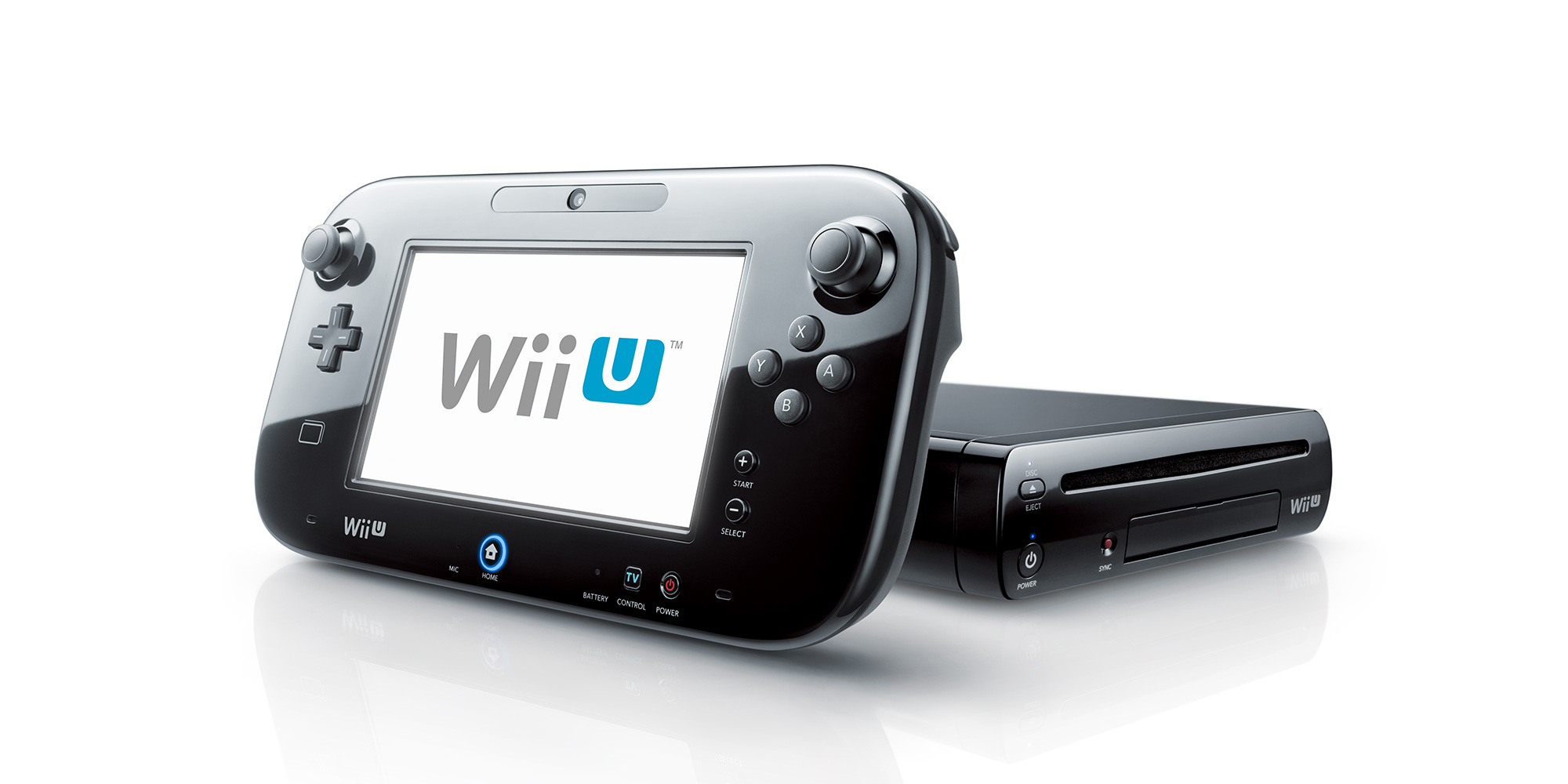
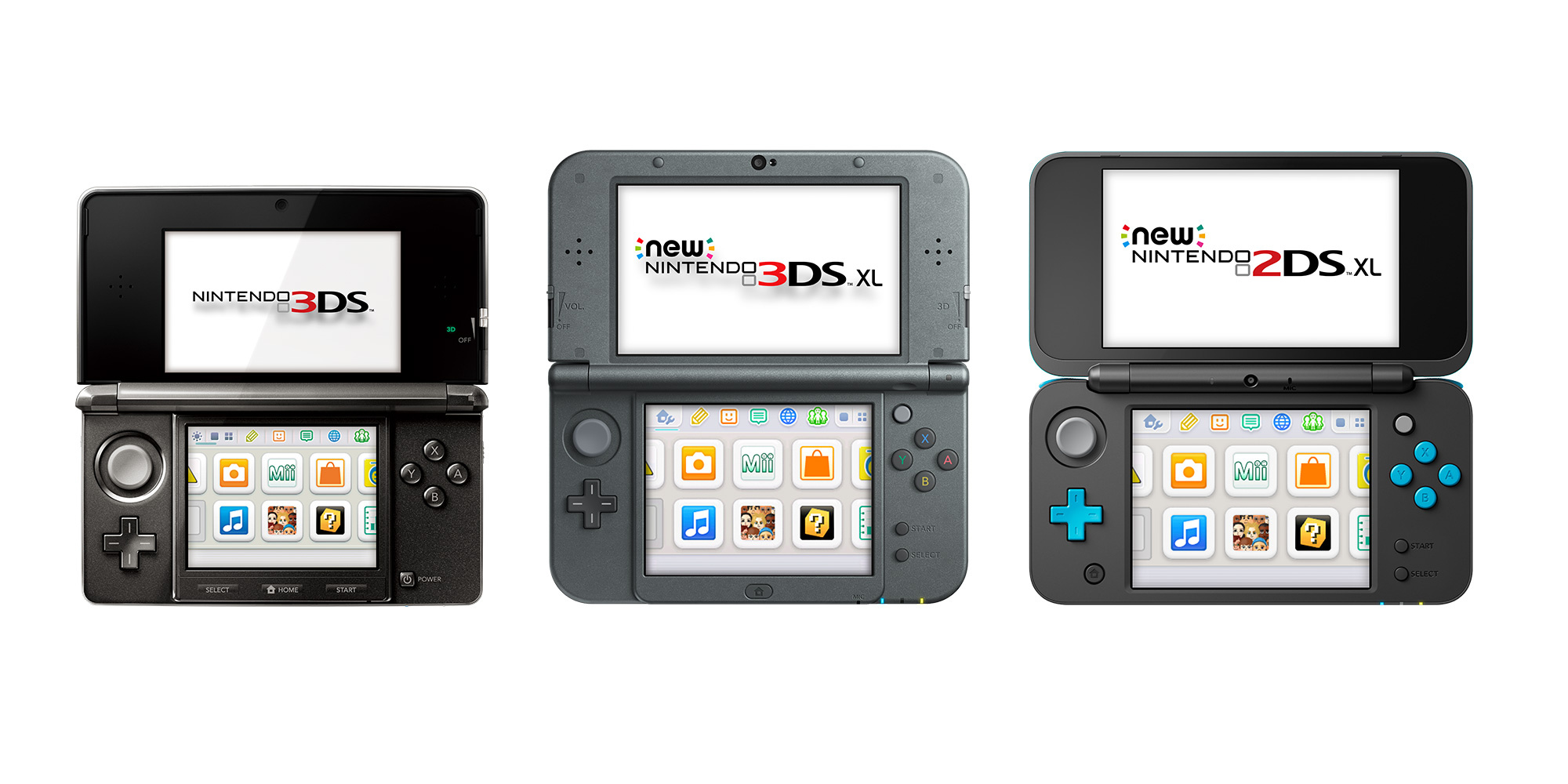
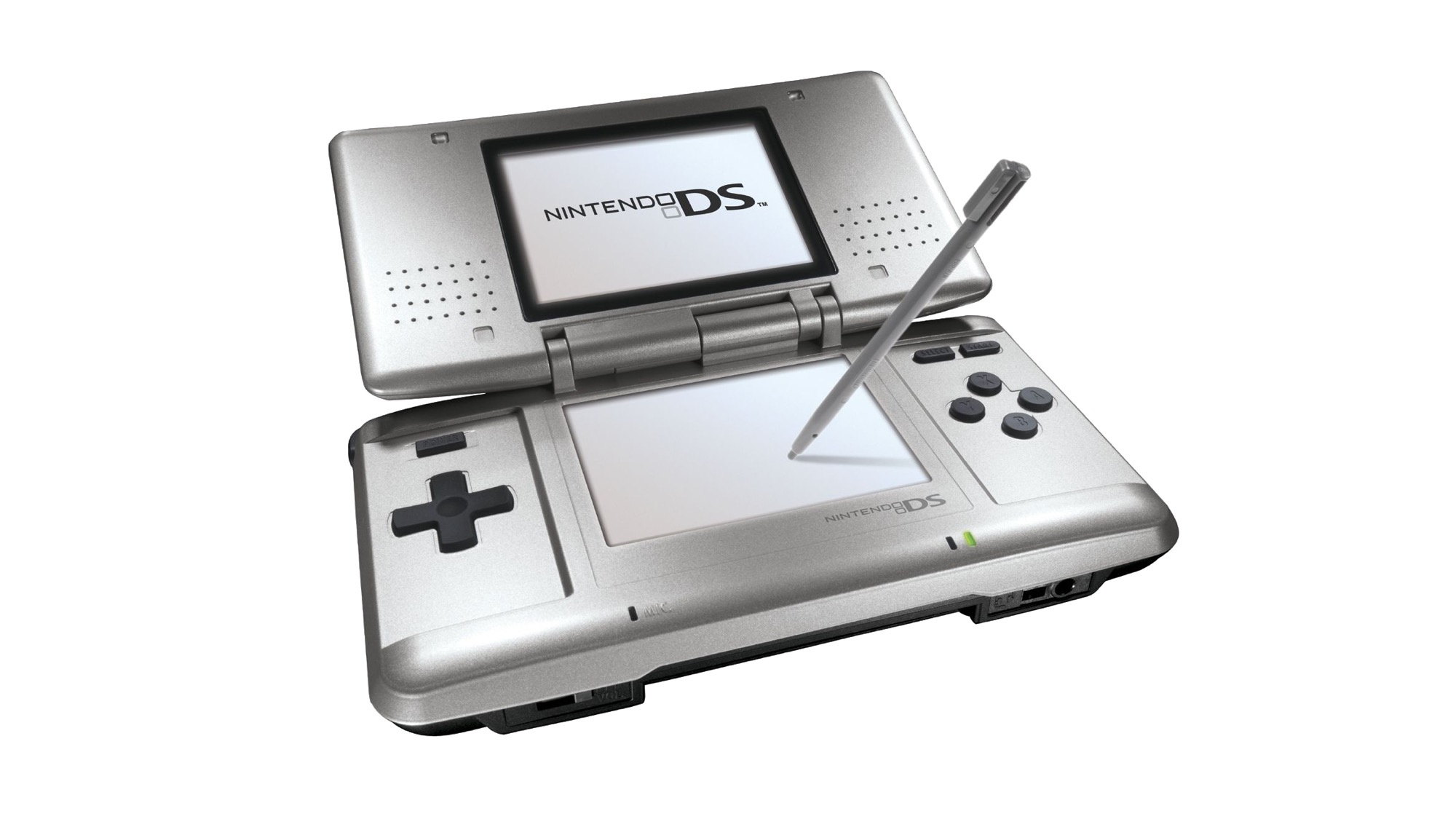
Well, as it happens, Nintendo has also provided updated lists for each of these consoles, and while the standings below have seen very little change over the past few months, some of the more popular titles have continued to creep up ever so slightly.
You’ll notice that as well as being the best-selling Switch game, Mario Kart sits right near the very top of every single list here. The series has well and truly cemented itself as one of Nintendo’s highest earners.
So, here are the best-selling Nintendo-published games for Wii U, Nintendo 3DS, Wii, and Nintendo DS (correct as of 31st March 2020). Both physical and digital sales are included.
Wii U
Nintendo 3DS
Wii
Nintendo DS
Any surprises on these lists? Do you have many of the games listed above? Tell us below.
Review: Lonely Mountains: Downhill – A Freewheeling Downhill Delight
Lonely Mountains: Downhill might sound like the name of a lost chapter from J.R.R. Tolkien’s The Hobbit, but it’s even more magical than that. It’s… a mountain biking game.
Now, you might not think that sounds particularly magical, and we’d be tempted to agree with you. Except that we’ve played Lonely Mountains: Downhill rather a lot, and it really is packed full of wonder. Even if you haven’t sat astride a ruggedised bicycle for a couple of decades (guilty as charged), and have no intention of making up for lost time, you owe it to yourself to at least take Megagon’s game out for a spin.
Lonely Mountains: Downhill spells it all out for you right there in the title. It’s all about getting to the bottom of a handful of mountains on your bike. And don’t think that the ‘Lonely’ part of the title is a mere poetic embellishment, either. In fact, it’s essential to the game’s appeal. Each mountain track that you’ll negotiate here supplies a splendid sense of isolation. There’s no shouty commentator, no ground crew, no spectators – not even a smidgen of music to hint at the presence of your fellow human beings. It’s just you (or rather your polygonal avatar) cycling through nature. The sound of wildlife, babbling brooks, and of chunky tires carving through dirt and loose rocks are the only soundtrack here.
That and the sickening crunch of metal and bone as you plunge off a particularly precarious rock-bridge for the tenth time in a row. You see, while there’s a definite zen-like quality to Lonely Mountains: Downhill, it’s not afraid to bare its fangs. After an initial exploratory run down a new trail, in which you’re not even timed, the game will start to set you challenges. Get to the bottom in this amount of time, or with fewer than this number of crashes, all culminating in perhaps the biggest challenge of them all: Free Rider, in which you have to complete the entire run in one go, with no checkpoints to restart from.
With such a multi-pronged approach, each of the game’s 16 trails opens out into something far richer and deeper and gnarlier than they first appear. Especially when you realise that there are multiple routes to be taken that veer well off the beaten track, some obvious, and some so extreme that they almost feel like cheating. So long as you make the next checkpoint, the game will let such diversions slide, rewarding you with potentially massive time savings.
All this would be for nought if Lonely Mountains: Downhill controlled like you were riding to the shops for a pack of toilet rolls. Or, perhaps even worse, like a motorbike game. But it perfectly nails the sensation of pedal-powered locomotion without feeling arcane or restrictive.
You’re essentially holding ZR to accelerate, with a press of the A button initiating a burst of intensive pedalling (essentially a turbo boost), just like in any standard car racer. But far more important than these ‘go forward’ buttons is the nature and gradient of the surface you’re on. It’s all about harnessing momentum, as your biker wallows through flat sections and slight inclines before rapidly accelerating down into valleys and skidding around banked turns.
The steering system is crucial to making you feel like you’re on a bike. The default system – and by far the best in our view – has it so that that the direction you hold the left Joy-Con stick directly corresponds to the direction your front wheel is pointed. In a car racer with the same kind of semi-fixed top-down perspective, this might feel weird, but here it somehow makes more sense. This way, you can use the severity of the angle of your front wheel to carve in and lean hard into turns, or else leave the handlebar open and let inertia pull you outwards. The interplay between the various sources of acceleration and this direct steering system just feels so very right.
Indeed, you feel so attuned to your bike and its path through the game’s lush environments, that collecting enough parts to unlock a new ride is a genuinely thrilling reward. One bike might well look much the same as another, especially when rendered in the the game’s simplistic art style. But they each handle very differently, and are better suited to different sections of track.
Flaws? We really struggle to think of any, beyond the obvious one. Unfortunately, performance on the Switch isn’t up to scratch. In both docked and handheld, we noted numerous instances of slowdown, and even the odd lengthy pause slap bang in the middle of a run. As you can probably tell from our enthusiasm so far, it wasn’t enough to detract from our enjoyment of the game. That said, we really hope the developer addresses these technical issues soon, because it’s the only thing keeping Lonely Mountains: Downhill from absolute mastery.
Even as things stand, this is one of the finest driving games on the Switch. And yes, we do mean ‘driving’. Calling it a ‘riding’ game or an ‘extreme sports’ game would only serve to downplay and diminish Lonely Mountains: Downhill as a niche concern for a certain type of gamer. And really, we can’t think of any Switch owner that wouldn’t be thoroughly captivated by it after a single lonely run.
Conclusion
An exquisite bike racer-cum-trials game with tight controls, varied courses, and uniquely zen-like presentation. At once calming and demanding, Lonely Mountains: Downhill looks and feels like no other game on the eShop. Barring one or two disappointing technical issues, it’s an absolute freewheeling delight.
Ice Cube Says A Cast Member's Death Stopped Friday 4's Production
Though there hasn't been a new Friday movie since 2002's holiday-themed Friday After Next, Ice Cube has said that a fourth installment to the comedy series was planned for release until very recently. In an interview with Seth Meyers, the host mentions that the original Friday's 25th anniversary passed last week, and Ice Cube responds by noting that everything "was ready to go for the fourth Friday" before the 2019 death of actor and comedian John Witherspoon (Friday's Willie Jones) "threw us all back."
"We're still grieving over the loss of such a talented, special man," Ice Cube continues. "He wasn't just funny. Everybody saw his funny side, but he was also a serious, thoughtful guy."
Last year, Ice Cube was still hopeful that Last Friday--the fourth movie's working title--would be released in time for 2020 and the first film's 25th anniversary. Now, it seems far less certain when, and if, the movie will release. "Hopefully we'll figure it out," Ice Cube tells Meyers. "But for now, it's really on the back burner." Witherspoon portrayed Willie Jones, the father of Ice Cube's character Craig, and was a central character in each of the three Friday movies. "We feel like we all lost our pops, our grandpops, our uncle," Ice Cube says of the production's reaction to Witherspoon's death.
Developed by Neon Giant and published by Curve Digital, The Ascent will support Smart Delivery. So whether you buy the game on Xbox One or Xbox Series X, you'll be able to play the cyberpunk RPG on both consoles. You can see the game in action in the trailer embedded below.
"The Ascent is a solo and co-op action RPG set in a cyberpunk world," Microsoft said of the game. "The mega corporation that owns you and everyone, The Ascent Group, has just collapsed. Confusion and chaos ensue, security and order are in disarray, and without protection, everyone is left to fend for themselves. Stop gangs and hostile corporations from taking over and discover what really happened in this explosive sci-fi shooter."
[www.indiegala.com] Time to explore the zombie infested areas of Raccoon City! New puzzles, storylines and areas mean both new and seasoned fans will find horrifying new surprises await them! https://youtu.be/CWl0hOeJvzA