

With the recent release of Fedora 30, Fedora 28 officially enters End Of Life (EOL) status effective May 28, 2019. This impacts any systems still on Fedora 28. If you’re not sure what that means to you, read more below.
At this point, packages in the Fedora 28 repositories no longer receive security, bugfix, or enhancement updates. Furthermore, the community adds no new packages to the Fedora 28 collection starting at End of Life. Essentially, the Fedora 28 release will not change again, meaning users no longer receive the normal benefits of this leading-edge operating system.
There’s an easy, free way to keep those benefits. If you’re still running an End of Life version such as Fedora 28, now is the perfect time to upgrade to Fedora 29 or to Fedora 30. Upgrading gives you access to all the community-provided software in Fedora.
Looking back at Fedora 28
Fedora 28 was released on May 1, 2018. As part of their commitment to users, Fedora community members released over 9,700 updates.
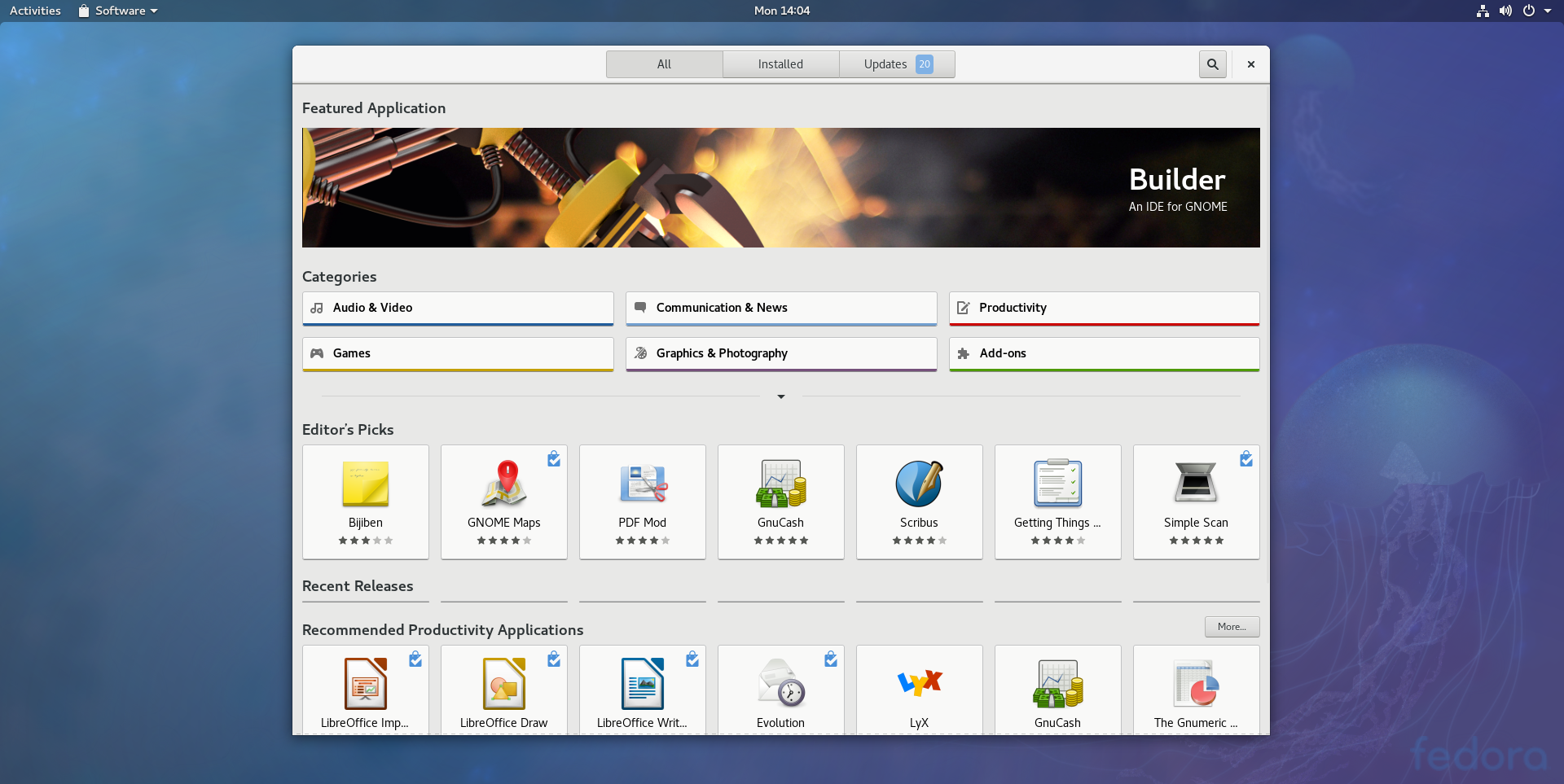
This release featured, among many other improvements and upgrades:
- GNOME 3.28
- Easier options for third-party repositories
- Automatic updates for the Fedora Atomic Host
- The new Modular repository, allowing you to select from different versions of software for your system
Of course, the Project also offered numerous alternative spins of Fedora, and support for multiple architectures.
About the Fedora release cycle
The Fedora Project offers updates for a Fedora release until a month after the second subsequent version releases. For example, updates for Fedora 29 continue until one month after the release of Fedora 31. Fedora 30 continues to be supported up until one month after the release of Fedora 32.
The Fedora Project wiki contains more detailed information about the entire Fedora Release Life Cycle. The lifecycle includes milestones from development to release, and the post-release support period.